Photo: Wikipedia
Find The Best Places To Live
in Marfa
PRO TIP! You can paste a Zillow or Redfin link to get info on that property.
What It's Like Living in Marfa, TX
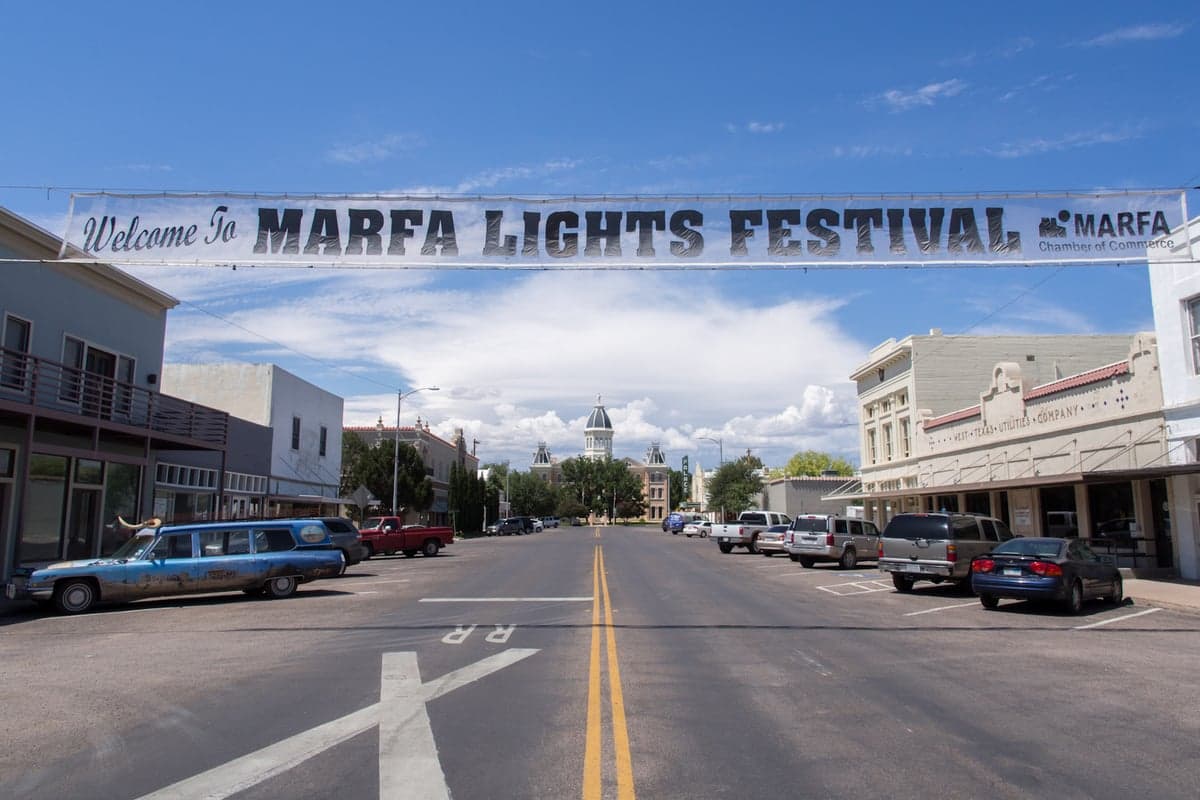
Marfa is less a town and more a state of mind — a tiny, sun-bleached outpost in the high desert of West Texas where minimalist art galleries sit across from dusty feed stores, and the silence at night is so complete you can hear your own heartbeat. With a population hovering around 2,179, it’s not a place you stumble into by accident; you either come here with a purpose — chasing the Marfa Lights, working for the Judd Foundation, or escaping a more frantic life — or you pass through on your way to Big Bend. The vibe is equal parts frontier pragmatism and avant-garde experimentation, and that tension is what makes it either enchanting or exasperating, depending on who you ask.
The Daily Rhythm: Slow, Quiet, and Surprisingly Practical
Life in Marfa moves at a pace that can feel jarring if you’re used to a city’s hum. Most mornings start with coffee at Frama or a breakfast taco from Marfa Burrito, and by mid-afternoon, the main drag — San Antonio Street — is quiet enough to hear gravel crunch under tires. The median age is 54.2, which skews the town older and quieter than you might expect from an arts destination. Weekends often revolve around errands at the single grocery store, a drive out to Fort Davis or Alpine for supplies, or simply sitting on a porch watching the light change over the Chinati Mountains. The average commute is about 27 minutes, but that’s mostly because many residents live outside the city limits on ranchettes or in neighboring towns — within Marfa itself, you can walk from one end to the other in under 20 minutes.
The kind of person who fits here tends to be self-sufficient, comfortable with solitude, and either financially secure or willing to trade income for a slower rhythm. The median household income is $38,205, and the cost of living index sits at 51 — half the national average — which means a modest budget goes further than it would in Austin or Dallas. But jobs are scarce; the biggest employers are the school district, the county government, and the art foundations. Many residents work remotely, run small guesthouses, or cobble together seasonal gigs tied to tourism. It’s not a place for career climbers, but it works well for retirees, artists, and anyone who values space over opportunity.
What There Is to Do: Art, Stars, and High School Football
Marfa’s cultural identity is split between two poles. On one side, you have the Chinati Foundation and Judd Foundation, which draw international visitors to see Donald Judd’s minimalist concrete boxes and sprawling installations. The annual Marfa Film Festival and Marfa Myths music festival bring in crowds, but they’re small enough that you’ll still recognize faces at the Lost Horse Saloon or Padre’s on a Friday night. On the other side, there’s the Marfa High School Shorthorns — Friday night football is a genuine community anchor, not a nostalgic backdrop. The stands fill with ranchers, gallery workers, and retired couples alike, and the games are one of the few places where the town’s disparate factions actually mix.
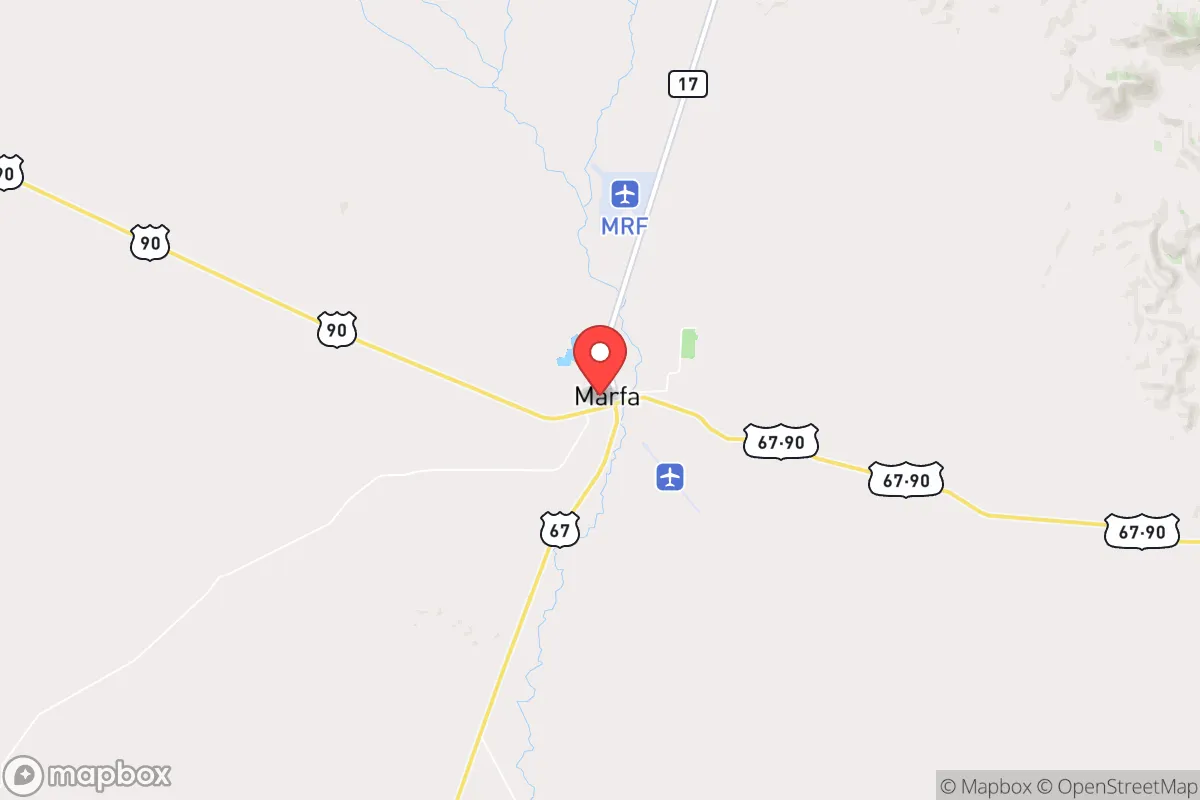
Outdoor life is defined by the vastness of the landscape. Big Bend National Park is about 90 minutes south, but closer to home, people hike the Chinati Mountains, stargaze at McDonald Observatory (30 minutes away), or drive the River Road for solitude. The Marfa Lights — unexplained glowing orbs that appear on the horizon — are a genuine local curiosity; viewing stations on Highway 90 are a popular evening activity for newcomers and tourists. There’s no mall, no movie theater, no chain restaurants. The social scene revolves around a handful of bars, dinner parties, and the occasional live music set at The Sentinel or St. George Hall.
The Honest Trade-Offs: What Works and What Grates
Longtime residents love the quiet, the community intimacy, and the fact that you can still buy a home for a median price of $217,600 — a fraction of what you’d pay in Austin or even El Paso. The violent crime rate is 342.3 per 100,000, which is higher than the national average but tends to be concentrated in specific situations rather than random street crime; most people feel safe walking alone at night. The college-educated population sits at 29.8%, lower than many artsy enclaves, which reflects the town’s working-class ranching roots alongside its creative transplants.
What frustrates residents is the lack of basic services. There’s no hospital — the nearest emergency room is in Alpine, 30 minutes away. Grocery options are limited and expensive. Internet can be spotty, especially during tourist surges. Summers are brutal: temperatures regularly hit the high 90s, and the relentless sun and wind wear on people who aren’t used to it. Winters are cold and quiet, with many businesses closing for weeks at a time. The seasonal rhythm means the town feels crowded during spring and fall festivals, then empty and almost too quiet in January. If you need convenience, variety, or a fast-paced social life, Marfa will frustrate you. If you want to live somewhere that forces you to slow down, make your own fun, and know your neighbors by name, it’s hard to beat.

Similar small towns to Marfa
* Values derived from national, state, county, city and local statistics and may differ in a specific area. Last updated: 2026-05-16T21:52:13.000Z
Narrative content on this page is AI-generated and may contain mistakes. Verify any details that matter before acting on them.
ReloMaps may earn a commission from affiliate links at no extra cost to you.

