 Popular
Photo: Wikipedia
Find The Best Places To Live
in Austin
PRO TIP! You can paste a Zillow or Redfin link to get info on that property.
What It's Like Living in Austin, TX
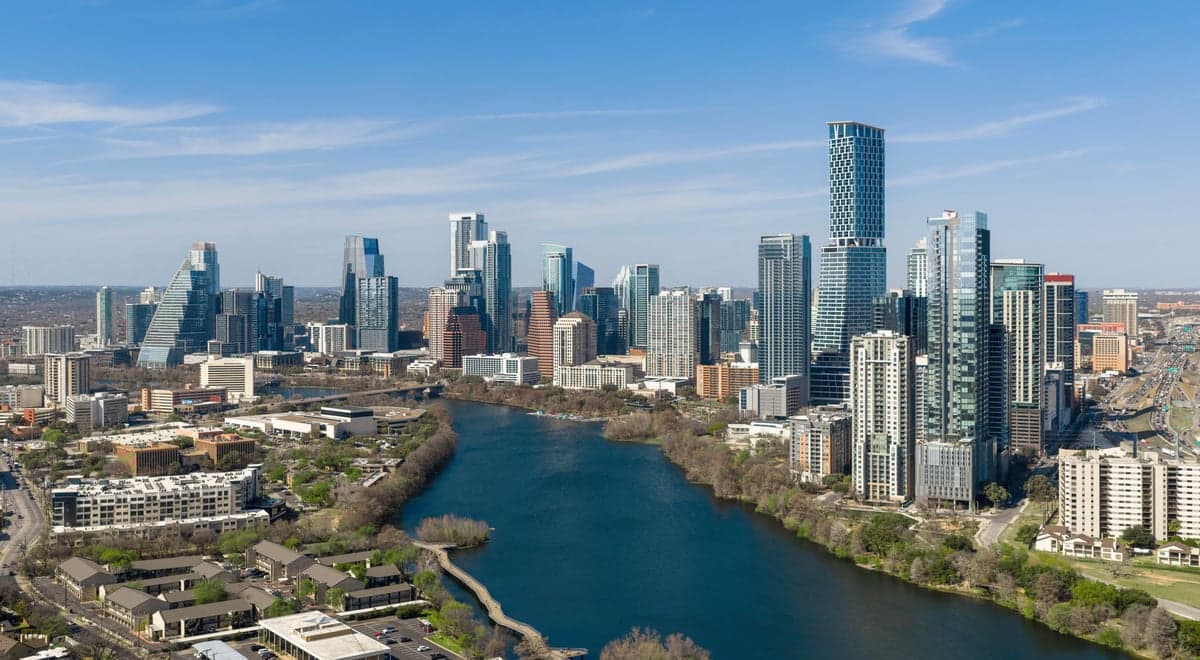
Austin has a well-earned reputation as a city that marches to its own beat, a place where the official motto is “Keep Austin Weird” but the reality is increasingly polished and expensive. With nearly a million people packed into a city that still feels like a collection of neighborhoods, living here means navigating a constant tension between its laid-back, creative roots and the relentless pressure of being one of the fastest-growing metros in the country. It’s a town that works hard, plays hard, and absolutely does not sleep on breakfast tacos.
The Daily Rhythm: Work, Traffic, and the Quest for a Good Taco
For most residents, daily life revolves around a few core truths: the commute is real, the weather dictates your plans, and food is a serious hobby. The average commute clocks in at about 24 minutes, which sounds manageable until you realize that a 15-mile drive from South Austin to the Domain can easily stretch to 45 minutes during rush hour. The city’s growth has outpaced its road infrastructure, so MoPac and I-35 are notorious parking lots. Locals cope by timing their drives, using the 183 toll road, or simply living close to where they work—a luxury that comes with a premium on rent or mortgage. The median home value sits at $512,700, a figure that feels steep even for a city with a median household income of $91,461. That cost of living index of 158 (well above the national average of 100) means housing eats up a big chunk of the paycheck, especially for younger singles and families just starting out.
Weekends here are built around the outdoors and food. You’ll find people paddling on Lady Bird Lake, hiking the Barton Creek Greenbelt, or cooling off at Barton Springs Pool—a natural spring-fed pool that stays a brisk 68 degrees year-round. The food scene is a point of pride, with a fierce loyalty to local spots like Franklin Barbecue (expect a 3-hour line), Torchy’s Tacos for a quick fix, and Veracruz All Natural for migas. Grocery shopping often means a trip to H-E-B, a Texas institution that inspires near-religious devotion. The city’s median age of 34.5 and 58.2% college-educated population create a vibe that’s both young and ambitious, with a strong tilt toward tech, creative industries, and state government jobs. Major employers like Dell, Apple, Google, and the University of Texas anchor the economy, drawing in a steady stream of transplants from California and the Northeast.
Sports, Festivals, and the Austin Social Scene
Sports are a big deal here, but the loyalty is split. The University of Texas Longhorns are the undisputed kings of the local sports landscape—football Saturdays at Darrell K Royal–Texas Memorial Stadium are a city-wide event, with burnt orange flooding downtown. High school football is also massive, with schools like Westlake and Lake Travis drawing huge crowds for Friday night games. On the pro side, Austin FC (MLS soccer) has built a rabid fanbase since 2021, with matches at Q2 Stadium becoming a social ritual for younger crowds. The city lacks an NFL or NBA team, so many residents still root for the Dallas Cowboys or Houston Rockets, but the Longhorns and Austin FC are the true local heartbeats.
Entertainment is where Austin truly shines. The city is the self-proclaimed “Live Music Capital of the World,” and that’s not just marketing—venues like the Continental Club, ACL Live at the Moody Theater, and Stubb’s BBQ host acts every night of the week. The annual Austin City Limits Music Festival draws 75,000 people per day to Zilker Park, while South by Southwest (SXSW) takes over the entire downtown for two weeks in March, blending film, tech, and music into a chaotic, exhilarating mess. For quieter weekends, locals hit the Alamo Drafthouse for dinner-and-a-movie, browse the shops on South Congress, or escape to the Hill Country for wine tasting in towns like Fredericksburg, just an hour west.
The Honest Trade-Offs: What You’ll Love and What Will Drive You Nuts
Longtime residents love Austin’s genuine friendliness—people actually make eye contact and strike up conversations here, a stark contrast to the East or West Coast. The weather is a double-edged sword: eight months of the year are gorgeous (spring and fall are perfection), but summer runs from May through October with highs regularly hitting 100°F. The heat is relentless, and air conditioning is non-negotiable. The city’s green spaces and lake access are a huge plus, but the violent crime rate of 418.2 per 100,000 is a concern, especially in certain corridors along I-35 and in parts of East Austin. Property crime, particularly car break-ins and package theft, is a common frustration.
What frustrates locals most is the cost. The city has gotten expensive fast, and the “weird” character that made it famous is being priced out. Independent music venues struggle, iconic dive bars close, and the creative class that built Austin’s identity is being pushed to suburbs like Buda, Kyle, or Round Rock. Traffic is the other constant complaint—it’s not Los Angeles bad, but it’s bad enough to shape where you choose to live and work. Schools are a mixed bag; the Austin Independent School District has strong magnet programs and well-funded schools in affluent areas, but families often research specific campuses carefully. The city’s culture is proudly progressive and liberal, which can feel like a relief for some and a frustration for others—especially those from more conservative parts of Texas. If you’re looking for a place where you can be yourself, eat well, and never run out of things to do, Austin delivers. Just be ready to pay for the privilege and sit in a little traffic to get there.

Similar mid-size cities to Austin
* Values derived from national, state, county, city and local statistics and may differ in a specific area. Last updated: 2026-04-22T01:53:59.000Z
Narrative content on this page is AI-generated and may contain mistakes. Verify any details that matter before acting on them.
ReloMaps may earn a commission from affiliate links at no extra cost to you.

