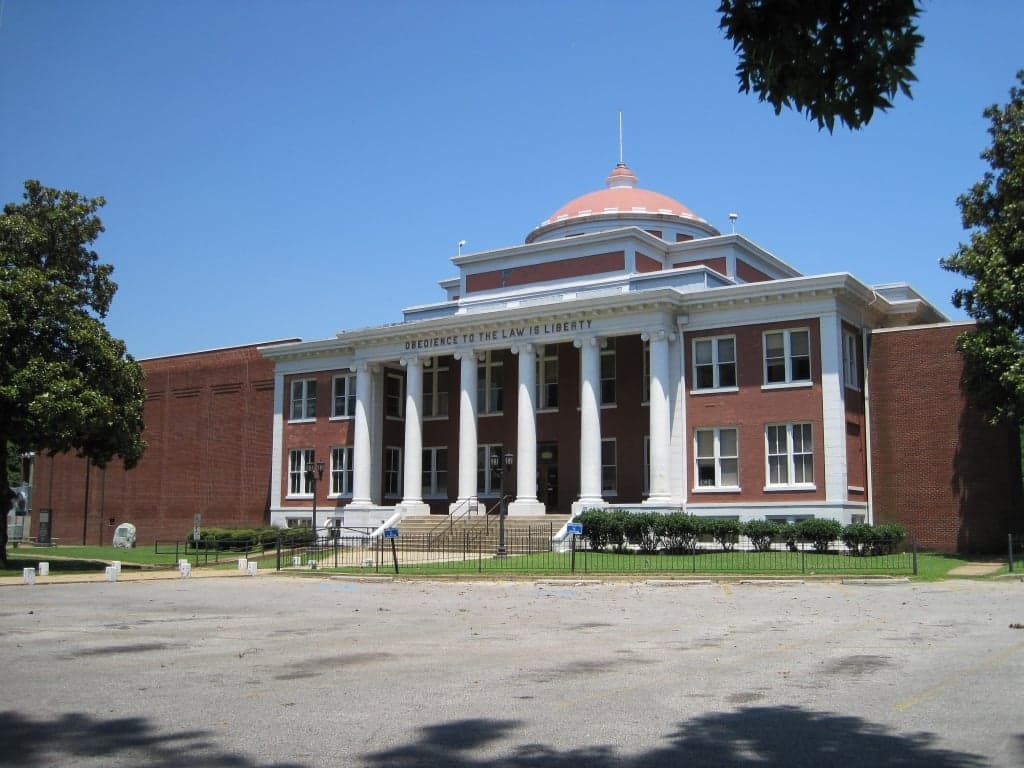
Photo: Wikipedia
Find The Best Places To Live
in Marion
PRO TIP! You can paste a Zillow or Redfin link to get info on that property.
What It's Like Living in Marion, AR
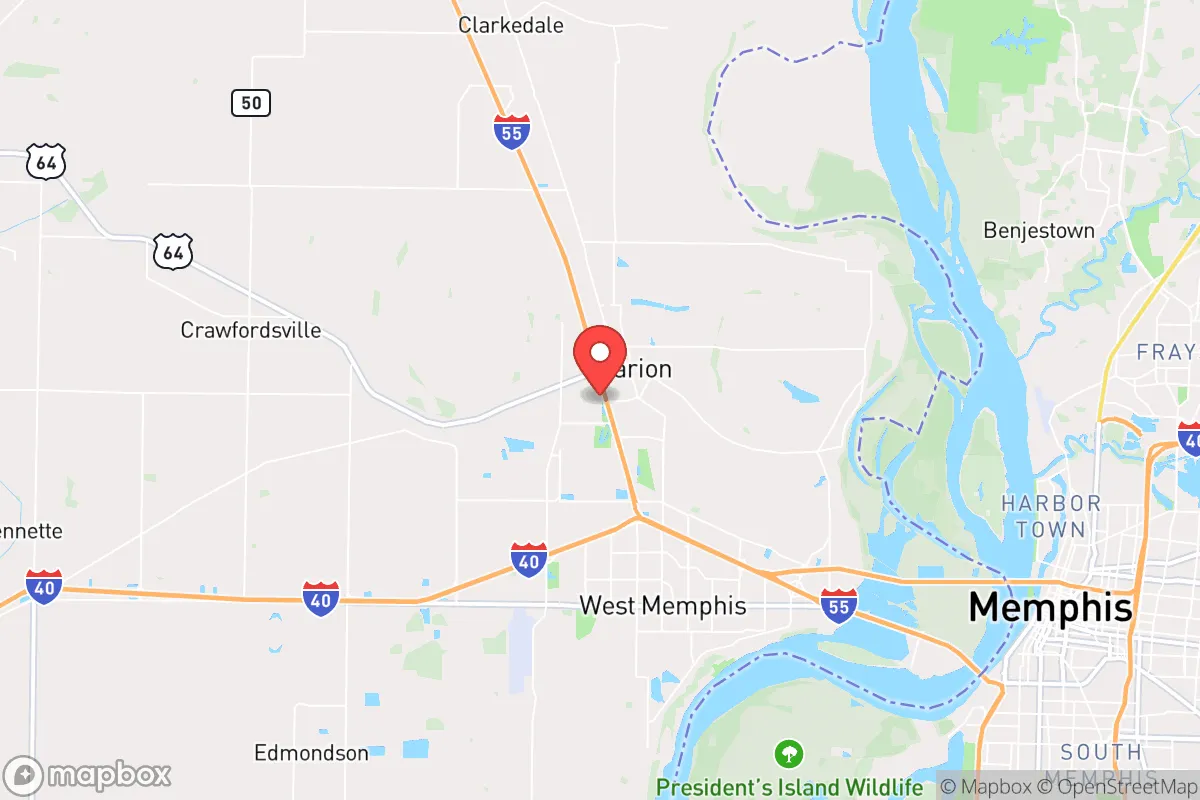
Marion, Arkansas, feels like one of those places that’s still figuring out its own identity—caught between the sprawl of Memphis just across the river and the quieter, more rural Delta towns to the south. It’s a community where folks know each other by name at the local coffee shop, but where the hum of I-55 and the glow of the Memphis skyline remind you that big-city opportunity is only a 15-minute drive away. For a certain kind of person—someone who wants a slower pace without sacrificing access to a major metro—Marion hits a sweet spot that’s hard to find elsewhere in Crittenden County.
The Daily Rhythm: Work, Errands, and Weekend Habits
Most people here work in Memphis or at one of the area’s big employers like the FedEx hub at the Memphis International Airport or the nearby Amazon fulfillment center in West Memphis. The average commute clocks in at just under 22 minutes, which is noticeably shorter than what you’d face living in the suburbs of Nashville or Dallas. That extra half-hour each day adds up—people actually have time to grab dinner at El Porton on Military Road or hit the Marion Farmers Market on Saturday mornings without feeling rushed. Weekends often revolve around the Marion Athletic Complex, where youth soccer and baseball games draw big crowds, or a trip to Village Creek State Park about 20 minutes east for hiking and fishing. The median income here is $80,637, which goes a lot further than it would in most places—the cost of living index sits at 84, well below the national average. That means a family can afford a $206,300 median home and still have room in the budget for a boat or a weekend trip to the Ozarks.
Sports, Community Pride, and the High School Factor
If you want to understand Marion, look no further than a Friday night in the fall. Marion High School football is the undisputed center of local social life—the Patriots pack the stands at Patriot Stadium, and the energy is genuine, not forced. The school system itself is a major draw for parents; the district is one of the better-rated in eastern Arkansas, and it’s a big reason why families choose Marion over neighboring West Memphis. Basketball and baseball also get serious attention, but football is the glue. There’s no pro sports team in town, but Memphis’s Grizzlies (NBA) and Tigers (college) are close enough that a Saturday trip to the FedExForum is a regular thing for many residents. The community also rallies around the Marion Chamber of Commerce’s annual events, like the Marion Day Festival in the spring, which features a parade, live music, and enough barbecue to feed the whole county.
What’s There to Do: Bars, Parks, and Local Hangouts
Let’s be honest—Marion isn’t a nightlife destination. The bar scene is limited to a few sports bars and casual spots like Buffalo Wild Wings or the American Legion Post for a quieter drink. But the outdoor life is where the town shines. Marion City Park has walking trails, a splash pad for kids, and plenty of green space for picnics. For something more active, Tom Sawyer’s RV Park and Mississippi River access offers fishing and boat ramps that locals use year-round. The biggest cultural event is the Arkansas Delta Byways’ annual Crawfish Festival in nearby West Memphis, but Marion’s own Christmas Parade and Fall Festival at the community center are the real heartbeats of local tradition. The median age here is 34.6, which skews younger than many small towns—you’ll find a lot of families with kids under 12, plus a growing number of remote workers who moved here for the affordable housing and low taxes.
Pros and Cons of Living in Marion
What longtime residents love: The cost of living is a genuine superpower. You can buy a three-bedroom house for under $200,000 that would cost double in Collierville or Germantown just across the state line. The commute to Memphis is painless, and the schools are solid. People also appreciate the small-town safety net—neighbors check in on each other, and the community response to emergencies is quick and personal.
What frustrates them: The violent crime rate is 519.8 per 100,000, which is higher than the national average and a real concern for some families. Most of that is concentrated in specific areas, but it’s a number that comes up in conversations. Also, the dining and entertainment options are thin—if you want a nice sit-down restaurant or a live music venue, you’re driving to Memphis. And the summers are brutal: high humidity, mosquitoes, and heat indexes that regularly hit 100°F from June through August. Only 24.5% of residents hold a college degree, which is below the national average—that reflects the blue-collar workforce that dominates the local economy, but it also means fewer white-collar job opportunities within the town itself.
Marion is a place for people who value affordability and community over urban amenities. It’s not for everyone, but for the 13,641 residents who call it home, it’s a practical, honest, and increasingly popular choice for starting a family or settling into a slower rhythm of life.

Similar towns to Marion



* Values derived from national, state, county, city and local statistics and may differ in a specific area. Last updated: 2026-04-21T09:09:34.000Z
Narrative content on this page is AI-generated and may contain mistakes. Verify any details that matter before acting on them.
ReloMaps may earn a commission from affiliate links at no extra cost to you.

