Photo: Wikipedia
Find The Best Places To Live
in Milford
PRO TIP! You can paste a Zillow or Redfin link to get info on that property.
What It's Like Living in Milford, CT
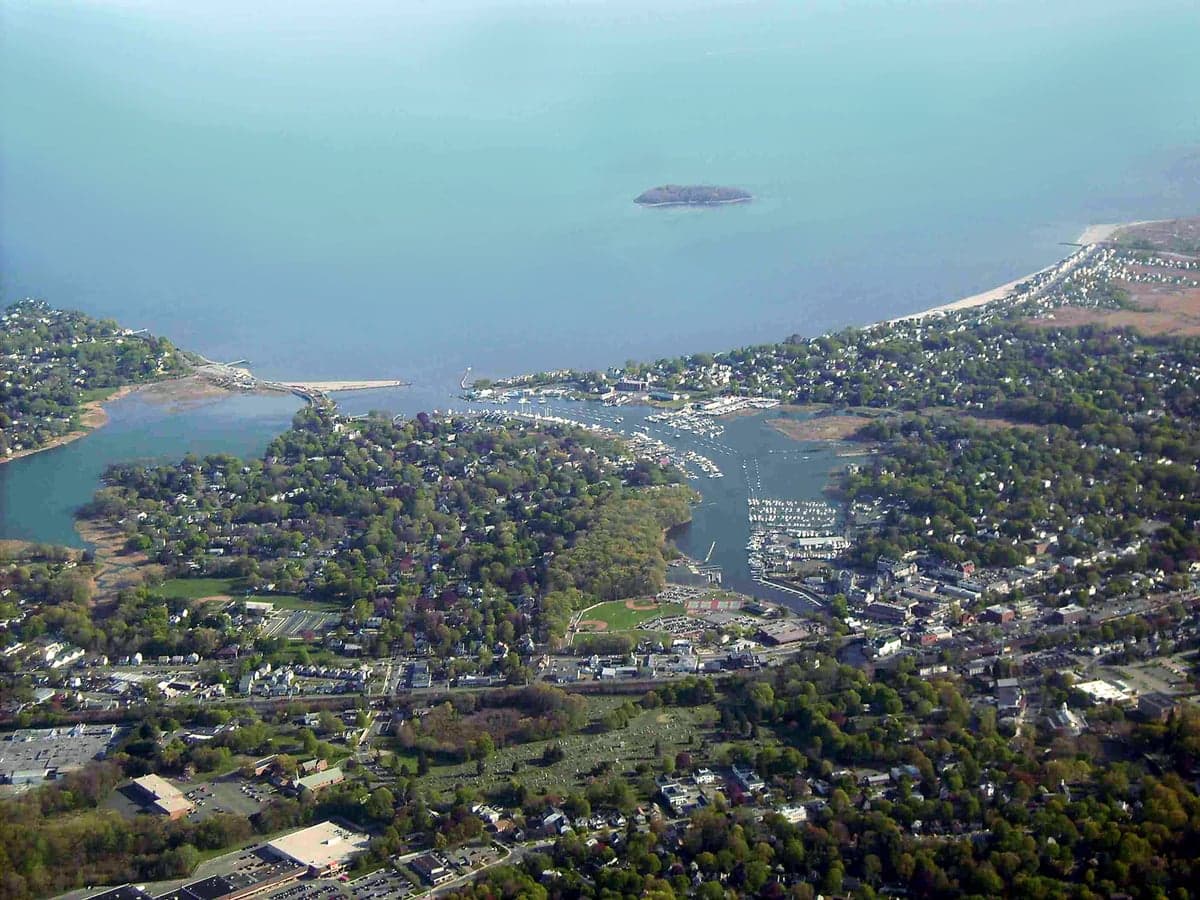
Milford, Connecticut, is one of those rare Connecticut towns that feels like a small city, a beach town, and a classic New England suburb all at once. You get the salt air from Long Island Sound, a walkable downtown with a real Main Street, and a surprising amount of industry and commerce for a place of about 50,000 people. It’s not a sleepy bedroom community, but it’s not a bustling metropolis either—it’s a place where people tend to settle in for the long haul, and the median age of 46.7 reflects that stability.
The Daily Rhythm: Beach Town Meets Commuter Hub
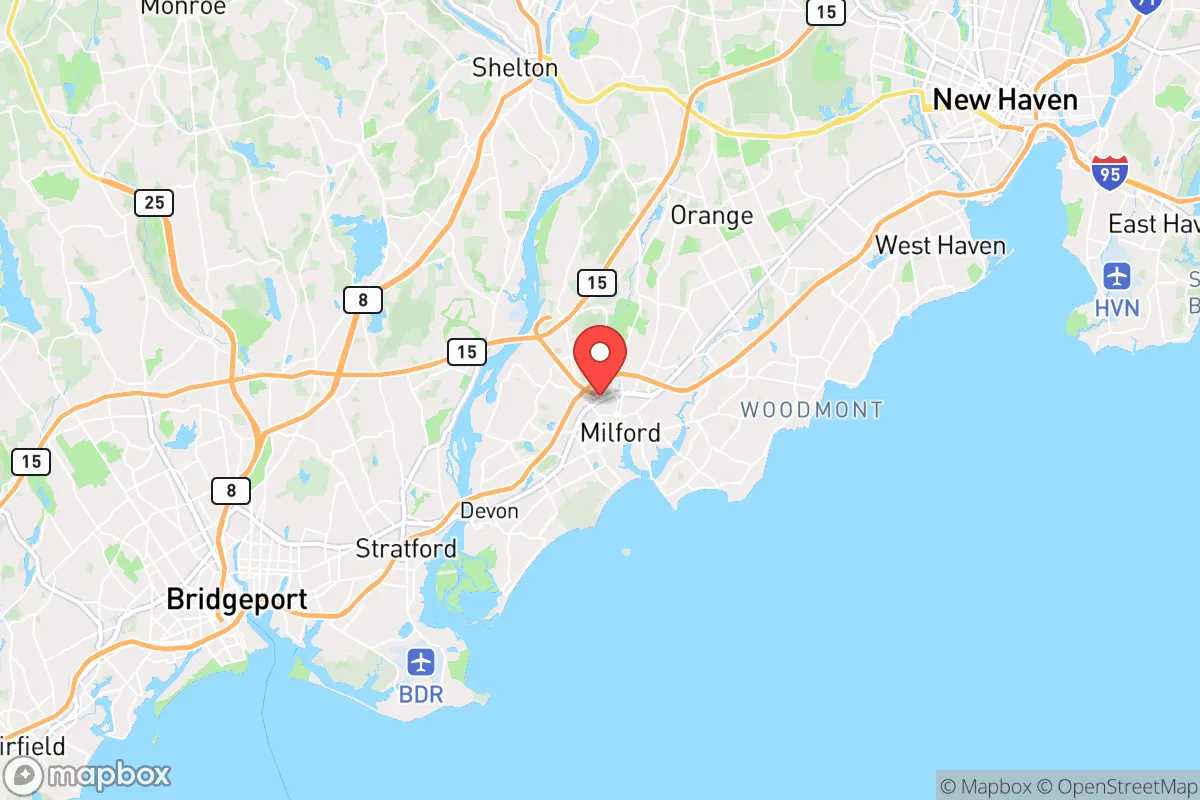
For a lot of residents, the day starts with a commute that averages just under 26 minutes—manageable by Connecticut standards, especially compared to the hour-plus treks from deeper suburbs into New York City. Milford sits right on I-95 and has its own Metro-North station, so people working in New Haven, Stamford, or even Manhattan find it a practical base. But the real rhythm of the town is shaped by the water. On summer weekends, Silver Sands State Park and Walnut Beach are packed with families and couples, and the boardwalk at Gulf Beach is a classic evening stroll. The weather follows a true four-season cycle: hot, humid summers; crisp, colorful autumns; cold, snowy winters; and a muddy, hopeful spring. The snow can be a real pain for commuters, but the town is generally quick to plow.
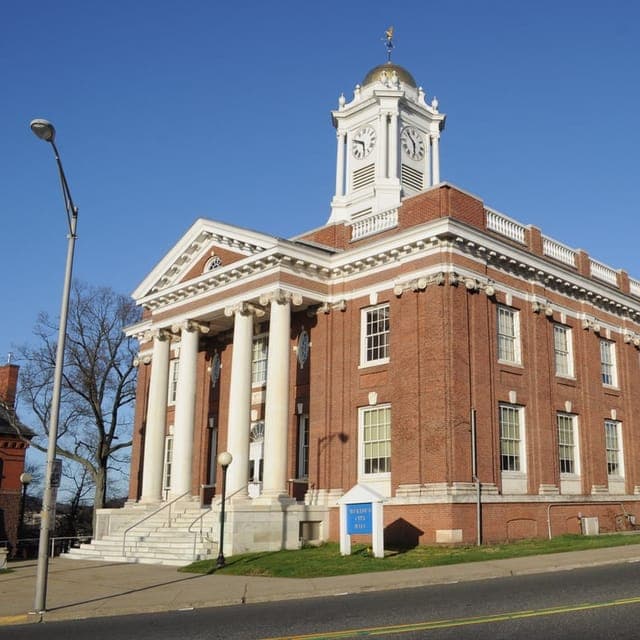
Daily errands revolve around the Post Mall for big-box shopping and the downtown area for local stops. You’ll see people grabbing coffee at Jitter Bus or Milford Coffee Roasters, picking up fresh seafood at Bobby’s Apizza & Seafood, or hitting the farmers market on the green. The town’s identity is proudly independent—there’s a strong “shop local” ethos, and the downtown has avoided the hollowed-out look that plagues many small cities.
Sports, Schools, and the Weekend Vibe
High school sports are a genuine community anchor here. Milford’s two public high schools—Joseph A. Foran and Jonathan Law—have a real, friendly rivalry that fills bleachers on Friday nights in the fall. Football and soccer are big, but the town also rallies around the Milford Mariners (American Legion baseball) and the local youth leagues. There’s no major pro team in town, but plenty of residents are die-hard UConn Huskies fans (basketball and women’s basketball especially) and make the short drive to Hartford or Storrs for games. The Milford Oyster Festival every August is the undisputed highlight of the social calendar—it draws tens of thousands, features live music, a road race, and, of course, oysters. It’s loud, crowded, and a little chaotic, but locals love it.
For quieter weekends, the Milford Arts Council (MAC) runs a gallery and performance space downtown, and the Stratford/Milford line has the Boothe Memorial Park for a peaceful afternoon. The restaurant scene punches above its weight: Stonebridge Restaurant for upscale American, Bobby’s Apizza for the local thin-crust style, and The Greek Spot for quick, solid gyros. The bar scene is more laid-back than rowdy—think Brewport for craft beer and The Corner for a classic dive vibe.
Who Fits In, and Who Might Not
Milford works best for people who want a balance: a job in the broader region, a house with a yard, and easy access to the water. The median household income of about $110,000 and median home value of $377,400 put it in a solidly middle-to-upper-middle-class bracket. It’s a place where many residents are college-educated (about 48% hold a bachelor’s or higher), and the workforce leans professional—healthcare, education, finance, and tech. Families with school-age children are a huge part of the community, and the public schools (Milford Public Schools) are generally well-regarded, though not at the absolute top tier of Connecticut’s elite districts. The schools are a central organizing force for parents, with PTA involvement and youth sports dominating evenings.
For single people in their 20s and 30s, Milford can feel a little quiet. The dating scene is thin compared to New Haven or Stamford, and the nightlife is more about low-key bars than clubs. But for someone who values outdoor recreation, a short commute, and a safe environment, it’s a solid choice. The violent crime rate is very low—about 108 per 100,000, well below the national average—and most people feel comfortable walking downtown or on the beach at night.
The Honest Trade-Offs
No place is perfect, and Milford has its frustrations. Traffic on I-95 through town is a daily headache, especially during summer weekends when beach traffic backs up. The downtown can feel congested, and parking near the green on a Saturday is a test of patience. Property taxes are high—Connecticut’s statewide issue—and while you get good services, it’s a real cost. Some longtime residents grumble that the town has gotten more expensive and a bit more crowded, with new apartment complexes changing the feel of certain neighborhoods.
On the plus side, the things people love are consistent: the beach access, the walkable downtown, the strong sense of community, and the fact that you can be in New Haven in 15 minutes or New York in 90. It’s a place where you’ll run into people you know at the grocery store, where the Oyster Festival is a yearly ritual, and where the sound of the waves is never more than a ten-minute drive away. If that sounds like your speed, Milford is worth a serious look.

Similar small cities to Milford




* Values derived from national, state, county, city and local statistics and may differ in a specific area. Last updated: 2026-09-21T19:36:33.000Z
Narrative content on this page is AI-generated and may contain mistakes. Verify any details that matter before acting on them.
ReloMaps may earn a commission from affiliate links at no extra cost to you.

