Strategic Assessment of Millville, DE
Multiple tactical vulnerabilities. Population density, target proximity, or disaster risk are likely compounding. A retreat property and exit planning is required.
What does the Strategic Assessment tell us?
Our Strategic Assessment grades tactical survivability of an area. Major population centers, military targets, fallout zones, natural disasters, and border exposure all drive risk — lower exposure means a more defensible position in a crisis.
This is heavily inspired by Joel Skousen's Strategic Relocation book. Highly recommended you checkout the book ($)What does this tell us?
Our Strategic Assessment grades tactical survivability of an area. Major population centers, military targets, fallout zones, natural disasters, and border exposure all drive risk — lower exposure means a more defensible position in a crisis.
This is heavily inspired by Joel Skousen's Strategic Relocation book. Highly recommended you checkout the book ($)Strategic Pillars

Key Distances
Regional Safe Places
Below is our recommended "safe zones" in Delaware and the surrounding area based on our strategic heuristics. For most people, it's unrealistic to live in a “safe zone” full-time due to work, family or other personal reasons. They tend to be more rural. However, many of these areas are perfect for second homes and retreat properties that double as a vacation home or even a short-term rental.
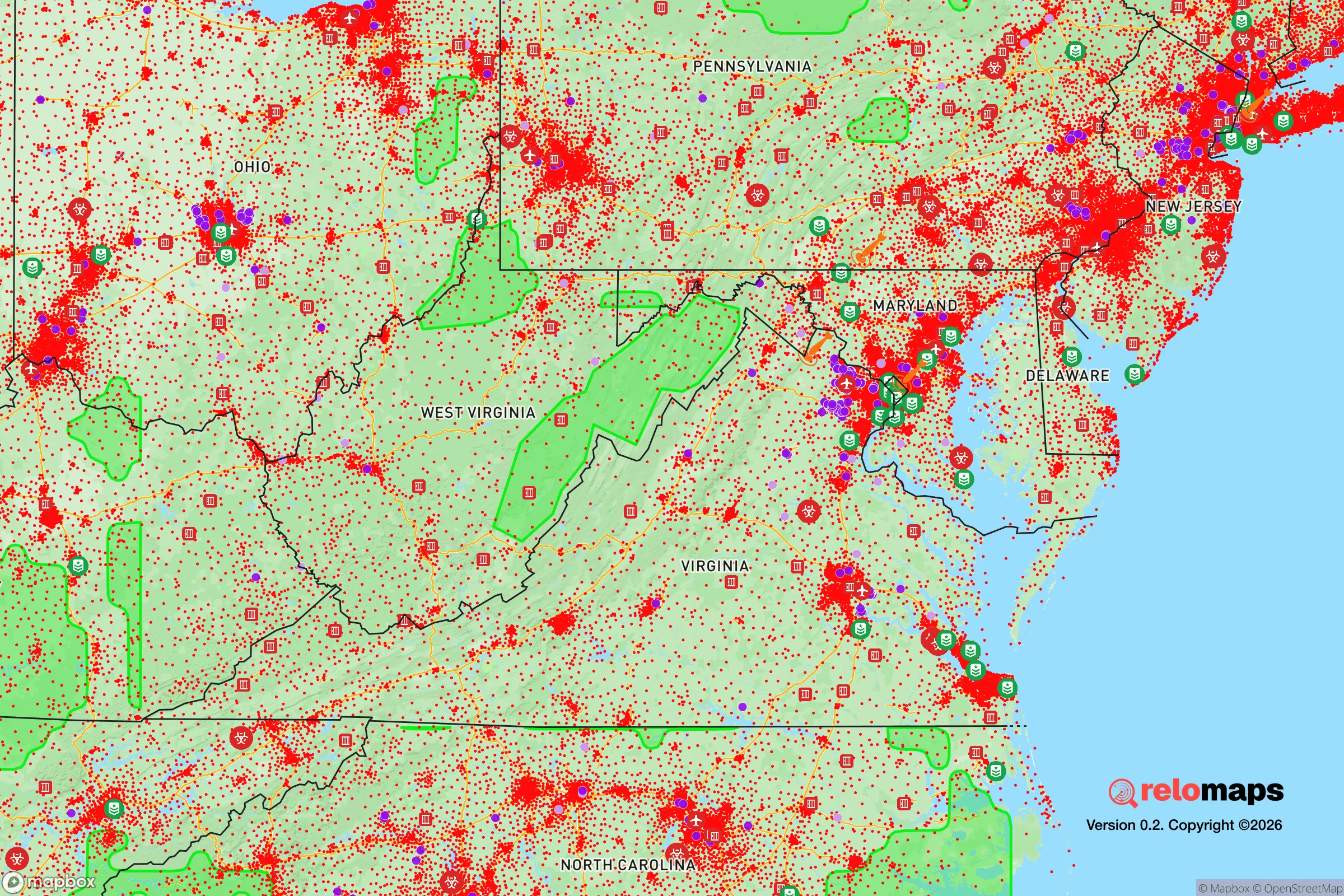
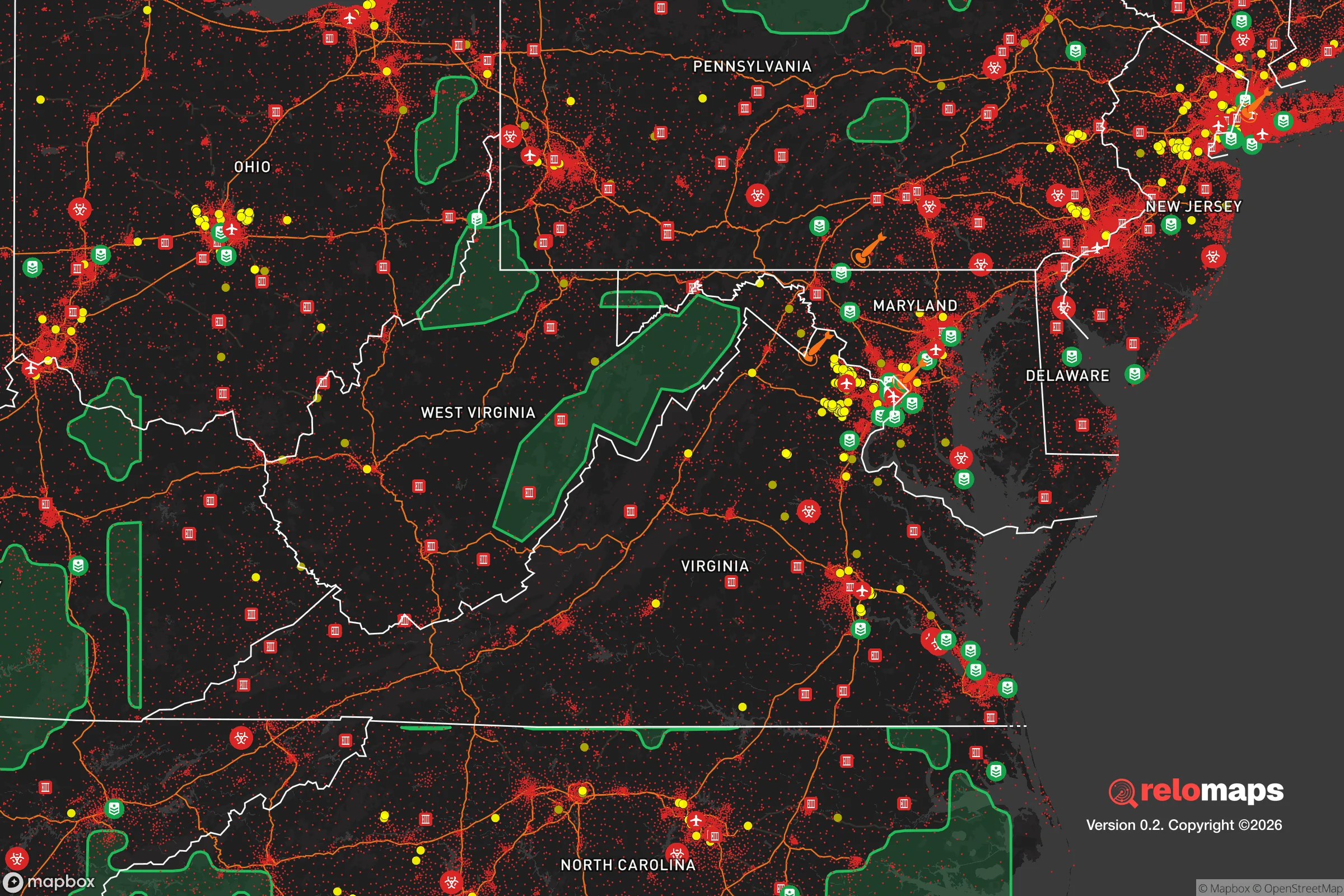


Important Note: For informational purposes only. This does not mean nothing bad ever happens in the green zones. Please use common sense. This is based on public data and modeled with AI. We tried to take a conservative approach but mistakes happen. We update this regularly as new information becomes available.
Solar Generator Recommendations
Backup power matters more here than in safer locations. We've picked three solar generators across budgets and capacity tiers — start with the budget unit if you only need a few essentials, or step up if you want to run a fridge and HVAC for days at a time.

Jackery Portable Power Station Explorer 300
Budget OptionPower on the Go: Weighing only 11 lbs, it's convenient to set up and store with book-sized foldable solar panels

BLUETTI Portable Power Station AC180
Designed for both indoor and outdoor scenarios, AC180 is highly capable as it has a robost capacity and continuous output power.

EF ECOFLOW DELTA Pro Ultra Power Station
Upgraded PickEcoFlow DELTA Pro Ultra is a whole-home energy system designed to grow with your family. Integrated with the Smart Home Panel 2, it scales to meet your evolving energy needs — keeping your home powered, intelligent, and secure through every stage of life.
We earn a commission, at no additional cost to you.
Strategic Assessment Analysis
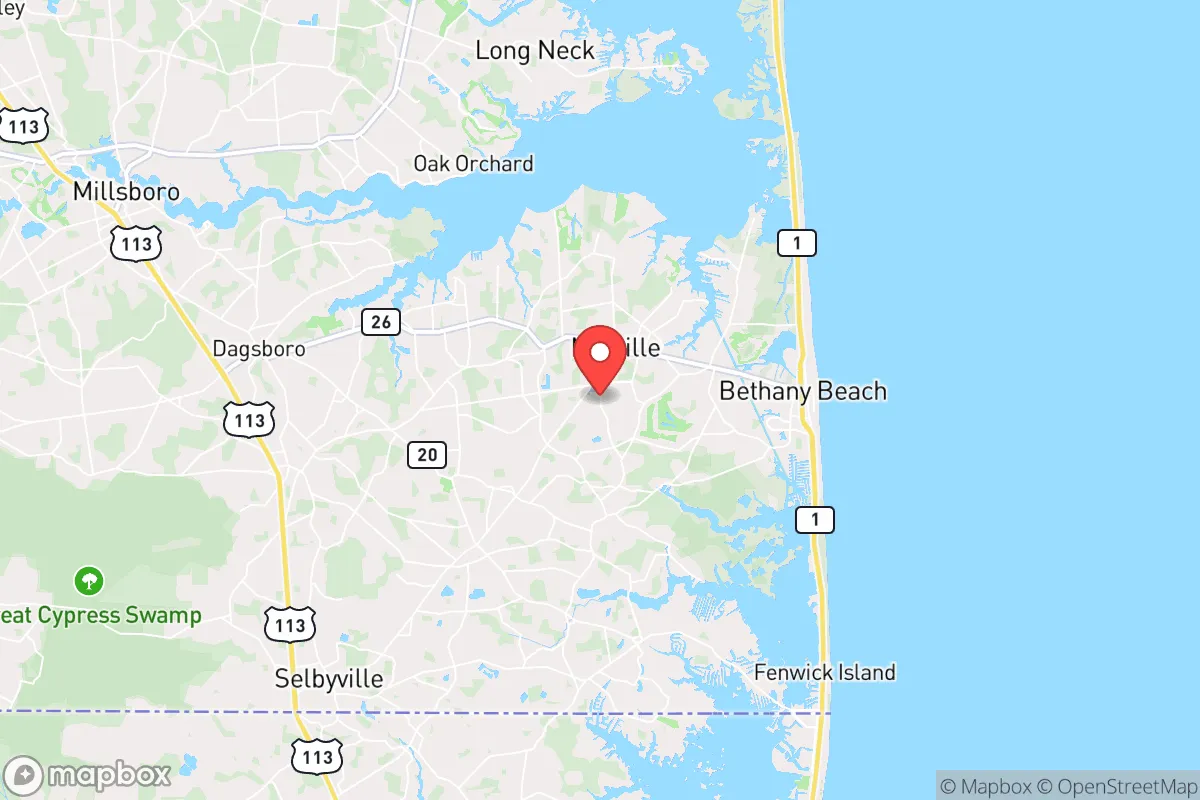
Millville, Delaware, occupies a strategic niche on the southeastern coast that offers a blend of relative isolation and logistical access, making it a viable candidate for those prioritizing resilience in an uncertain future. Located in Sussex County, roughly 15 miles from the Atlantic Ocean and 20 miles north of the Maryland line, the town sits outside the immediate blast radius of major metropolitan targets like Philadelphia (100 miles north) and Washington, D.C. (130 miles west). Its position within the Delmarva Peninsula—a landmass bordered by the Chesapeake Bay and the Atlantic—provides a natural buffer against the cascading effects of coastal unrest, though it is not without its own vulnerabilities. For a relocator with a prepper mindset, Millville’s low population density (around 1,600 residents as of 2023) and limited industrial footprint offer a starting point for self-reliance, but the area’s reliance on tourism and seasonal population spikes demands careful planning.
Geographic position and natural advantages for long-term survival
Millville’s geography is its primary asset in a resilience strategy. The town sits on the Delmarva Peninsula, a region that is effectively an island in terms of road access—only two major bridges (the Chesapeake Bay Bridge and the Delaware Memorial Bridge) connect it to the mainland. In a scenario involving civil unrest or mass casualty events, these chokepoints could be controlled or compromised, but they also mean that the peninsula is a natural cul-de-sac, reducing the flow of displaced populations from urban centers. The surrounding landscape is flat, agricultural, and sparsely developed, with large tracts of farmland and forest that could support subsistence activities. The nearby Indian River Bay and Assawoman Bay provide access to marine resources, including fish, crabs, and shellfish, which are reliable protein sources even if supply chains fail. The climate is temperate, with mild winters and moderate rainfall, reducing the risk of extreme weather events like blizzards or droughts that could stress a homestead. However, the area’s low elevation (averaging 20-30 feet above sea level) and proximity to the coast introduce a specific vulnerability: hurricane storm surge. While Millville is not directly on the ocean, it lies within the 100-year floodplain, and a Category 3 or higher storm could inundate low-lying areas, making elevation and drainage critical factors for any property selection.
Risks, exposures, and proximity to fallout-relevant landmarks
The most significant strategic drawback of Millville is its proximity to the Indian River Power Plant, a 1,200-megawatt coal and natural gas facility located just 10 miles north. While not a nuclear reactor, this plant is a high-value target for sabotage or attack, and its destruction could release toxic ash or disrupt regional power grids. Additionally, the town lies within 50 miles of the Salem and Hope Creek nuclear plants in New Jersey, across the Delaware Bay. A catastrophic failure at either facility—whether from accident or deliberate action—could expose Millville to fallout depending on wind patterns, though the prevailing westerlies typically carry contamination eastward over the ocean. The nearby Bethany Beach and Ocean City tourist corridors, which swell to hundreds of thousands of seasonal visitors, present a dual risk: they are potential targets for soft-target attacks and, in a crisis, could generate massive refugee flows inland toward Millville. The town’s limited road network—primarily Route 26 and Route 17—would quickly become clogged, making egress or resupply difficult. For a survivalist, these factors mean that Millville is not a bug-out location but a stay-in-place option that requires robust perimeter awareness and contingency plans for evacuation to more remote areas west of the Chesapeake Bay.
Practical resilience for a relocator: food, water, energy, and defensibility
Millville’s practical resilience hinges on its agricultural base and groundwater resources. The town sits atop the Columbia Aquifer, a shallow, high-yield groundwater system that provides potable water through private wells. In a grid-down scenario, a hand pump or solar-powered well system could maintain water access, though saltwater intrusion is a concern in coastal areas—test your well’s salinity before purchase. The surrounding farmland supports corn, soybeans, and poultry operations, with local farms like Fifer Orchards and Bennett’s Produce offering direct-to-consumer sales. Establishing relationships with these producers before a crisis is essential, as they will prioritize existing customers during shortages. For energy, the region’s solar potential is moderate (4.5 peak sun hours per day), and many homes already have rooftop panels, but net metering policies in Delaware are favorable for grid-tied systems. Battery storage is advisable given the risk of storm-related outages. Defensibility is mixed: Millville’s suburban-style subdivisions offer limited tactical advantage, but rural properties on larger lots (5+ acres) provide setback and visibility. The town’s small police force (Sussex County Sheriff’s Office provides primary coverage) would be overwhelmed in a widespread event, so a neighborhood watch or mutual-aid group is a practical investment. Firearms laws in Delaware are relatively permissive for a mid-Atlantic state, with no permit required for open carry and a shall-issue concealed carry system, but magazine capacity restrictions (15 rounds) and a pending assault weapons ban (as of 2025) may limit options for some preppers.
The overall strategic picture for Millville is one of moderate potential with clear trade-offs. It offers a buffer from immediate urban collapse, access to water and food resources, and a climate that supports year-round subsistence. However, its coastal exposure, seasonal population surges, and proximity to energy infrastructure create vulnerabilities that cannot be ignored. For a conservative-leaning relocator seeking a balance between isolation and accessibility, Millville is a viable base of operations—provided you secure a well-drained property, stockpile supplies for 90 days, and maintain a vehicle capable of navigating clogged evacuation routes. The town is not a fortress, but with deliberate preparation, it can serve as a sustainable outpost in a deteriorating national landscape. The key is to treat it as a starting point, not a final destination, and to remain adaptable as conditions evolve.

* Values derived from national, state, county, city and local statistics and may differ in a specific area. Last updated: 2026-04-29T20:04:57.000Z
Narrative content on this page is AI-generated and may contain mistakes. Verify any details that matter before acting on them.
ReloMaps may earn a commission from affiliate links at no extra cost to you.

