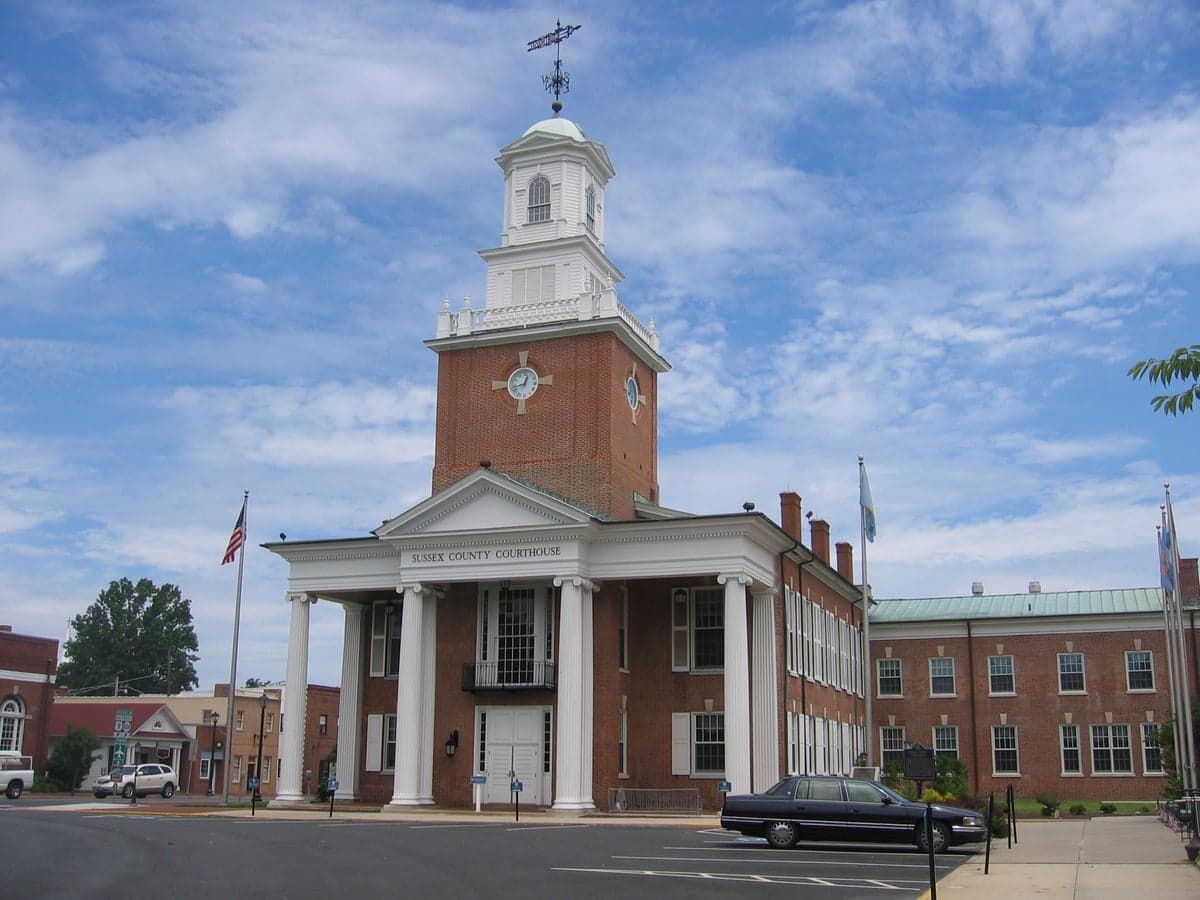
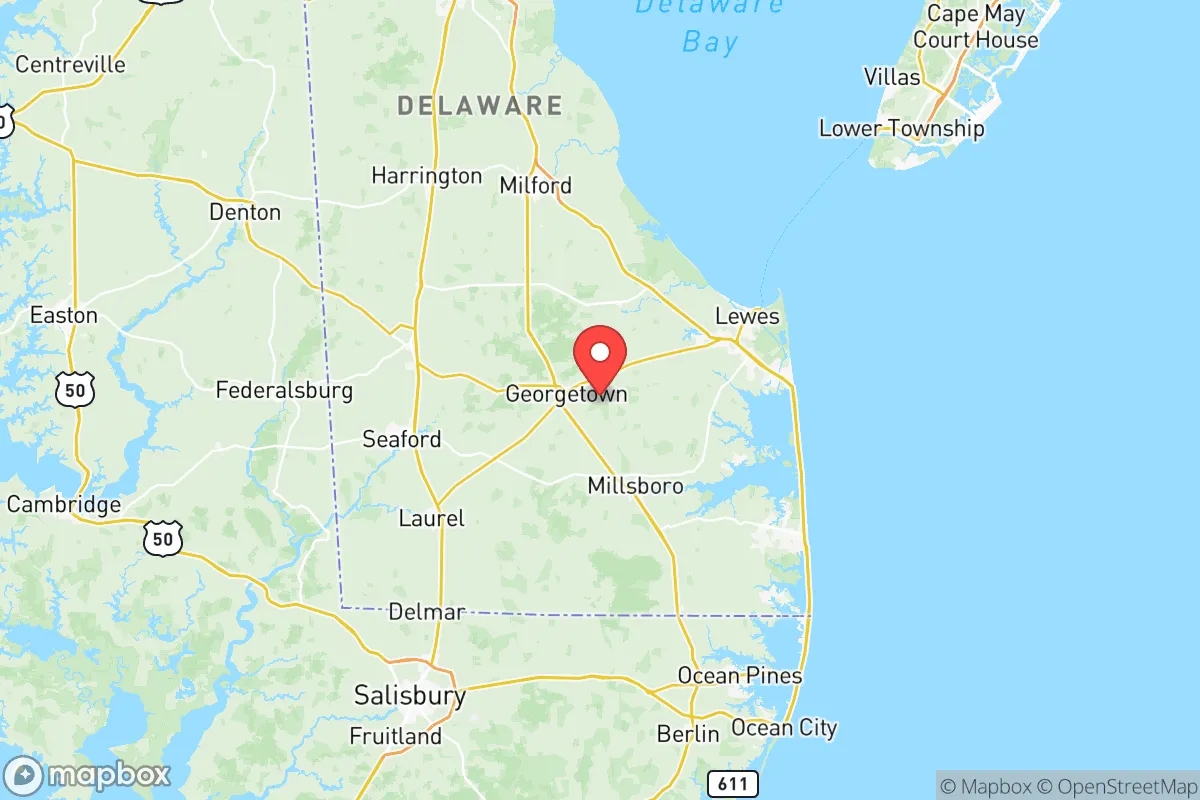
Photo: Wikipedia
Find The Best Places To Live in Sussex County
PRO TIP! You can paste a Zillow or Redfin link to get info on that property.
Best Places to Live in Sussex County

Cities & Towns in Sussex County
Cities in Sussex County
What It's Like Living in Sussex County, DE
Sussex County, Delaware, moves at a pace that feels more like a long exhale than a hustle. It’s the kind of place where the biggest decision of your week might be whether to hit the beach at Rehoboth or catch a high school football game in Seaford, and where the landscape shifts from sprawling poultry farms near Millsboro to the quiet coastal charm of Lewes in under an hour. For a conservative-leaning audience—whether you’re a single professional or raising a family—this is a county that prizes space, tradition, and a slower rhythm, but it comes with trade-offs like seasonal tourist traffic and a higher cost of living than you might expect for a rural area.
The Daily Rhythm: Beach Town Meets Farm Country
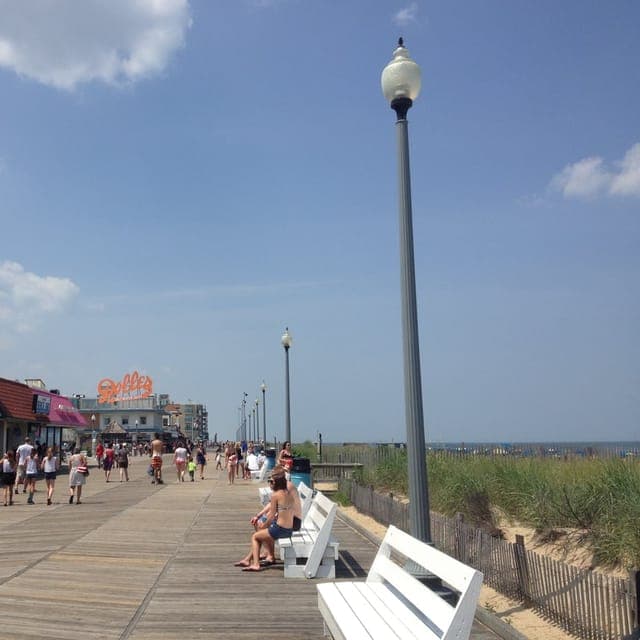
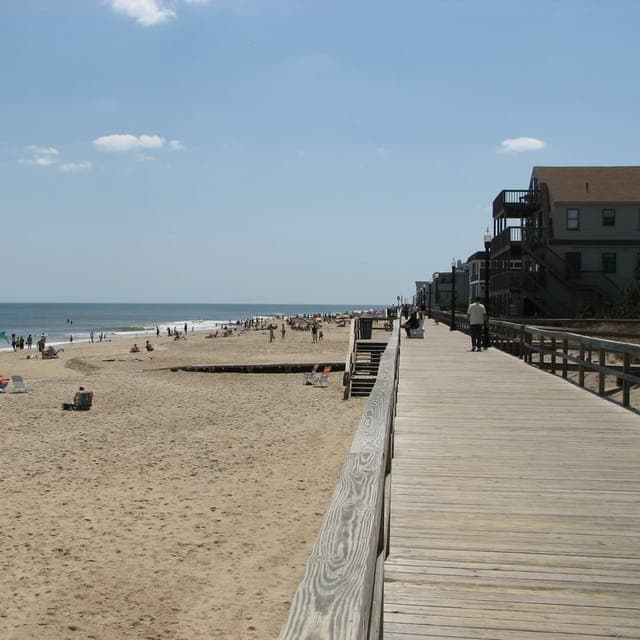
Daily life in Sussex County is defined by its dual identity. Inland towns like Georgetown and Bridgeville feel like classic small-town America—think Friday-night lights at the local high school, pancake suppers at the volunteer fire hall, and a pace where people still wave from their trucks. Along the coast, places like Bethany Beach and Dewey Beach shift gears in summer, with boardwalks, ice cream shops, and a flood of vacationers from the Mid-Atlantic. Year-round residents learn to plan their grocery runs around the tourist season; locals know to avoid Route 1 near Rehoboth on a Saturday in July. The average commute here is about 27 minutes, which feels reasonable—most people drive to work, whether it’s to a job at the sprawling Tanger Outlets, a healthcare facility in Milford, or a poultry plant in Harbeson. Schools like Sussex Central High School and Cape Henlopen High School are community anchors, with sports events drawing crowds that rival any local festival.
Who Fits In: Families, Retirees, and the Self-Reliant
With a median age of 51.4, Sussex County skews older than the national average, but that number masks a growing population of young families priced out of northern Delaware or even Maryland’s Eastern Shore. The median income sits at $78,162, which supports a comfortable but not lavish lifestyle—especially when you factor in a cost of living index of 113, meaning everyday expenses run about 13% higher than the national average. The kind of person who thrives here is someone who values elbow room, doesn’t mind a 20-minute drive to the nearest Walmart, and appreciates that your neighbor might keep chickens or a boat in the driveway. Single individuals often find community through church, volunteer fire companies, or local sports leagues. Parents appreciate that kids can still ride bikes to a friend’s house without a parade of SUVs, but they also note that the job market is limited—many commute to Dover or work remotely.
Sports & Community: High School Loyalty and a Quiet Pro Scene
Sports in Sussex County are overwhelmingly about high school pride. The Sussex Central Golden Knights and the Cape Henlopen Vikings draw big crowds on fall Fridays, and the rivalry between Seaford and Laurel is the stuff of local legend. There’s no major pro team in the county, but the Delaware Blue Hens (University of Delaware) are about an hour north in Newark, and plenty of locals make the trip. What really unites people here are the festivals: the Rehoboth Beach Jazz Festival, the Apple Scrapple Festival in Bridgeville, and the Sussex County Farm & Horse Show in Harrington. For outdoor enthusiasts, Cape Henlopen State Park near Lewes offers miles of trails and fishing piers, while the Nanticoke River near Seaford is a quiet spot for kayaking. Restaurants like the Blue Moon in Rehoboth or the Surfing Crab in Bethany are local staples, but the real hangout is often someone’s backyard deck or a fire pit at a friend’s place.
Pros and Cons of Living Here: What Locals Actually Say
Longtime residents love the space, the lack of chain-store sprawl in many areas, and the genuine sense of neighborliness—people still bring casseroles when someone’s sick. The beaches are a genuine perk, even if you only use them in the off-season. But the frustrations are real: the violent crime rate of 342.6 per 100,000 is higher than the national average, and while it’s concentrated in certain pockets, it’s a concern for families. The median home value of $353,300 feels steep for a rural county, and property taxes are rising as coastal development pushes inland. Traffic on Route 1 in summer is a genuine headache—locals joke that “the season” runs from Memorial Day to Labor Day, and you plan errands accordingly. The weather is a mixed bag: mild winters, humid summers, and the occasional nor’easter that can flood low-lying areas near the coast.
What keeps people here is a cultural identity that prizes self-reliance, faith, and community. You won’t find a trendy coffee shop on every corner, but you will find a county where people still wave, where the high school band parade is a big deal, and where you can own a piece of land without feeling like you’re in a subdivision. It’s not for everyone—if you need nightlife or a fast-paced career, this isn’t it. But if you want a place where your kids can grow up knowing their neighbors, and where the biggest weekly decision is whether to hit the beach or the farm stand, Sussex County delivers.

* Values derived from national, state, county, city and local statistics and may differ in a specific area. Last updated: 2026-05-12T06:25:49.000Z
Narrative content on this page is AI-generated and may contain mistakes. Verify any details that matter before acting on them.
ReloMaps may earn a commission from affiliate links at no extra cost to you.

