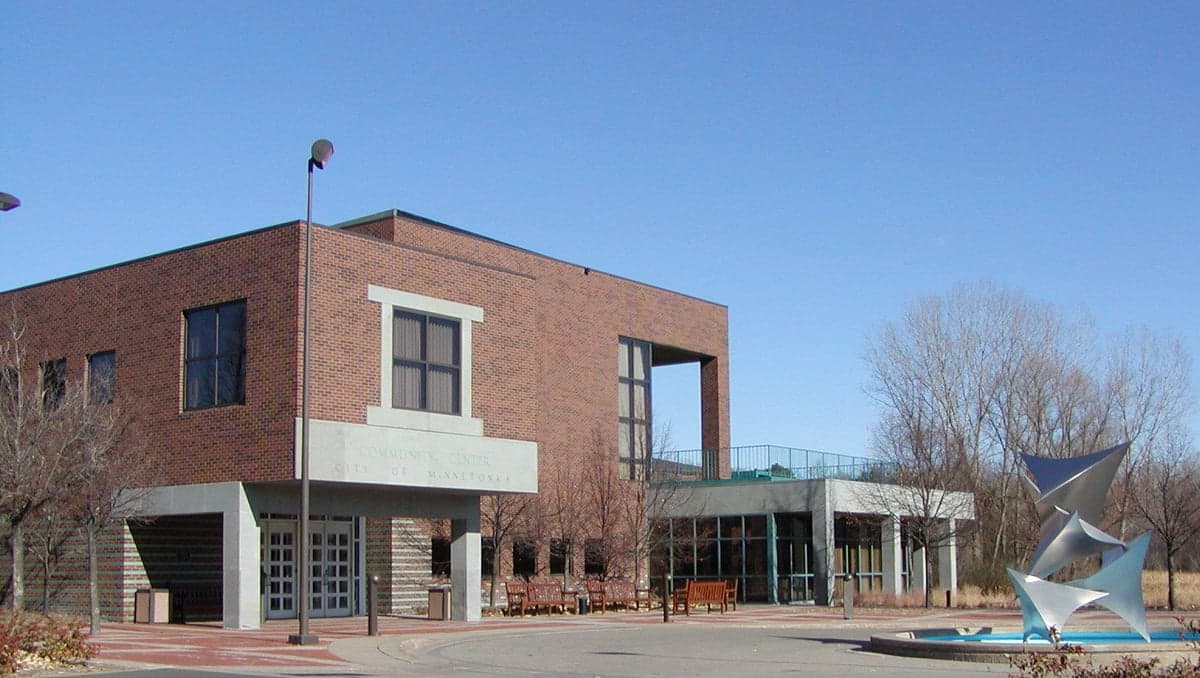
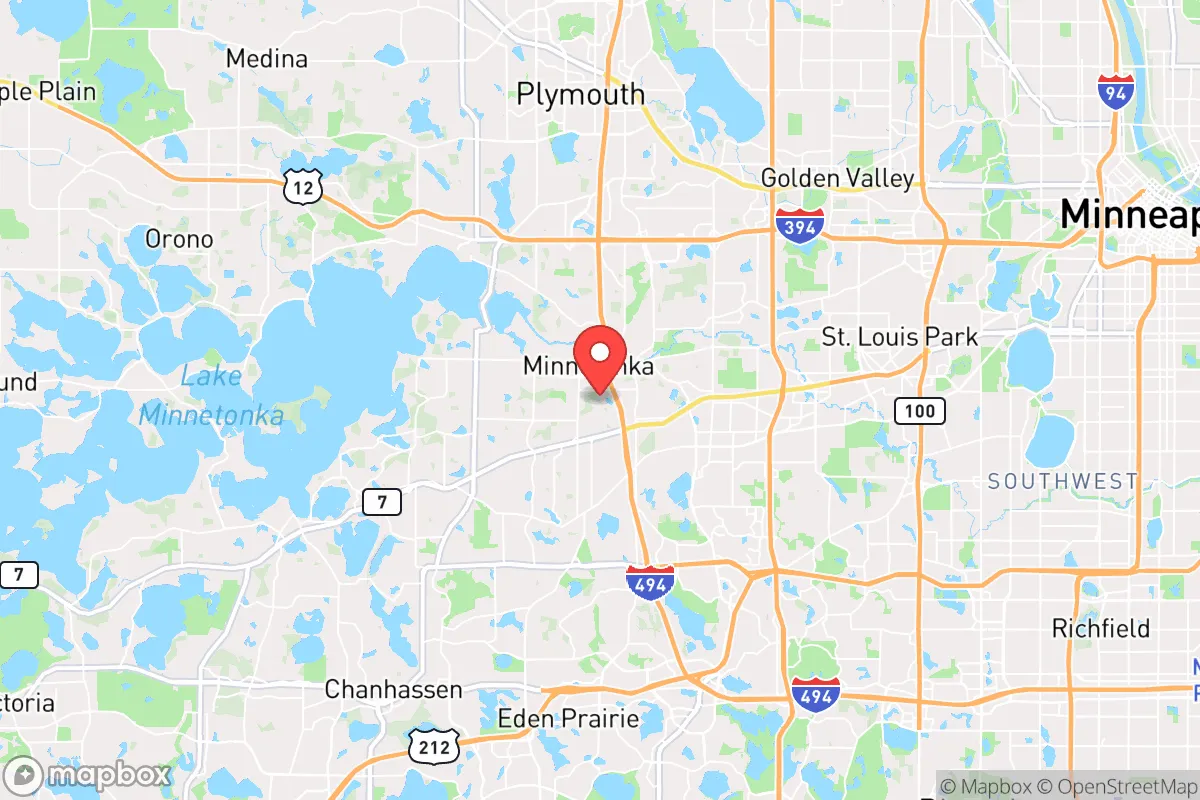
Photo: Wikipedia
Demographics of Minnetonka, MN
Affluence Level in Minnetonka, MN
An upper-middle-class area. Household wealth, education levels, and homeownership run ahead of national benchmarks.
People of Minnetonka, MN
Today, Minnetonka, Minnesota is a mature, affluent western suburb of Minneapolis with 53,256 residents, characterized by a highly educated population—63.3% hold a college degree—and a predominantly white demographic base at 80.8%. The city’s identity is shaped by its legacy as a post-war bedroom community that has evolved into a self-contained employment hub, with a notably low foreign-born share of 4.9% compared to the Twin Cities metro average. Residents are concentrated in distinct neighborhoods ranging from the historic lakefront enclaves of the 1910s to the master-planned subdivisions of the 1970s, creating a patchwork of older estates and newer family-oriented developments. For a conservative-leaning audience, Minnetonka represents a stable, low-crime, high-opportunity environment where property values and school performance remain consistently strong.
How the city was settled and grew
Minnetonka’s population history begins not with colonial settlement but with the Dakota people, who used the area’s lakes for fishing and wild rice harvesting before European-American land cessions in the 1850s. The first permanent white settlers arrived in the 1850s as farmers and millers, drawn by the water power of Minnehaha Creek and the fertile soil around Lake Minnetonka. The village of Deephaven, incorporated in 1900 along the lake’s southern shore, became an early summer retreat for wealthy Minneapolis families, while the inland farming community of Glen Lake grew around the railroad stop established in the 1880s. The city’s population remained sparse—under 1,000 residents—until the post-World War II era, when the construction of Interstate 394 and Highway 12 transformed Minnetonka from a rural township into a commuter suburb. The 1950s and 1960s saw explosive growth as families moved into new subdivisions like Birch Bluff and Williston, drawn by affordable ranch homes and the opening of the Ridgedale Shopping Center in 1974, which anchored the city’s commercial core. By 1970, the population had surged past 35,000, overwhelmingly white and native-born, with most residents employed in Minneapolis or at the growing number of corporate offices along the I-394 corridor.
Modern era (post-1965)
After the 1965 Hart-Cellar Act, Minnetonka saw only modest immigration compared to the metro’s first-ring suburbs. The foreign-born population today stands at just 4.9%, far below the state average of 8.6%, and the city has remained predominantly white through the 2000s. The most notable demographic shift since 1990 has been the growth of the Indian-subcontinent population, now at 4.0% of residents—a share that exceeds the Asian (East/Southeast Asian) group at 2.7%. These Indian families have concentrated in the newer, higher-density neighborhoods near the Ridgedale area and along Highway 7, drawn by proximity to tech and medical employers like UnitedHealth Group and Cargill, both headquartered nearby. The Hispanic population, at 4.1%, and Black population, at 3.8%, have grown slowly but remain dispersed across the city, with no single ethnic enclave forming. The older lakefront neighborhoods of Deephaven and Glen Lake have retained their historic character, while the southwestern quadrant around Lake Minnewashta has seen infill development of custom homes, attracting affluent families from across the metro. The city’s school district, Minnetonka Public Schools, has been a major draw for domestic in-migration from other parts of Minnesota and the Midwest, particularly among college-educated parents seeking high test scores and low crime rates.
The future
Minnetonka’s population is projected to remain stable or grow slowly, with the city nearing build-out and limited undeveloped land. The Indian-subcontinent community is likely to continue growing as tech and healthcare employment expands along the I-394 corridor, but the overall foreign-born share is expected to stay below 10% due to high housing costs—median home values exceed $450,000—and zoning that favors single-family homes. The white population, while still dominant, is aging; the median age is 40.2, and younger families are increasingly priced out of the Ridgedale and Birch Bluff areas, pushing them toward neighboring communities like Chanhassen and Eden Prairie. The city is not tribalizing into distinct ethnic enclaves but rather homogenizing by income, with the wealthiest residents concentrated around the lakes and younger professionals in the townhome developments near the commercial corridors. For a conservative-leaning mover, Minnetonka offers a stable, low-turnover environment where property values have historically appreciated steadily and the school system remains a top performer, but the high cost of entry and limited rental stock mean it is best suited for buyers with established careers and families.
Bottom line: Minnetonka is becoming an increasingly exclusive, high-education suburb where demographic change is slow and driven primarily by domestic migration of affluent families, not international immigration. For someone moving in now, the city offers predictability, strong schools, and low crime, but at a premium price that filters out most renters and younger singles. The population is likely to remain overwhelmingly white and native-born for the foreseeable future, with the Indian-subcontinent community as the only non-white group showing sustained growth.

* Values derived from national, state, county, city and local statistics and may differ in a specific area. Last updated: 2026-04-24T15:28:06.000Z
Narrative content on this page is AI-generated and may contain mistakes. Verify any details that matter before acting on them.
ReloMaps may earn a commission from affiliate links at no extra cost to you.

