 Popular
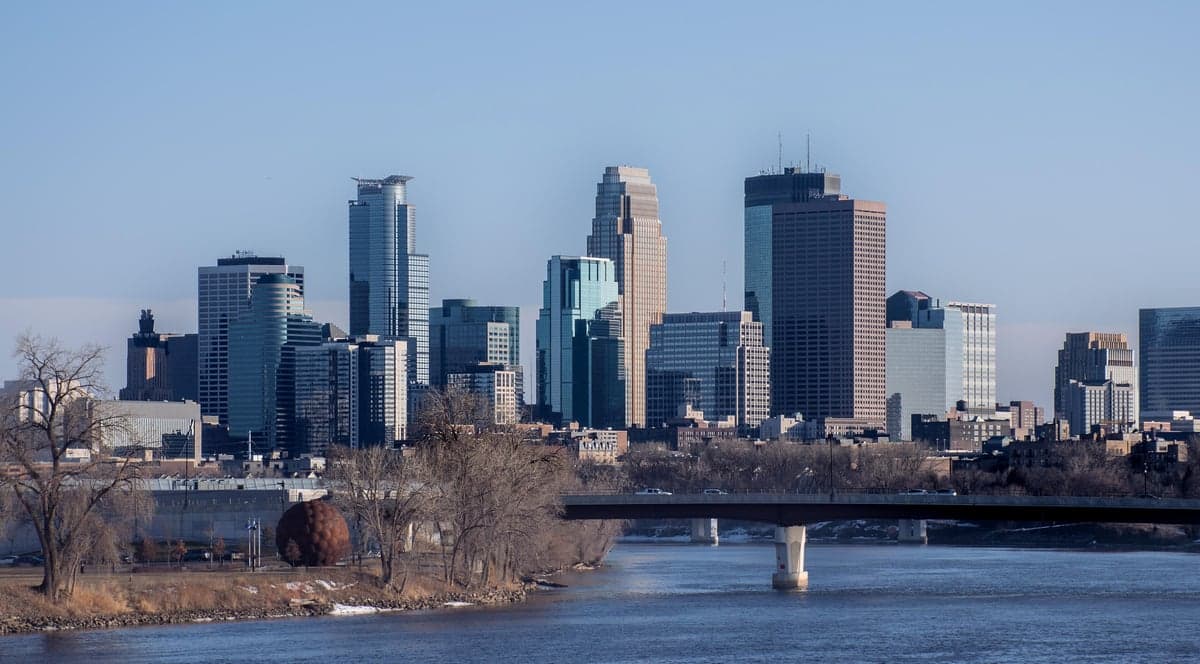
Photo: Wikipedia
Find The Best Places To Live
in Minneapolis
PRO TIP! You can paste a Zillow or Redfin link to get info on that property.
What It's Like Living in Minneapolis, MN
Minneapolis has a reputation for being a bit of a paradox — a big city with a small-town feel, where you’ll find world-class theater and a lake just a few blocks from your front door. It’s a place where people are friendly but not necessarily warm, where the winters are brutal but the summers are absolutely glorious, and where the local sports teams inspire a loyalty that borders on religious fervor. Living here means embracing the extremes, from the deep freeze of January to the endless daylight of June, and finding a community that’s as resilient as it is progressive.
The Daily Rhythm: Lakes, Bikes, and the Great Indoors
Daily life in Minneapolis is heavily shaped by the seasons. From May through October, the city comes alive. People flock to the Chain of Lakes — Lake Harriet, Lake Calhoun (officially Bde Maka Ska), and Lake of the Isles — for running, biking, and kayaking. The Grand Rounds National Scenic Byway is a 50-mile loop of parks and trails that many residents use for their daily commute or weekend recreation. The average commute is a manageable 22 minutes, which means you can actually live in the city and get to work without a soul-crushing drive. During the winter, the same lakes become skating rinks, and the city’s extensive skyway system — a network of enclosed, heated pedestrian bridges connecting downtown buildings — becomes a second home for office workers and shoppers.
Grocery shopping is a mix of local co-ops like the Wedge and larger chains like Lunds & Byerlys. The Mill City Farmers Market is a Saturday morning staple, drawing everyone from young families to retirees. For a night out, you’ll find everything from upscale dining at Spoon and Stable to dive bars like the CC Club, a legendary spot that feels frozen in the 1970s. The city’s median age is 33, and the median household income is $80,269, which supports a vibrant food scene and a strong coffee culture — you’re never far from a good latte.
Sports, Festivals, and the Music Scene
Sports are a major part of the city’s identity. The Minnesota Vikings (NFL), Minnesota Twins (MLB), Minnesota Timberwolves (NBA), and Minnesota Wild (NHL) all call Minneapolis home. Game days at U.S. Bank Stadium or Target Field are events, and you’ll see purple Vikings jerseys everywhere from October to January. College sports are also big, with the University of Minnesota Golden Gophers drawing crowds for football and hockey. High school sports, particularly hockey, are a community cornerstone — the state tournament at the Xcel Energy Center in St. Paul is a rite of passage for many families.
Beyond sports, the city is a cultural hub. The Minneapolis Institute of Art is free and world-class. The Walker Art Center and its adjacent Minneapolis Sculpture Garden (home to the iconic Spoonbridge and Cherry) are must-sees. Music venues like First Avenue, where Prince famously played, host everything from indie rock to hip-hop. Festivals are a big deal: the Minnesota State Fair (just a few miles away) is a two-week food-and-agriculture extravaganza, while the Uptown Art Fair and Aquatennial (with its milk-carton boat races) fill the summer calendar.
The Honest Pros and Cons of Living Here
What residents love: The natural beauty is hard to beat. With over 20 lakes and 180 parks within city limits, you’re never far from a trail or a body of water. The cost of living, while above the national average (index of 118), is still reasonable compared to coastal cities. The median home value of $345,600 means you can buy a decent house in a walkable neighborhood like Northeast or Kingfield without needing a tech CEO’s salary. The education level is high — 54.5% of adults have a college degree — which fuels a culture of intellectual curiosity and civic engagement.
What frustrates them: The winters are long and dark. From November to March, you’re dealing with snow, ice, and single-digit temperatures. Seasonal Affective Disorder is a real concern. The violent crime rate is 1,000.6 per 100,000 residents, which is significantly higher than the national average and a genuine concern for anyone considering a move. While crime is concentrated in certain areas, it’s something you have to be aware of. Traffic is generally manageable, but the construction season (May to October) can turn a 20-minute drive into a 45-minute crawl. And while the city is progressive, some conservative-leaning residents find the political climate and high taxes (state income tax up to 9.85%) a point of friction.
Who Fits In — and Who Might Not
Minneapolis is a great fit for someone who values outdoor activity, cultural amenities, and a strong sense of community. It’s a city of “Minnesota Nice” — people are polite and helpful, but it can take years to break into established social circles. If you’re a single professional in your 20s or 30s, neighborhoods like Uptown or North Loop offer a lively social scene. For families, Southwest Minneapolis (around Lake Harriet) or Linden Hills are popular for their excellent public schools and family-friendly parks. The city’s median age of 33 skews younger, but there’s a strong contingent of empty-nesters and retirees who appreciate the cultural offerings.
If you’re a conservative-leaning individual, you’ll find pockets of like-minded people, particularly in the outer suburbs, but the city itself is overwhelmingly liberal. The schools are generally good, but the district has faced challenges with funding and integration. The practical reality is that you’ll need a good winter coat, a shovel, and a willingness to embrace the cold. But if you can handle the weather, you’ll find a city that punches well above its weight in terms of quality of life, with a unique blend of Midwestern practicality and urban sophistication.

Similar mid-size cities to Minneapolis

* Values derived from national, state, county, city and local statistics and may differ in a specific area. Last updated: 2026-04-29T21:30:58.000Z
Narrative content on this page is AI-generated and may contain mistakes. Verify any details that matter before acting on them.
ReloMaps may earn a commission from affiliate links at no extra cost to you.

