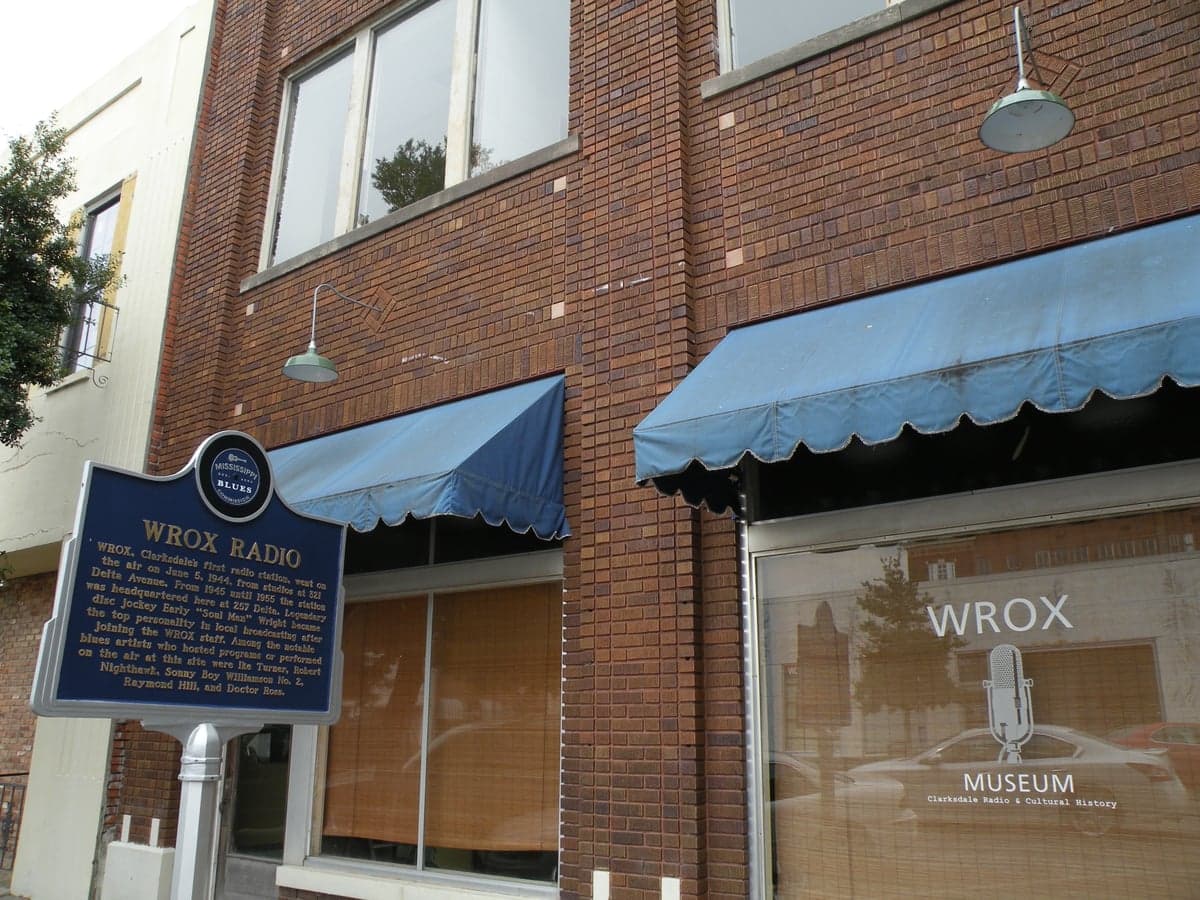
Photo: Wikipedia
Quality of Life in Coahoma County
A livable area that tracks near national norms for affordability, walkability, and neighborhood health.
What does Quality of Life tell us?
Quality of Life measures an area by evaluating factors like cost of living, nearby amenities, country club access, airport proximity, socioeconomic signals and neighborhood character. For large states, this is a general average — quality of life can vary dramatically between metro areas, suburbs, and rural communities within the same state.
What does this tell us?
Quality of Life measures an area by evaluating factors like cost of living, nearby amenities, country club access, airport proximity, socioeconomic signals and neighborhood character. For large states, this is a general average — quality of life can vary dramatically between metro areas, suburbs, and rural communities within the same state.
Cost of Living
51% below national average
125%
The Real Cost of Living in Coahoma County for 2026
| Tier | Individual | Family (4) |
|---|---|---|
| Survival | $11k | $22k |
| Comfortable | $20k | $29k |
| Luxury | $66k+ | $102k+ |
| Elite (Top 5%) | $97k+ | $150k+ |
Quality-of-Life Analysis
Coahoma County, Mississippi, offers a quality-of-life spectrum that spans from the historic Delta hub of Clarksdale to unincorporated agricultural communities, drawing residents who value deep cultural roots, low living costs, and a slower pace. The county's character shifts noticeably between its largest town, smaller settlements, and open countryside, with each segment attracting different priorities — from artists and musicians drawn to Clarksdale's blues heritage to families and retirees seeking affordable acreage in the rural stretches. With a cost-of-living index of 49 (half the U.S. average), a median home value of $86,400, and a median rent of $719, the financial equation is a primary driver for most newcomers.
Largest town(s) & population centers
Clarksdale is the county seat and by far the largest population center, home to roughly 14,000 residents and the epicenter of commerce, culture, and services in Coahoma County. Daily life here revolves around the historic downtown, anchored by the Delta Blues Museum and the Ground Zero Blues Club, which draw tourists and support a small but active arts scene. Residents walk to local coffee shops, attend festivals like the Juke Joint Festival, and rely on a modest but functional set of amenities — a regional hospital (Northwest Mississippi Regional Medical Center), a Walmart Supercenter, and a handful of grocery stores. Commuting patterns are short, with the average commute across the county clocking in at just over 20 minutes, meaning most Clarksdale workers can reach their jobs in town or at nearby employers like the Coahoma County School District or local manufacturing plants within a 10-15 minute drive. Housing stock here is older and often in need of renovation, but prices are extremely low: a three-bedroom home near downtown can sell for $60,000-$90,000, and rentals under $800/month are common.
Smaller towns & rural pockets
Outside Clarksdale, the county's smaller communities offer a distinctly quieter, more agrarian lifestyle. Lyon, just south of Clarksdale, is a small town of about 350 people that feels like a bedroom community, with most residents commuting into Clarksdale for work or shopping. Friars Point, a historic river town on the Mississippi River levee, has a population under 1,000 and offers a handful of river-view properties and a deeply quiet atmosphere — but lacks a grocery store or gas station, so a car is essential. Jonestown and Lula are unincorporated communities with populations under 1,500 each, where daily life centers on church, family, and small-scale farming. These areas have no major employers; residents typically commute to Clarksdale or to jobs in the agricultural sector (cotton, soybean, and catfish farming). The rural pockets along Highway 49 and Highway 61 are dotted with old farmhouses on large lots, often selling for under $50,000, but with limited access to healthcare, dining, or entertainment.
Cost & lifestyle range
The cost-of-living spread across Coahoma County is narrow in absolute dollars but wide in lifestyle trade-offs. At the low-cost end, rural properties in Friars Point or Jonestown can be purchased for $30,000-$50,000, with property taxes often under $500 annually — but residents must drive 15-25 minutes for a full-service grocery store or pharmacy. At the higher end, Clarksdale's historic district offers renovated shotgun houses and bungalows priced between $100,000 and $150,000, still far below national medians, with the benefit of walkable access to restaurants, the library, and medical offices. Rent follows a similar pattern: a one-bedroom apartment in Clarksdale averages $600-$750, while a rural rental might be $450-$550 but with fewer amenities and longer drives. The trade-off is clear: Clarksdale provides convenience and cultural activity for a slightly higher cost, while the smaller towns and rural areas maximize affordability and privacy at the expense of services. For example, a family on a tight budget might buy a 3-bedroom home in Lyon for $70,000 and commute 10 minutes to Clarksdale for work, while a retiree seeking solitude might choose a riverfront lot in Friars Point for $40,000 and accept a 20-minute drive for groceries.
Who thrives in Coahoma County? The county best suits those who prioritize extreme affordability and cultural authenticity over urban amenities and career diversity. Artists, musicians, and history buffs will find Clarksdale's blues legacy and low rents a compelling draw. Remote workers and retirees on fixed incomes can stretch their dollars significantly, especially in the rural communities. Families with school-age children should note that the county's public schools face challenges (the district is rated below state averages), though private and homeschool options exist. Commuters who work in Clarksdale or in neighboring counties (like Tunica or DeSoto) will appreciate the short drive times. Those who need frequent access to major retail, specialized healthcare, or a vibrant nightlife beyond blues clubs will likely find the county too limited — but for the right person, Coahoma County offers a rare combination of low cost and deep Delta character.

Crime in Coahoma County
Generally safer than 61% of comparable U.S. locations.
Violent CrimeViolent Crime Analysis
Property CrimeProperty Crime Analysis
Crime Analysis
Coahoma County, Mississippi, presents a mixed safety picture that demands careful attention from potential residents. The county's violent crime rate of 187.1 per 100,000 residents is notably lower than the national average, but its property crime rate of 1,066.4 per 100,000 significantly exceeds both state and national benchmarks, creating a landscape where property-related risks are a primary concern. The county seat of Clarksdale, along with smaller communities like Lyon and Friars Point, experience the bulk of reported incidents, while more rural areas and the outskirts of Clarksdale itself tend to see lower crime density.
Crime in context
When placed against broader benchmarks, Coahoma County's violent crime rate of 187.1 per 100,000 is roughly half the national average of 380 per 100,000 and below Mississippi's state rate of approximately 240 per 100,000. This is a meaningful distinction: the county is not a high-violence area by national or state standards. However, the property crime rate of 1,066.4 per 100,000 is about 30% higher than the national average of 820 per 100,000 and significantly above Mississippi's state average of roughly 900 per 100,000. This disparity means that while violent confrontations are less common, residents face elevated risks of burglary, theft, and motor vehicle theft. The county's judicial system, operating under the 11th Circuit Court District, has seen progressive-leaning district attorneys in recent years who have emphasized alternatives to incarceration. This ideological approach, while well-intentioned, has contributed to a revolving-door effect for property offenders, with many repeat offenders cycling through the system without meaningful consequences. This directly undermines public safety and victim justice, as criminals are returned to the streets more quickly than in jurisdictions with tougher sentencing practices.
What residents experience
For those living in Coahoma County, daily safety concerns are heavily shaped by location. Clarksdale, the county's largest city and economic hub, accounts for the majority of reported property crimes, particularly in its downtown and older residential neighborhoods. The city's historic district, while culturally vibrant, sees higher rates of vehicle break-ins and theft from porches and yards. In contrast, the unincorporated areas around Lula and Jonestown report far fewer incidents, though residents there face longer emergency response times due to sparse population. Friars Point, a small river town, has experienced a recent uptick in burglaries targeting vacant properties, a trend linked to regional drug activity. Residents in Clarksdale often describe a need for vigilance: locking vehicles, securing outbuildings, and avoiding certain blocks after dark. The county sheriff's office, which covers unincorporated areas, maintains a visible patrol presence, but staffing limitations mean response times can exceed 20 minutes in rural zones. The progressive judicial philosophy in the 11th Circuit has also led to reduced plea bargaining for property crimes, meaning fewer cases are prosecuted to conviction, which further erodes deterrence and public confidence in the justice system.
Neighborhood-level variation is pronounced. The wealthier, newer subdivisions on the eastern edge of Clarksdale—near the intersection of Highway 61 and Highway 49—report property crime rates roughly 40% lower than the city's core. Conversely, the area around the old Delta Blues Museum and the Sunflower River corridor sees higher foot traffic and opportunistic theft. For those considering a move, the safest housing options are typically found in rural subdivisions outside of Clarksdale proper, such as those near Marks (just south of the county line) or along the Mississippi River levee roads. These areas offer the lowest crime density, though they require a car for all errands. Overall, Coahoma County is a place where property crime is the dominant risk, and where the local justice system's progressive tilt has made it harder for victims to see meaningful accountability for offenders. Prospective residents should prioritize secure housing and consider neighborhoods with active neighborhood watch programs or homeowners' associations.
* Values derived from national, state, county, city and local statistics and may differ in a specific area. Last updated: 2026-08-19T22:21:12.000Z
Narrative content on this page is AI-generated and may contain mistakes. Verify any details that matter before acting on them.
ReloMaps may earn a commission from affiliate links at no extra cost to you.

