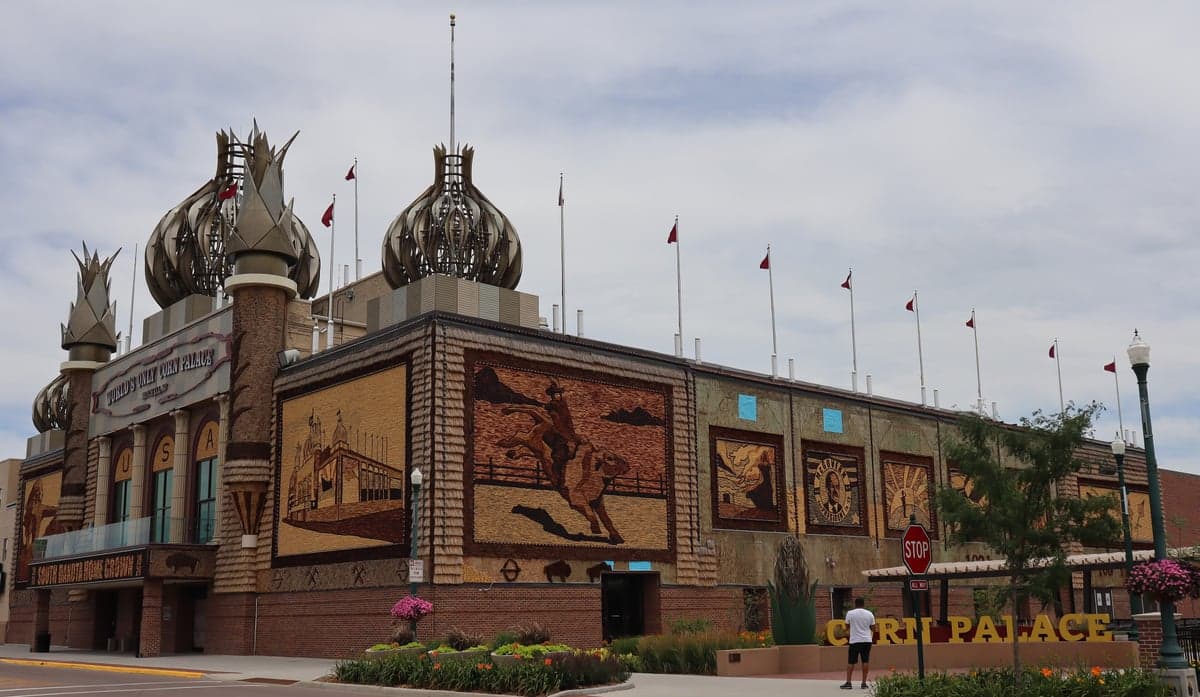
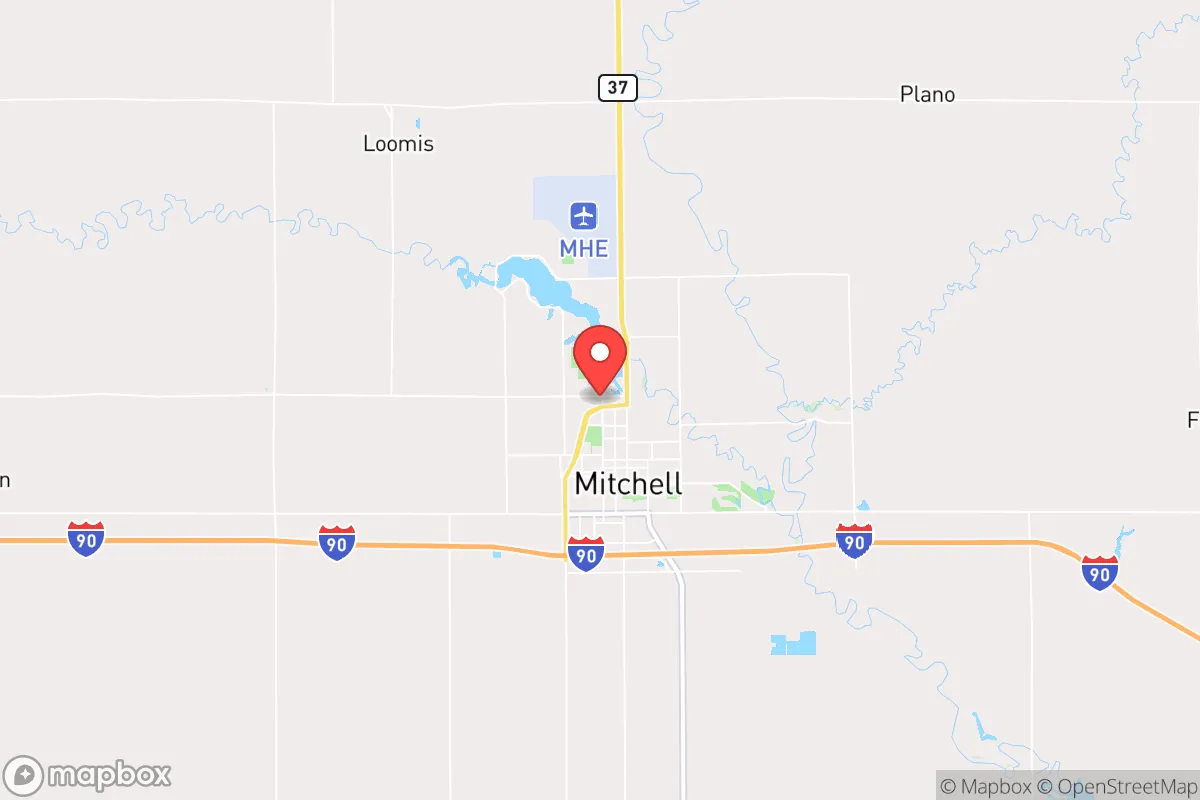
Photo: Wikipedia
Quality of Life in Mitchell, SD
A high quality of life with strong walkability, manageable living costs, healthy neighborhood signals, and solid amenity access.
What does Quality of Life tell us?
Quality of Life blends cost of living, nearby amenities, socioeconomic signals, and neighborhood character. City-level scores represent the whole municipality; individual neighborhoods can differ.
What does this tell us?
Quality of Life blends cost of living, nearby amenities, socioeconomic signals, and neighborhood character. City-level scores represent the whole municipality; individual neighborhoods can differ.
Cost of Living
35% below national average
The Real Cost of Living in Mitchell, SD for 2026
| Tier | Individual | Family (4) |
|---|---|---|
| Survival | $12k | $23k |
| Comfortable | $35k | $52k |
| Luxury | $99k+ | $153k+ |
| Elite (Top 5%) | $116k+ | $180k+ |
108%
The Area Signal
A metric tracking the socioeconomic signals of the area.
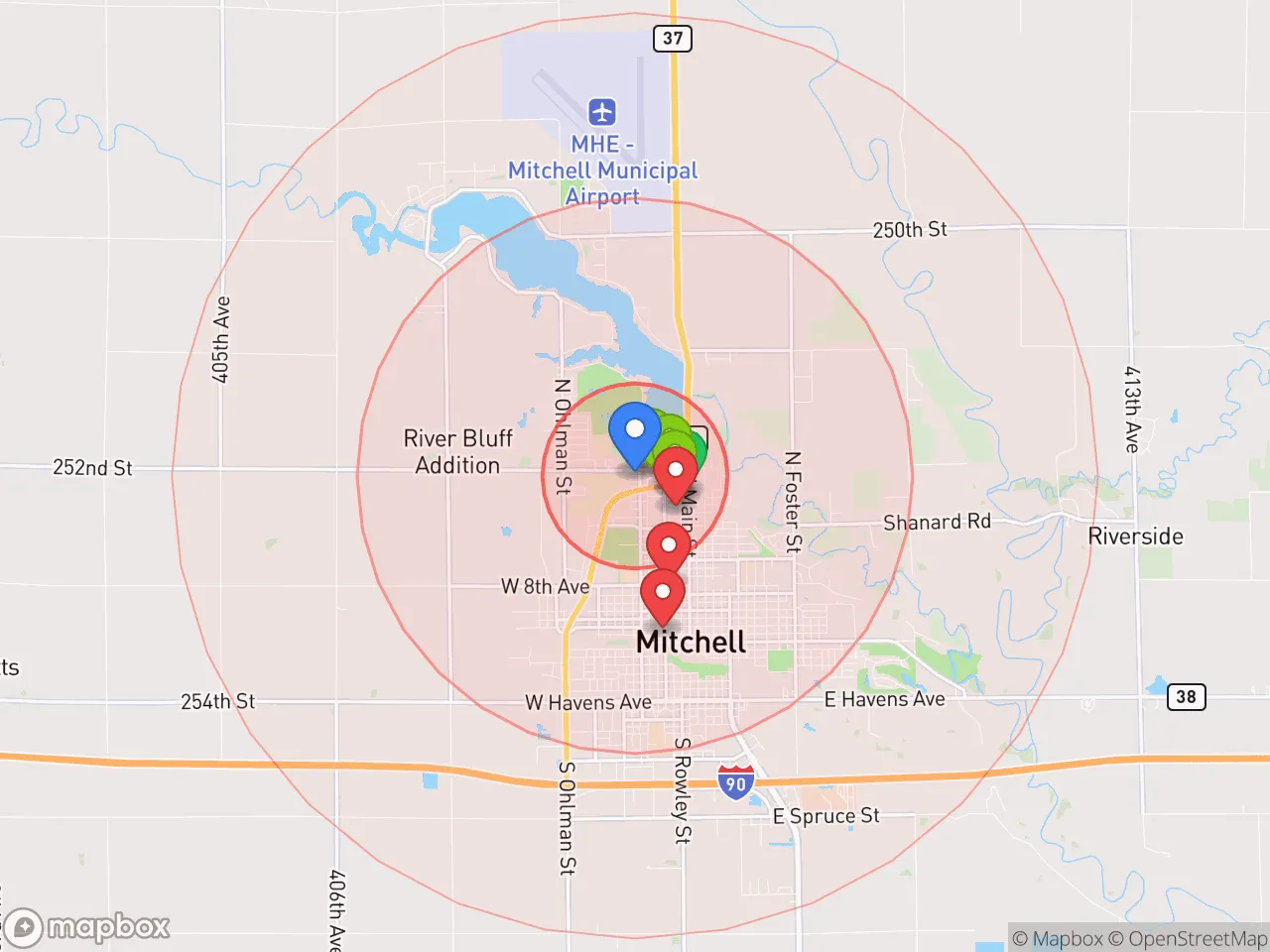
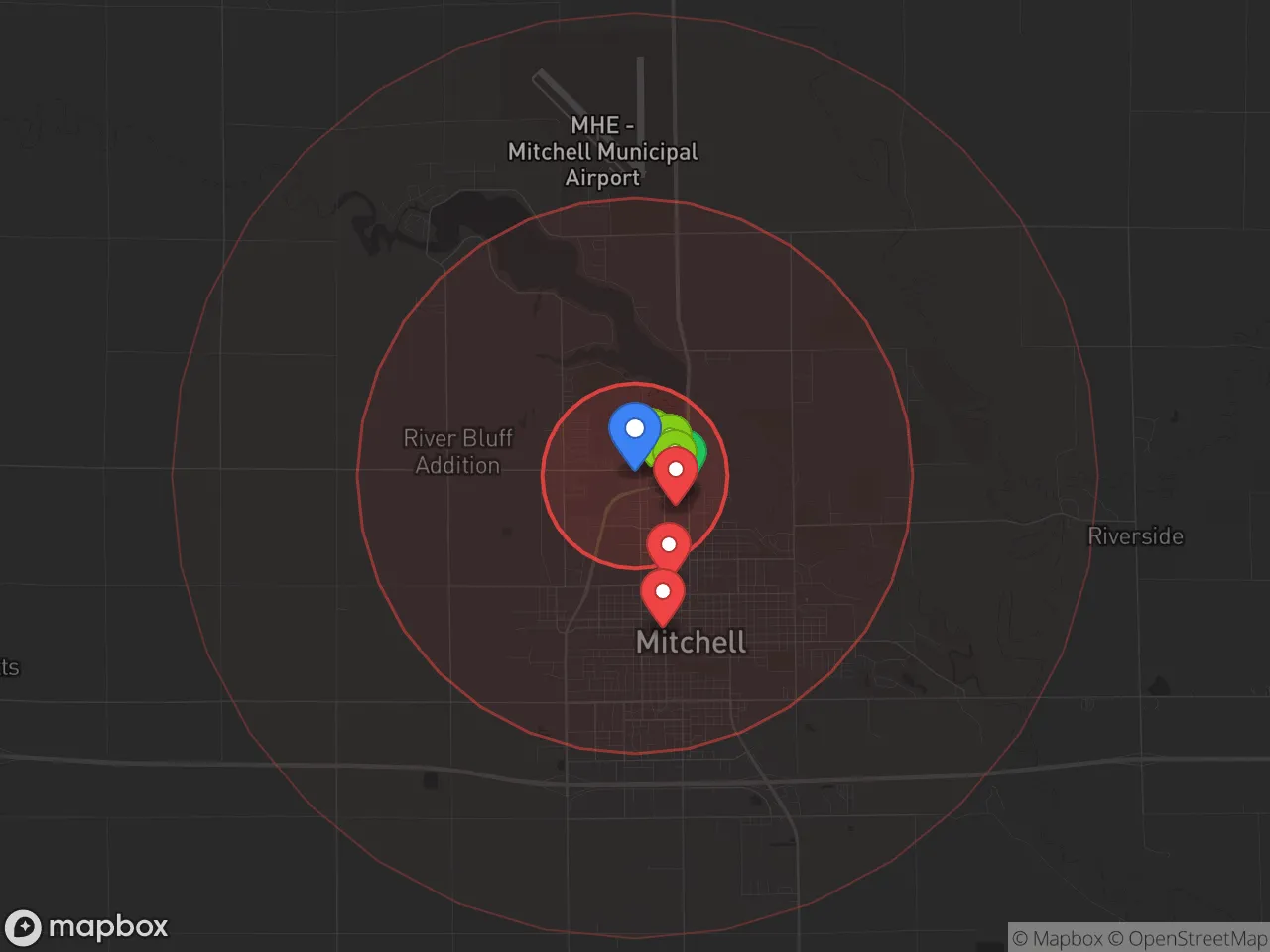
Hobbies
Explore the areaGroceries
1 within 10 miles
Gas
16 within 10 miles
Hospital
1 within 20 miles
Airport
MCI — Kansas City International
Post Office
USPS — Mitchell, SD
Critical Amenities
Quality-of-Life Analysis
Mitchell, South Dakota, offers a quality of life defined by strong community ties and a cost of living that significantly undercuts national averages, attracting a mix of young families, retirees, and workers in healthcare and manufacturing. The city’s median household income of roughly $55,000 aligns with its low expenses, creating a stable, middle-class environment where financial stress is less common than in larger metros. Residents tend to be long-term locals or those drawn by the area’s safety, slower pace, and proximity to outdoor recreation along the James River.
Cost of living, housing affordability, and how Mitchell compares to nearby towns
Mitchell’s cost of living index sits at 65 — a full 35 points below the U.S. average — making it one of the most affordable small cities in the Plains region. The median home value of $182,000 is roughly half the national figure, and with a median rent of just $754, housing consumes a far smaller share of income than in Sioux Falls (where median rent exceeds $1,100). This affordability gap is even starker when compared to Rapid City, where home values average over $350,000. The average commute of 17.6 minutes is notably short, meaning residents save both time and money on transportation. For a household earning the local median income, buying a home here requires about 24% of gross monthly pay — well below the 30% threshold considered burdensome. Property taxes in Davison County run around 1.1% of assessed value, slightly lower than the state average, keeping long-term carrying costs manageable.
What daily life is like: amenities, schools, and local rhythm
Daily life in Mitchell revolves around a compact downtown anchored by the iconic Corn Palace, which hosts concerts, sports events, and a year-round visitor center. The Mitchell School District serves roughly 3,000 students across six schools, with Mitchell High School offering dual-credit courses through Dakota Wesleyan University and a career academy focused on healthcare and trades. For everyday needs, the city has a regional hospital (Avera Queen of Peace), a public library, and multiple grocery options including a Hy-Vee and a Fareway. Recreation centers on Lake Mitchell (fishing, boating, and a 3-mile walking trail) and the Hitchcock Park system, which includes a pool, disc golf, and sports fields. The pace is unhurried: most errands can be done in 15 minutes, and traffic congestion is virtually nonexistent. Dining leans toward family-owned diners and steakhouses, with a handful of breweries and coffee shops providing evening social options. Major retail and entertainment are a 70-mile drive north to Sioux Falls, so residents accept a trade-off between local quiet and access to big-city amenities.
Mitchell is best suited for people who prioritize financial stability, safety, and a close-knit social fabric over urban excitement. Young families benefit from low housing costs and short commutes, while retirees appreciate the walkable downtown and affordable healthcare. Professionals in manufacturing (the city hosts a large Trail King Industries plant) or healthcare will find steady employment without the pressure of a high-cost market. Those who crave nightlife, cultural diversity, or frequent air travel (the nearest commercial airport is in Sioux Falls) may find Mitchell too limited. For anyone seeking a predictable, low-stress lifestyle where a dollar stretches far and neighbors know each other, Mitchell delivers consistently.

Crime in Mitchell, SD
Lower crime rates than 75% of comparable U.S. locations.
Violent CrimeViolent Crime Analysis
Property CrimeProperty Crime Analysis
Crime Analysis
Mitchell, South Dakota, presents a mixed safety profile that is notably safer than many similarly sized Midwestern towns but still warrants caution, particularly regarding property crime. The city’s violent crime rate of 269.1 incidents per 100,000 residents is roughly on par with the national average, while its property crime rate of 1,640.2 per 100,000 significantly exceeds both the state and national benchmarks. This data, drawn from the most recent FBI Uniform Crime Reporting (UCR) statistics, indicates that while serious violent confrontations are relatively uncommon, theft, burglary, and vandalism are persistent concerns for residents and local law enforcement.
Crime in context
When compared to the broader state of South Dakota, Mitchell’s violent crime rate is slightly elevated but not alarmingly so. The state’s average violent crime rate hovers around 240 per 100,000, placing Mitchell just above that line. However, the property crime picture is more stark. South Dakota’s statewide property crime rate is approximately 1,200 per 100,000, meaning Mitchell’s rate is roughly 37% higher. This disparity is driven largely by larceny-theft and motor vehicle theft, which are more concentrated in the city’s commercial corridors and areas with transient populations. It is important to note that Mitchell operates under a traditional, non-progressive prosecutorial philosophy, with local district attorneys and judges generally taking a firm stance on repeat offenders. This contrasts with the approach in many large, liberal-leaning metro areas where progressive justice reforms have been linked to higher recidivism and reduced public safety. In Mitchell, the justice system prioritizes accountability, which helps keep violent crime from escalating further.
What residents experience
For the average resident, the most tangible safety issue is property crime. Vehicle break-ins, theft from unlocked garages, and package theft are the most commonly reported incidents. The city’s police department has responded by increasing patrols in high-traffic retail zones near the Corn Palace and along the I-90 corridor. Violent crime, while present, is rarely random. The majority of reported assaults and robberies occur between individuals who know each other, often in the context of domestic disputes or alcohol-fueled altercations. Mitchell’s overall clearance rate for violent crimes is above the national average, reflecting effective local policing and a cooperative community. Residents generally feel safe walking downtown during the day and in established residential neighborhoods, though caution is advised after dark in areas with lower street lighting and near the city’s limited number of low-income housing complexes.
Neighborhood-level variation is modest but discernible. The western and southern parts of Mitchell, particularly the newer subdivisions near the Lake Mitchell area, report the lowest crime rates. Older, more densely populated blocks near the city center and the railroad tracks see a slightly higher incidence of both property and drug-related offenses. Overall, Mitchell offers a reasonable level of safety for families and individuals who practice standard precautions, and its justice system’s focus on offender accountability provides a structural advantage over jurisdictions with more lenient, progressive policies.
* Values derived from national, state, county, city and local statistics and may differ in a specific area. Last updated: 2026-05-02T05:34:42.000Z
Narrative content on this page is AI-generated and may contain mistakes. Verify any details that matter before acting on them.
ReloMaps may earn a commission from affiliate links at no extra cost to you.

