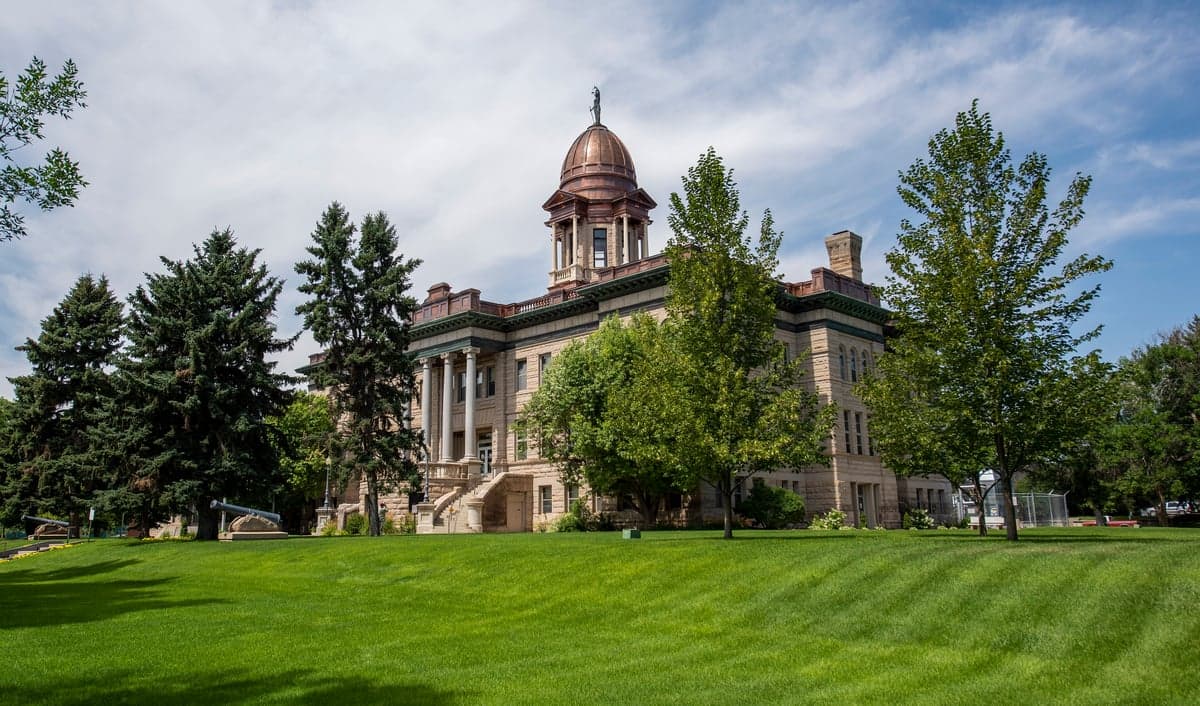
Photo: Wikipedia
Strategic Assessment of Cascade County
Strong survivability profile. Good buffer from population centers, with manageable environmental and tactical risks.
What does the Strategic Assessment tell us?
Our Strategic Assessment grades tactical survivability of an area. Major population centers, military targets, fallout zones, natural disasters, and border exposure all drive risk — lower exposure means a more defensible position in a crisis.
This is heavily inspired by Joel Skousen's Strategic Relocation book. Highly recommended you checkout the book ($)What does this tell us?
Our Strategic Assessment grades tactical survivability of an area. Major population centers, military targets, fallout zones, natural disasters, and border exposure all drive risk — lower exposure means a more defensible position in a crisis.
This is heavily inspired by Joel Skousen's Strategic Relocation book. Highly recommended you checkout the book ($)Strategic Pillars

Key Distances
Strategic Assessment Analysis
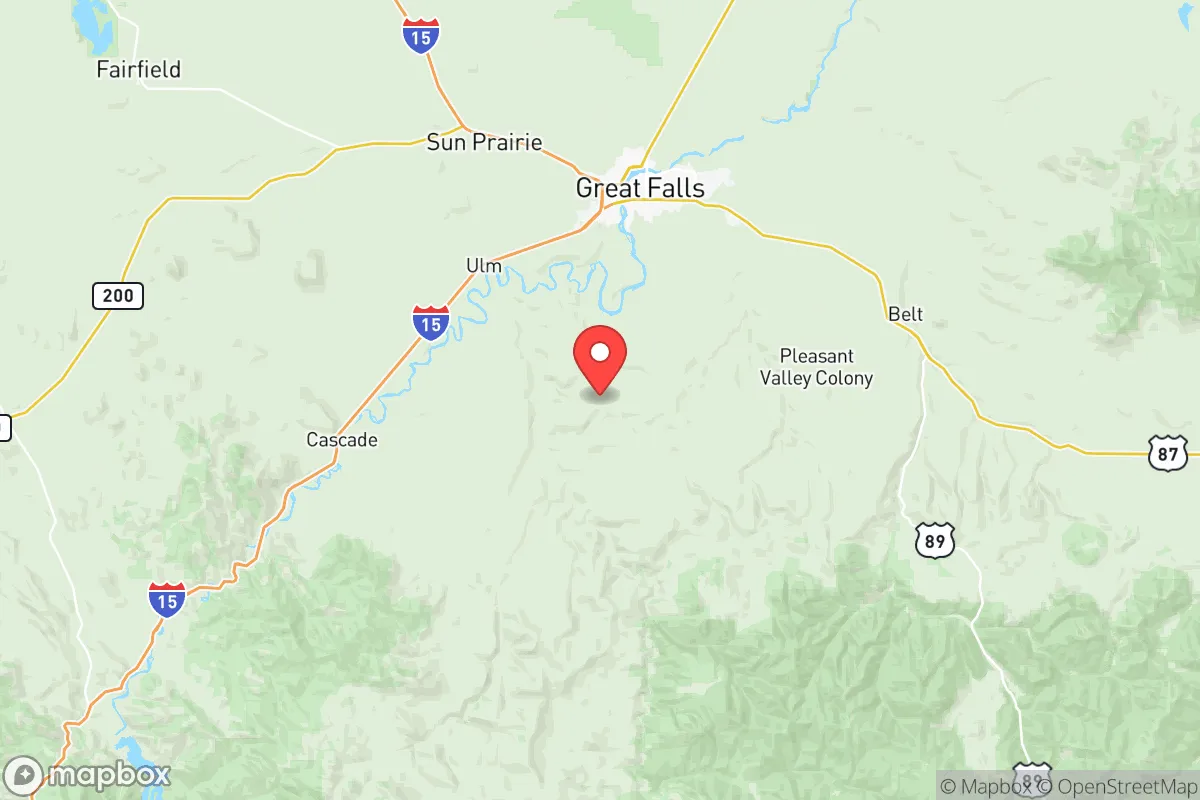
Cascade County, anchored by Great Falls, offers a compelling mix of geographic isolation and logistical connectivity that appeals to relocation-minded readers prioritizing resilience and self-sufficiency. Positioned along the Missouri River and at the crossroads of Interstates 15 and 90, the county provides a buffer from the dense populations and major industrial targets of the West Coast and Front Range, while still maintaining access to regional supply chains via rail and highway. For a family or individual serious about disaster readiness, this area presents a rare balance: far enough from primary fallout zones to reduce immediate risk, yet close enough to essential resources to avoid the pitfalls of total remoteness.
Geographic position and natural advantages for long-term stability
Cascade County sits on the eastern edge of the Rocky Mountain Front, a transition zone where the plains meet the mountains. This geography provides natural defensive depth—the county is shielded from prevailing westerly winds by the Rockies, which can disperse airborne contaminants before they reach the area. The Missouri River runs through Great Falls, offering a reliable surface water source, while the surrounding terrain includes a mix of agricultural bottomlands and elevated benchlands suitable for dispersed settlement. The county’s elevation, averaging around 3,300 feet, keeps summers mild and winters cold but manageable, reducing the risk of extreme heat events that stress power grids and crops. The proximity to the Lewis and Clark National Forest to the west and the Highwood Mountains to the east gives relocators access to public lands for hunting, foraging, and timber, though these areas are not densely populated. The city of Great Falls itself, with roughly 60,000 residents, is the county seat and the largest population center, but the county’s total population of about 84,000 means most of the land remains rural and low-density—a key advantage for those seeking to avoid the congestion and vulnerability of urban corridors.
Risks, exposures, and proximity to fallout-relevant landmarks
No strategic assessment is complete without acknowledging the risks. Cascade County’s most significant exposure is its proximity to Malmstrom Air Force Base, located just east of Great Falls. Malmstrom is a major hub for the U.S. Air Force’s intercontinental ballistic missile (ICBM) force, housing the 341st Missile Wing and maintaining a network of missile silos spread across north-central Montana. In a conflict involving nuclear escalation, this base and its associated infrastructure would be a high-priority target. The fallout risk from a strike on Malmstrom would depend on wind direction and yield, but the county’s position directly adjacent to the base means relocators should factor in a potential evacuation corridor to the west or south. Additionally, the county is within a few hundred miles of the oil refineries in Billings (about 200 miles east) and the rail hub in Havre (about 100 miles north), both of which could be secondary targets or sources of industrial accidents. Natural risks include severe winter storms that can isolate rural areas for days, occasional drought that stresses agriculture, and a low but present seismic risk from the Intermountain Seismic Belt to the west. Flooding along the Missouri River is historically manageable, but heavy snowmelt years can cause localized issues near Great Falls and the town of Fort Benton downstream. On balance, the man-made risks are concentrated and identifiable, while natural hazards are typical for the Northern Rockies—neither is a dealbreaker for a prepared relocator.
Practical resilience for a relocator: food, water, energy, and defensibility
For a family or individual serious about self-sufficiency, Cascade County offers strong fundamentals. Water access is the standout advantage: the Missouri River provides a perennial surface water source, and the county’s aquifer systems, particularly in the alluvial valleys, support well drilling at moderate depths. The city of Great Falls draws its municipal water from the Missouri, but rural properties often rely on private wells, which are generally reliable with proper maintenance. Food production is viable due to the county’s agricultural base—wheat, barley, hay, and cattle operations dominate. The growing season is short (about 100–120 frost-free days), but cold-hardy crops like potatoes, root vegetables, and grains can be cultivated. Local farmers’ markets in Great Falls and the smaller community of Belt provide seasonal produce, and the county’s ranching culture means meat and dairy are available from local producers. For long-term storage, the dry climate reduces spoilage risks. Energy resilience is mixed: the county is served by Northwestern Energy, with a grid that includes hydroelectric power from the Missouri River dams (Ryan Dam and Rainbow Dam near Great Falls). Solar potential is good, with over 200 sunny days per year, though winter days are short. Wood heating is practical given nearby national forests, but relocators should plan for backup power generation, as winter storms can cause outages. Defensibility is a strong point: the county’s low population density and open terrain make it difficult for large-scale threats to approach unnoticed. Rural properties on benchlands or near the Highwood Mountains offer natural chokepoints and long sightlines. The local law enforcement presence is adequate for a rural county, but the Great Falls Police Department and Cascade County Sheriff’s Office are stretched thin in emergencies, so personal security planning is essential. The community culture leans toward self-reliance and neighborly cooperation, which is a practical asset for anyone integrating into the area.
The overall strategic picture for Cascade County is one of calculated trade-offs. Its geographic isolation and natural resources make it a strong candidate for a relocation focused on resilience, particularly for those willing to invest in well water, solar power, and cold-climate agriculture. The proximity to Malmstrom Air Force Base is the single greatest risk, but it is a known and localized hazard—unlike the diffuse vulnerabilities of sprawling metropolitan areas. For a conservative-leaning audience valuing preparedness, self-sufficiency, and a slower pace of life, Cascade County offers a defensible, resource-rich environment that rewards planning and effort. The key is to choose a location within the county that balances access to Great Falls’ amenities (medical care, hardware stores, supply chains) with enough distance from the base to mitigate fallout concerns—areas west of the Missouri River or south of Interstate 90 are generally preferable. With realistic preparation, this area can serve as a long-term haven for those serious about disaster readiness.

* Values derived from national, state, county, city and local statistics and may differ in a specific area. Last updated: 2026-08-25T19:31:15.000Z
Narrative content on this page is AI-generated and may contain mistakes. Verify any details that matter before acting on them.
ReloMaps may earn a commission from affiliate links at no extra cost to you.

