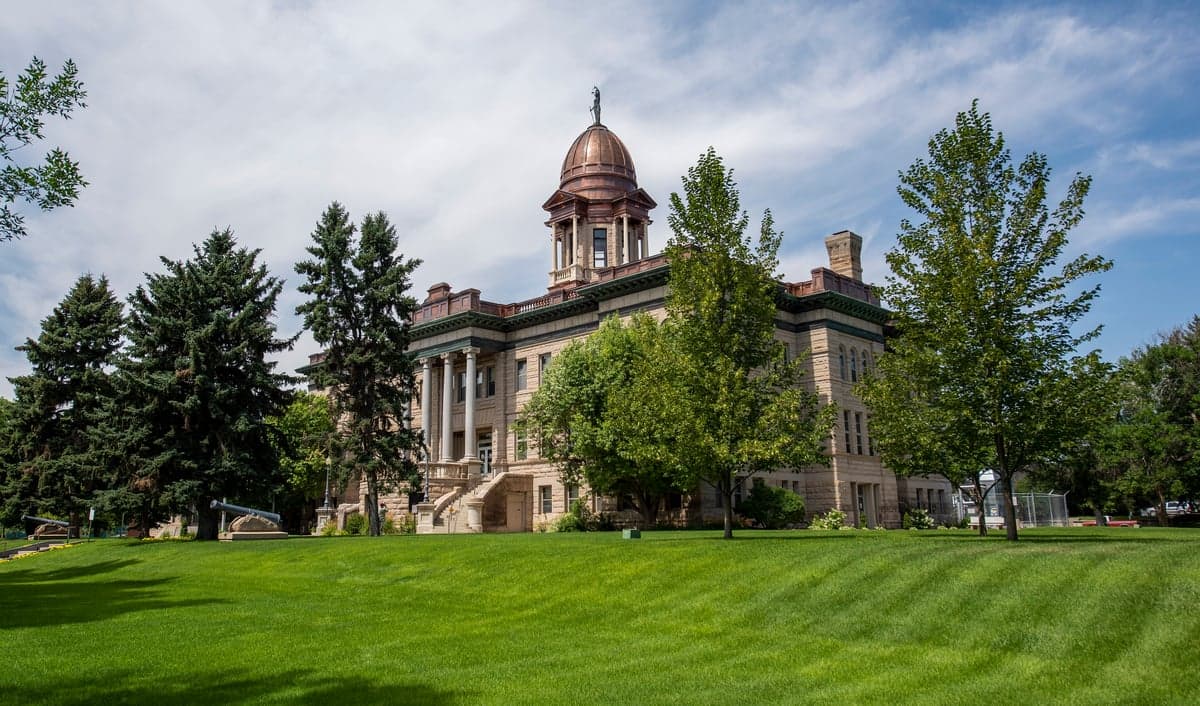
Photo: Wikipedia
Find The Best Places To Live in Cascade County
PRO TIP! You can paste a Zillow or Redfin link to get info on that property.
Best Places to Live in Cascade County
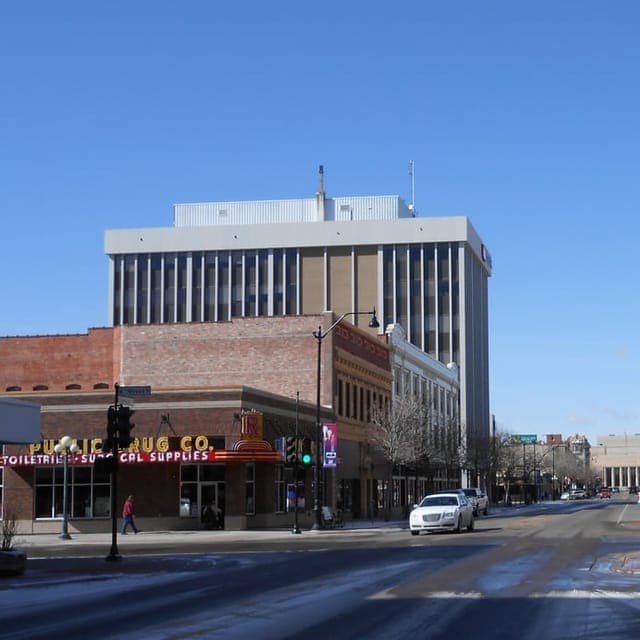
Cities & Towns in Cascade County
Cities in Cascade County
What It's Like Living in Cascade County, MT
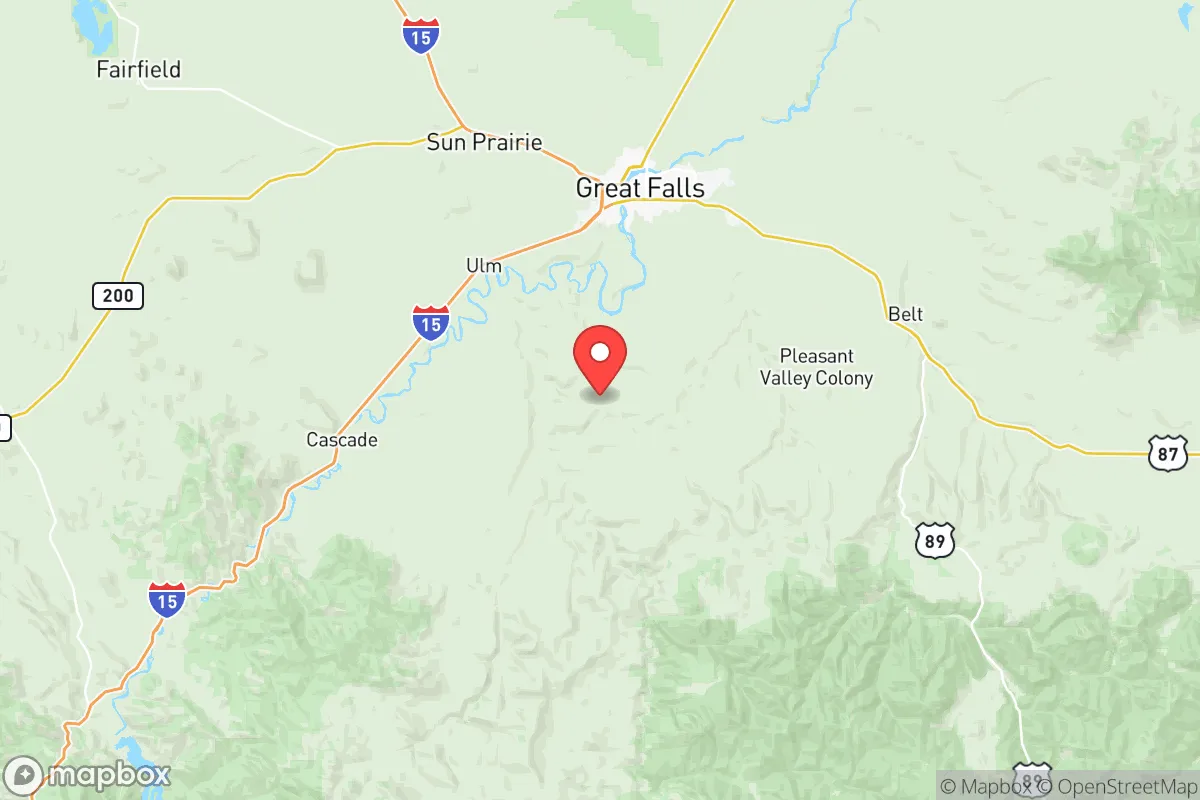
Living in Cascade County, Montana, feels a bit like being part of a well-kept secret that’s slowly getting out. The county is anchored by Great Falls, the largest city, but also includes smaller communities like Belt, Cascade, Ulm, and the rural stretches along the Missouri River. It’s a place where the Rocky Mountain Front meets the high plains, and where the pace of life is deliberate—fast enough to keep things interesting, slow enough that you still know your neighbors. For families and single individuals alike, it offers a blend of outdoor access, a grounded work ethic, and a cost of living that doesn’t require a second mortgage.
The Daily Rhythm: Work, Commute, and Weekend Plans
Most people in Cascade County work in healthcare, education, retail, or the military—Malmstrom Air Force Base is a major employer and cultural anchor in Great Falls. The average commute is just under 17 minutes, which means you can live in a quieter spot like Ulm or Cascade and still be at your desk in Great Falls in under 20 minutes. That short drive is a genuine luxury; you’re not burning an hour of your day in traffic. Weekends often start with a trip to the Farmers Market in Great Falls (running from May through October), followed by an afternoon hike in the Lewis and Clark National Forest or a float down the Missouri River. For dinner, locals gravitate toward places like The Block for a craft beer and a burger, or Borrie’s for a more upscale date night. The vibe is casual—jeans and boots are standard, and nobody blinks if you show up to a nice restaurant in work clothes.
Sports, Community, and the Things That Bring People Together
High school sports are a big deal here, especially football and wrestling. Great Falls High and C.M. Russell High have a long-standing rivalry that fills the stands on Friday nights. For college sports, the University of Providence (Great Falls) draws crowds for basketball, and the Great Falls Voyagers (a minor-league baseball team) offer affordable summer entertainment at Centene Stadium. The county’s biggest annual event is Montana State Fair in Great Falls, which brings rodeo, concerts, and carnival rides every July. Smaller towns like Belt host their own community gatherings—like the Belt Rodeo—that feel like family reunions with livestock. If you’re the type who likes to be part of something, you’ll find it here: volunteer fire departments, church potlucks, and 4-H clubs are the social glue in rural areas.
What’s There to Do: Outdoor Play and Indoor Comforts
The Missouri River runs right through the county, and it’s the centerpiece of outdoor life. Giant Springs State Park in Great Falls is one of the largest freshwater springs in the country, and the adjacent River’s Edge Trail offers over 50 miles of paved paths for biking, running, and walking. In winter, locals head to Showdown Montana (about an hour away) for skiing and snowboarding, or simply ice fish on the river. For indoor entertainment, The Newberry in Great Falls is a historic theater that hosts live music and plays, and the C.M. Russell Museum showcases Western art that resonates with the area’s ranching heritage. A notable quirk: the Sip ‘n Dip Lounge in Great Falls—a tiki bar with mermaids swimming behind the bar—is a beloved oddity that’s been featured on national travel shows. It’s the kind of place you take out-of-town guests to prove your town has personality.
Pros and Cons of Living Here
- Pro: Cost of living. With a cost of living index of 81 (100 is the U.S. average), your money goes further. The median home value is $243,300, which is affordable compared to Bozeman or Missoula. A family can buy a three-bedroom house in Great Falls or a larger property in Cascade without stretching thin.
- Pro: Short commutes and low stress. The 16-minute average commute means more time for family, hobbies, or just relaxing. Traffic jams are rare, and road rage is almost unheard of.
- Con: Limited job diversity. The economy leans heavily on the base, healthcare, and government. If you’re in tech or specialized corporate roles, you may need to work remotely or commute to Billings or Helena.
- Con: Violent crime rate. At 422 per 100,000, it’s higher than the national average. Most incidents are concentrated in specific neighborhoods of Great Falls, but it’s a stat that gives some newcomers pause. Property crime is also a concern—lock your car and don’t leave valuables visible.
- Con: Weather extremes. Winters are cold and windy (the “Great Falls wind” is a real thing), with temperatures often below zero. Summers are hot and dry, with wildfire smoke sometimes drifting in from the west. You need a wardrobe for all four seasons in a single week.
The kind of person who thrives here is someone who values space, self-reliance, and community. You don’t need to be a rancher, but you should be comfortable with a slower pace and a “we take care of our own” attitude. Families appreciate the strong school systems in Great Falls and the smaller class sizes in towns like Ulm and Belt. Single individuals often find that the dating scene is smaller but more intentional—people tend to meet through work, church, or outdoor groups. It’s not a place for nightlife enthusiasts, but if your idea of a good time is a campfire with friends or a high school football game under the lights, Cascade County fits like a well-worn pair of boots.

* Values derived from national, state, county, city and local statistics and may differ in a specific area. Last updated: 2026-08-25T19:31:15.000Z
Narrative content on this page is AI-generated and may contain mistakes. Verify any details that matter before acting on them.
ReloMaps may earn a commission from affiliate links at no extra cost to you.

