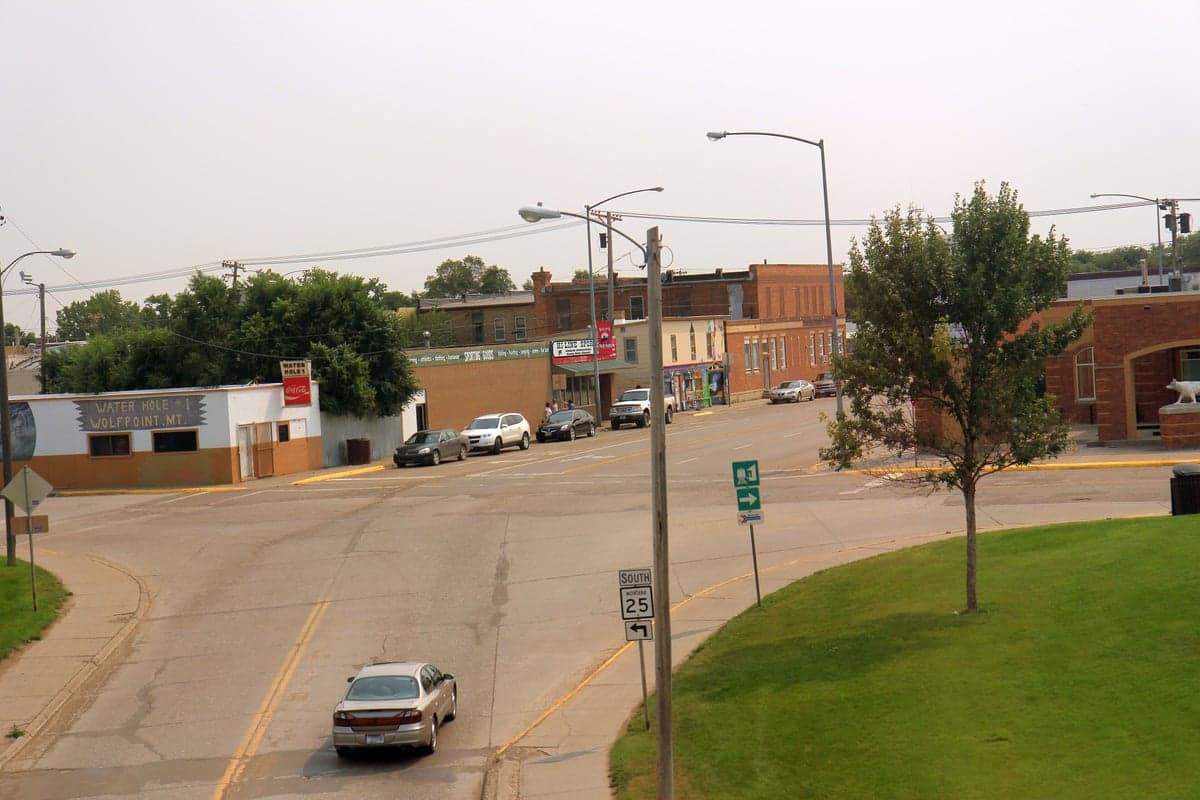
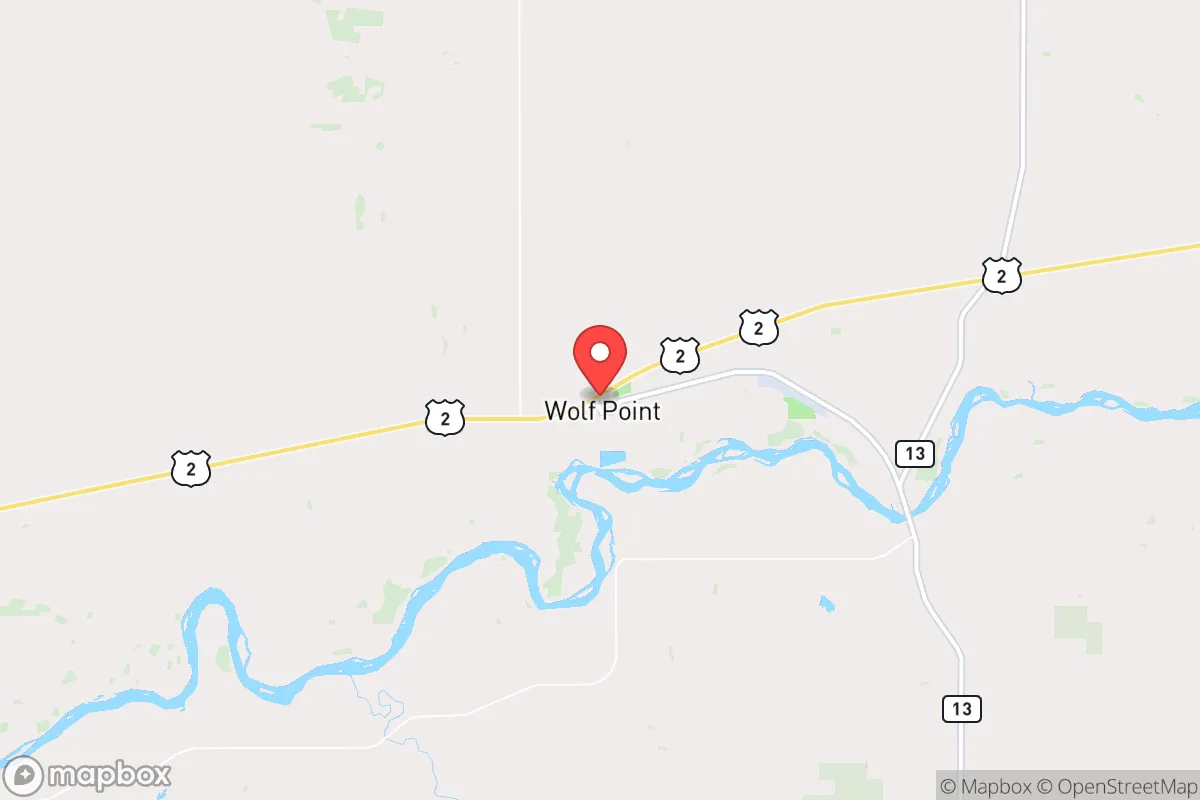
Photo: Wikipedia
Find The Best Places To Live
in Wolf Point
PRO TIP! You can paste a Zillow or Redfin link to get info on that property.
What It's Like Living in Wolf Point, MT
Wolf Point, Montana, feels less like a typical small town and more like a frontier outpost that never quite outgrew its gritty, self-reliant origins. With a population hovering around 2,600, it’s the largest community in a vast, empty stretch of the Hi-Line, and the Missouri River is the real landmark here, not any downtown square. Life moves at a slower, more deliberate pace, shaped by long winters, the rhythms of the nearby Fort Peck Indian Reservation, and a stubborn sense of independence that defines the place.
The Daily Rhythm: Work, Weather, and What People Actually Do
Daily life in Wolf Point is dictated by the seasons and the economy. The biggest employers are the Indian Health Service hospital, the local school district, and a handful of agricultural support businesses. The median household income is $48,750, and with a cost of living index of 55—nearly half the national average—that money goes a lot further than it would in Billings or Bozeman. The average commute is a merciful 19 minutes, meaning most people are home for lunch or can run errands on a break.
Weekends are spent on practical things: hauling trash to the dump, stocking up at the Super Foods grocery store, or driving to Williston or Sidney for a bigger shopping trip. There’s no mall, no chain coffee shop, and no traffic to speak of—just a few stoplights and the occasional train blocking Main Street. The median age is 32, which is younger than the state average, largely because families and younger workers are drawn to the affordable housing. A median home value of $124,600 means a decent house is within reach for a couple with steady jobs, which is a rare thing in Montana these days.
Sports, Community, and the School as the Social Hub
If you want to understand Wolf Point, look at the high school. The Wolf Point Wolves are the center of gravity for the entire community. Friday night football in the fall and basketball in the winter pack the gym with parents, grandparents, and locals who don’t even have kids in school. The rivalry with Poplar and Glasgow is genuine and intense—these games are the biggest social events of the year. There’s no college or pro sports team within two hours, so high school athletics carry real weight here.
The school system itself is a major employer and a point of pride, but it also reflects the area’s challenges. Only 11.7% of adults hold a college degree, which is well below the national average. That’s not necessarily a knock on the town—many people work in trades, agriculture, or the reservation’s tribal government and do just fine without a four-year degree. But it does mean the community leans practical and hands-on, not academic or tech-oriented.
What’s There to Do: Honest Entertainment and Outdoor Life
Entertainment options are limited but genuine. The Wolf Point Moose Lodge and a couple of local bars like the Silver Dollar Saloon are where people gather for a beer and conversation. The Fort Peck Dam, about 30 minutes south, is the big draw for outdoor recreation—fishing, boating, and camping on the reservoir are the main summer activities. The Wolf Point Golf Club is a nine-hole course that gets heavy use during the short summer.
The biggest annual event is the Wild Horse Stampede, a rodeo and fair that draws crowds from across the region every July. It’s a genuine slice of rural Montana culture—rodeo events, a carnival, and a lot of people catching up with neighbors they haven’t seen since last year. For music or nightlife, you’re driving to Glasgow (45 minutes) or Williston (90 minutes) for anything beyond a local cover band. The isolation is real, and it’s either a feature or a bug depending on your personality.
Pros and Cons of Living Here: What Locals Will Tell You
Longtime residents will be the first to tell you the upsides and the frustrations. Here’s what you’ll hear:
- Pro: Affordability. You can buy a house for under $130,000 and live comfortably on a modest income. That’s almost impossible in the rest of Montana.
- Pro: Community closeness. People know each other, and when someone needs help—whether it’s a roof repair or a ride to a doctor’s appointment—neighbors show up.
- Pro: Outdoor access. The Missouri River, Fort Peck Lake, and endless prairie for hunting and hiking are right out your back door.
- Con: Crime and safety concerns. The violent crime rate is 201.1 per 100,000, which is higher than the national average and a real concern for families. Property crime and drug-related issues, particularly methamphetamine, are problems that locals talk about openly.
- Con: Limited amenities. No movie theater, no sit-down chain restaurants, and limited healthcare specialists. For anything beyond basic needs, you’re driving two hours or more.
- Con: Harsh winters. The cold is relentless from November through March, with wind chills that can drop to -40°F. Cabin fever is a real thing.
The kind of person who fits in Wolf Point is someone who values independence, doesn’t mind driving for a nice dinner, and prefers a quiet life over a busy social calendar. It’s a place for people who want to own a home without a mortgage that eats half their paycheck, and who are okay with the trade-offs that come with living in one of the most remote corners of the lower 48. If you need a Target, a movie theater, or a diverse restaurant scene within walking distance, this isn’t your town. But if you want space, affordability, and a community where your name matters, Wolf Point might feel like home.

Similar small towns to Wolf Point
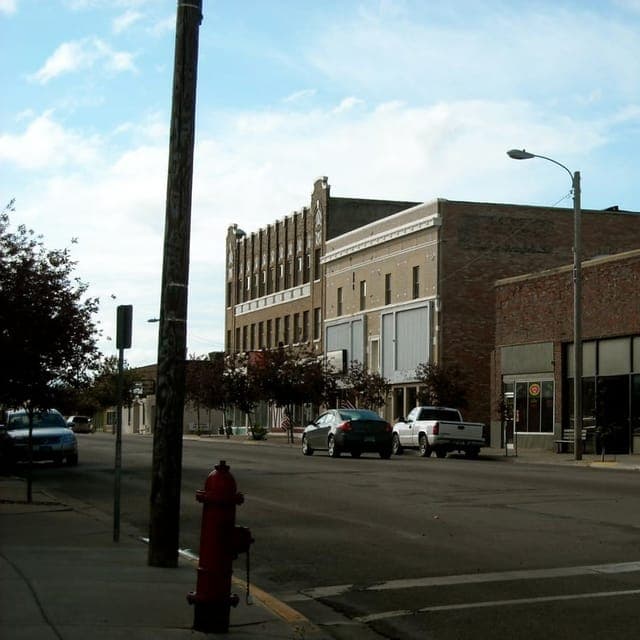
* Values derived from national, state, county, city and local statistics and may differ in a specific area. Last updated: 2026-04-30T00:12:08.000Z
Narrative content on this page is AI-generated and may contain mistakes. Verify any details that matter before acting on them.
ReloMaps may earn a commission from affiliate links at no extra cost to you.

