Photo: Wikipedia
Political ClimatePolitical Climate in Pershing County
Showing district-level results — no local-only data available.
Local Political AnalysisPolitical Analysis of Pershing County
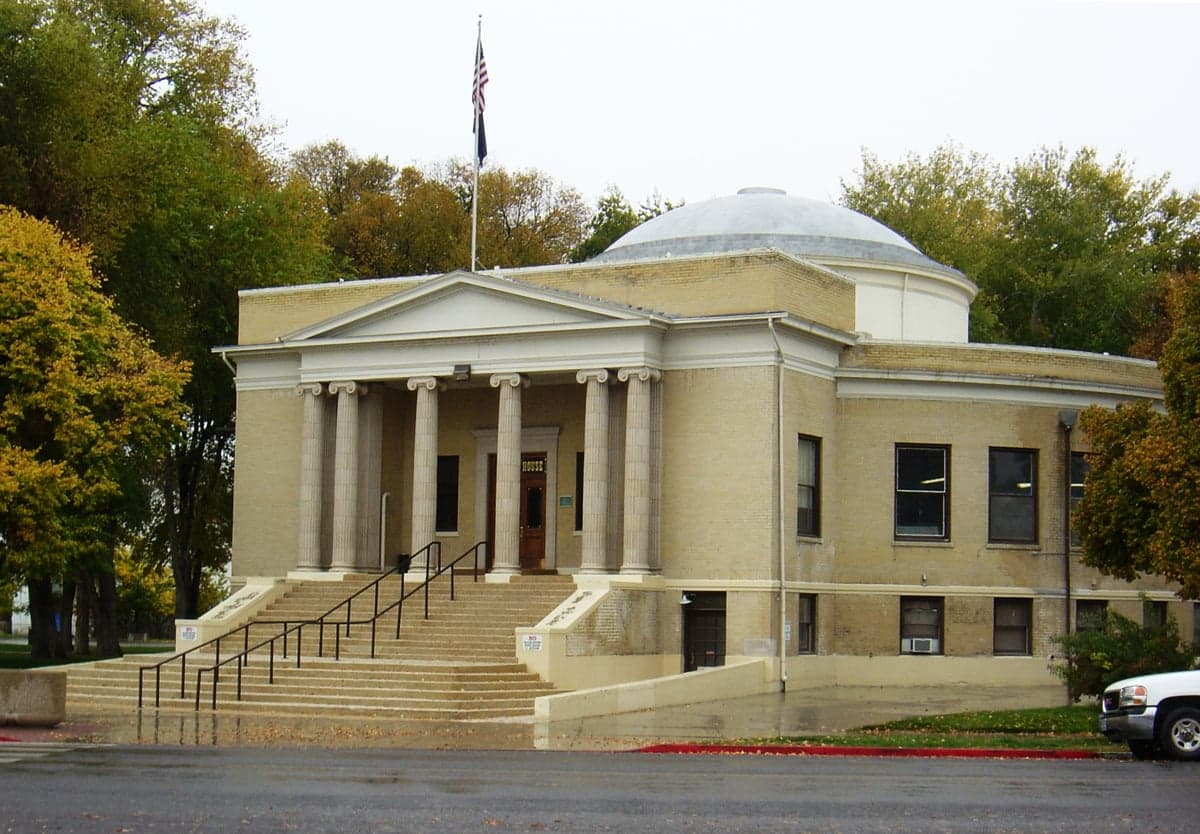
Pershing County, Nevada, has long been a reliably conservative stronghold, and honestly, it still is, but you can feel the winds shifting in ways that make a longtime resident like me a little uneasy. With a Cook PVI of R+7, it’s significantly redder than the state as a whole, which sits at R+1. That gap used to feel wider, but the last few election cycles have shown some cracks, especially as folks from the coast move in and bring their politics with them. The county’s rural, mining-and-ranching backbone still votes solidly Republican, but the margins are tightening in places you wouldn’t expect.
How it compares
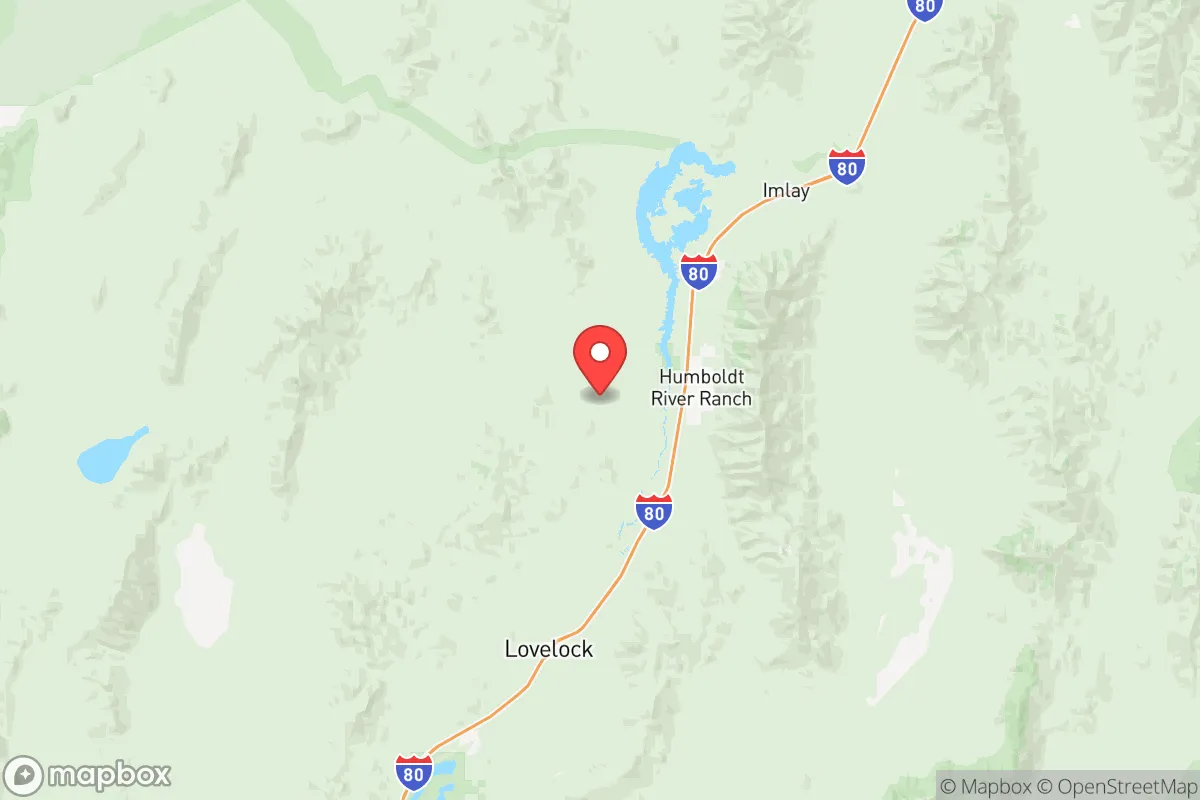
When you stack Pershing County against Nevada as a whole, the difference is stark but narrowing. The state’s R+1 rating reflects the influence of Clark County (Las Vegas) and Washoe County (Reno), which swing blue and dilute the rural red vote. Pershing, by contrast, is a classic rural Nevada county where the Second Amendment, property rights, and low taxes are practically religion. But here’s the thing: the county seat, Lovelock, is where you see the most variation. Lovelock’s downtown precincts still lean red, but the newer subdivisions on the outskirts—places like the area near the Pershing County Community Center—have started trending purple. Meanwhile, tiny towns like Imlay and Mill City remain deep red, with turnout that’s almost entirely Republican. The swing precincts are really in the unincorporated areas along I-80, where transient workers at the local mines and the nearby Thacker Pass lithium project bring a mix of libertarian-leaning independents and a few progressive newcomers. That’s where the race gets tight.
What this means for residents
For those of us who’ve lived here a while, the political shift feels like a slow erosion of the freedoms we took for granted. The county commission is still conservative, but you see more debates about land-use regulations and zoning—stuff that never used to be an issue. The Thacker Pass project, for instance, has brought federal oversight and environmental activism that feels like government overreach to many locals. There’s a real concern that as the state tilts left, Pershing County will get dragged into policies that don’t fit our way of life—like stricter gun laws or mandates that hurt our small businesses. The good news is that the county’s rural character and independent spirit still hold strong, but you can’t ignore the demographic creep. More retirees from California are buying up property near the Rye Patch Reservoir, and they tend to vote differently than the ranchers who’ve been here for generations.
Culturally, Pershing County is still a place where people wave at each other on the street and the county fair is the highlight of the year. But the policy battles are getting sharper. There’s a growing pushback against any hint of progressive ideology—whether it’s school board decisions or land-use fights—because folks here see it as a direct threat to personal liberty. The long-term trajectory depends on whether the county can keep its conservative identity while absorbing new residents. If the trend continues, we might see Pershing County become a battleground like Washoe County is now. For now, it’s still a red oasis in a purple state, but the desert is slowly turning green.

State Political ClimatePolitical Climate in Nevada
State Political AnalysisPolitical Environment in the State
Nevada is a genuine battleground state with a Cook PVI of R+1, meaning it leans just slightly Republican but remains one of the most competitive states in the country. Over the past 20 years, the state has shifted from a reliably red stronghold—George W. Bush won it twice—to a purple state that narrowly went for Hillary Clinton in 2016 and Joe Biden in 2020, before flipping back to Donald Trump in 2024 by about 2.5 points. The dominant coalitions are a three-way tug-of-war: the powerful Culinary Union and Las Vegas-area Democrats, the fast-growing conservative exurbs around Reno and Las Vegas, and the deeply red rural counties that cover most of the state’s landmass.
Urban vs. rural divide
The political map of Nevada is starkly split between the urban crescent and everything else. Clark County, home to Las Vegas and Henderson, contains roughly 73% of the state’s population and has been the engine of Democratic victories—Hillary Clinton won it by 11 points in 2016, and Biden by 9 in 2020. But even within Clark County, there are fissures: Henderson’s newer master-planned communities like Green Valley and Anthem lean center-right, while the urban core of Las Vegas and North Las Vegas are solidly blue. Washoe County, anchored by Reno and Sparks, has become the ultimate swing county—it went for Obama twice, then Trump in 2016 and 2024, and Biden in 2020. The rural counties—Elko, Nye, Lander, White Pine—routinely vote 75-80% Republican, with Elko County often hitting 80%+ for GOP candidates. The divide is so sharp that the state legislature has been gridlocked for years, with Democrats controlling the Assembly and Senate by thin margins while the governor’s mansion has flipped between parties every cycle since 2010.
Policy environment
Nevada’s policy environment is a mixed bag that reflects its purple status. On the plus side for conservatives, there is no state income tax, no corporate income tax, and no franchise tax—a huge draw for businesses and high-earners. Property taxes are capped at 3% annual increases, which keeps housing costs predictable. However, the state’s regulatory posture has shifted left in recent years. The 2023 legislature passed a package of gun control measures—including a “red flag” law (SB 143) and a ban on untraceable “ghost guns”—that drew fierce opposition from rural counties. Education policy is a flashpoint: the state’s school choice landscape is limited, with no universal voucher program, though a small Education Savings Account program for special needs students exists. The 2020 “Question 2” ballot measure legalized recreational marijuana, which passed with 65% support, reflecting a libertarian streak that cuts across party lines. Election laws are relatively accessible: same-day voter registration, no-excuse mail voting, and automatic voter registration at the DMV—all of which conservatives argue have eroded ballot security.
Trajectory & freedom
Nevada’s trajectory on personal freedom is a tale of two trends. On economic freedom, the state remains a top-tier destination—no income tax, right-to-work laws, and minimal business licensing requirements. But on social and civil liberties, the trend is concerning. The 2023 legislative session saw a flurry of progressive bills: SB 302 expanded gender identity protections in public accommodations, and AB 195 restricted parental notification when a minor seeks an abortion. The “red flag” law (SB 143) passed without a jury requirement, meaning a judge can order firearms seized based solely on a police affidavit. On the other hand, the state’s strong property rights tradition remains intact—no statewide rent control, and the 2021 “AB 486” that attempted to cap rent increases was watered down. The biggest freedom win in recent years was the 2022 passage of a constitutional amendment (Question 2) that enshrined the right to carry a concealed firearm without a permit, which passed with 58% support. That measure effectively nullified parts of the 2023 gun control package in practice, as enforcement of the new restrictions is nearly impossible in rural counties.
Civil unrest & political movements
Nevada has seen its share of political flashpoints. The 2020 election integrity controversy was particularly heated here—the state’s universal mail-in ballot system, implemented by the Democratic secretary of state, led to lawsuits and a GOP-led audit of Clark County’s results that found irregularities but no widespread fraud. The “Stop the Steal” rally at the Nevada State Capitol in Carson City in January 2021 drew thousands, and the building was briefly evacuated after a pipe bomb was found nearby. Immigration politics are a constant undercurrent: Clark County is a sanctuary jurisdiction, with Las Vegas Metro Police declining to cooperate with ICE detainers, while rural sheriffs in Elko and Nye counties openly defy that policy. The Culinary Union, with 60,000 members, is the most powerful political force in the state—it backed Bernie Sanders in 2020 and Joe Biden in 2024, and its door-knocking operation is credited with turning out the Democratic base in Las Vegas. On the right, the “Nevada Republican Assembly” and “Nye County Republican Central Committee” have pushed for election audits and school board takeovers, with some success—Nye County’s school board flipped to conservative control in 2022.
Projection
Over the next 5-10 years, Nevada is likely to remain a purple state, but the demographic trends favor a slow rightward shift. The biggest factor is in-migration: California transplants now make up about 25% of new residents, and while many are fleeing high taxes, they bring moderate-to-liberal social views. However, the fastest-growing counties are the conservative exurbs—Nye County (Pahrump) grew 12% since 2020, and Lyon County (Fernley) grew 9%, both voting 70%+ Republican. The rural-to-urban population ratio is shifting slightly redder as Las Vegas growth slows and the I-80 corridor booms with mining and logistics jobs. The 2024 election results suggest a realignment: Trump won Washoe County for the first time since 2016, and Clark County’s margin shrank to under 5 points. If this trend holds, Nevada could become a lean-Republican state by 2030, especially if the Democratic coalition continues to lose working-class Hispanic voters—a key demographic that shifted 15 points toward Trump in 2024. The wildcard is the Culinary Union: if its political power wanes with the rise of non-union hospitality jobs, the Democratic ground game in Las Vegas will weaken significantly.
For a conservative-leaning newcomer, Nevada offers a compelling mix of low taxes and a libertarian culture, but the state’s political future is far from settled. The practical takeaway: if you’re moving to Nevada, choose your county carefully. Rural Elko or Nye County will feel like a conservative haven, while Las Vegas proper will feel like a blue city with all the associated policy headaches. The state’s lack of income tax and strong property rights make it a solid bet for economic freedom, but expect continued battles over gun rights, education, and election integrity. The best strategy is to get involved locally—school boards and county commissions have outsized power here, and they’re where the real fights are happening. Nevada is still a place where one person’s vote can make a difference, and that’s becoming rarer by the year.
* Values derived from national, state, county, city and local statistics and may differ in a specific area. Last updated: 2026-05-12T09:53:24.000Z
Narrative content on this page is AI-generated and may contain mistakes. Verify any details that matter before acting on them.
ReloMaps may earn a commission from affiliate links at no extra cost to you.

