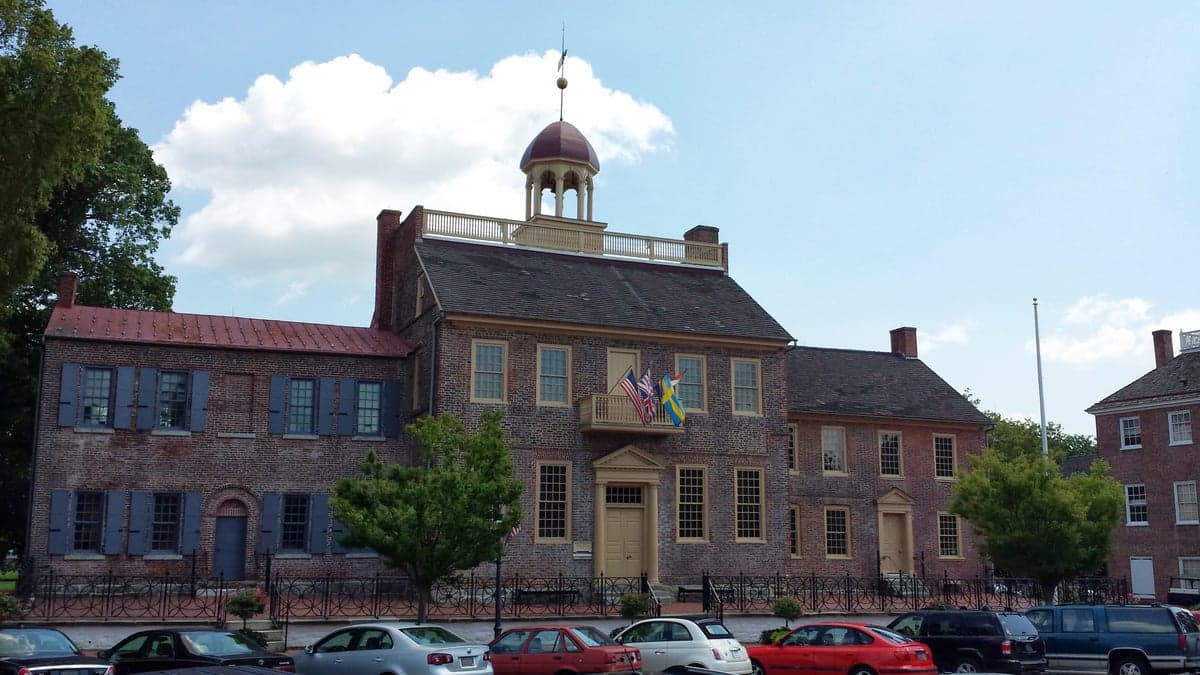
Photo: Wikipedia
Strategic Assessment of New Castle, DE
Multiple tactical vulnerabilities. Population density, target proximity, or disaster risk are likely compounding. A retreat property and exit planning is required.
What does the Strategic Assessment tell us?
Our Strategic Assessment grades tactical survivability of an area. Major population centers, military targets, fallout zones, natural disasters, and border exposure all drive risk — lower exposure means a more defensible position in a crisis.
This is heavily inspired by Joel Skousen's Strategic Relocation book. Highly recommended you checkout the book ($)What does this tell us?
Our Strategic Assessment grades tactical survivability of an area. Major population centers, military targets, fallout zones, natural disasters, and border exposure all drive risk — lower exposure means a more defensible position in a crisis.
This is heavily inspired by Joel Skousen's Strategic Relocation book. Highly recommended you checkout the book ($)Strategic Pillars

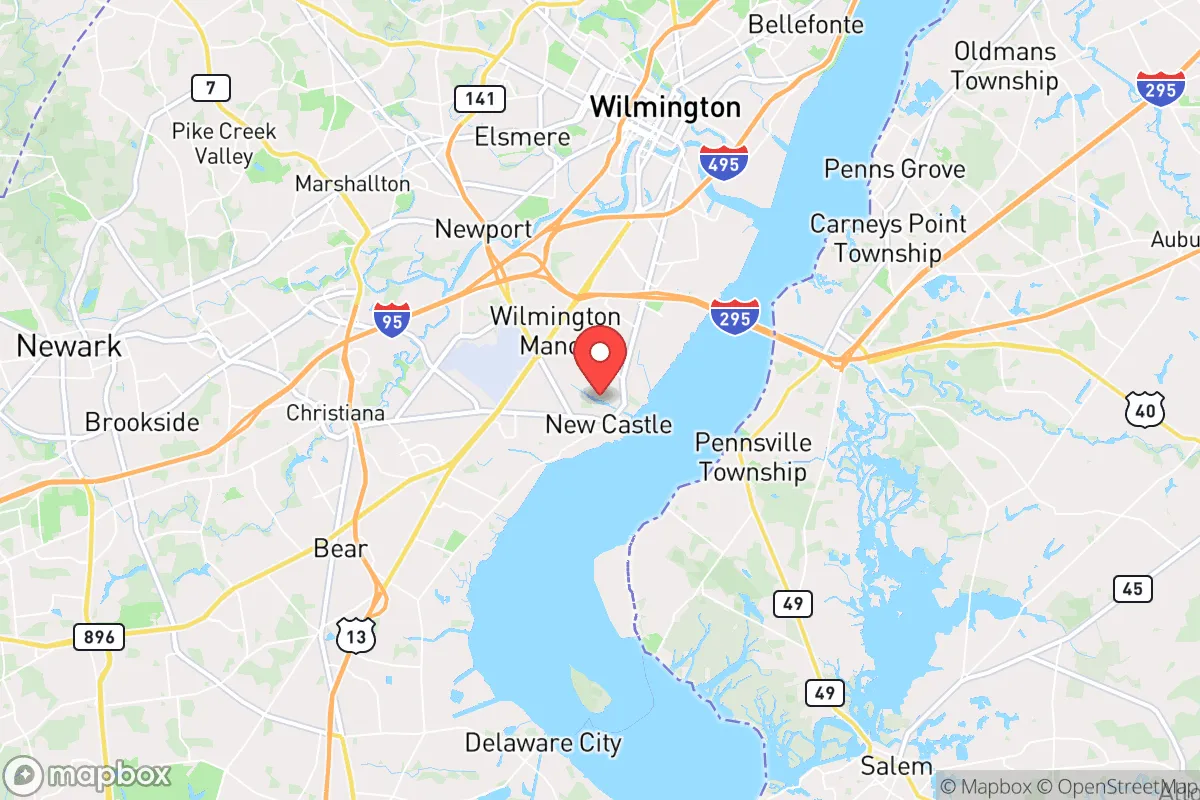
Key Distances
Regional Safe Places
Below is our recommended "safe zones" in Delaware and the surrounding area based on our strategic heuristics. For most people, it's unrealistic to live in a “safe zone” full-time due to work, family or other personal reasons. They tend to be more rural. However, many of these areas are perfect for second homes and retreat properties that double as a vacation home or even a short-term rental.
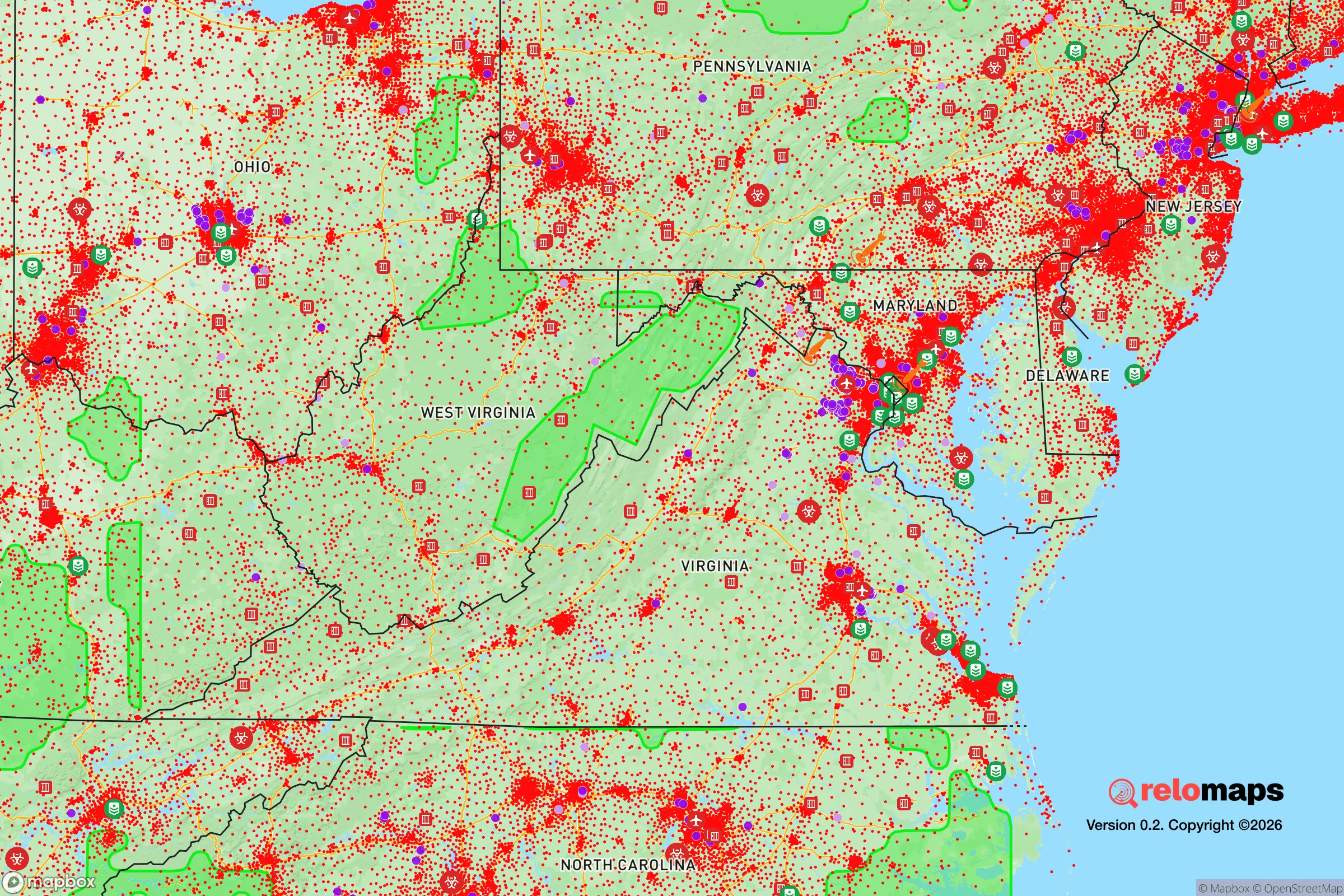
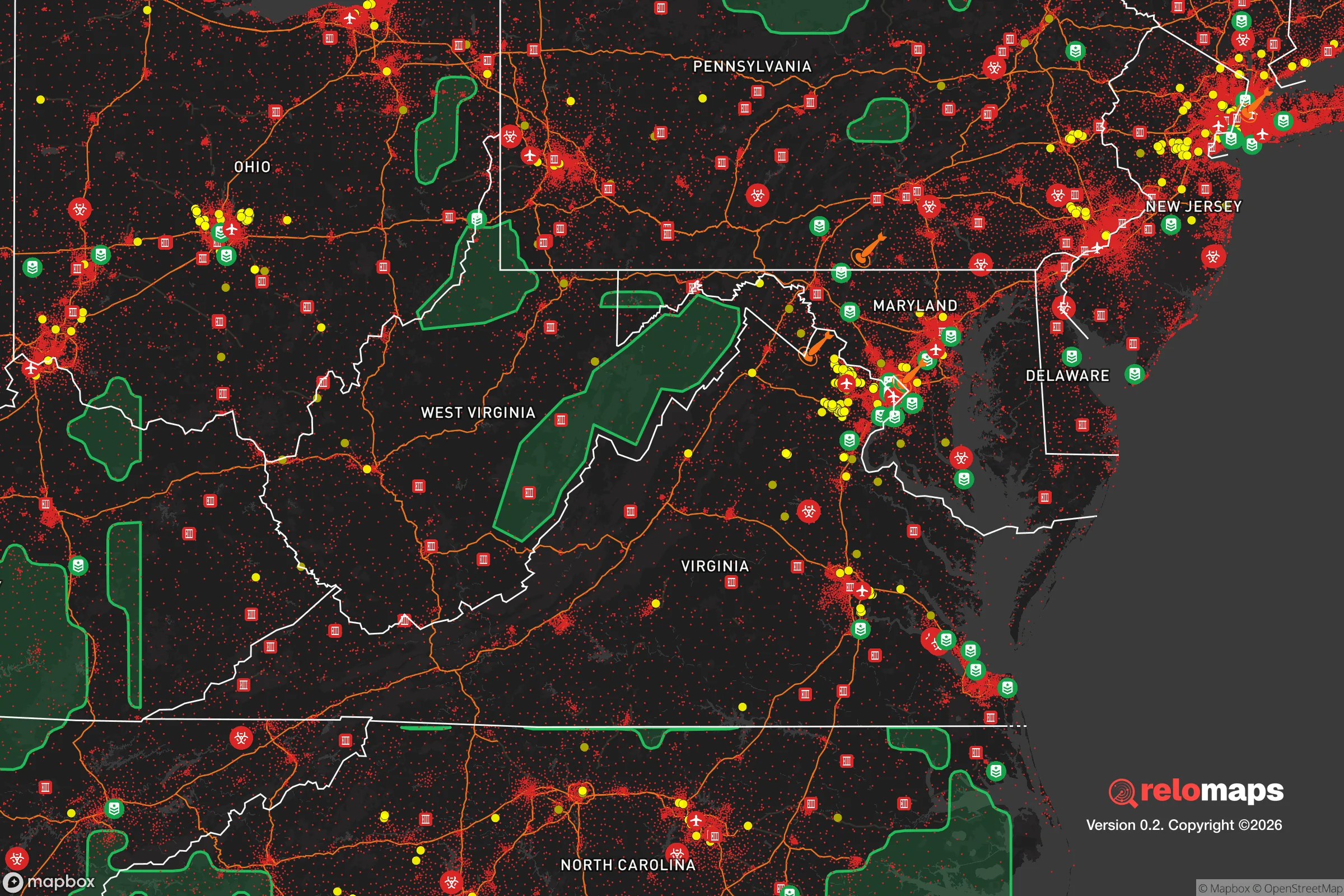


Important Note: For informational purposes only. This does not mean nothing bad ever happens in the green zones. Please use common sense. This is based on public data and modeled with AI. We tried to take a conservative approach but mistakes happen. We update this regularly as new information becomes available.
Solar Generator Recommendations
Backup power matters more here than in safer locations. We've picked three solar generators across budgets and capacity tiers — start with the budget unit if you only need a few essentials, or step up if you want to run a fridge and HVAC for days at a time.

Jackery Portable Power Station Explorer 300
Budget OptionPower on the Go: Weighing only 11 lbs, it's convenient to set up and store with book-sized foldable solar panels

BLUETTI Portable Power Station AC180
Designed for both indoor and outdoor scenarios, AC180 is highly capable as it has a robost capacity and continuous output power.

EF ECOFLOW DELTA Pro Ultra Power Station
Upgraded PickEcoFlow DELTA Pro Ultra is a whole-home energy system designed to grow with your family. Integrated with the Smart Home Panel 2, it scales to meet your evolving energy needs — keeping your home powered, intelligent, and secure through every stage of life.
We earn a commission, at no additional cost to you.
Strategic Assessment Analysis
New Castle, Delaware, sits in a precarious but potentially advantageous position for those prioritizing resilience and self-reliance. Its location along the I-95 corridor, within the densely populated Northeast megalopolis, presents both a significant liability and a strategic opportunity. For a relocator with a prepper mindset, the key question is whether the area's proximity to major urban centers like Philadelphia, Wilmington, and Baltimore is a fatal flaw or a manageable risk that can be offset by specific geographic and infrastructural advantages. The answer, as with most strategic assessments, is nuanced: New Castle offers a unique blend of access to critical resources and exposure to severe threats, making it a location that demands careful, scenario-based planning rather than a simple thumbs-up or thumbs-down.
Geographic position and natural advantages for long-term survival
New Castle's position on the Delaware River, near the mouth of the Delaware Bay, provides a critical natural advantage: access to a major navigable waterway. This is not just about aesthetics; it's a potential lifeline for transportation, trade, and water supply in a grid-down scenario. The area is relatively flat and low-lying, which simplifies construction and agriculture but introduces flood risks from storm surges and heavy rainfall. The surrounding region, including New Castle County, has a mix of suburban development and agricultural land, offering some potential for local food production. However, the soil is not particularly rich, and the growing season is moderate, so serious self-sufficiency would require significant investment in raised beds, greenhouses, and soil amendment. The proximity to the C&D Canal also provides a secondary water route, offering a potential bypass of the congested I-95 corridor for movement of goods or people. For a relocator, the natural advantages here are real but limited: the water access is a major plus, but the lack of significant elevation or defensible terrain is a notable weakness.
Risks, exposures, and proximity to fallout-relevant landmarks
The single greatest risk for a New Castle-based prepper is its location within the Northeast Corridor. The area is within a 30-minute drive of Wilmington, Delaware's largest city, and less than an hour from Philadelphia and Baltimore. This proximity means that any major event—whether a terrorist attack, a nuclear incident, or widespread civil unrest in those cities—will have immediate and severe spillover effects. The I-95 corridor is a primary evacuation route, meaning it will become a parking lot during a crisis. Furthermore, the area is within the potential fallout zone of several high-value targets: the Port of Wilmington, the Delaware Memorial Bridge, and the numerous chemical and industrial facilities along the Delaware River. The Salem Nuclear Power Plant in New Jersey is roughly 15 miles away, a significant concern for a radiological event. The presence of major military installations like Dover Air Force Base (about 45 miles south) and Aberdeen Proving Ground (about 50 miles north) also makes the region a potential target. For a relocator, the risk profile here is high: you are living in a target-rich environment, and the fallout from any major event will be immediate and overwhelming.
Practical resilience for a relocator: food, water, energy, and defensibility
When assessing practical resilience, New Castle presents a mixed bag. Water access is a strong point: the Delaware River and the C&D Canal provide ample surface water, but it requires significant treatment (filtration, boiling, chemical treatment) to be potable. The local water table is high, making shallow wells a viable option for those with property, though contamination from industrial runoff and saltwater intrusion is a concern. Food security is a major challenge. The area is not a breadbasket; most food is trucked in via the I-95 corridor. Local agriculture exists but is insufficient to support the population in a prolonged disruption. A relocator would need to establish a robust pantry, develop relationships with local farmers, and invest in gardening and possibly small-scale livestock (chickens, rabbits) to achieve any meaningful self-sufficiency. Energy resilience is achievable but requires upfront investment. The grid is reliable under normal conditions but vulnerable to weather events and cyberattacks. Solar panels with battery storage are a viable option, as the region gets adequate sunlight, though not as much as the Southwest. Natural gas is widely available, but a backup generator is a must. Defensibility is the weakest link. The terrain is flat and open, with few natural chokepoints. The suburban and exurban layout means neighbors are close, and a determined group could easily approach a property. A relocator would need to rely on a strong community network, layered security (fencing, cameras, dogs), and a low-profile approach to avoid drawing attention. In short, New Castle offers decent water and energy potential but poor food security and defensibility, making it a location for those who prioritize access to resources over physical security.
The overall strategic picture for New Castle is one of calculated risk. It is not a location for a lone wolf prepper seeking a remote, defensible retreat. It is, however, a viable option for a family or small group that wants to maintain access to the economic opportunities of the Northeast while building a resilient lifestyle. The key is to treat New Castle as a base of operations, not a fortress. This means having a well-stocked bug-out location further inland (perhaps in Pennsylvania or West Virginia), maintaining a low profile in the community, and building strong relationships with like-minded neighbors. The area's water access and proximity to critical infrastructure are double-edged swords: they provide resources but also attract threats. For a relocator willing to invest in layered security, a robust supply chain, and a realistic evacuation plan, New Castle can be a workable, if not ideal, strategic location. The bottom line: it's a high-risk, moderate-reward area that demands constant vigilance and a proactive, rather than reactive, approach to preparedness.

* Values derived from national, state, county, city and local statistics and may differ in a specific area. Last updated: 2026-04-29T23:48:05.000Z
Narrative content on this page is AI-generated and may contain mistakes. Verify any details that matter before acting on them.
ReloMaps may earn a commission from affiliate links at no extra cost to you.

