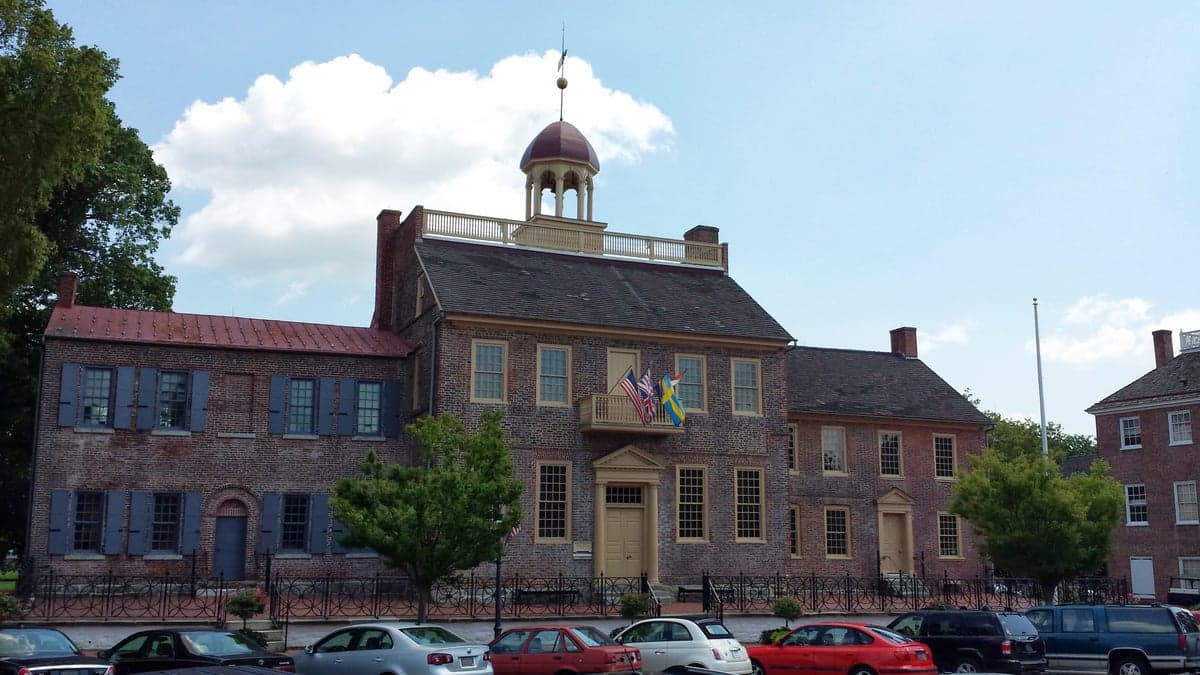
Photo: Wikipedia
Political ClimatePolitical Climate in New Castle, DE
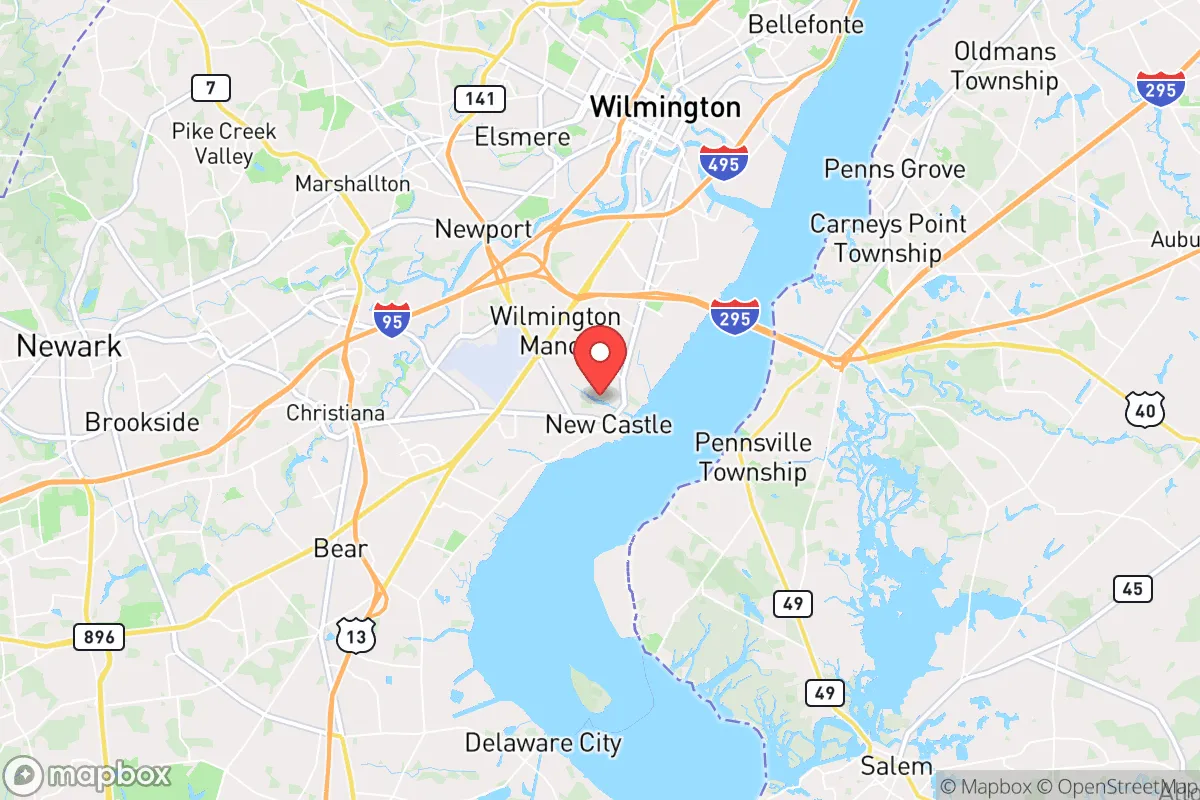
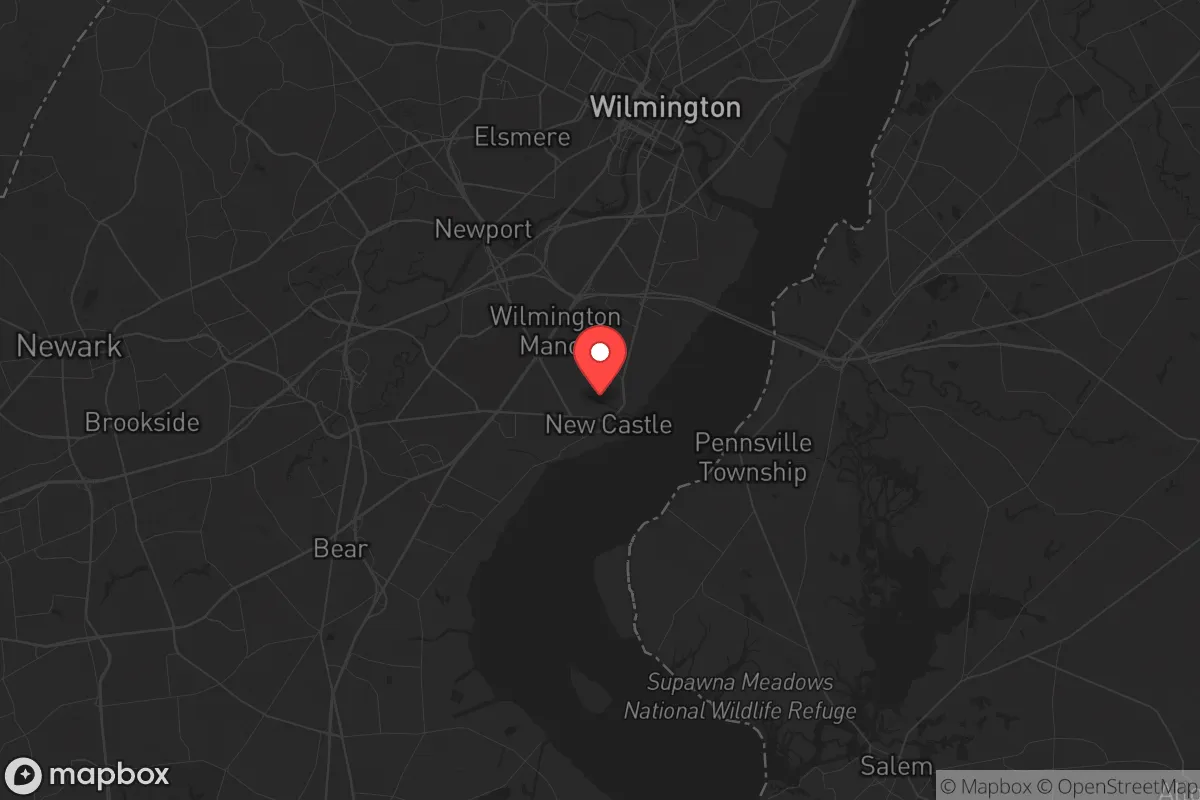
District shown is the primary district for this city’s centroid. Cities may span multiple districts.
Inherited from parent state — no local data available.
Local Political AnalysisPolitical Analysis of New Castle, DE
New Castle, Delaware, has been a reliably blue stronghold for years, and the Cook PVI of D+8 tells you exactly what you need to know about the baseline. But if you’ve lived here as long as I have, you’ve watched the political climate shift from a more moderate, live-and-let-live kind of place to something that feels increasingly like a one-party echo chamber. The trajectory isn’t subtle: the local government and county leadership have been steadily moving left, and with that comes a growing list of policies that feel less like community choices and more like top-down mandates.
How it compares
Drive 15 minutes south to Middletown or Odessa, and you’ll feel a different vibe entirely. Those towns are still more purple, with a strong conservative undercurrent that pushes back on the progressive agenda you see in New Castle proper. Up north, Wilmington is even more left-leaning than New Castle, but the real contrast is with rural Sussex County, where folks are fighting tooth and nail against the same kind of state-level overreach we’re seeing here. New Castle sits in the middle of New Castle County, which is the engine room for the state’s Democratic machine. That means when the state legislature in Dover passes something like a new gun control law or a sweeping environmental regulation, New Castle’s local officials are usually the first to cheer it on, not question it.
What this means for residents
For a long-time resident, the biggest concern is how much the government is creeping into everyday life. Property taxes have been climbing to fund programs that sound good on paper but often miss the mark in practice. The school board, for instance, has pushed curriculum changes that prioritize social justice over core academics, and parents who speak up at meetings are often dismissed as out of touch. On the business side, new zoning rules and licensing requirements have made it harder for small, independent shops to open without jumping through hoops. If you value personal freedom—whether that’s deciding how to raise your kids, what to do with your property, or how to run your business—the trend here is concerning. The near-term outlook doesn’t look much better, with more state-level spending and regulatory expansion likely on the horizon. Long-term, unless there’s a realignment, New Castle risks becoming a place where the only political voice that matters is the one that agrees with the party line.
One cultural distinction that stands out is the area’s relationship with the DuPont legacy and the corporate headquarters that still dot the landscape. There used to be a sense that business interests kept politics grounded, but that balance has tipped. You’ll also notice that local festivals and community events are increasingly used as platforms for political messaging, which rubs a lot of folks the wrong way. If you’re considering a move here, just know that the political climate isn’t neutral—it’s actively shaping everything from your tax bill to your kid’s classroom. It’s still a good place to live in many ways, but you’ll want to keep an eye on the ballot box and maybe get involved in the local GOP or a liberty-minded group if you want to keep things from sliding further.

State Political ClimatePolitical Climate in Delaware
State Political AnalysisPolitical Environment in the State
Delaware has long been a blue state in presidential elections, voting for Democrats by double digits since 2008, but its political climate is far more nuanced than a simple partisan label suggests. The state is dominated by the heavily populated, progressive-leaning New Castle County, which includes Wilmington and its suburbs, while the more rural and conservative counties of Kent and Sussex have been steadily growing in influence. Over the past two decades, the state has shifted leftward on social and economic policy, driven by a powerful Democratic machine in the north, but a growing conservative counter-movement in the south is creating a genuine political tension that any relocating family should understand.
Urban vs. rural divide
The political map of Delaware is a tale of three counties. New Castle County, home to over 55% of the state's population, is the engine of Democratic power. Wilmington, Newark, and the I-95 corridor are reliably blue, with Wilmington itself being a stronghold for progressive politics and union influence. The University of Delaware in Newark adds a steady stream of young, left-leaning voters. In contrast, Kent County (Dover, Smyrna) and Sussex County (Georgetown, Lewes, Rehoboth Beach) are increasingly Republican. Sussex County, in particular, has seen explosive growth from retirees and families fleeing higher-tax states like New York and New Jersey, and it now votes reliably red in statewide races. The divide is stark: a drive from the liberal suburbs of Greenville to the conservative farmlands of Millsboro feels like crossing into a different state entirely. This geographic split means that while Democrats control the governor's mansion and legislature, the conservative minority is concentrated and vocal, especially on issues of land use, taxes, and school policy.
Policy environment
Delaware's policy environment is a mixed bag for a conservative. On the positive side, the state has no sales tax, which is a major draw for shoppers and small businesses. However, it compensates with relatively high personal income taxes (top rate of 6.6%) and property taxes that, while lower than neighboring New Jersey, are creeping upward. The regulatory posture is business-friendly in name—Delaware is the corporate home for over a million businesses—but the state government has aggressively expanded its reach into personal lives. Education policy is a flashpoint: the state has resisted school choice expansion, and the powerful teachers' union in New Castle County has blocked most charter school growth. Healthcare is heavily regulated, with the state expanding Medicaid under Obamacare and mandating generous insurance coverage. Election laws are a concern for conservatives: Delaware has no-excuse absentee voting, same-day voter registration, and automatic voter registration, which critics argue undermines election integrity. The state also has a strict gun control regime, including a 2022 law banning "assault weapons" and high-capacity magazines, which was a major blow to Second Amendment supporters.
Trajectory & freedom
Delaware is becoming less free by any objective measure, especially for conservatives. The most concerning recent legislation is the 2022 assault weapons ban (HB 450), which criminalized the sale of many common firearms. In 2023, the state passed a parental rights bill that, while watered down, still allows schools to withhold certain information from parents about a child's gender identity—a clear erosion of family authority. The state also legalized recreational marijuana in 2023, but with heavy taxation and regulation that many libertarians find burdensome. On medical autonomy, Delaware has been a leader in expanding vaccine mandates and public health orders, which sparked significant backlash during the COVID-19 pandemic. Property rights are under pressure from aggressive land-use planning in Sussex County, where the state has tried to limit development to preserve "rural character," effectively restricting what homeowners can do with their land. The trajectory is clear: the Democratic majority in Dover is comfortable using state power to enforce progressive social and economic norms.
Civil unrest & political movements
Delaware has seen its share of political flashpoints. The Black Lives Matter protests in Wilmington in 2020 were large and occasionally violent, leading to property damage and a heavy police response. The state's sanctuary city policies are a major issue: Wilmington and New Castle County have declared themselves "welcoming cities," limiting cooperation with federal immigration enforcement, which frustrates conservatives who want law and order. On the right, the Delaware Republican Party has been revitalized by grassroots activists, particularly in Sussex County, where groups like the Sussex County Republican Committee have organized around school board races and county council elections. The 2022 election saw a wave of conservative school board candidates win in Sussex and Kent, driven by parental rights concerns. There have been no serious secession movements, but the "Delaware Way" of polite, establishment politics is being challenged by a more confrontational style from both sides. Election integrity remains a hot topic, with conservatives pointing to the state's mail-in voting system as ripe for abuse, though no major scandals have been proven.
Projection
Over the next 5-10 years, Delaware will likely become more polarized. The in-migration of conservatives to Sussex County will continue, potentially flipping that county's state legislative seats and giving the GOP a stronger voice in Dover. However, the growth of New Castle County's suburbs, particularly around Middletown and Bear, is bringing in more moderate-to-liberal families who work in Wilmington or Philadelphia. The state's Democratic majority is entrenched, but it is not monolithic—moderate Democrats from Kent and Sussex often break with their party on gun rights and taxes. A realistic projection is that Delaware will remain a blue state, but with a more competitive legislature and a governor's race that could flip if a moderate Republican emerges. For a conservative moving in now, expect to live in a state where your vote for president is essentially meaningless, but your local vote—especially in Sussex or Kent—can have real impact on schools, zoning, and county policy.
Bottom line for a new resident: Delaware offers low property taxes and no sales tax, but you will pay for it with high income taxes and a government that is comfortable regulating your personal choices. If you are a conservative, you will find a welcoming community in Sussex County and parts of Kent, but you will be swimming against the tide in state politics. Your best strategy is to focus on local elections—school board, county council, and state house—where your vote can actually change policy. The state is not a lost cause, but it requires active citizenship to preserve the freedoms that are being slowly eroded in Dover.
* Values derived from national, state, county, city and local statistics and may differ in a specific area. Last updated: 2026-04-29T23:48:05.000Z
Narrative content on this page is AI-generated and may contain mistakes. Verify any details that matter before acting on them.
ReloMaps may earn a commission from affiliate links at no extra cost to you.

