Photo: Wikipedia
Strategic Assessment of New Hampshire
Meaningful friction. Expect exposure to either population pressure, blast zones, or natural disaster risk. Consider buying a retreat property.
What does the Strategic Assessment tell us?
Our Strategic Assessment grades tactical survivability of an area. Major population centers, military targets, fallout zones, natural disasters, and border exposure all drive risk — lower exposure means a more defensible position in a crisis.
This is heavily inspired by Joel Skousen's Strategic Relocation book. Highly recommended you checkout the book ($)What does this tell us?
Our Strategic Assessment grades tactical survivability of an area. Major population centers, military targets, fallout zones, natural disasters, and border exposure all drive risk — lower exposure means a more defensible position in a crisis.
This is heavily inspired by Joel Skousen's Strategic Relocation book. Highly recommended you checkout the book ($)Regional Safe Places
Below is our recommended "safe zones" in New Hampshire and the surrounding area based on our strategic heuristics. For most people, it's unrealistic to live in a “safe zone” full-time due to work, family or other personal reasons. They tend to be more rural. However, many of these areas are perfect for second homes and retreat properties that double as a vacation home or even a short-term rental.
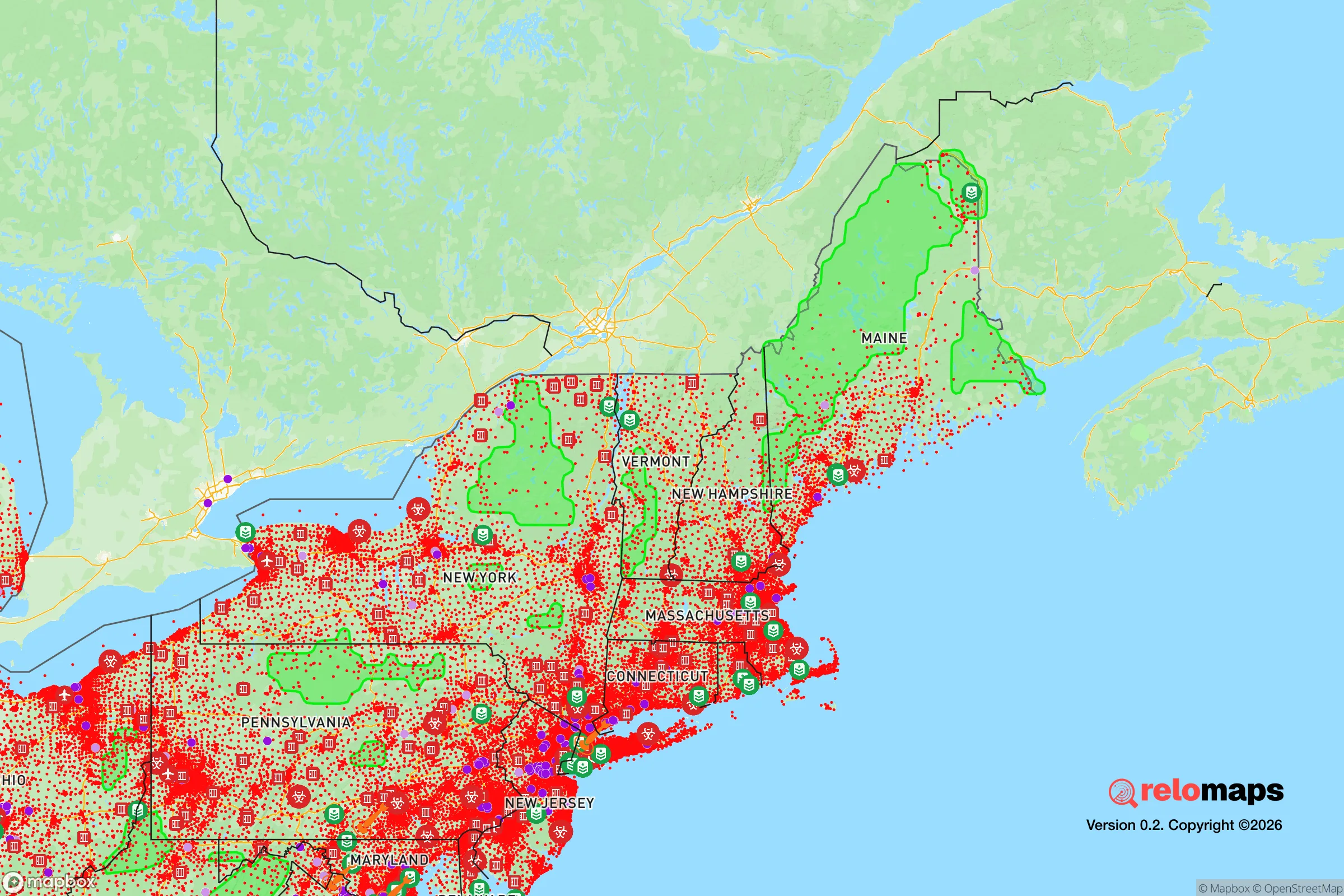
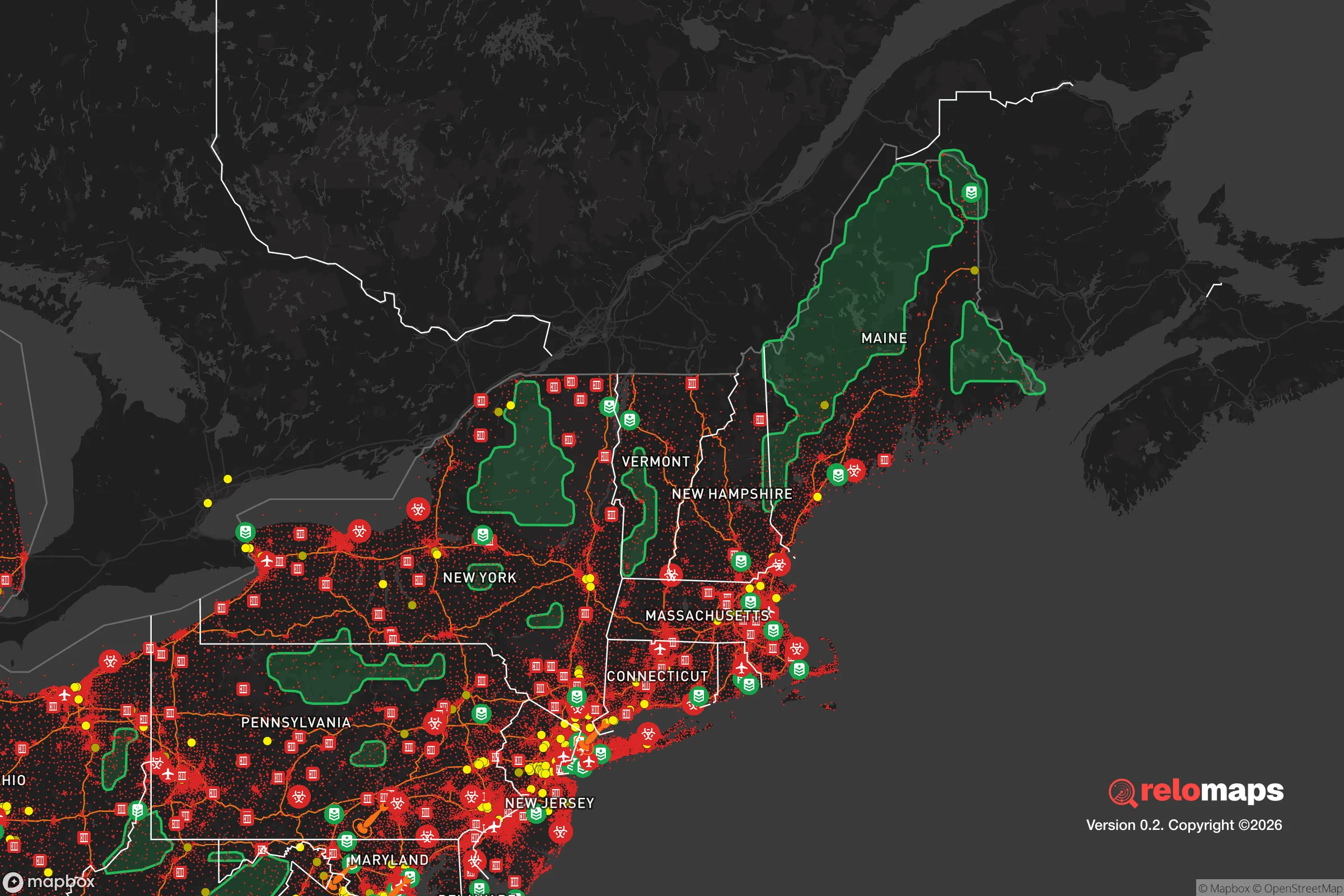


Important Note: For informational purposes only. This does not mean nothing bad ever happens in the green zones. Please use common sense. This is based on public data and modeled with AI. We tried to take a conservative approach but mistakes happen. We update this regularly as new information becomes available.
Solar Generator Recommendations
Backup power matters more here than in safer locations. We've picked three solar generators across budgets and capacity tiers — start with the budget unit if you only need a few essentials, or step up if you want to run a fridge and HVAC for days at a time.

Jackery Portable Power Station Explorer 300
Budget OptionPower on the Go: Weighing only 11 lbs, it's convenient to set up and store with book-sized foldable solar panels

BLUETTI Portable Power Station AC180
Designed for both indoor and outdoor scenarios, AC180 is highly capable as it has a robost capacity and continuous output power.

EF ECOFLOW DELTA Pro Ultra Power Station
Upgraded PickEcoFlow DELTA Pro Ultra is a whole-home energy system designed to grow with your family. Integrated with the Smart Home Panel 2, it scales to meet your evolving energy needs — keeping your home powered, intelligent, and secure through every stage of life.
We earn a commission, at no additional cost to you.
Strategic Assessment Analysis
New Hampshire offers a compelling mix of geographic insulation and practical self-sufficiency that makes it a serious contender for anyone thinking long-term about resilience. It’s not flashy, but it’s solid—a state where the granite bedrock under your feet is a literal metaphor for stability. For a conservative-leaning relocator worried about the fragility of the modern grid, supply chains, and social cohesion, New Hampshire’s combination of low population density, a fiercely independent culture, and a location outside the blast radius of major strategic targets provides a foundation that’s hard to beat. The key is understanding where the real vulnerabilities lie and whether the state’s advantages align with your specific risk tolerance.
Geographic position and natural advantages for long-term security
New Hampshire sits in a sweet spot for strategic relocation. It’s far enough from the densest population corridors of the Northeast—Boston is about an hour south of the border, and New York City is over four hours away—to avoid the immediate crush of a major evacuation or civil unrest event. Yet it’s close enough to access critical resources if you plan ahead. The state’s backbone is the White Mountains, which run north-south and create a natural barrier that funnels movement along a few key routes, primarily Interstates 93 and 95. This chokepoint geography is a double-edged sword: it makes the state defensible if you control the passes, but it also means any mass exodus from the south could clog those roads quickly. The real advantage is the abundant fresh water. New Hampshire has over 1,300 lakes and ponds, including massive bodies like Lake Winnipesaukee and Lake Sunapee, plus thousands of miles of rivers and streams. In a grid-down scenario, surface water is your primary lifeline, and this state has it in spades. The climate is a factor too—cold winters are a natural deterrent to unprepared populations, and the deep snowpack acts as a seasonal water reservoir. For a prepper, the ability to tap into a reliable water source without relying on municipal infrastructure is a foundational advantage that few states in the Northeast can match.
Risks, exposures, and proximity to fallout-relevant landmarks
No place is a fortress, and New Hampshire has its share of vulnerabilities that a serious relocator must weigh. The most obvious risk is proximity to the Portsmouth Naval Shipyard, located on the Maine-New Hampshire border near the coast. This is a major nuclear submarine maintenance and refueling facility—a high-value target in any conflict scenario. A direct strike or even a conventional attack on the shipyard could produce significant fallout patterns that would affect southeastern New Hampshire, including the Seacoast region around Portsmouth, Dover, and Rochester. The prevailing winds typically blow from the west, so fallout would likely push east over the Gulf of Maine, but a shift could contaminate inland areas. Further north, the Connecticut River Valley along the Vermont border is a natural corridor that could channel fallout from a strike on the Vermont Yankee nuclear plant (now decommissioned but still holding spent fuel) or from targets in the Albany, New York area. The state also has two major natural gas pipelines—the Portland Natural Gas Pipeline and the Tennessee Gas Pipeline—that run through the southern tier. A disruption to these could cripple heating fuel supplies in winter, which is a serious concern. On the plus side, New Hampshire has no major oil refineries, no major military bases beyond the shipyard, and no large-scale chemical plants. The largest population center is Manchester, with about 115,000 people—small enough that it’s not a primary target, but large enough that it could become a focal point for civil unrest if supply chains break down. The key takeaway: avoid the southeastern corner near the shipyard and the immediate I-93 corridor south of Concord if you want to minimize fallout risk. The North Country and the western lakes region offer the best buffer.
Practical resilience for a relocator: food, water, energy, and defensibility
New Hampshire’s practical resilience is where it really shines for a prepared individual or family. Water is the easiest win—as mentioned, surface water is everywhere, and the state’s geology means shallow wells are often productive even without deep drilling. A hand pump on a well or a simple rainwater catchment system can keep a household running indefinitely. Food production is viable but requires work. The growing season is short—typically 120 to 150 days—and the soil is rocky and acidic in many areas. However, the Connecticut River Valley has rich alluvial soil, and the Lakes Region has pockets of good farmland. Small-scale livestock, especially goats and chickens, are common. The state has a strong hunting culture; white-tailed deer, turkey, and small game are abundant, and fishing in the lakes and rivers is excellent. For energy independence, New Hampshire is a mixed bag. The state has no coal mines and limited natural gas production, but it does have significant hydroelectric potential, especially on the Merrimack and Connecticut Rivers. Wood is the most practical off-grid fuel—the state is 84% forested, and a well-managed woodlot can provide heating and cooking fuel indefinitely. Solar works, but winter cloud cover and snow accumulation reduce output; a hybrid system with a small wind turbine is more reliable. Defensibility is about terrain and community. The White Mountains and the vast tracts of state and national forest—like the White Mountain National Forest—offer remote retreat options that are hard to access by road. The culture of “Live Free or Die” is not just a slogan; it translates to a high rate of firearm ownership, a strong tradition of mutual aid, and a general distrust of overreach. That said, the state’s population is aging, and many rural towns have limited medical infrastructure. If you’re planning for a long-term scenario, you’ll want to be within an hour of a regional hospital—like Concord Hospital or Dartmouth-Hitchcock in Lebanon—while still being far enough out to avoid the sprawl.
The overall strategic picture for New Hampshire is one of high potential with clear trade-offs. It’s not a bug-out location for the unprepared; it’s a place where a disciplined, self-reliant person can build a genuinely resilient life. The state’s biggest strength is its combination of abundant water, forest resources, and a culture that values independence. Its biggest weaknesses are the Portsmouth Naval Shipyard fallout risk in the southeast and the harsh winter that can kill the careless. For a conservative relocator who values local control, low taxes, and a community that won’t ask for permission to help a neighbor, New Hampshire is one of the best options in the Northeast. The smart move is to target the western lakes region or the North Country, away from the major transit corridors and the coast, and to invest in a property with a reliable water source and a woodlot. If you do that, you’ll be in a position to ride out most disruptions while still having access to the resources of a functioning state. It’s not a perfect fortress, but it’s a damn good foundation.

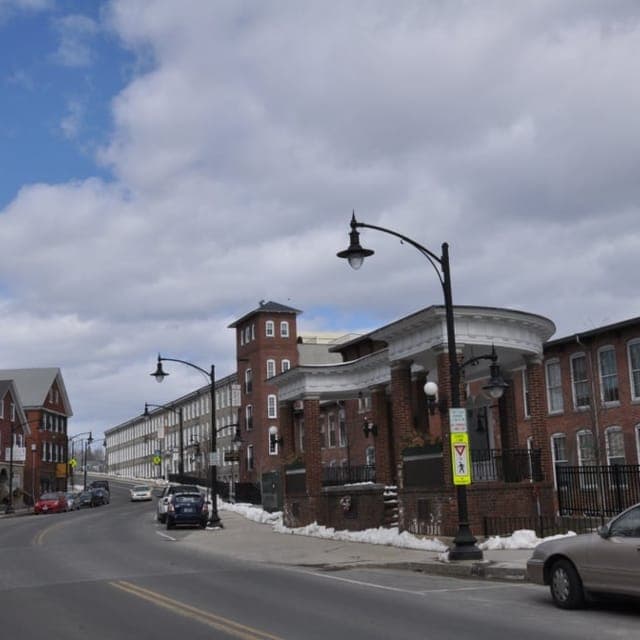
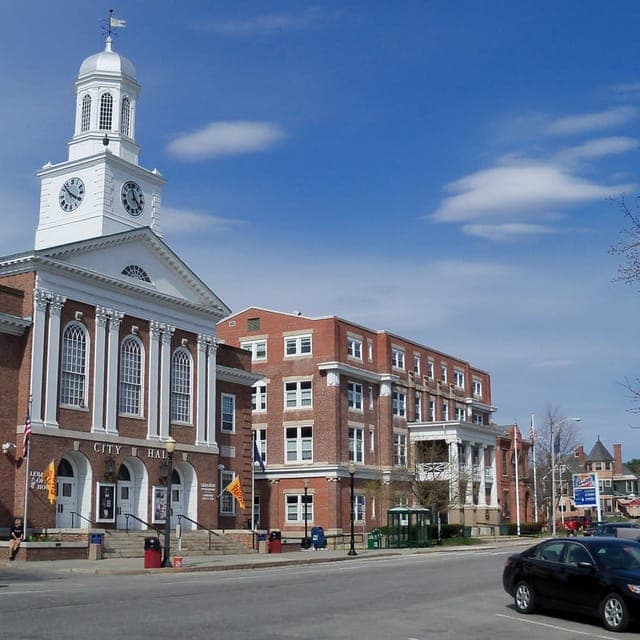
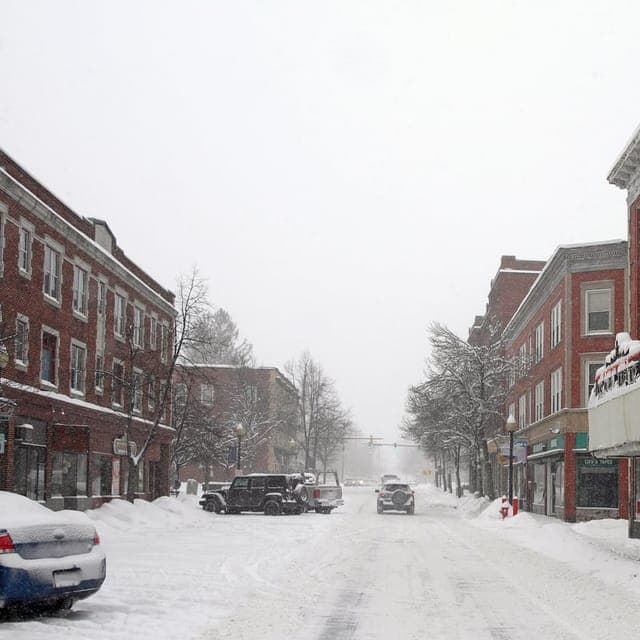
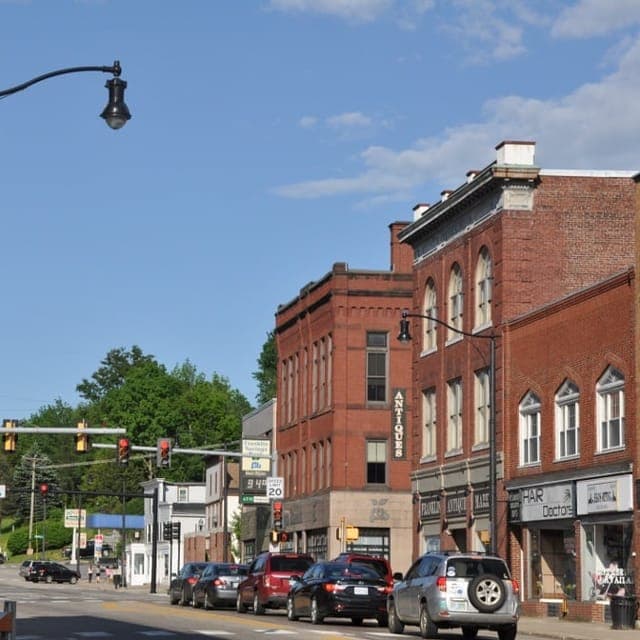
Top 10 Cities by Strategic Assessment in New Hampshire
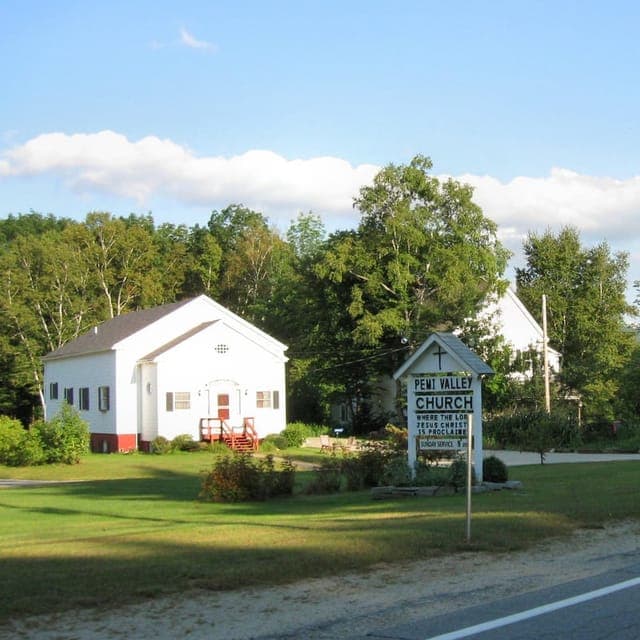
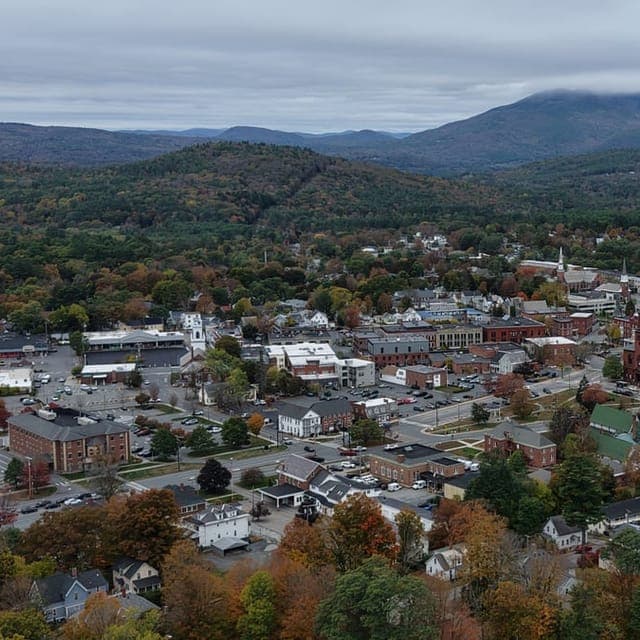
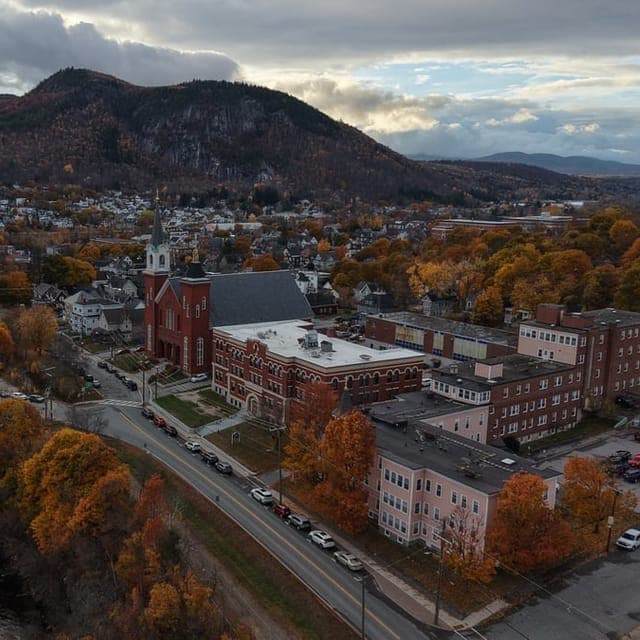
* Values derived from national, state, county, city and local statistics and may differ in a specific area. Last updated: 2026-04-18T23:42:59.000Z
Narrative content on this page is AI-generated and may contain mistakes. Verify any details that matter before acting on them.
ReloMaps may earn a commission from affiliate links at no extra cost to you.

