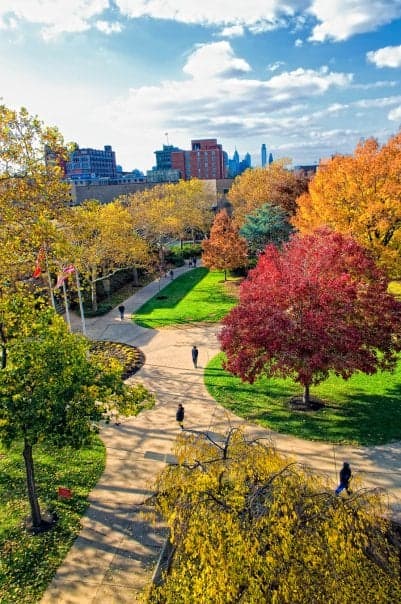
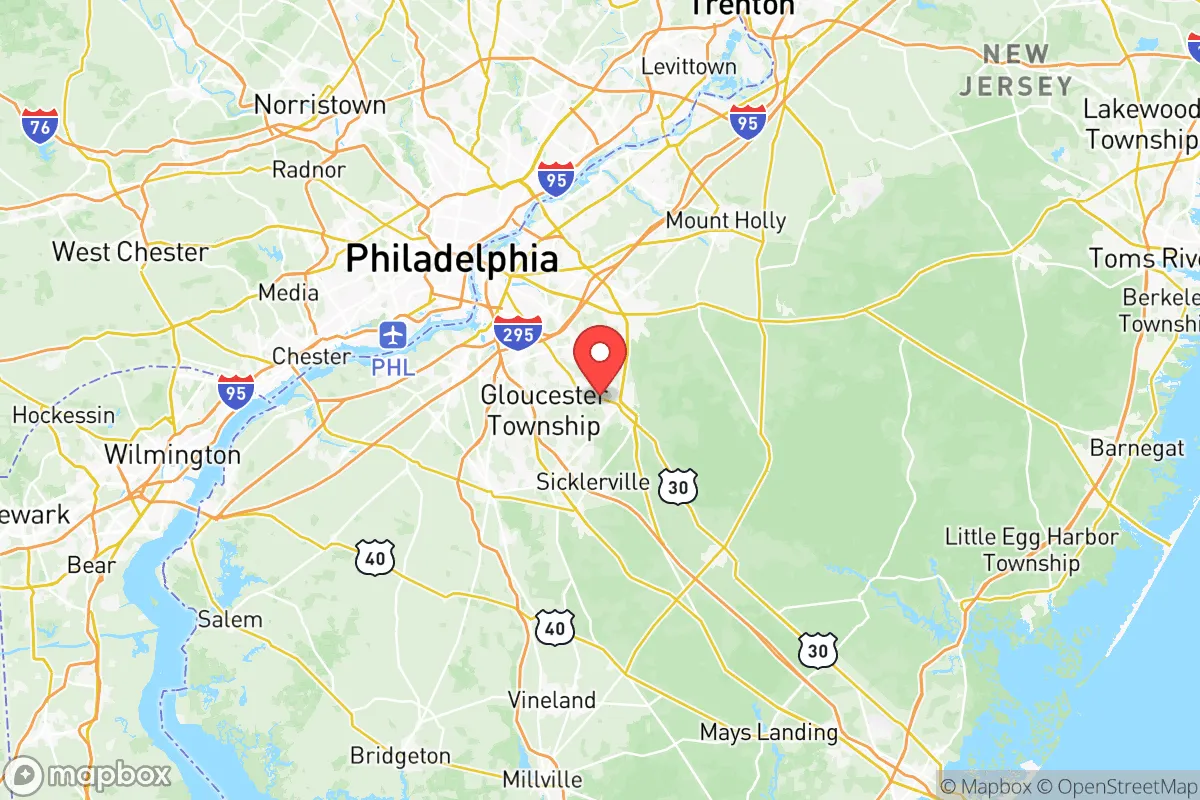
Photo: Wikipedia
Quality of Life in Camden County
A livable area that tracks near national norms for affordability, walkability, and neighborhood health.
What does Quality of Life tell us?
Quality of Life measures an area by evaluating factors like cost of living, nearby amenities, country club access, airport proximity, socioeconomic signals and neighborhood character. For large states, this is a general average — quality of life can vary dramatically between metro areas, suburbs, and rural communities within the same state.
What does this tell us?
Quality of Life measures an area by evaluating factors like cost of living, nearby amenities, country club access, airport proximity, socioeconomic signals and neighborhood character. For large states, this is a general average — quality of life can vary dramatically between metro areas, suburbs, and rural communities within the same state.
Cost of Living
7% above national average
115%
The Real Cost of Living in Camden County for 2026
| Tier | Individual | Family (4) |
|---|---|---|
| Survival | $21k | $40k |
| Comfortable | $51k | $75k |
| Luxury | $156k+ | $242k+ |
| Elite (Top 5%) | $184k+ | $286k+ |
Quality-of-Life Analysis
Camden County, New Jersey, offers a broad quality-of-life spectrum that ranges from dense, transit-connected urban centers to quiet, semi-rural townships, attracting everyone from Philadelphia commuters and young professionals to families seeking suburban schools and retirees looking for lower taxes. The county’s character shifts noticeably as you move from the Delaware River waterfront eastward into the Pine Barrens-adjacent farmlands, with each zone presenting distinct trade-offs in cost, pace, and access. With a cost-of-living index of 107 (slightly above the national average), a median home value of $262,200, and a median rent of $1,346, the county provides more affordable housing than many North Jersey suburbs while still offering a 28-minute average commute to Philadelphia and other regional job centers.
Largest town(s) & population centers
Camden City is the county’s largest municipality and its urban core, with a population of roughly 71,000. Daily life here is defined by a dense, walkable grid, access to the PATCO Speedline (a 10-minute ride to Center City Philadelphia), and a growing waterfront district anchored by the Adventure Aquarium, BB&T Pavilion, and the Camden Waterfront entertainment complex. However, the city also contends with high poverty rates (over 35%) and elevated crime statistics, making it a choice primarily for those committed to urban revitalization or who need the lowest rents in the county. Cherry Hill, directly east of Camden, is the county’s largest suburb (population ~72,000) and its commercial and retail hub, anchored by the Cherry Hill Mall and a dense corridor of big-box stores along Route 38. Life here is car-dependent but family-oriented, with highly rated schools like Cherry Hill High School East and a median home value closer to $350,000—well above the county average. Voorhees Township (population ~30,000) is another major population center, known for its top-tier Voorhees Middle School, the Virtua Voorhees Hospital complex, and the sprawling Ashland retail area. It attracts professionals and families who want suburban amenities with direct PATCO access at the Ashland and Lindenwold stations.
Smaller towns & rural pockets
Moving east and south, the county transitions into smaller communities with distinct identities. Haddonfield (population ~11,500) is a historic, walkable borough with a PATCO station, a quaint downtown of independent shops and restaurants, and a median home value exceeding $500,000—making it one of the county’s priciest enclaves. Collingswood (population ~14,000) offers a similar small-town feel with a vibrant farmers’ market and a lively restaurant scene along Haddon Avenue, attracting artists and young families. Further out, Berlin Borough and Berlin Township (combined population ~10,000) feel more like traditional South Jersey small towns, with a historic downtown, the Berlin Farmers Market, and lower home prices (median around $220,000). The most rural pockets lie in the county’s eastern and southern fringes: Winslow Township (population ~39,000 but spread over 58 square miles) includes unincorporated areas like Blue Anchor and Cedar Brook, where homes sit on acre lots and the landscape gives way to pine forests and cranberry bogs. Waterford Township (population ~11,000) and Pine Hill (population ~10,000) are similarly semi-rural, with a mix of older single-family homes, mobile home parks, and undeveloped tracts. These areas offer the lowest home prices in the county—often under $200,000—and a slower pace, but require longer drives to shopping and employment centers.
Cost & lifestyle range
The cost-of-living spread across Camden County is dramatic. At the high end, Haddonfield and Cherry Hill’s Barclay and Woodcrest neighborhoods see median home values of $450,000–$600,000, with residents paying a premium for walkable downtowns, top school systems, and PATCO access. At the low end, Camden City offers median home values around $80,000 and rents as low as $900, but with significant trade-offs in safety and school quality. The middle ground is occupied by towns like Lindenwold (median home value ~$160,000), Somerdale (~$175,000), and Stratford (~$200,000), where residents get modest single-family homes and reasonable commutes (the average county commute is 28 minutes) without the premium prices of the inner-ring suburbs. Lifestyle choices mirror these costs: residents in Haddonfield and Collingswood walk to PATCO and dine out frequently, while those in Winslow or Waterford rely on cars for everything and enjoy larger yards and quieter streets. The county’s property tax rates are among New Jersey’s highest (averaging 2.5–3.5% of assessed value), which is a key consideration for buyers at any price point.
Camden County best suits people who value proximity to Philadelphia and want a range of housing options within a single county. Urbanites and budget-conscious renters will find the lowest costs in Camden City, while families and professionals seeking suburban schools and amenities gravitate to Cherry Hill, Voorhees, or Haddonfield. Those who prioritize space and quiet over convenience will find affordable acreage in Winslow, Waterford, or Berlin. The county’s diversity of settings—from PATCO-served boroughs to Pine Barrens-edge towns—means that most lifestyles can find a fit, provided the trade-offs in taxes, commute, and community character are understood upfront.

Crime in Camden County
WARNING: The crime statistics are unreliable for this jurisdiction. Local authorities have either not reported or under reported their data to the FBI. This could be due to bad intentions, incompetence or technical issues. Regardless, we suggest skepticism.
Crime rates similar to the national median for U.S. locations.
Violent CrimeViolent Crime Analysis
Property CrimeProperty Crime Analysis
Crime Analysis
Camden County, New Jersey, presents a mixed safety picture that varies dramatically depending on which municipality a resident or visitor is in. The county’s overall violent crime rate stands at 191.7 incidents per 100,000 residents, and its property crime rate is 1,232 per 100,000, according to the most recent available data. While these figures are below national averages, they mask significant disparities between the county’s urban core and its more suburban and rural towns, with progressive prosecutorial policies in the county’s largest city contributing to a challenging public safety environment.
Crime in context
Camden County’s violent crime rate of 191.7 per 100,000 is notably lower than the national average of roughly 380 per 100,000, and its property crime rate of 1,232 per 100,000 also sits below the U.S. average of approximately 1,950 per 100,000. However, these county-level averages are heavily skewed by the low-crime suburbs. When compared to New Jersey’s statewide violent crime rate of about 210 per 100,000, Camden County is slightly safer on paper, but this comparison is misleading. The city of Camden itself, which is the county seat and largest municipality, has historically posted violent crime rates several times higher than the county average, driven by concentrated poverty and a revolving-door justice system. The county’s property crime rate is also inflated by auto theft and burglary rings operating out of the city and spilling into adjacent towns like Pennsauken and Collingswood.
What residents experience
Residents’ daily experience of safety in Camden County is almost entirely determined by their specific town. In the city of Camden, which has a population of about 70,000, residents face a violent crime rate that can exceed 1,000 per 100,000 in some years, making it one of the most dangerous cities in the Northeast. The Camden County Prosecutor’s Office has pursued progressive policies, including diversion programs and reduced bail for non-violent offenders, which critics argue have allowed repeat offenders to cycle back onto the streets quickly. This directly impacts victims and the public, as property crimes like car theft and shoplifting are often treated with minimal consequences. In contrast, towns like Haddonfield, Cherry Hill, and Voorhees consistently report violent crime rates below 50 per 100,000, with property crime rates under 800 per 100,000. These communities benefit from well-funded local police departments and a more conservative judicial approach in their municipal courts, which prioritize victim restitution and public safety over offender rehabilitation.
Neighborhood-level variation
The starkest divide in Camden County is between the urban core and the surrounding suburbs. The city of Camden, along with parts of Gloucester City and Lindenwold, experience the highest concentrations of violent crime, including aggravated assault and robbery, often linked to open-air drug markets. Meanwhile, the county’s safer enclaves—Haddonfield, Cherry Hill, Voorhees, and Moorestown (which straddles Burlington County but is often grouped with Camden County for commuting)—see crime rates comparable to the safest small towns in the state. For prospective residents, the choice is clear: living in or near Camden city means accepting a higher risk of property crime and occasional violent incidents, while the suburban ring offers a level of safety that rivals any in New Jersey. The county’s progressive district attorney, while well-intentioned, has created an environment where criminals from the city feel emboldened to target wealthier suburbs, as seen in a 2024 spike in car thefts in Collingswood and Audubon.
* Values derived from national, state, county, city and local statistics and may differ in a specific area. Last updated: 2026-05-28T06:42:49.000Z
Narrative content on this page is AI-generated and may contain mistakes. Verify any details that matter before acting on them.
ReloMaps may earn a commission from affiliate links at no extra cost to you.

