
Photo: Wikipedia
Strategic Assessment of Camden County
Multiple tactical vulnerabilities. Population density, target proximity, or disaster risk are likely compounding. A retreat property and exit planning is required.
What does the Strategic Assessment tell us?
Our Strategic Assessment grades tactical survivability of an area. Major population centers, military targets, fallout zones, natural disasters, and border exposure all drive risk — lower exposure means a more defensible position in a crisis.
This is heavily inspired by Joel Skousen's Strategic Relocation book. Highly recommended you checkout the book ($)What does this tell us?
Our Strategic Assessment grades tactical survivability of an area. Major population centers, military targets, fallout zones, natural disasters, and border exposure all drive risk — lower exposure means a more defensible position in a crisis.
This is heavily inspired by Joel Skousen's Strategic Relocation book. Highly recommended you checkout the book ($)Strategic Pillars

Key Distances
Strategic Assessment Analysis
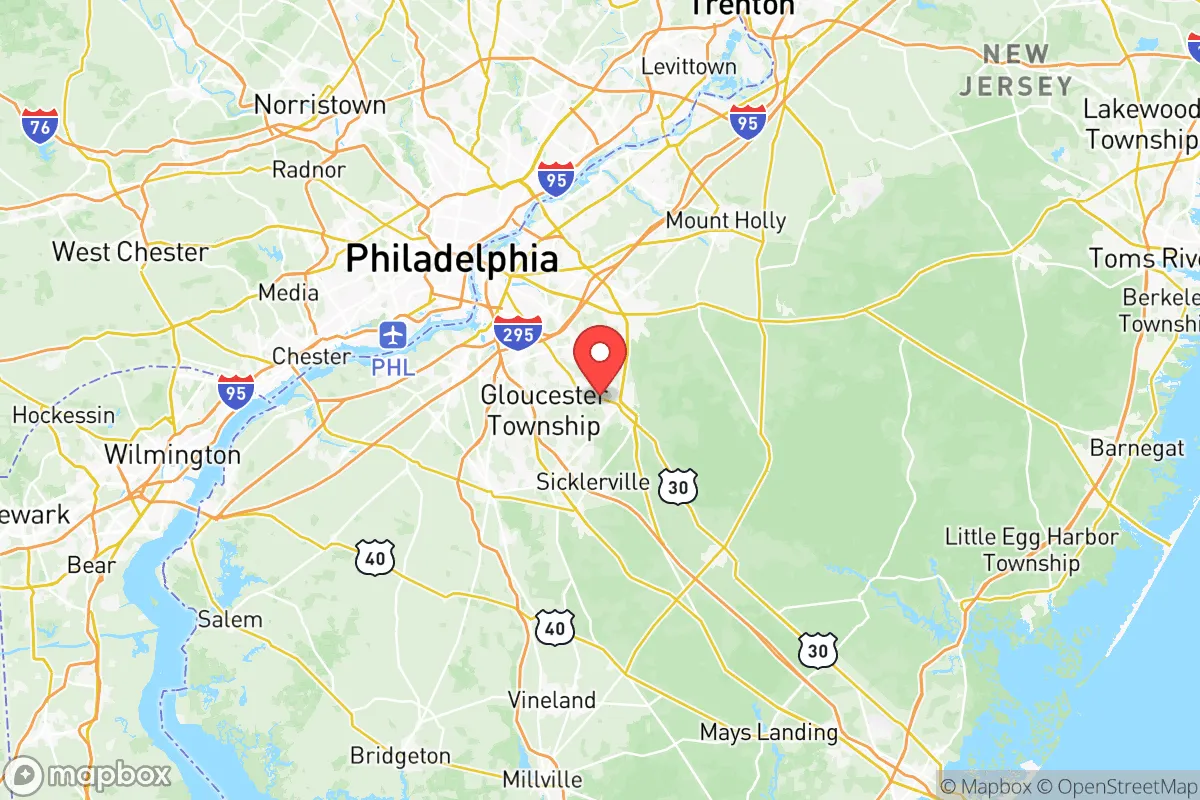
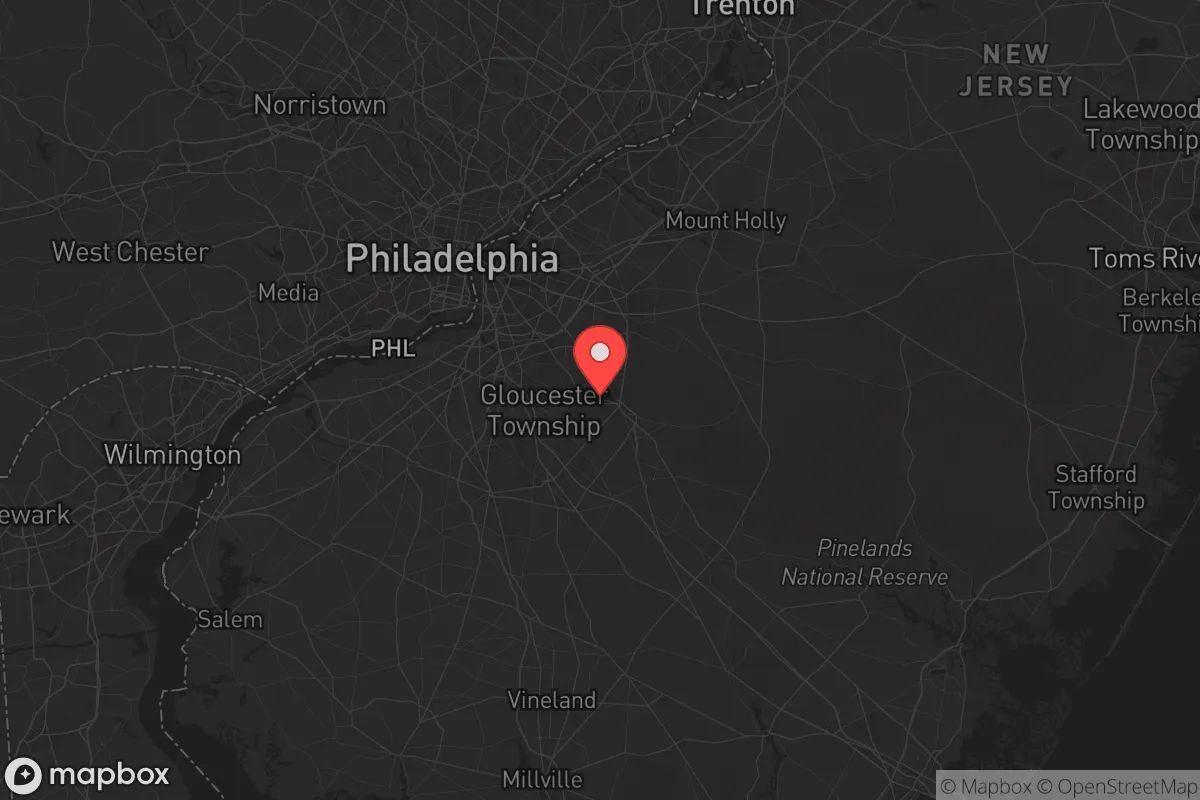
Camden County, New Jersey, sits in a precarious but potentially strategic position for the conservative prepper or survivalist. On one hand, its location directly across the Delaware River from Philadelphia places it in the crosshairs of any major civil unrest, mass casualty event, or supply chain collapse originating from that major urban center. On the other hand, the county’s own geography—a mix of dense suburban towns, industrial riverfront, and surprisingly rural southern and eastern townships—offers a few hard-to-find advantages for those willing to work around the obvious liabilities. The key is understanding that this isn’t a retreat; it’s a forward operating base with a short timeline for evacuation or hardening.
Geographic position and natural advantages for a strategic relocation
Camden County’s most underrated asset is its access to the Delaware River and the Pinelands National Reserve to the east. The river provides a massive, renewable water source and a potential transportation corridor if roads are compromised. The county’s southern and eastern reaches—towns like Winslow Township, Waterford Township, and Berlin Borough—transition into the Pine Barrens, a vast, sparsely populated region of forest, wetlands, and aquifers. This area offers natural cover, firewood, and game, though it’s not a true wilderness. For a relocator, the ability to move from a suburban home in Cherry Hill or Haddonfield to a rural property in Winslow within 20 minutes is a genuine tactical advantage. The county’s position also puts it within a 90-minute drive of the Appalachian Trail in Pennsylvania and the New Jersey Highlands, offering secondary fallback zones. However, the entire county is within the I-95 corridor, meaning any major event in the Northeast Corridor will ripple through here within hours.
Risks, exposures, and proximity to fallout-relevant landmarks
This is where Camden County becomes a hard sell for the serious prepper. The county is directly adjacent to Philadelphia, a city of 1.6 million people with a history of civil unrest, strained police relations, and a fragile supply chain. A mass casualty event, grid collapse, or food shortage in Philly would send waves of refugees across the Ben Franklin, Walt Whitman, and Betsy Ross bridges into Camden County. The county itself hosts several high-value targets: the Delaware River refineries (including the former PES refinery site in South Philadelphia, still a hazardous industrial zone), the Port of Camden (a major shipping and logistics hub), and the Cooper River industrial corridor. Any of these could be a secondary fallout zone from a conventional attack, industrial accident, or sabotage. Additionally, Joint Base McGuire-Dix-Lakehurst is only 30 miles east, a major military installation that could become a target or a staging ground for martial law. The county’s proximity to Philadelphia International Airport (just across the river) adds another layer of risk—airborne contamination or a no-fly zone would complicate any evacuation.
Practical resilience for a relocator: food, water, energy, and defensibility
For a single individual or family willing to invest, Camden County offers a mixed bag. Water is abundant—the Delaware River is a reliable source, but it requires serious filtration due to industrial runoff, sewage overflows, and saltwater intrusion during droughts. The Pine Barrens aquifer is cleaner but deeper; a well in Winslow or Waterford is a solid bet. Food is a challenge: the county has little agricultural land left, though small farms in Berlin and Winslow produce some vegetables and poultry. Most food comes via the I-95 corridor, which would be cut off in a major event. Stockpiling is non-negotiable. Energy is a bright spot: the county has a mix of grid power, natural gas, and some solar potential. The PSEG nuclear plant in Salem County (30 miles south) is a risk, but also a potential power source if the grid holds. For off-grid living, the Pine Barrens offer wood for heating, but solar panels are a better bet for reliability. Defensibility is the weak link. Most of Camden County is suburban sprawl—dense neighborhoods, strip malls, and choke points like the bridges over the Cooper River. A rural property in Winslow or Waterford, set back from main roads, offers some buffer, but you’re still within 20 miles of Philly. A bug-out location in the Poconos or central Pennsylvania is strongly recommended as a secondary plan.
The overall strategic picture for Camden County is one of calculated risk. It’s not a survivalist paradise—far from it. But for a relocator who values proximity to the Northeast’s economic and political centers while maintaining a realistic escape route, it has a narrow window of utility. The conservative prepper should view this area as a staging ground, not a final destination. Hardening a home in Winslow Township or Waterford Township with water storage, solar, and a defensible perimeter is feasible, but the plan must include a trigger point for evacuation to the Pine Barrens or further west. The county’s real value is its dual nature: suburban convenience for daily life, with a rural fringe that can be leveraged in a crisis. Just don’t mistake it for a fortress. The bridges, the refineries, and the proximity to Philly are liabilities that no amount of prepping can fully mitigate. If you’re serious about long-term resilience, Camden County is a place to pass through, not to dig in.

* Values derived from national, state, county, city and local statistics and may differ in a specific area. Last updated: 2026-05-28T06:42:49.000Z
Narrative content on this page is AI-generated and may contain mistakes. Verify any details that matter before acting on them.
ReloMaps may earn a commission from affiliate links at no extra cost to you.

