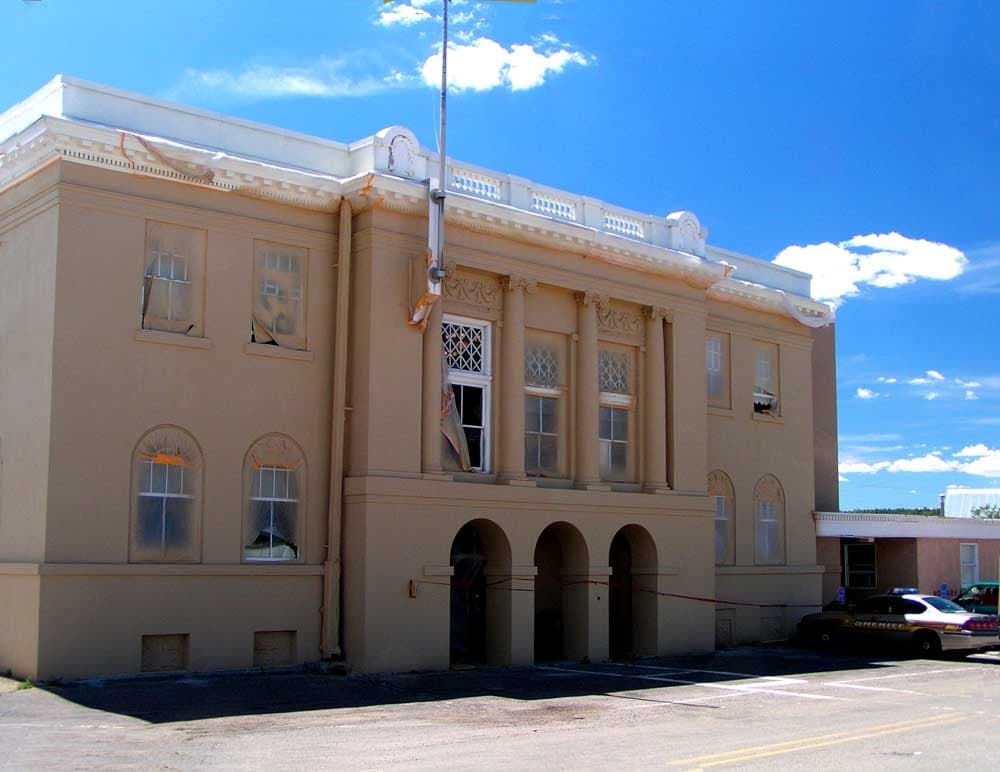
Photo: Wikipedia
Quality of Life in Rio Arriba County
A livable area that tracks near national norms for affordability, walkability, and neighborhood health.
What does Quality of Life tell us?
Quality of Life measures an area by evaluating factors like cost of living, nearby amenities, country club access, airport proximity, socioeconomic signals and neighborhood character. For large states, this is a general average — quality of life can vary dramatically between metro areas, suburbs, and rural communities within the same state.
What does this tell us?
Quality of Life measures an area by evaluating factors like cost of living, nearby amenities, country club access, airport proximity, socioeconomic signals and neighborhood character. For large states, this is a general average — quality of life can vary dramatically between metro areas, suburbs, and rural communities within the same state.
Cost of Living
28% below national average
82%
The Real Cost of Living in Rio Arriba County for 2026
| Tier | Individual | Family (4) |
|---|---|---|
| Survival | $12k | $23k |
| Comfortable | $45k | $66k |
| Luxury | $97k+ | $151k+ |
| Elite (Top 5%) | $122k+ | $189k+ |
Quality-of-Life Analysis
Rio Arriba County spans a dramatic spectrum of living environments, from the historic county seat of Española to remote mountain villages along the High Road to Taos and the Chama River valley. The county draws a mix of longtime Hispano families, artists seeking solitude, outdoor recreationists, and commuters working in Los Alamos or Santa Fe. Daily life varies sharply depending on whether one lives in a compact town with services or a tiny unincorporated community accessible only by winding two-lane roads.
Largest town(s) & population centers
Española is the county’s largest municipality and commercial hub, with roughly 10,000 residents. It offers the widest range of services: grocery stores, medical clinics, a hospital (Presbyterian Española Hospital), and retail along Riverside Drive. Daily life here is car-dependent but walkable in the compact downtown core. The median home value countywide is $230,900, and median rent is $760 — well below state averages. The average commute of 28.8 minutes reflects many residents driving to jobs at Los Alamos National Laboratory (about 30 minutes south) or Santa Fe (45 minutes). Española’s cost of living index of 72 (100 = US average) makes it one of the more affordable population centers in northern New Mexico. The town has a strong sense of community centered on the annual Española Valley Fiesta and the nearby Santa Clara Pueblo.
Smaller towns & rural pockets
North of Española, Chimayó is a census-designated place famous for El Santuario de Chimayó, a pilgrimage site drawing thousands each year. Life here is quieter, with small farms, art galleries, and a slower pace. Abiquiú, home to Georgia O’Keeffe’s former residence, offers stunning red-rock scenery and a tiny population; it has a post office, a general store, and little else in the way of services. Further north, Chama is a mountain town near the Colorado border, known for the Cumbres & Toltec Scenic Railroad and access to the Rio Chama and Carson National Forest. Chama’s economy leans heavily on tourism and seasonal recreation. Unincorporated areas like El Rito and Truchas sit along the High Road, with historic adobe homes, artisan studios, and limited infrastructure — no grocery store, often no gas station. These pockets attract those seeking extreme quiet, dark skies, and a connection to traditional Northern New Mexican culture.
Cost & lifestyle range
The cost of living varies significantly across the county. Española sits at the lower end: a typical two-bedroom rental runs $760, and home prices often fall below the county median. Utilities and groceries are slightly below national averages. At the upper end, Chama and Abiquiú see higher home prices due to vacation and second-home demand — a riverfront cabin near Chama can exceed $400,000, while a historic adobe in Abiquiú with views may list above $500,000. However, property taxes remain low (New Mexico’s effective rate is about 0.55%). The lifestyle range is equally broad: Española offers schools, a hospital, and chain retailers; Chimayó and El Rito offer solitude but require a 20–40 minute drive for a full grocery run. Internet access is reliable in towns but spotty in deep rural areas. The county’s overall COL index of 72 makes it one of the most affordable in the state, but the trade-off is limited job diversity outside government, healthcare, and tourism.
Rio Arriba County best suits people who value affordability, cultural heritage, and outdoor access over urban amenities. Retirees on fixed incomes, remote workers with reliable internet, and artists seeking low-cost studio space thrive here. Families often settle in Española for school and service access, while homesteaders and off-grid enthusiasts gravitate toward the remote villages. The county’s mix of compact town life and deep rural isolation means newcomers should carefully match their lifestyle expectations to a specific community — the difference between Española and Truchas is not just miles, but a fundamentally different daily rhythm.

Crime in Rio Arriba County
Higher crime rates than 67% of comparable U.S. locations.
Violent CrimeViolent Crime Analysis
Property CrimeProperty Crime Analysis
Crime Analysis
Rio Arriba County, NM, reports a violent crime rate of 598.5 per 100,000 residents and a property crime rate of 2,174.8 per 100,000, both well above New Mexico state averages and the national medians. The county’s safety landscape is heavily shaped by its largest municipality, Española, and by the policies of the First Judicial District Attorney’s office, which covers Los Alamos, Rio Arriba, and Santa Fe counties. Progressive prosecutorial approaches in that office have contributed to a perception that repeat offenders cycle quickly through the system, undermining both victim justice and public confidence.
Crime in context
Rio Arriba County’s violent crime rate of 598.5 per 100,000 is roughly 1.6 times the New Mexico state rate of about 373 per 100,000 and nearly double the national average. Property crime at 2,174.8 per 100,000 similarly exceeds state figures, with burglary, larceny, and motor vehicle theft concentrated in Española’s commercial corridors and along the U.S. 84/285 corridor. By comparison, the small village of Chama in the northern part of the county sees far fewer incidents due to low population density and heavy tourist traffic that brings concentrated law enforcement presence during ski and fishing seasons. Tierra Amarilla, the county seat, experiences moderate crime centered around government offices and the courthouse. The contrast is stark: the First Judicial District’s lenient charging and diversion policies in Santa Fe have a direct spillover effect into Rio Arriba, as many offenders arrested in Española are released on pretrial supervision with few consequences, only to re-offend in the county’s unincorporated areas.
What residents experience
Daily life in Rio Arriba County is marked by a high level of property crime, particularly vehicle break-ins and package theft in Española’s west-side neighborhoods near the Rio Grande. Violent crime manifests overwhelmingly as aggravated assault and robbery, often tied to domestic disputes and drug-related turf conflicts involving fentanyl trafficking along the U.S. 84 corridor. Residents in Dulce, on the Jicarilla Apache Nation, report a different set of concerns: tribal police handle many calls, but jurisdictional disputes with Rio Arriba County deputies leave some incidents unaddressed. The county’s proximity to the state’s largest progressive DA’s office means repeat offenders in Española routinely avoid prison time, creating a revolving-door dynamic that frustrates local business owners and homeowners. In El Rito and Abiquiú, crime is lower but residents worry about theft from vacant vacation rentals and vandalism near archaeological sites.
Neighborhood-level variation is pronounced. The most intense crime is concentrated in central Española’s Fairview-Los Luceros area, where gang presence and property crime density are highest. Safer pockets exist in northern Rio Arriba: Chama’s tourist-dependent economy keeps police staffing high and crime low, while Tierra Amarilla’s small-town atmosphere and stronger community watch reduce both violent and property incidents. Outside Española, the county’s vast rural stretches see isolated burglaries and domestic calls, but per-capita rates are misleading because population denominators are small. Anyone considering relocating to Rio Arriba County should research specific neighborhoods in Española carefully and factor in the county’s weak prosecutorial environment, which directly impacts safety for homeowners, families, and small businesses.
* Values derived from national, state, county, city and local statistics and may differ in a specific area. Last updated: 2026-05-18T12:33:21.000Z
Narrative content on this page is AI-generated and may contain mistakes. Verify any details that matter before acting on them.
ReloMaps may earn a commission from affiliate links at no extra cost to you.

