 Popular
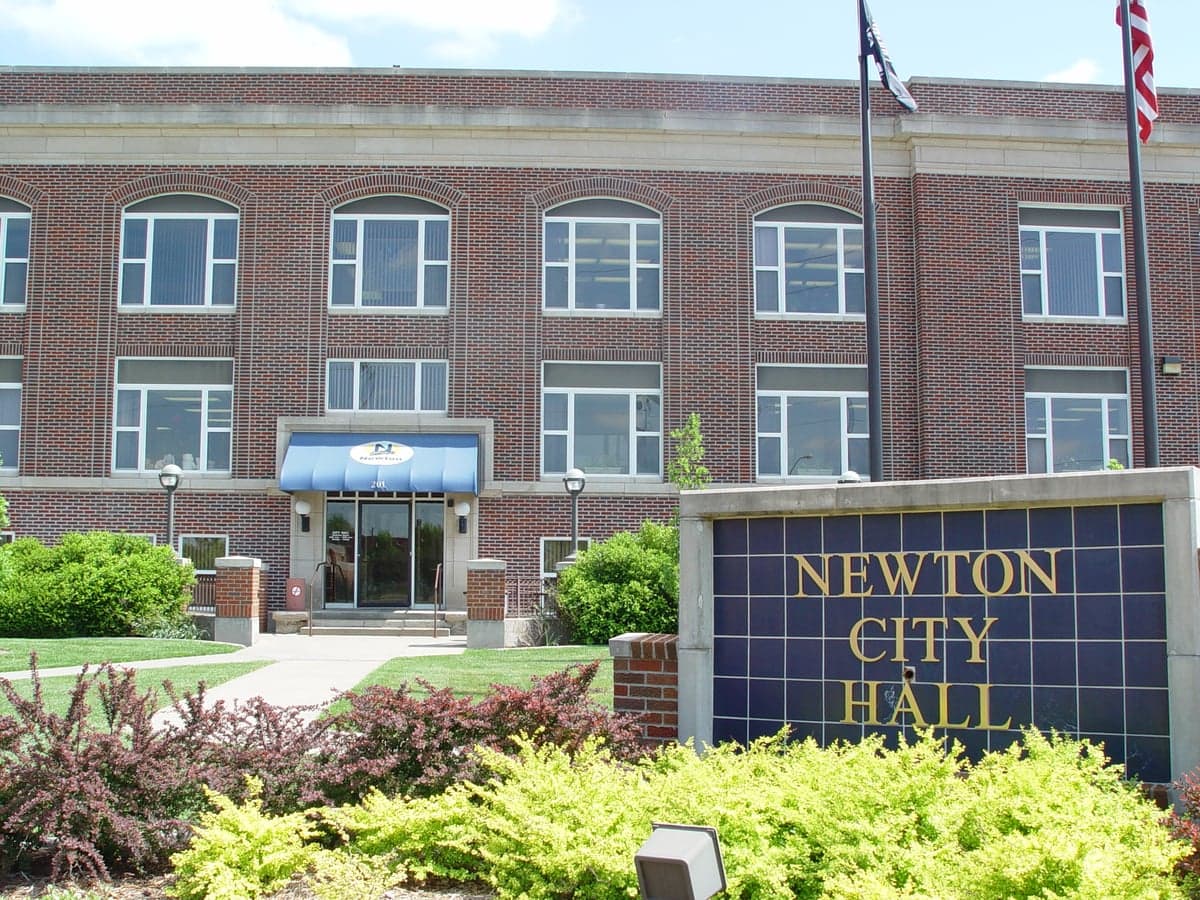
Photo: Wikipedia
Quality of Life in Newton, KS
A high quality of life with strong walkability, manageable living costs, healthy neighborhood signals, and solid amenity access.
What does Quality of Life tell us?
Quality of Life blends cost of living, nearby amenities, socioeconomic signals, and neighborhood character. City-level scores represent the whole municipality; individual neighborhoods can differ.
What does this tell us?
Quality of Life blends cost of living, nearby amenities, socioeconomic signals, and neighborhood character. City-level scores represent the whole municipality; individual neighborhoods can differ.
Cost of Living
32% below national average
The Real Cost of Living in Newton, KS for 2026
| Tier | Individual | Family (4) |
|---|---|---|
| Survival | $14k | $27k |
| Comfortable | $29k | $43k |
| Luxury | $99k+ | $154k+ |
| Elite (Top 5%) | $117k+ | $181k+ |
155%
The Area Signal
A metric tracking the socioeconomic signals of the area.
Hobbies
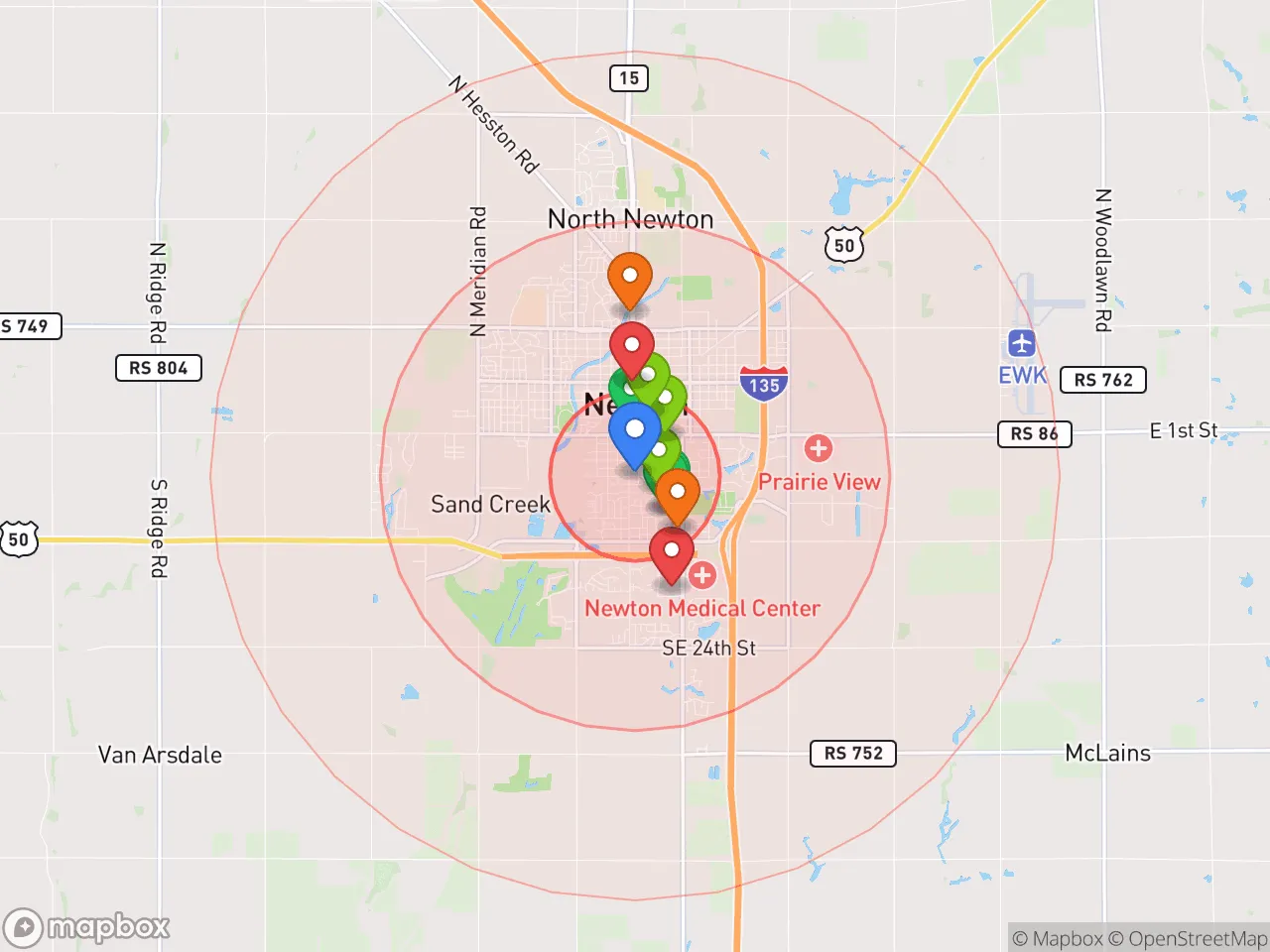
Explore the areaGroceries
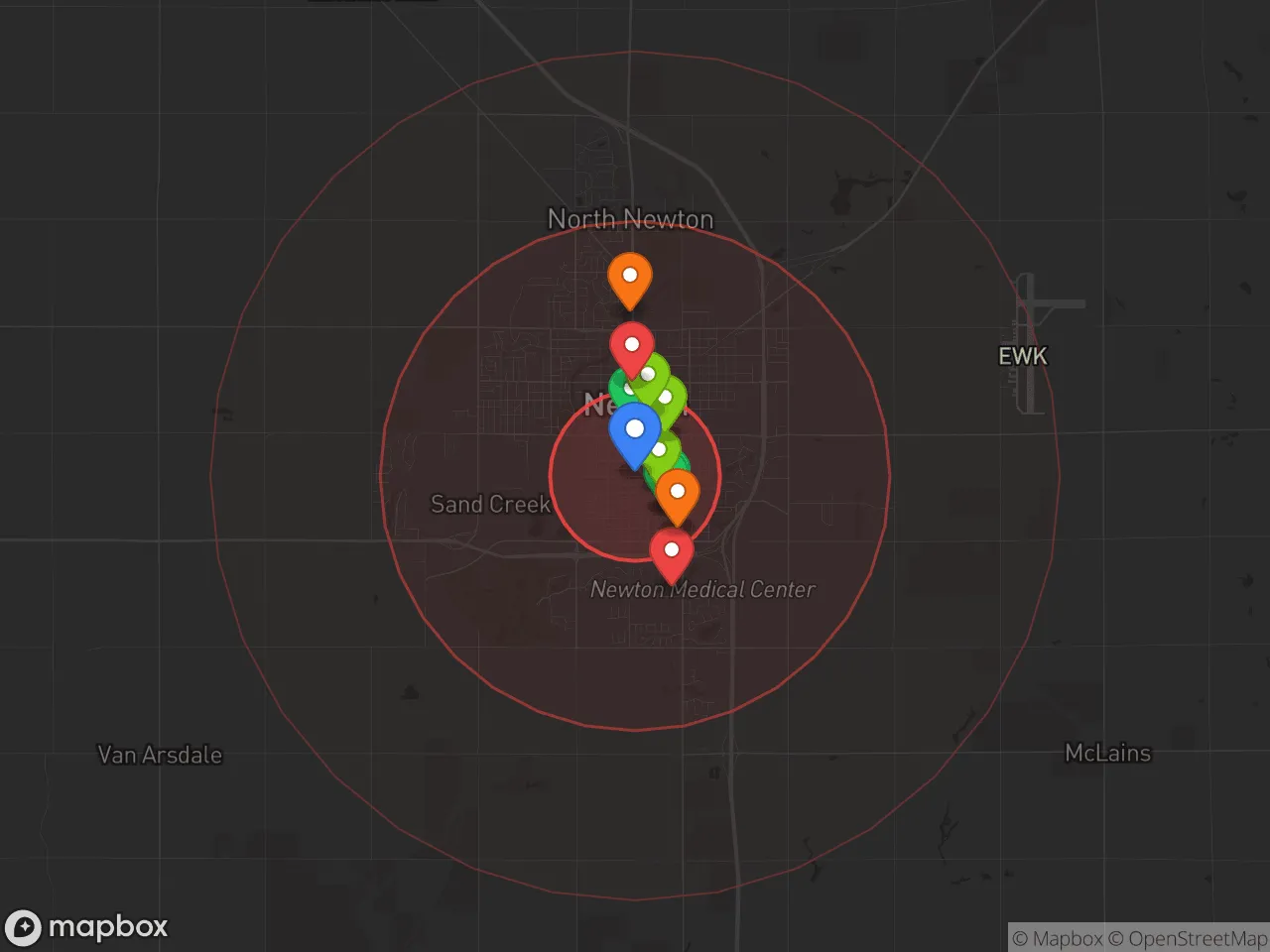
2 within 10 miles
Gas
13 within 10 miles
Hospital
3 within 20 miles
Airport
MCI — Kansas City International
Post Office
USPS — Newton, KS
Critical Amenities
Quality-of-Life Analysis
Newton, Kansas, offers a quality of life defined by small-town affordability and a strong sense of community, attracting a mix of families, retirees, and workers in manufacturing and healthcare. With a cost of living index of 68—well below the national average of 100—residents enjoy significant financial breathing room compared to larger Kansas cities like Wichita or Overland Park. The population skews toward middle-income households, with a notable presence of long-term locals and newcomers drawn by the area's low stress and slower pace.
Cost of living, housing, and how Newton compares to nearby areas
Newton’s housing market is a standout advantage. The median home value sits at $151,800, roughly half the national median, while median rent is $903 per month—both figures that make homeownership or renting feasible for single-income households and young families. Compared to Wichita, 25 miles south, Newton homes are about 15% cheaper, and versus the Kansas City metro, they are nearly 40% less expensive. The average commute of 20.5 minutes is shorter than the national average of 26 minutes, meaning less time in the car and more time at home. Property taxes in Harvey County are moderate, and utilities remain below the U.S. norm, further stretching household budgets. For renters, the $903 median rent is notably lower than the $1,200+ typical in Wichita’s newer complexes, making Newton a practical choice for those prioritizing savings.
Local amenities, schools, and what daily life feels like
Daily life in Newton centers on a walkable downtown with local eateries, a historic courthouse square, and community events like the annual Newton BBQ Throwdown. The Newton USD 373 school district serves the area, with Newton High School offering a range of extracurriculars and a student-teacher ratio of about 14:1. For healthcare, Newton Medical Center provides emergency and primary care, while specialty services require a 30-minute drive to Wichita. Parks like Athletic Park and the Newton Recreation Commission offer sports leagues and walking trails, and the nearby Sand Creek Station golf course adds recreation options. The city’s rhythm is quiet and predictable—most retail and dining close by 9 p.m., and weekend traffic is minimal. Residents often commute to Wichita for major shopping or entertainment, but the trade-off is a lower crime rate than the national average and a strong sense of neighborly trust.
Newton is best suited for those who value financial stability over urban excitement. Families with school-age children benefit from the affordable housing and short commutes, while retirees appreciate the low cost of living and access to basic services. Professionals working in Wichita’s aerospace or healthcare sectors will find the 20-minute drive manageable, and remote workers can leverage Newton’s lower rent to maximize savings. However, those seeking nightlife, diverse dining, or rapid career growth may find the pace too slow. For anyone prioritizing a safe, affordable, and community-oriented lifestyle, Newton delivers a solid return on investment.

Crime in Newton, KS
Crime rates similar to the national median for U.S. locations.
Violent CrimeViolent Crime Analysis
Property CrimeProperty Crime Analysis
Crime Analysis
Newton, Kansas, reports crime rates that significantly exceed both state and national averages, with a violent crime rate of 728.5 per 100,000 residents and a property crime rate of 1,407.7 per 100,000. These figures place Newton in a higher-risk category compared to many other communities in Harvey County and across Kansas. The city's proximity to the Wichita metropolitan area introduces additional dynamics, as regional crime patterns and justice system policies can influence local safety conditions.
Crime in context
Newton's violent crime rate of 728.5 per 100,000 is roughly double the national average and substantially higher than the Kansas state average of approximately 400 per 100,000. Property crime, at 1,407.7 per 100,000, also exceeds the national benchmark of around 1,950 per 100,000 but is notably lower than the violent crime disparity. The city's location within the Wichita metropolitan statistical area means it is subject to regional crime trends, including drug trafficking and property offenses that flow along the I-135 corridor. A critical factor for residents to consider is the judicial philosophy of local and county prosecutors. In jurisdictions where district attorneys and judges adopt progressive or lenient approaches—prioritizing offender rehabilitation over public safety—repeat offenders are more likely to remain on the streets. This directly increases the risk of victimization for law-abiding residents. While Harvey County has not adopted the most aggressive progressive policies seen in larger urban centers, the influence of regional judicial trends remains a concern for community safety.
What residents experience
For those living in Newton, the elevated violent crime rate translates into a tangible risk of assault, robbery, and aggravated incidents. Property crimes such as burglary, theft, and motor vehicle theft are also common, though less disproportionate. Daily life involves taking standard precautions: locking vehicles and homes, avoiding poorly lit areas at night, and staying informed about local crime alerts. The city's police department maintains a visible presence, but the effectiveness of enforcement is often undermined when the justice system fails to hold offenders accountable. Residents in neighborhoods closer to the downtown core and along major transit routes report higher incident frequencies, while outlying residential areas tend to experience fewer problems. The broader context of a progressive judicial environment—even if not fully realized in Newton itself—means that criminals released early or given lenient sentences from nearby jurisdictions can easily travel into the city, compounding local safety challenges.
Neighborhood-level variation in Newton is notable. Areas east of Main Street and near the railroad tracks have historically seen higher crime concentrations, while newer subdivisions on the west and south sides of town generally report lower incident rates. However, the city's small size means that no neighborhood is entirely insulated from the elevated citywide averages. Prospective residents should consult the Newton Police Department's annual crime reports and consider visiting different areas at various times of day to assess their comfort level. The combination of high violent crime rates and the potential for lenient judicial outcomes makes thorough due diligence essential for anyone considering a move to Newton.
* Values derived from national, state, county, city and local statistics and may differ in a specific area. Last updated: 2026-04-30T13:17:12.000Z
Narrative content on this page is AI-generated and may contain mistakes. Verify any details that matter before acting on them.
ReloMaps may earn a commission from affiliate links at no extra cost to you.

