Photo: Wikipedia
Quality of Life in Catawba County
A livable area that tracks near national norms for affordability, walkability, and neighborhood health.
What does Quality of Life tell us?
Quality of Life measures an area by evaluating factors like cost of living, nearby amenities, country club access, airport proximity, socioeconomic signals and neighborhood character. For large states, this is a general average — quality of life can vary dramatically between metro areas, suburbs, and rural communities within the same state.
What does this tell us?
Quality of Life measures an area by evaluating factors like cost of living, nearby amenities, country club access, airport proximity, socioeconomic signals and neighborhood character. For large states, this is a general average — quality of life can vary dramatically between metro areas, suburbs, and rural communities within the same state.
Cost of Living
23% below national average
104%
The Real Cost of Living in Catawba County for 2026
| Tier | Individual | Family (4) |
|---|---|---|
| Survival | $14k | $27k |
| Comfortable | $42k | $62k |
| Luxury | $117k+ | $181k+ |
| Elite (Top 5%) | $142k+ | $219k+ |
Quality-of-Life Analysis
Catawba County offers a distinct quality-of-life spectrum that ranges from the bustling, amenity-rich city of Hickory to quiet, unincorporated crossroads like Sherrills Ford and St. Stephens. The county’s character is defined by its position in the Catawba Valley, where the legacy of furniture and textile manufacturing has given way to a diversified economy in healthcare, advanced manufacturing, and logistics. People drawn to the county typically fall into two camps: those seeking the convenience and cultural offerings of a mid-sized city, and those prioritizing space, lower taxes, and a slower pace in the county’s smaller towns and rural stretches.
Largest town(s) & population centers
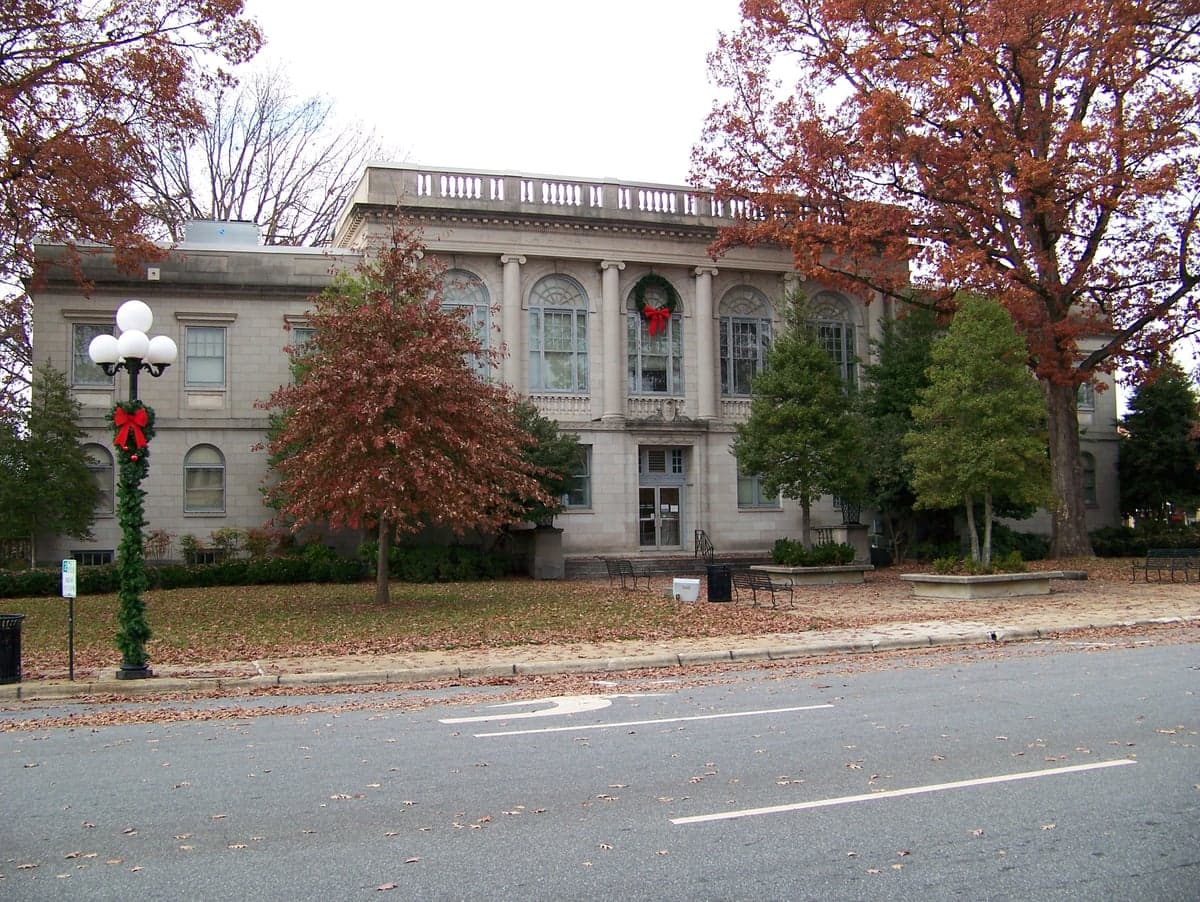
Hickory is the undisputed hub, home to roughly 44,000 residents and the region’s primary employment center. Daily life here centers around the Valley Hills Mall, the Hickory Metro Convention Center, and a growing downtown dining and brewery scene along Union Square. Commuters benefit from a median commute of just 22.7 minutes, well below the national average, making it feasible to live in outlying areas and work in Hickory. Newton (pop. ~13,000) and Conover (pop. ~8,500) function as secondary population centers. Newton serves as the county seat, with a historic courthouse square and a slower, more residential feel. Conover, just south of Hickory, has a strong industrial base anchored by CommScope and Corning, and offers more affordable housing than Hickory proper. Life in these towns is car-dependent but not congested, with most errands and services within a 10-15 minute drive.
Smaller towns & rural pockets
Beyond the main towns, Catawba County contains several distinct smaller communities. Claremont (pop. ~1,700) is a quiet bedroom community along the Catawba River with a small downtown and easy access to I-40. Long View (pop. ~5,000) is a town that straddles the Catawba-Burke county line, offering older, modest homes and a strong sense of local identity. Sherrills Ford, an unincorporated area on Lake Norman’s northern shore, has seen significant growth as a lake-oriented suburb, with newer subdivisions and a median home value well above the county average. St. Stephens, also unincorporated, is a rural crossroads with a mix of farmland and newer single-family homes, served by the St. Stephens school district. Balls Creek and Mountain View are other unincorporated areas where land is more plentiful and homes are often older or custom-built, appealing to those who want acreage without being completely isolated.
Cost & lifestyle range
The county’s cost of living index of 77 (23% below the U.S. average) masks a meaningful spread in housing costs. At the low end, Conover and Claremont offer median home values around $180,000–$200,000, with rents often below the county median of $891. These areas attract first-time buyers and families on tighter budgets. At the high end, Sherrills Ford and lakefront portions of Hickory’s Lake Hickory neighborhoods push median home values above $350,000, with some properties exceeding $600,000. The lifestyle range is equally broad: in Hickory and Newton, residents have access to the Hickory Museum of Art, the SALT Block cultural campus, and multiple grocery and retail options. In Sherrills Ford or St. Stephens, daily life revolves around the lake, local churches, and volunteer fire departments, with a 15-20 minute drive required for most shopping. Property taxes are low across the county (the county rate is roughly $0.54 per $100 of assessed value), but rural areas have no municipal taxes, making them even cheaper to own in.
The county works best for people who value affordability and short commutes over urban density. Families with school-age children often gravitate to Newton or Conover for their respected public schools, while retirees and lake enthusiasts favor Sherrills Ford and the Lake Hickory shoreline. Remote workers and creatives are increasingly drawn to Hickory’s revitalized downtown, where a $1,200/month one-bedroom apartment is still common. The county’s overall character is pragmatic and family-oriented, with a strong manufacturing and healthcare employment base that keeps the economy stable even as the region grows.

Crime in Catawba County
Crime rates similar to the national median for U.S. locations.
Violent CrimeViolent Crime Analysis
Property CrimeProperty Crime Analysis
Crime Analysis
Catawba County, situated in the heart of North Carolina's Piedmont region, presents a mixed safety profile that is heavily influenced by its largest city, Hickory. The county's overall violent crime rate of 309.4 incidents per 100,000 residents sits slightly below the national average but above the state average for North Carolina. Property crime, however, is a more pressing concern, with a rate of 1,689.6 per 100,000, which exceeds both state and national benchmarks. Residents and prospective movers should understand that safety conditions vary significantly between the county's urban core and its smaller, more rural towns.
Crime in context
When compared to North Carolina as a whole, Catawba County's violent crime rate is roughly 10% higher than the state average, though it remains lower than the rates seen in major urban centers like Charlotte or Greensboro. The property crime rate, however, is a standout negative, running approximately 15% above the state average and nearly 20% above the national median. This disparity is largely driven by incidents in Hickory, the county seat and economic hub, where property crimes such as larceny and vehicle theft are concentrated. The county's judicial district, part of the 25th Prosecutorial District, has seen a shift toward more progressive policies in recent years, including the implementation of a pretrial release program that has reduced the number of individuals held in the Catawba County Detention Facility. While intended to reduce jail overcrowding, critics argue this approach has contributed to a revolving door for repeat property offenders, directly impacting public safety and victim restitution.
What residents experience
Daily life in Catawba County is not defined by random violence, but by a persistent, low-level property crime problem. Residents in Hickory, particularly in neighborhoods near the city's downtown and along the US 70 corridor, report frequent incidents of vehicle break-ins, package theft, and burglary. The city of Newton, the second-largest municipality, experiences a lower but still elevated property crime rate compared to the county's rural areas. In contrast, the towns of Conover, Claremont, and Maiden consistently report the lowest crime rates in the county, with violent crime being exceptionally rare. These smaller communities benefit from tighter-knit populations and more conservative local governance, which tends to prioritize law enforcement funding and stricter sentencing. The progressive policies of the district attorney's office in Hickory, which emphasize diversion programs and reduced incarceration for non-violent offenders, have created a noticeable safety gap between the urbanized eastern half of the county and the more rural western towns.
Neighborhood-level variation and key considerations
For those considering a move to Catawba County, neighborhood selection is critical. The safest areas are generally found in the southern and western parts of the county, including the town of Maiden and the unincorporated communities of Mountain View and Sherrills Ford. These areas benefit from lower population density and a stronger presence of the Catawba County Sheriff's Office. Conversely, the highest crime rates are concentrated in Hickory's central and southeastern neighborhoods, particularly around the Lenoir Rhyne University area and the Viewmont district. The city of Hickory's own police department has struggled with staffing shortages, which has hampered proactive policing. The broader trend in the county is one of divergence: while the small towns maintain a safe, family-friendly environment, the larger municipalities, influenced by progressive judicial policies, are seeing property crime rates that should give any prospective resident pause. A thorough review of block-level crime maps and a conversation with local law enforcement are strongly recommended before choosing a specific address.
* Values derived from national, state, county, city and local statistics and may differ in a specific area. Last updated: 2026-06-06T09:10:36.000Z
Narrative content on this page is AI-generated and may contain mistakes. Verify any details that matter before acting on them.
ReloMaps may earn a commission from affiliate links at no extra cost to you.

