 Popular
Photo: Wikipedia
Find The Best Places To Live
in Charlotte
PRO TIP! You can paste a Zillow or Redfin link to get info on that property.
What It's Like Living in Charlotte, NC
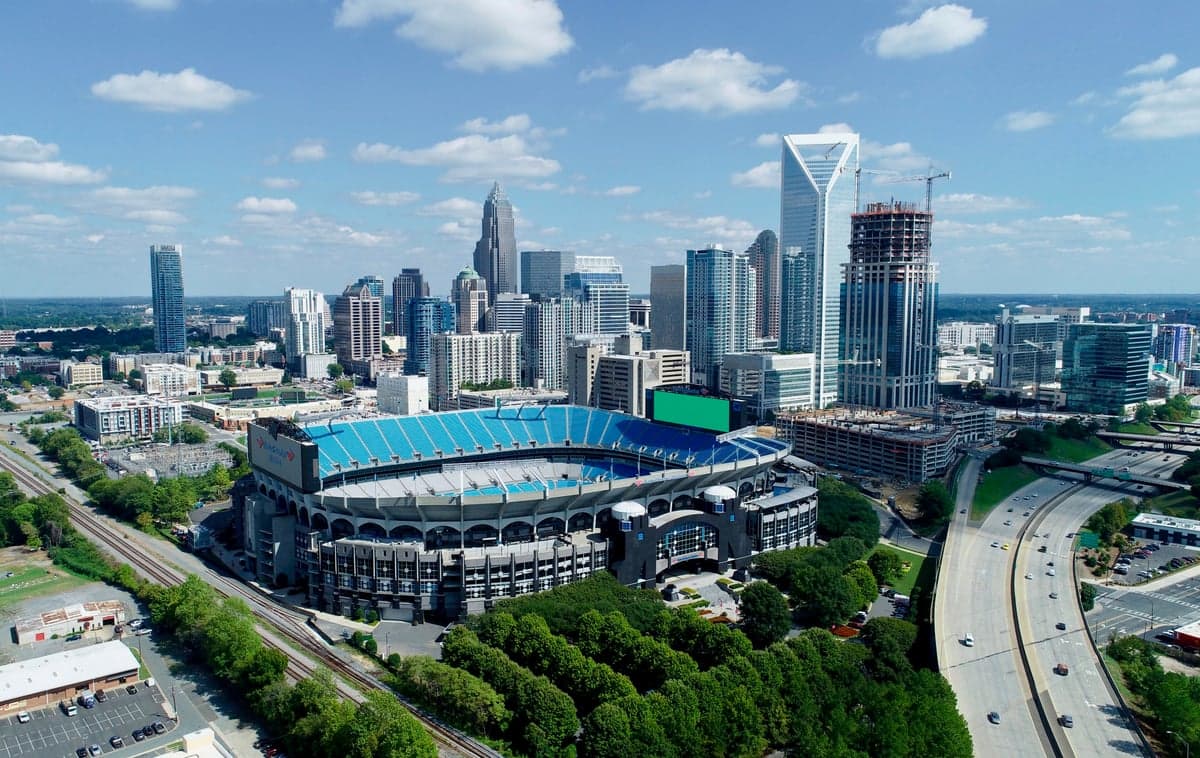
Charlotte hits you as a city that’s still figuring out what it wants to be when it grows up—and it’s growing fast. You’ll feel it in the constant construction cranes dotting the skyline and the way conversations at a South End brewery often start with “So where’d you move here from?” The vibe is ambitious but approachable, a Southern city with a Midwestern work ethic and a bank-teller’s polish. It’s a place where you can wear a suit to a Panthers game and nobody blinks, but also where you’ll find folks in Carhartt jackets sipping craft IPAs next to finance guys in Patagonia vests.
The Daily Rhythm: Banking, Barbecue, and the Commute Grind
Most weekdays in Charlotte start early, fueled by a drive-thru biscuit from Bojangles’ or a pour-over from a local shop like Undercurrent Coffee in Plaza Midwood. The city’s economy runs on banking—Bank of America and Truist are headquartered here, and Wells Fargo has a massive regional hub—so a huge chunk of the workforce is in suits or business casual. But the median income of $78,438 tells you it’s not just bankers; healthcare (Atrium Health, Novant), energy (Duke Energy), and a growing tech scene (Lowe’s HQ is just up the road in Mooresville) round out the job base. The average commute of about 25 minutes sounds manageable, but that number hides the sting of I-77 and I-485, which can turn a 15-mile drive into a 45-minute crawl during rush hour. Locals learn to time their departures or embrace the LYNX Blue Line light rail, which connects Uptown to South End and UNC Charlotte.
After work, the city splits into camps. Young professionals head to South End for breweries like Sycamore Brewing (the patio is always packed) or the Optimist Hall food hall. Families retreat to neighborhoods like Dilworth, Myers Park, or the Ballantyne area, where the evening rhythm involves youth soccer practice, dinner at a local spot like Midwood Smokehouse, and a early bedtime. The median age of 34.4 reflects a city heavy on millennials and young families, but the cost of living index of 127 (well above the national average) means that $78K income gets squeezed by housing. Rents for a one-bedroom in a desirable neighborhood often push $1,600+, and the median home value of $351,500 has climbed sharply since 2020, pricing out some first-time buyers.
Sports, Saturdays, and the Social Fabric
Charlotte is a sports town, but not in the obsessive way you see in, say, Green Bay or Boston. The Carolina Panthers (NFL) draw passionate crowds to Bank of America Stadium, though the energy has cooled with recent losing seasons. The Charlotte Hornets (NBA) have a loyal following, but the real buzz is around Charlotte FC (MLS), whose matches at Bank of America Stadium have become a genuine cultural event—expect a sea of teal and black, drum lines, and a rowdy supporters’ section. College sports are huge too, with Duke and UNC Chapel Hill just a couple hours away, so you’ll see plenty of Tar Heels and Blue Devils gear on game days. High school football is big in the suburbs—Weddington and Providence Day routinely produce D-I talent—but it’s not the all-consuming force it is in rural Texas or Georgia.
Weekends here are built around the weather (hot and humid summers, mild winters) and a calendar packed with festivals. Charlotte SHOUT! in spring turns Uptown into a block party with music and art installations. The Carolina Renaissance Festival draws families every fall. For outdoors, the U.S. National Whitewater Center is a 15-minute drive from Uptown and offers rafting, zip-lining, and trail running—it’s a genuine gem. The Greenway system (over 50 miles of paved trails) is popular for biking and strolling, especially the Little Sugar Creek Greenway through the heart of the city. Food-wise, Charlotte punches above its weight with a strong barbecue scene (try Price’s Chicken Coop for fried chicken, a local institution) and a growing number of James Beard-nominated chefs. The city’s cultural quirk? Boiler Room in South End, a speakeasy hidden behind a hot dog stand, sums up the playful, slightly pretentious energy of the new Charlotte.
What Works, What Grates, and Who Thrives Here
The honest pros: Charlotte is a city that works. The airport (CLT) is a major hub, so you can fly direct to most U.S. cities. The schools—Charlotte-Mecklenburg Schools (CMS) are a mixed bag, with strong magnets like Providence High and struggling neighborhood schools, so parents often factor that into housing decisions. The job market is resilient, and the city is clean and well-planned compared to older East Coast metros. The honest cons: Traffic is genuinely frustrating, especially on I-77 north of the city (the toll lanes are controversial). The violent crime rate of 559.2 per 100,000 is above the national average, though it’s concentrated in specific areas and not something most residents encounter daily. The weather is humid and sticky from June through September, with thunderstorms that can flood intersections. And the city can feel a bit transient—it’s hard to find a friend who grew up here, and some locals lament the loss of old Charlotte character as chain apartments and breweries multiply.
The kind of person who fits in Charlotte is someone who’s career-driven but wants a manageable pace—not the 24/7 hustle of New York or the laid-back drift of Charleston. It suits people in their late 20s to early 40s, especially those starting families or advancing in white-collar fields. The 47.4% college-educated rate means you’ll find plenty of neighbors with similar backgrounds, but the city is also racially and economically diverse, with a strong Black middle class and growing Latino and Asian communities. If you’re conservative-leaning, you’ll find Charlotte’s politics are a mix—Mecklenburg County votes blue, but the suburbs (Union, Cabarrus, York counties) are reliably red, and the city’s business culture tends toward pragmatic, Chamber-of-Commerce conservatism. The biggest cultural quirk? Charlotteans love to complain about Charlotte while simultaneously defending it fiercely to outsiders. It’s a city with a chip on its shoulder, still trying to prove it’s a “real” big city—and in many ways, it already is.

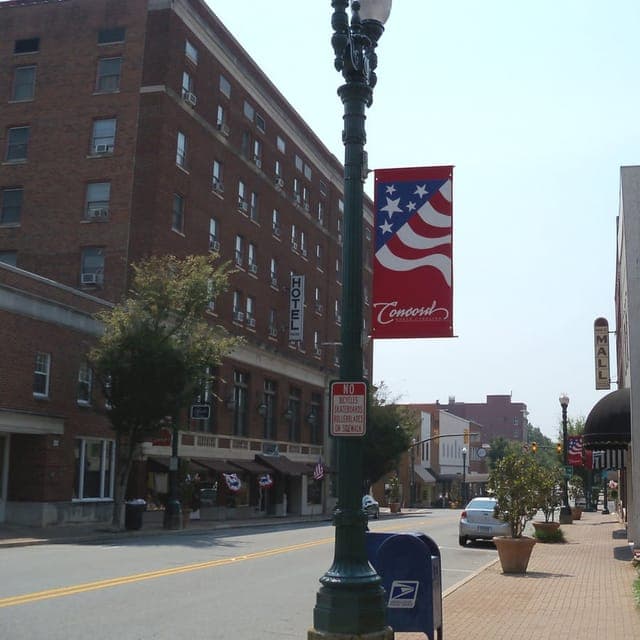
Similar mid-size cities to Charlotte
* Values derived from national, state, county, city and local statistics and may differ in a specific area. Last updated: 2026-04-21T16:24:53.000Z
Narrative content on this page is AI-generated and may contain mistakes. Verify any details that matter before acting on them.
ReloMaps may earn a commission from affiliate links at no extra cost to you.

