Political ClimatePolitical Climate in North Dakota
Political Environment in the State
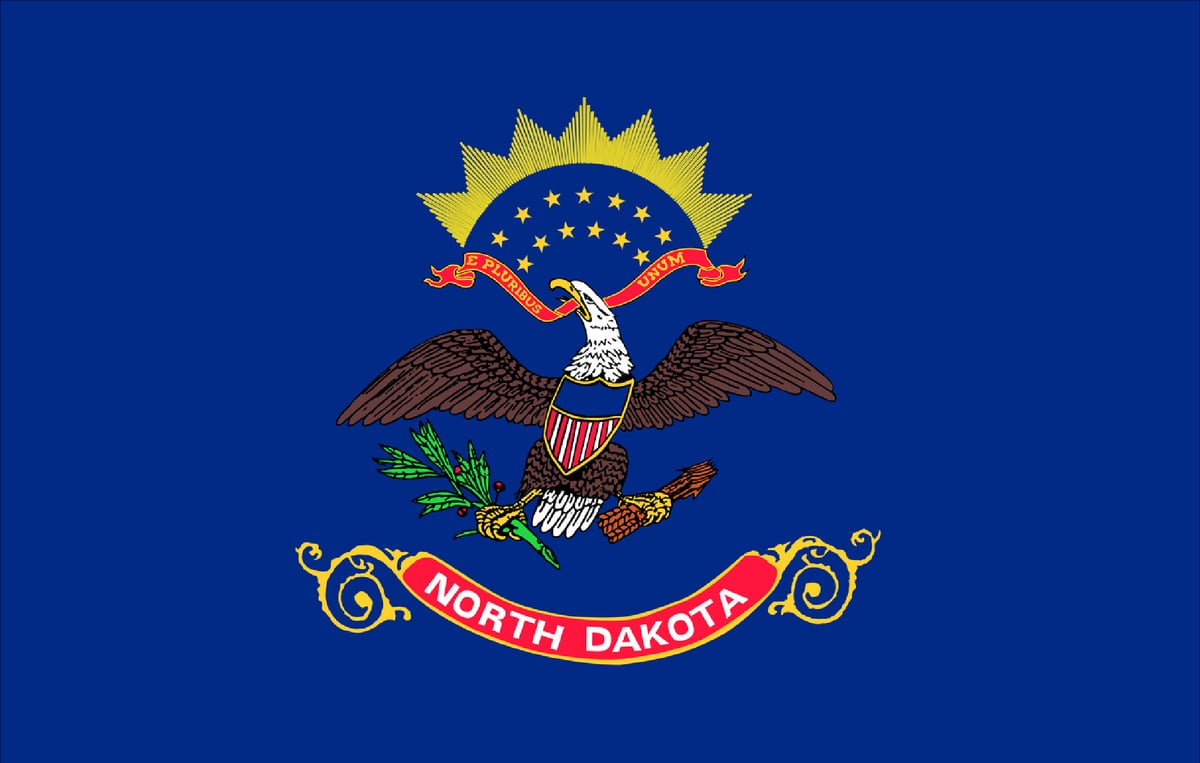
North Dakota has been a reliably Republican state for decades, with a partisan lean that has only deepened in recent years. In the 2024 presidential election, Donald Trump carried the state by over 34 points, a margin that has grown from about 20 points in 2012. The dominant political coalition is a mix of rural conservatives, energy-sector workers, and a growing number of out-of-state transplants drawn by low taxes and a business-friendly environment. While the state has a long tradition of populist and even progressive streaks—think the Nonpartisan League and the state-owned Bank of North Dakota—those influences have largely been eclipsed by a solidly conservative majority that controls both the legislature and the governor's office.
Urban vs. rural divide
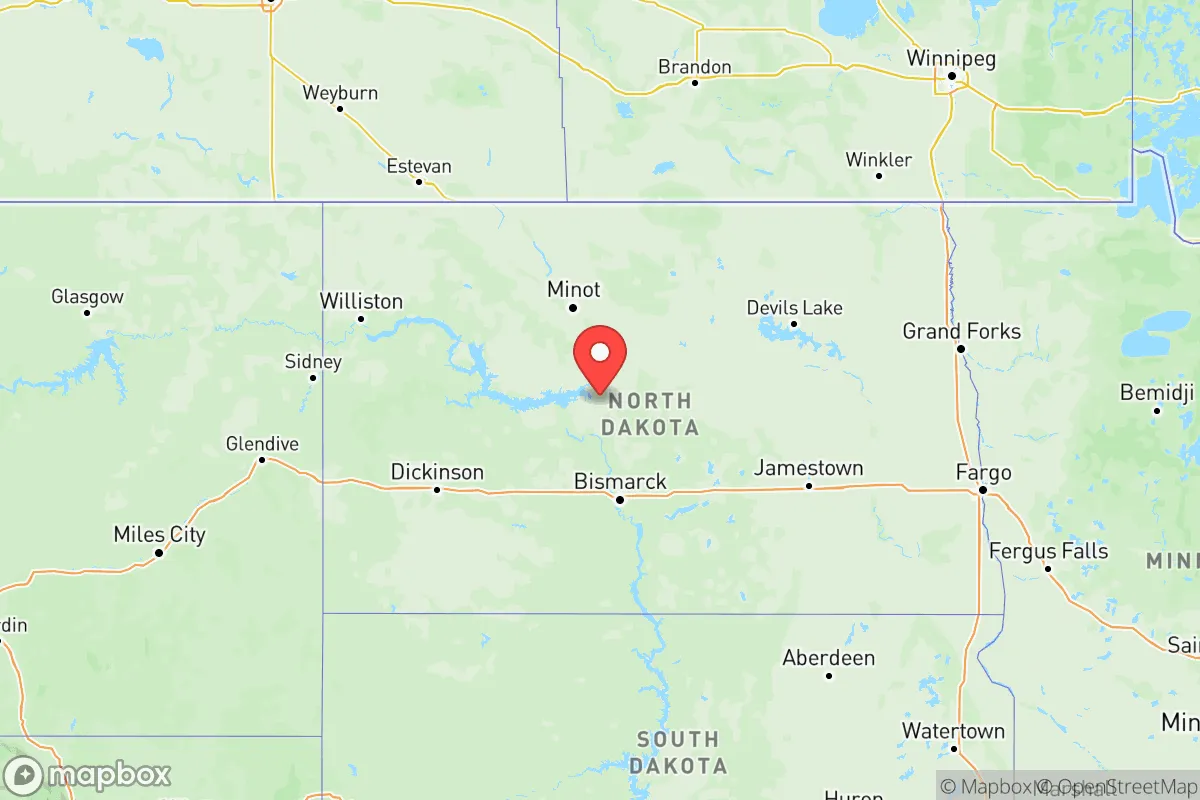
The political map of North Dakota is starkly divided between a handful of small urban centers and the vast rural expanse. The state's largest city, Fargo, is the most politically competitive area, with Cass County often voting within single digits of the national average. In 2024, Trump won Cass County by just 8 points, compared to his 34-point statewide margin. Bismarck, the capital, is more reliably red, with Burleigh County consistently voting Republican by 20-25 points. Grand Forks and Minot are also solidly conservative, though Grand Forks County has a slight moderating influence from the university population. The rural counties—especially those in the oil-rich Bakken region like McKenzie County and Williams County—are among the most Republican in the nation, often voting 80-90% for GOP candidates. The only reliably Democratic areas are the Native American reservations, such as the Turtle Mountain and Standing Rock reservations, which vote overwhelmingly for Democrats but have little statewide electoral impact due to low population and turnout.
Policy environment
North Dakota's policy environment is defined by a low-tax, limited-government philosophy. The state has no personal income tax (phased out in 2024) and a flat corporate income tax rate of 1.5%. Property taxes are relatively low, though they vary by county and are a frequent topic of local debate. The regulatory posture is business-friendly, particularly for the energy and agriculture sectors, which dominate the economy. Education policy is largely local, with school districts having significant autonomy, though the state has embraced school choice through charter schools and a robust open enrollment system. Healthcare policy is conservative: the state did not expand Medicaid under the Affordable Care Act until 2013, and it has since maintained a limited program. Election laws are among the most restrictive in the nation, with strict voter ID requirements and no same-day registration. The state also has a Republican-controlled legislature that has consistently passed laws to limit abortion access, restrict ballot initiatives, and expand gun rights.
Recent policy direction
In the last few years, North Dakota has moved decisively to the right on a broad range of issues. In 2023, the legislature passed a near-total abortion ban, with exceptions only for rape, incest, and medical emergencies. Gun laws have been loosened: the state now allows permitless carry of concealed firearms, and in 2021, it passed a "Second Amendment Sanctuary" law that prohibits state enforcement of certain federal gun regulations. On education, the state has passed laws requiring schools to post curriculum materials online and allowing parents to challenge instructional materials. In 2023, it also passed a law banning transgender girls from participating in K-12 and college sports. Property rights have been strengthened with laws limiting eminent domain and protecting landowners from pipeline-related lawsuits. Tax policy has shifted toward elimination: the personal income tax was fully repealed in 2024, and there are ongoing discussions about reducing property taxes. Voting access has been tightened: the state now requires a photo ID with a current residential address, and it has limited mail-in voting. On the other hand, the state has maintained its unique state-owned bank and a relatively robust public university system, reflecting a lingering populist streak.
Civil unrest & political movements
North Dakota has seen its share of political flashpoints, most notably the Standing Rock protests in 2016-2017, where thousands of activists from across the country gathered to oppose the Dakota Access Pipeline. The protests were a major moment of civil unrest, drawing national attention and leading to clashes between law enforcement and demonstrators. Since then, the state has passed laws to criminalize certain protest activities, including a 2019 law that makes it a felony to trespass on critical infrastructure. On the right, there is a growing populist movement, particularly in the oil patch, that is skeptical of federal authority and supportive of local control. Immigration politics are relatively quiet, as the state has a small foreign-born population, but there have been debates about refugee resettlement, particularly in Fargo and Bismarck. Election integrity has been a recurring issue, with the state's Republican secretary of state defending the state's voter ID laws against legal challenges. There is no significant secession or nullification movement, though some rural counties have discussed leaving the state to join neighboring states over perceived neglect from Bismarck.
Projection
Over the next 5-10 years, North Dakota is likely to become even more conservative, driven by demographic trends and in-migration patterns. The state's population is aging and slowly declining in rural areas, while the urban centers—especially Fargo and Bismarck—are growing, attracting younger, more educated residents. However, these new arrivals are often drawn by the state's low taxes and business climate, which tends to reinforce the conservative majority. The oil patch will continue to be a political wildcard, with boom-and-bust cycles shaping local politics. The state's Republican Party is likely to remain dominant, though internal divisions between establishment conservatives and more populist, anti-establishment factions could emerge. For a new resident, the political climate will feel stable and predictable, with little chance of a major shift in the near term. The state's policies on taxes, guns, and education are unlikely to change significantly, and the cultural conservatism of the state will remain a defining feature.
For someone moving to North Dakota, the political reality is straightforward: you are moving to a state where conservative values dominate public policy and daily life. If you align with those values, you will find a welcoming environment with low taxes, strong gun rights, and a government that is generally hands-off. If you are more liberal, you will find a state where your views are in the minority, but where the small urban centers offer some respite. The key takeaway is that North Dakota is not a swing state; it is a deeply red state that is only getting redder. Plan accordingly.

Most Conservative Cities in North Dakota
Most Liberal Cities in North Dakota
* Values derived from national, state, county, city and local statistics and may differ in a specific area. Last updated: 2026-06-16T04:23:01.000Z
Narrative content on this page is AI-generated and may contain mistakes. Verify any details that matter before acting on them.
ReloMaps may earn a commission from affiliate links at no extra cost to you.

