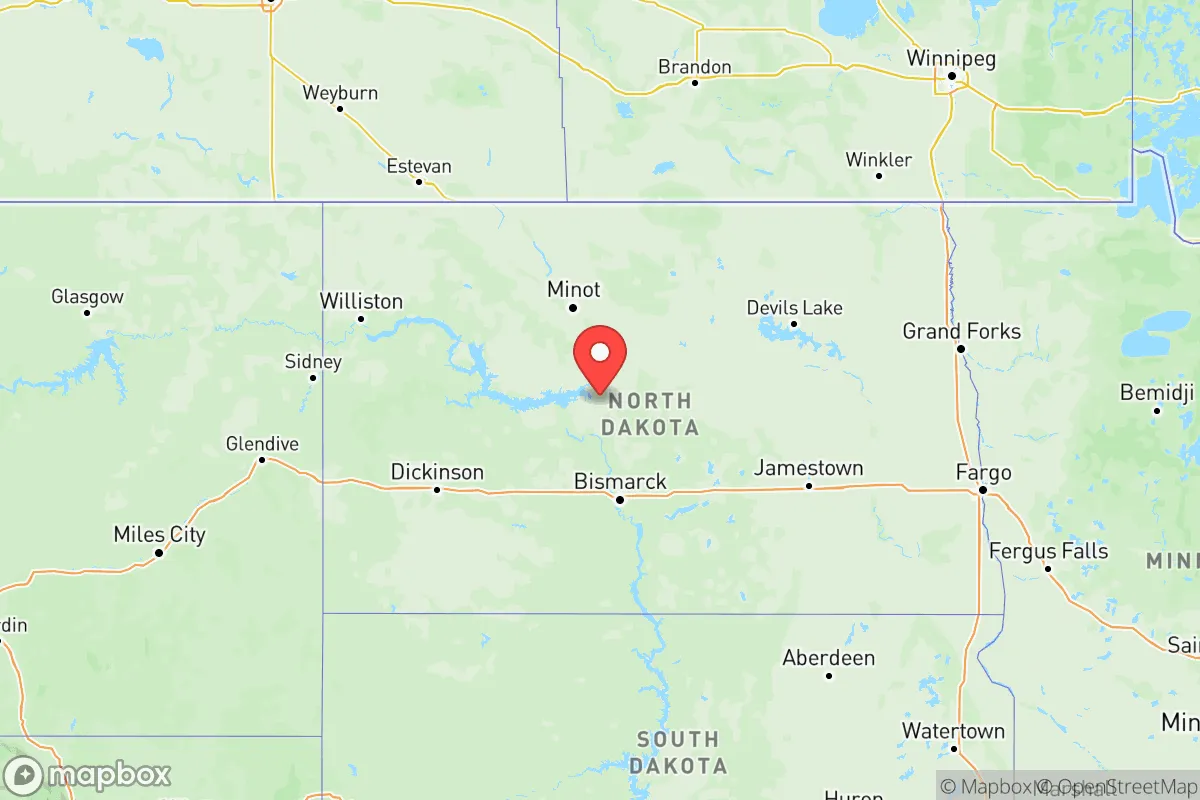
Strategic Assessment of North Dakota
Strong survivability profile. Good buffer from population centers, with manageable environmental and tactical risks.
What does the Strategic Assessment tell us?
Our Strategic Assessment grades tactical survivability of an area. Major population centers, military targets, fallout zones, natural disasters, and border exposure all drive risk — lower exposure means a more defensible position in a crisis.
This is heavily inspired by Joel Skousen's Strategic Relocation book. Highly recommended you checkout the book ($)What does this tell us?
Our Strategic Assessment grades tactical survivability of an area. Major population centers, military targets, fallout zones, natural disasters, and border exposure all drive risk — lower exposure means a more defensible position in a crisis.
This is heavily inspired by Joel Skousen's Strategic Relocation book. Highly recommended you checkout the book ($)Regional Safe Places
Below is our recommended "safe zones" in North Dakota and the surrounding area based on our strategic heuristics. For most people, it's unrealistic to live in a “safe zone” full-time due to work, family or other personal reasons. They tend to be more rural. However, many of these areas are perfect for second homes and retreat properties that double as a vacation home or even a short-term rental.
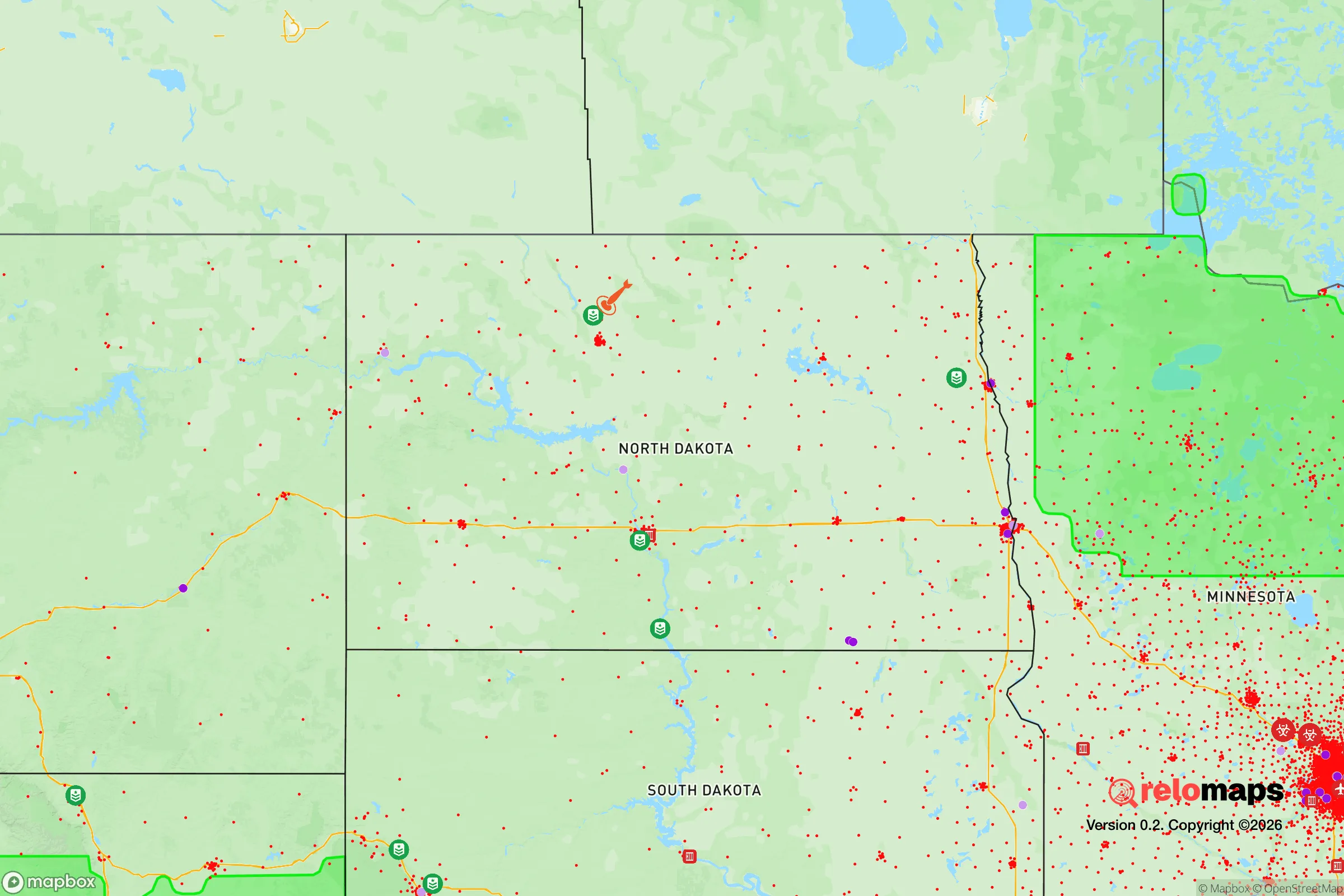
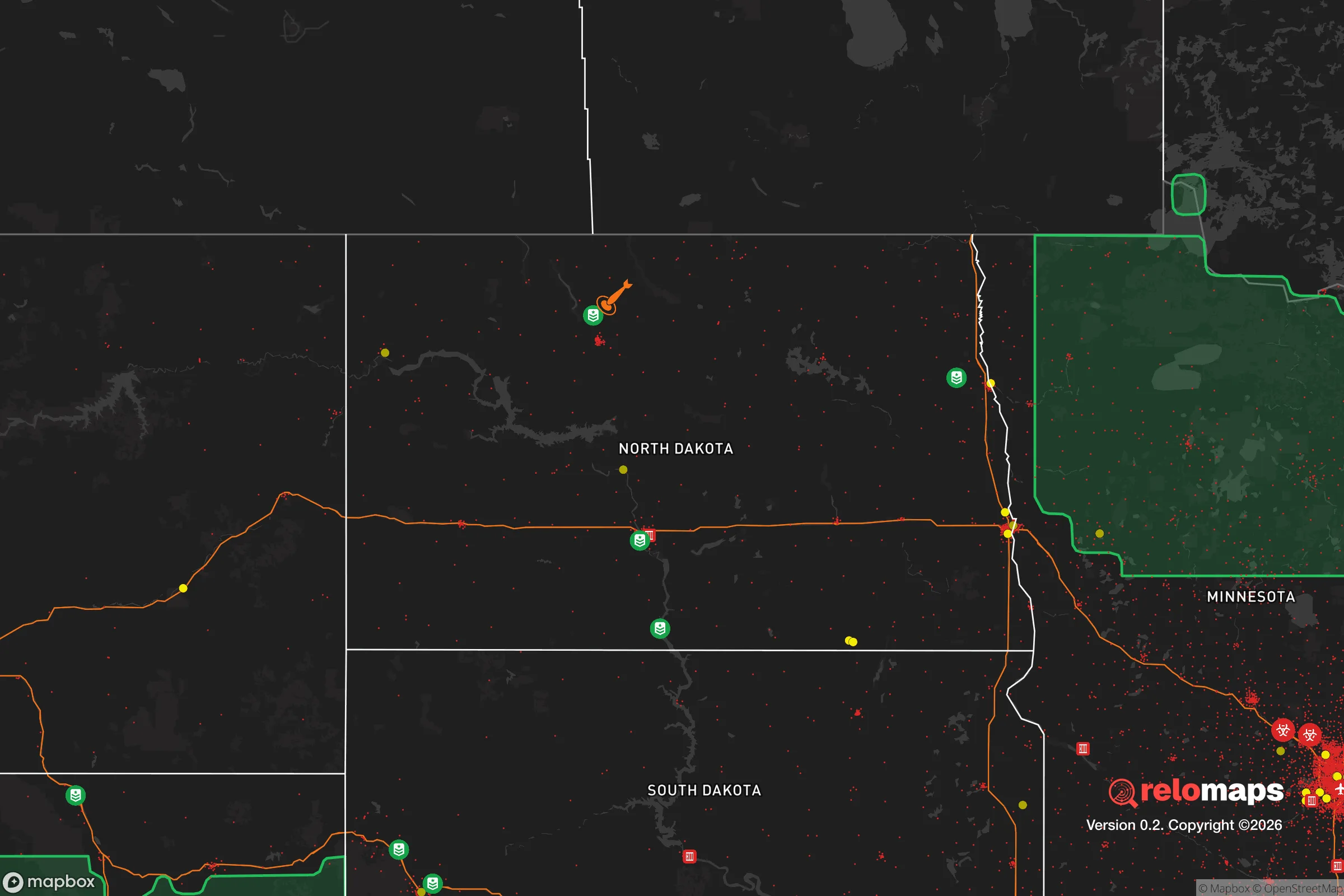


Important Note: For informational purposes only. This does not mean nothing bad ever happens in the green zones. Please use common sense. This is based on public data and modeled with AI. We tried to take a conservative approach but mistakes happen. We update this regularly as new information becomes available.
Solar Generator Recommendations
Backup power matters more here than in safer locations. We've picked three solar generators across budgets and capacity tiers — start with the budget unit if you only need a few essentials, or step up if you want to run a fridge and HVAC for days at a time.

Jackery Portable Power Station Explorer 300
Budget OptionPower on the Go: Weighing only 11 lbs, it's convenient to set up and store with book-sized foldable solar panels

BLUETTI Portable Power Station AC180
Designed for both indoor and outdoor scenarios, AC180 is highly capable as it has a robost capacity and continuous output power.

EF ECOFLOW DELTA Pro Ultra Power Station
Upgraded PickEcoFlow DELTA Pro Ultra is a whole-home energy system designed to grow with your family. Integrated with the Smart Home Panel 2, it scales to meet your evolving energy needs — keeping your home powered, intelligent, and secure through every stage of life.
We earn a commission, at no additional cost to you.
Strategic Assessment Analysis
North Dakota offers a strategic relocation option for those prioritizing resilience, self-sufficiency, and distance from major population centers and high-value targets. Its low population density, cold climate, and agricultural backbone create a unique mix of advantages and trade-offs for disaster-ready individuals and families. This assessment examines the state's geographic position, natural risks, practical resilience factors, and overall strategic picture for a conservative-leaning audience thinking seriously about preparedness.
Geographic position and natural advantages for long-term stability
North Dakota sits in the northern Great Plains, bordered by Canada to the north and Minnesota to the east. Its location provides significant strategic depth: the nearest major metropolitan area is Minneapolis-St. Paul, roughly 250 miles east of Fargo, while major West Coast cities are over 1,200 miles away. This distance from coastal population centers and critical infrastructure hubs reduces exposure to many cascading risks associated with large-scale disruptions. The state's terrain is predominantly flat to gently rolling prairie, with the Missouri River cutting through the central and western regions, providing a reliable water source. The Bakken oil fields in the western part of the state, centered around Williston and Watford City, represent a major energy asset, with thousands of active wells and associated infrastructure. The state also hosts Grand Forks Air Force Base and Minot Air Force Base, both of which are strategic military installations. While these bases provide economic stability and a strong community presence, they also represent potential targets in a conflict scenario, a factor to weigh carefully. The Missouri River system, including Lake Sakakawea and Lake Oahe, offers substantial water reserves and hydroelectric power generation, a key advantage for long-term sustainability.
Risks, exposures, and proximity to fallout-relevant landmarks
North Dakota's risk profile is notably different from many other states. Natural hazards include severe winter storms, blizzards, extreme cold, and occasional tornadoes, particularly in the eastern half. Flooding along the Red River in the east, especially around Fargo and Grand Forks, is a recurring concern, though extensive flood control infrastructure has been built. Drought and wildfire risk are present but generally lower than in the western U.S. The state is seismically stable. The most significant man-made risk comes from the Bakken oil fields, where pipeline leaks, well blowouts, and industrial accidents are possible. The presence of Minot Air Force Base (home to nuclear-capable B-52 bombers and missile wings) and Grand Forks Air Force Base (home to Global Hawk drones and space operations) introduces a distinct risk profile. These bases are potential targets in a major conflict, and their proximity to civilian populations—Minot's base is adjacent to the city of Minot—means that a direct attack or accident could have severe local consequences. However, the state's overall low population density means that even a significant event would likely affect far fewer people than a similar event in a more populated region. The Fort Berthold Indian Reservation, which sits atop significant oil reserves, also has industrial infrastructure that could be a secondary concern. For a relocator, the key trade-off is between the economic and community benefits of being near these bases and the elevated risk they represent.
Practical resilience for a relocator: food, water, energy, and defensibility
North Dakota excels in practical resilience for those willing to adapt to its climate. Food: The state is a major agricultural producer, leading the nation in crops like spring wheat, durum wheat, barley, canola, and dry edible beans. The Red River Valley in the east is exceptionally fertile. Local food production is robust, with farmers' markets, CSAs, and direct-from-farm purchasing common. Hunting (deer, pheasant, waterfowl) and fishing (walleye, northern pike) are popular and provide additional protein sources. Water: The Missouri River system provides abundant surface water, and groundwater aquifers are present across much of the state. Municipal water supplies are generally reliable, but well water is common in rural areas. Energy: North Dakota is a net energy exporter. The Bakken oil fields produce over 1 million barrels of oil per day, and the state is a major producer of natural gas and coal. Wind energy is also growing rapidly. This energy abundance means lower electricity costs and greater energy security than in many other states. Defensibility: The state's low population density (roughly 11 people per square mile) and vast open spaces make it difficult to target or control. Rural properties offer significant privacy and the ability to establish self-sufficient homesteads. The harsh winters act as a natural deterrent to unprepared individuals or groups. However, the flat terrain offers little natural cover, and long distances between towns can make travel and resupply challenging. The state's strong gun culture and high rates of firearm ownership are a practical advantage for self-defense. The North Dakota National Guard is well-regarded and active, providing a layer of community-based security. For a relocator, the key is to secure a property with a reliable water source, a plan for winter heating (wood, propane, or geothermal), and a strategy for food storage and production.
The overall strategic picture for North Dakota is one of high potential reward balanced against significant environmental and logistical challenges. Its geographic isolation, low population density, and abundant natural resources—particularly energy and water—make it one of the most resilient states in the union for a long-term disruption scenario. The presence of two major Air Force bases introduces a non-trivial risk, but one that is localized and can be mitigated by choosing a relocation site well away from those areas. The harsh winters are the primary barrier to entry, requiring serious preparation and a willingness to adapt to a cold, dark, and often isolated lifestyle. For a conservative-leaning individual or family who values self-sufficiency, community, and distance from urban chaos, North Dakota offers a compelling, if demanding, option. The state's strong agricultural base, energy independence, and culture of self-reliance provide a solid foundation for a prepared life. The key is to go in with eyes open: the winters are brutal, the distances are vast, and the military targets are real, but for those who can handle the cold, the strategic advantages are substantial.

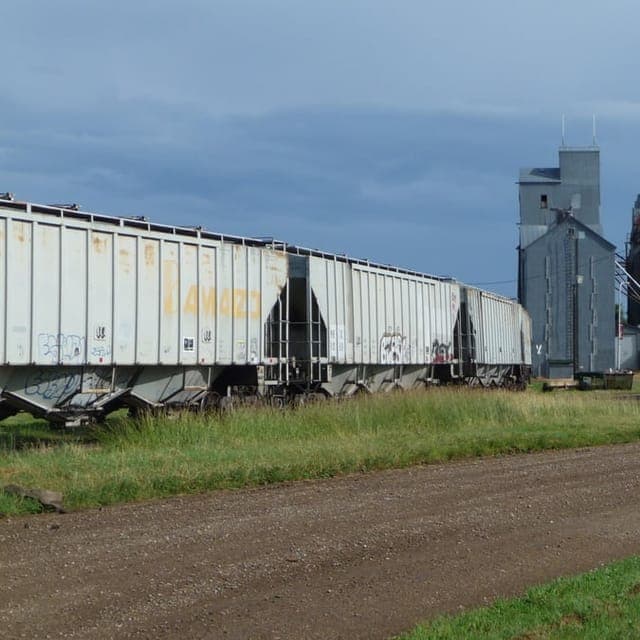
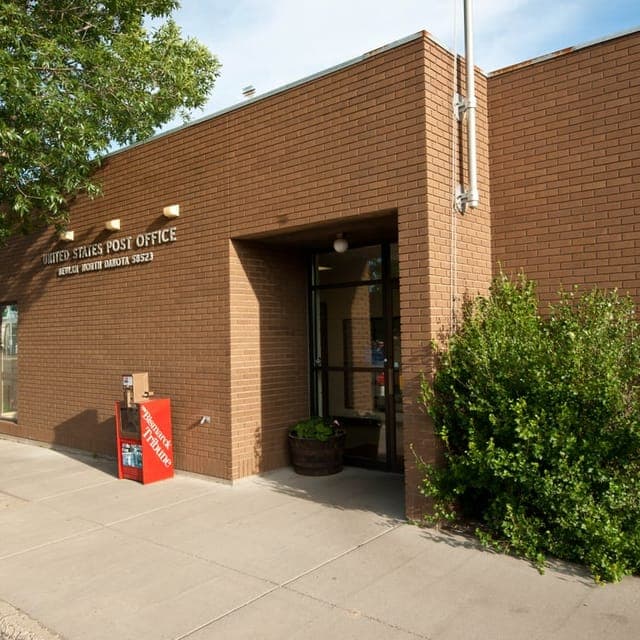
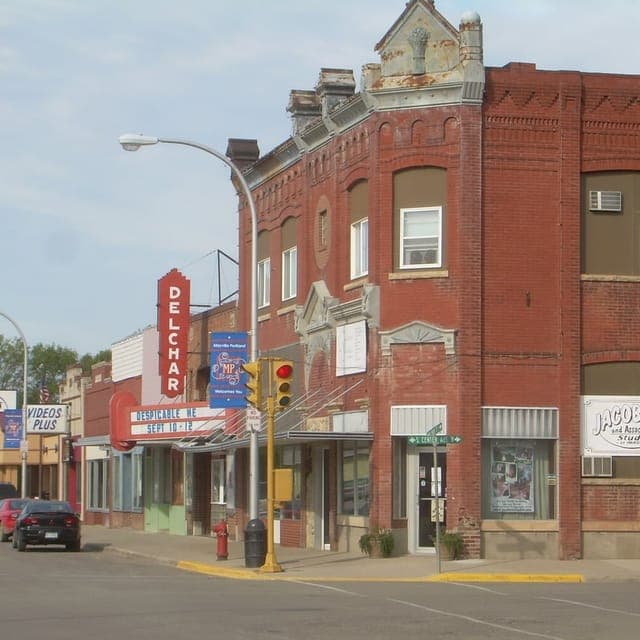
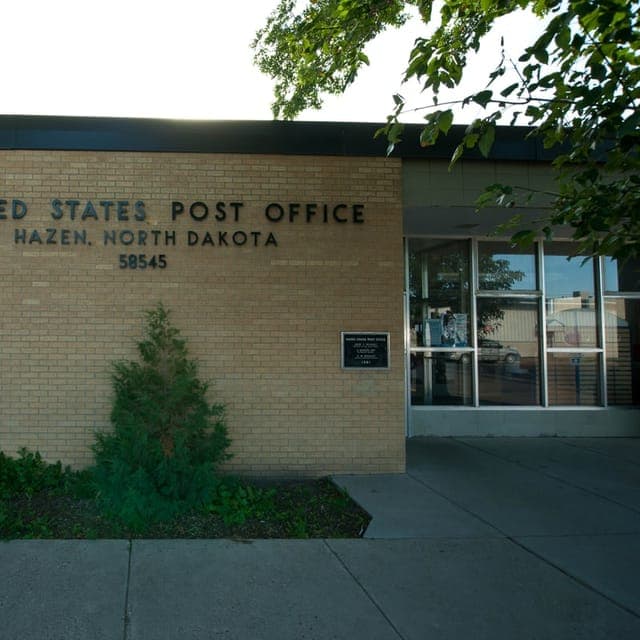
Top 10 Cities by Strategic Assessment in North Dakota
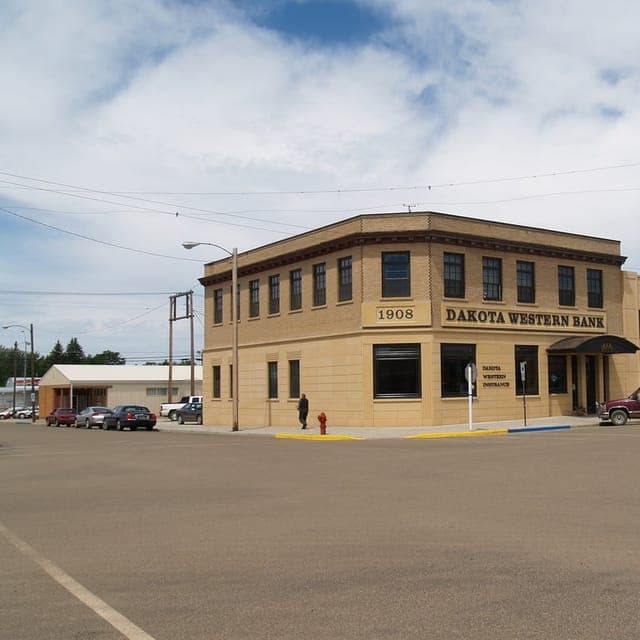
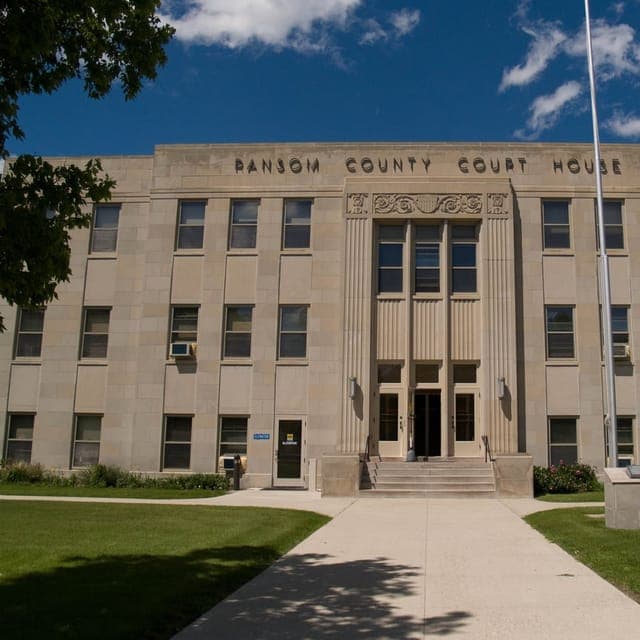
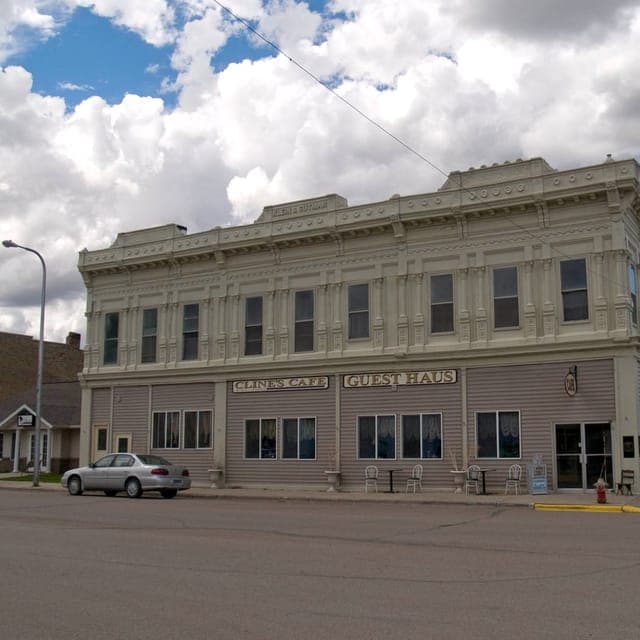
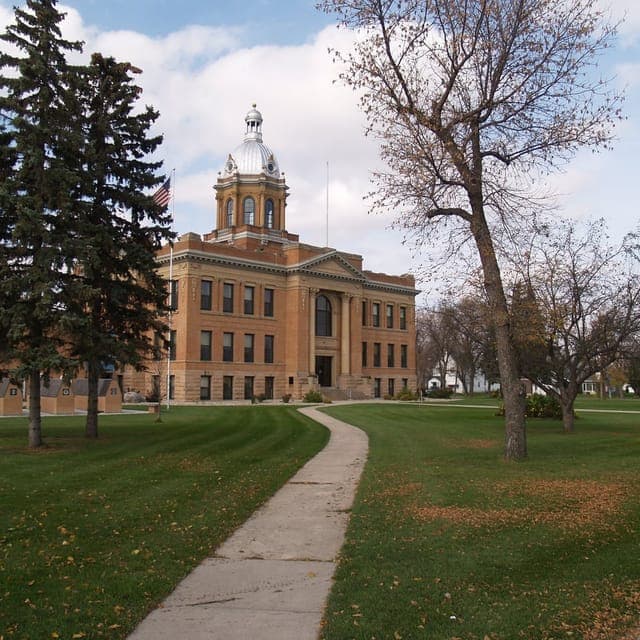
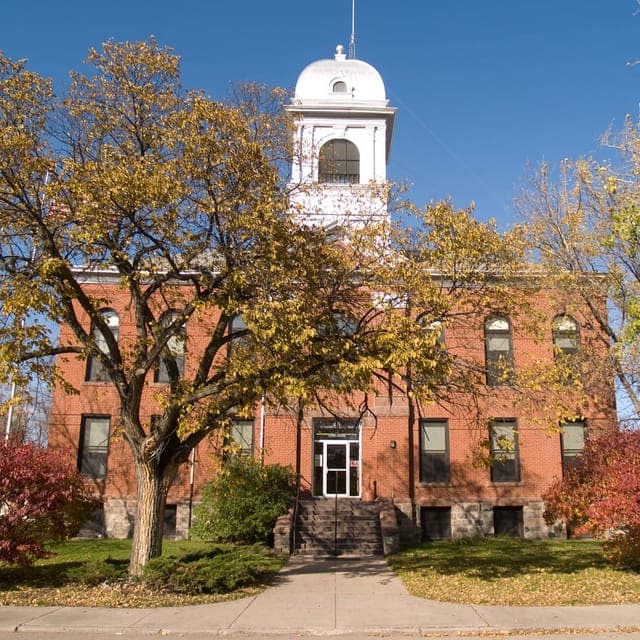
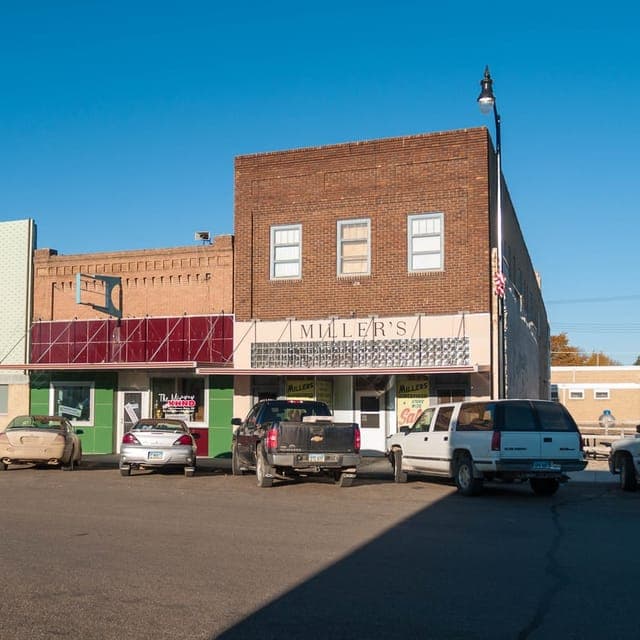
* Values derived from national, state, county, city and local statistics and may differ in a specific area. Last updated: 2026-06-16T04:23:01.000Z
Narrative content on this page is AI-generated and may contain mistakes. Verify any details that matter before acting on them.
ReloMaps may earn a commission from affiliate links at no extra cost to you.

