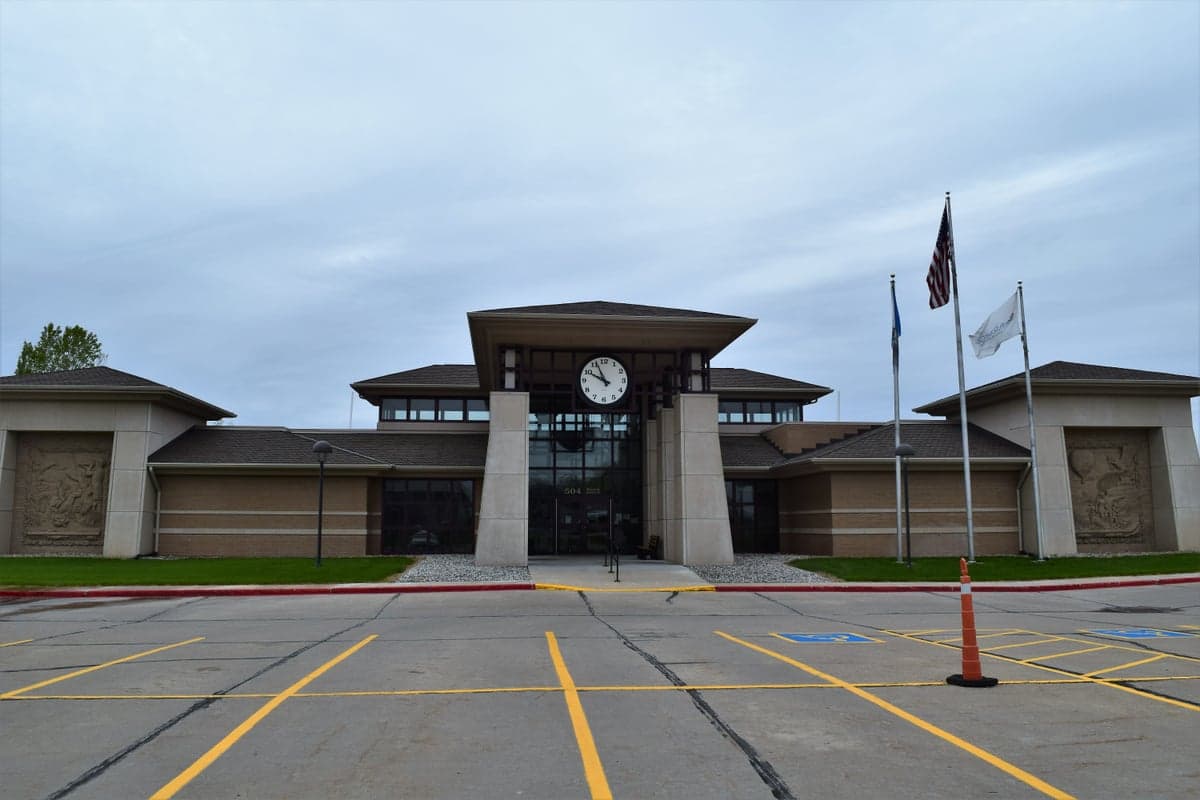
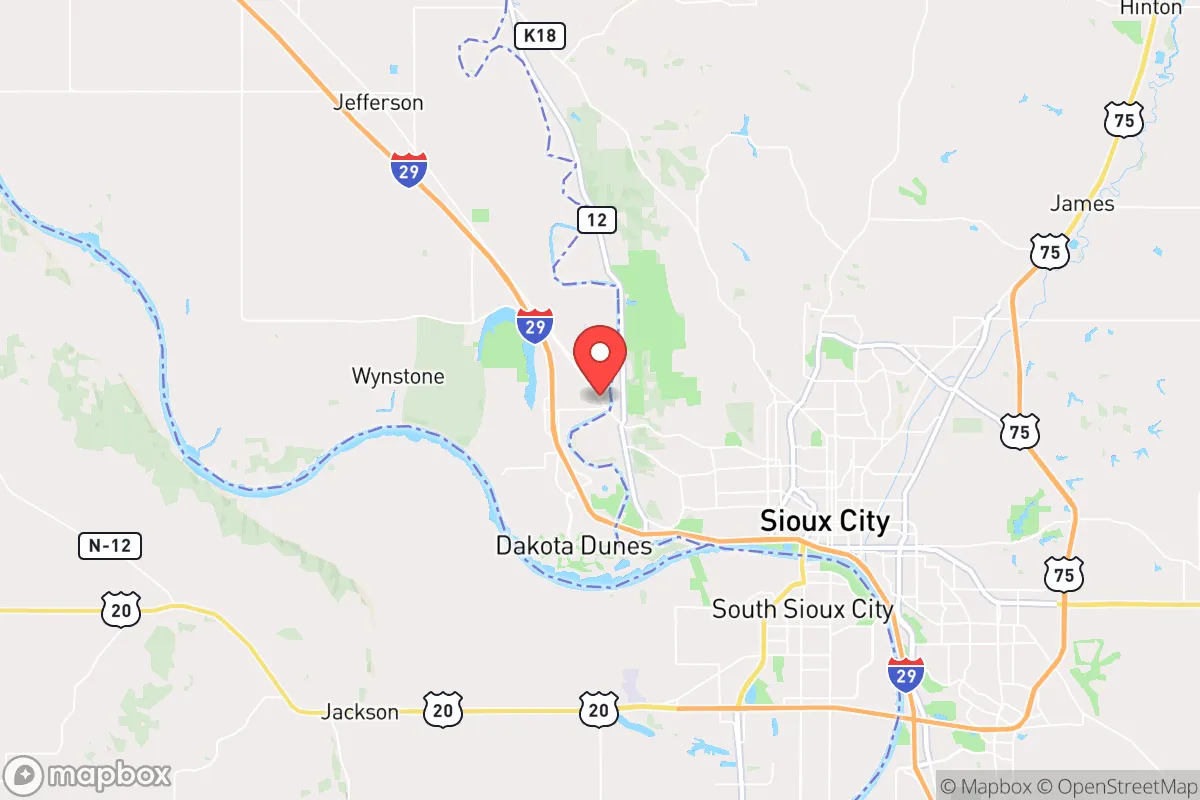
Photo: Wikipedia
Quality of Life in North Sioux City, SD
Above-average quality of iife. The area offers a reasonable cost of living, decent mobility, and a mix of neighborhood amenities.
What does Quality of Life tell us?
Quality of Life blends cost of living, nearby amenities, socioeconomic signals, and neighborhood character. City-level scores represent the whole municipality; individual neighborhoods can differ.
What does this tell us?
Quality of Life blends cost of living, nearby amenities, socioeconomic signals, and neighborhood character. City-level scores represent the whole municipality; individual neighborhoods can differ.
Cost of Living
10% below national average
The Real Cost of Living in North Sioux City, SD for 2026
| Tier | Individual | Family (4) |
|---|---|---|
| Survival | $17k | $33k |
| Comfortable | $46k | $67k |
| Luxury | $116k+ | $180k+ |
| Elite (Top 5%) | $137k+ | $212k+ |
114%
The Area Signal
A metric tracking the socioeconomic signals of the area.


Hobbies
Explore the areaGroceries
5 within 10 miles
Gas
0 within 10 miles
Hospital
3 within 20 miles
Airport
MCI — Kansas City International
Post Office
USPS — Sioux City, IA
Critical Amenities
Quality-of-Life Analysis
North Sioux City, South Dakota, presents a distinctive quality-of-life profile defined by its small-town atmosphere, strong family orientation, and notably higher affluence compared to the broader tri-state region. The community is largely composed of homeowners, long-term residents, and commuters who work in the nearby Sioux City metro area but prefer South Dakota's lower tax burden and quieter residential setting. With a cost of living index of 90—10 percent below the national average—the area attracts those seeking financial breathing room without sacrificing access to urban employment and amenities.
Cost of living, housing affordability, and how it compares to Sioux City and Nebraska
The financial appeal of North Sioux City is anchored in its housing market, which remains significantly more affordable than the national median. The median home value of $234,500 is roughly 30 percent below the U.S. median, while the median rent of $1,092 undercuts national averages by a similar margin. This affordability is especially striking when compared to neighboring communities across the Missouri River in Iowa and Nebraska. For example, comparable homes in South Sioux City, Nebraska, or Sioux City, Iowa, often carry price tags 10–15 percent higher, while property taxes in South Dakota are substantially lower—no state income tax and some of the lowest effective property tax rates in the region. The average commute of 17.6 minutes is notably short, reflecting the town's proximity to Interstate 29 and the ease of reaching employers in Sioux City, the Port Neal industrial complex, or the Tyson Foods plant just across the border. For renters and first-time buyers, the combination of low home prices, reasonable rents, and a quick commute makes North Sioux City one of the most cost-effective residential choices in the entire Siouxland region.
What daily life is like for families: schools, parks, and local amenities
Daily life in North Sioux City revolves around a quiet, suburban rhythm with a strong emphasis on outdoor recreation and community events. The Dakota Valley School District, which serves the town, consistently ranks among the top-performing districts in South Dakota, with a student-teacher ratio near 15:1 and above-average test scores in math and reading. Families frequently use the McCook Lake recreation area for boating and fishing, while the city's parks—such as the 40-acre North Sioux City Community Park—offer soccer fields, walking trails, and a splash pad. Retail and dining options are limited within the city limits, but residents are a 10-minute drive from the Southern Hills Mall and the full range of big-box stores and restaurants in Sioux City. The town lacks a major hospital, but the 200-bed MercyOne Siouxland Medical Center is less than 15 minutes away. The overall pace is slower than the urban core, with a strong sense of neighborly connection evident in events like the annual Fourth of July celebration and the farmers market held at the city hall parking lot.
North Sioux City is best suited for families, remote workers, and retirees who prioritize affordability, low taxes, and a safe, close-knit environment over urban nightlife or cultural density. The community's financial advantages—especially the combination of a cost of living index of 90, no state income tax, and a median home value under $240,000—make it a compelling choice for those who can tolerate a modestly limited local amenity base in exchange for a lower cost of living and a short commute to a mid-sized metro area. Professionals working in Sioux City's healthcare, manufacturing, or logistics sectors will find the trade-off particularly favorable, as will anyone seeking a slower pace without sacrificing access to essential services and employment.

Crime in North Sioux City, SD
Lower crime rates than 76% of comparable U.S. locations.
Violent CrimeViolent Crime Analysis
Property CrimeProperty Crime Analysis
Crime Analysis
North Sioux City, South Dakota, reports a violent crime rate of 163.2 incidents per 100,000 residents, which is notably lower than the national average, but its property crime rate of 1,828.3 per 100,000 is significantly elevated, placing it above both state and national benchmarks. This small border community, part of the larger Sioux City metropolitan area, presents a mixed safety profile where residents face a higher risk of theft and burglary while enjoying relative safety from violent offenses. The city’s proximity to a major metro area introduces cross-jurisdictional crime dynamics that warrant careful consideration for potential movers.
Crime in context
North Sioux City’s violent crime rate is roughly half the U.S. average of approximately 380 per 100,000, and well below South Dakota’s state rate of about 460 per 100,000. However, its property crime rate is nearly double the national average of roughly 1,950 per 100,000 and significantly exceeds the state average of around 1,500 per 100,000. This pattern—low violence but high property crime—is common in small cities adjacent to larger metro areas, where transient populations and cross-border activity can elevate theft and vehicle-related offenses. The city’s location along the Missouri River and Interstate 29 corridor also facilitates easy access for criminals operating between South Dakota, Iowa, and Nebraska.
What residents experience
Residents report that property crime—particularly theft from vehicles, burglary, and occasional retail theft—is the most tangible safety concern in daily life. The city’s small size means that most violent incidents are isolated and often involve known parties, rather than random attacks on the public. However, the broader metropolitan area’s justice system trends are a significant factor: the Sioux City metro, including its Iowa and Nebraska portions, has seen a rise in progressive prosecutorial policies, including diversion programs and reduced sentencing for property offenses. While these policies aim to reduce incarceration, they can result in repeat offenders cycling back into North Sioux City neighborhoods, undermining the deterrent effect of law enforcement. Residents should be aware that this ideological approach to justice, while sympathetic to offenders, can lead to more criminals on the street and negatively impact public safety and victims’ rights.
Neighborhood-level variation
Safety in North Sioux City is not uniform. The newer residential developments near the Dakota Dunes area and along the river tend to have lower reported crime, benefiting from better lighting, private security patrols, and higher property values. Older neighborhoods closer to the industrial zones and the Interstate 29 interchange experience more frequent property crimes, particularly vehicle break-ins and package theft. The commercial corridor along River Drive sees higher foot traffic and associated petty crime, while the more rural outskirts report fewer incidents overall. For those considering relocation, focusing on neighborhoods with active neighborhood watch programs and proximity to the Union County Sheriff’s Office substation can offer additional security. Given the metro area’s progressive justice trends, choosing a home in a well-policed, higher-amenity pocket is a prudent strategy for minimizing exposure to property crime.
* Values derived from national, state, county, city and local statistics and may differ in a specific area. Last updated: 2026-04-19T08:18:14.000Z
Narrative content on this page is AI-generated and may contain mistakes. Verify any details that matter before acting on them.
ReloMaps may earn a commission from affiliate links at no extra cost to you.

