Photo: Wikipedia
Quality of Life in North Troy, VT
Above-average quality of iife. The area offers a reasonable cost of living, decent mobility, and a mix of neighborhood amenities.
What does Quality of Life tell us?
Quality of Life blends cost of living, nearby amenities, socioeconomic signals, and neighborhood character. City-level scores represent the whole municipality; individual neighborhoods can differ.
What does this tell us?
Quality of Life blends cost of living, nearby amenities, socioeconomic signals, and neighborhood character. City-level scores represent the whole municipality; individual neighborhoods can differ.
Cost of Living
55% below national average
The Real Cost of Living in North Troy, VT for 2026
| Tier | Individual | Family (4) |
|---|---|---|
| Survival | $14k | $26k |
| Comfortable | $29k | $42k |
| Luxury | $94k+ | $145k+ |
123%
The Area Signal
A metric tracking the socioeconomic signals of the area.
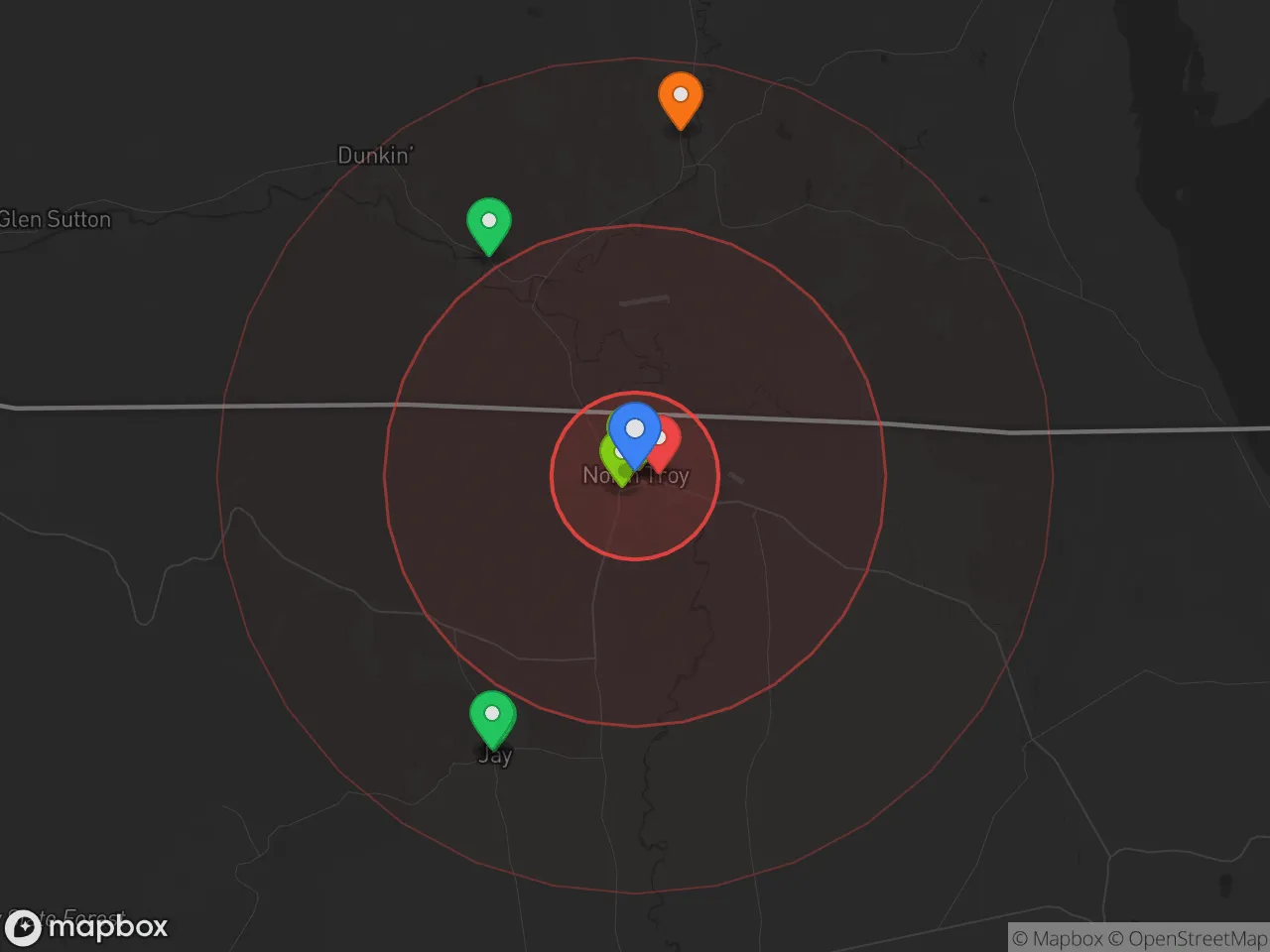
Hobbies
Explore the areaGroceries
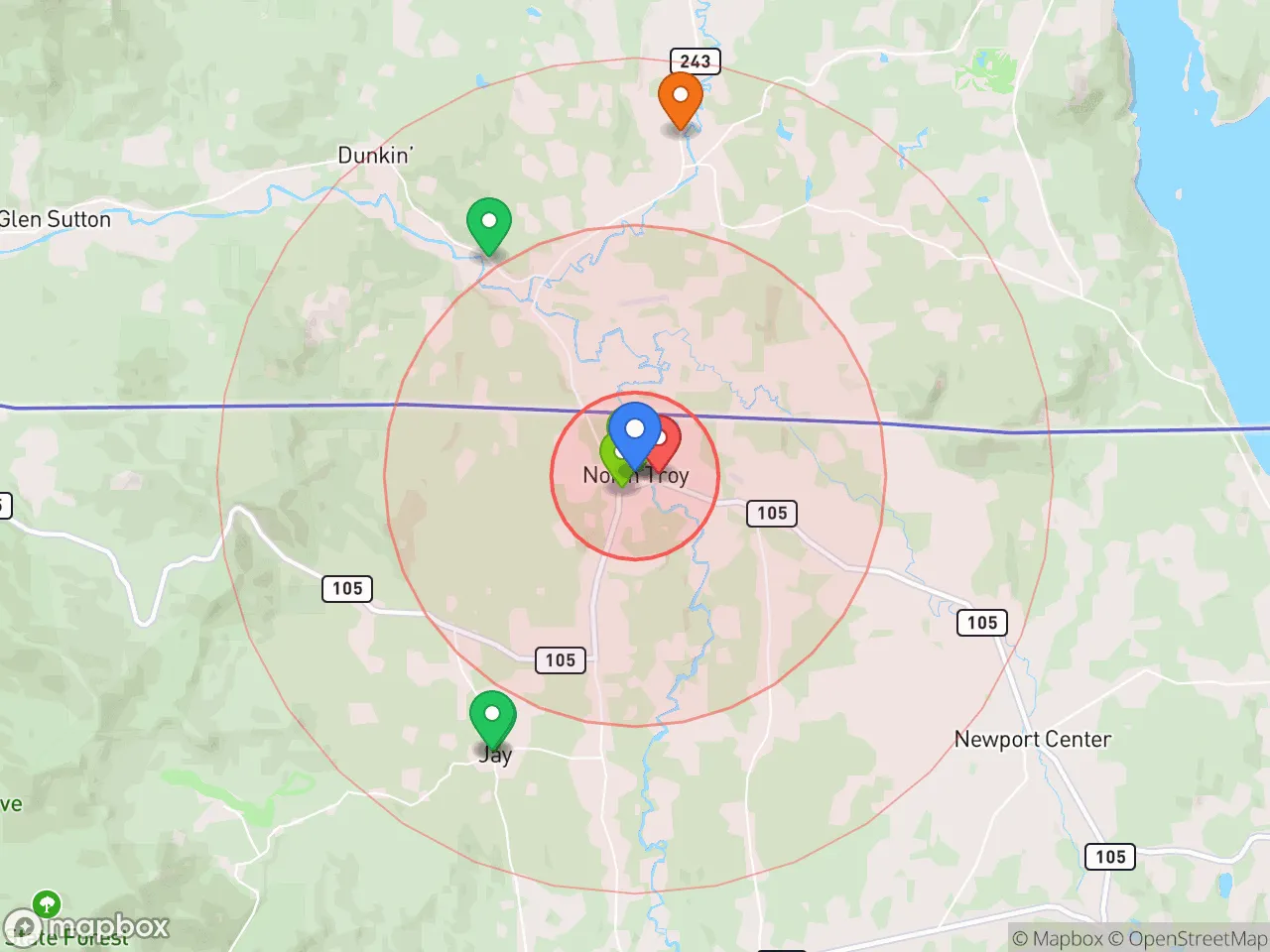
0 within 10 miles
Gas
4 within 10 miles
Hospital
1 within 20 miles
Airport
PDX — Portland International Jetport
Post Office
USPS — North Troy, VT
Critical Amenities
Quality-of-Life Analysis
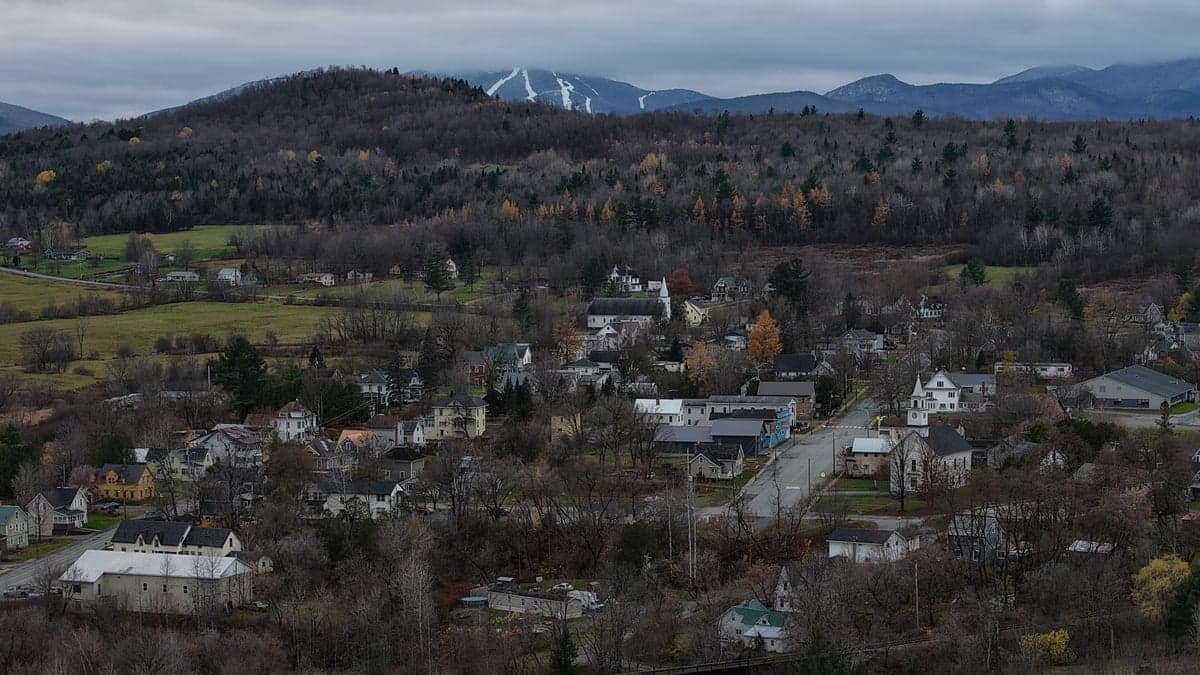
North Troy, Vermont, presents a distinctive quality-of-life profile defined by extreme affordability and a quiet, rural character that attracts a mix of retirees, remote workers, and families seeking a low-cost alternative to pricier New England towns. With a cost-of-living index of just 45—far below the U.S. average of 100—the area offers a financial reprieve that is rare in the Northeast, drawing residents who prioritize budget-friendly living over urban amenities. The population skews older and more settled, with a median age around 46, and the community is tight-knit, centered on the village’s small downtown and the surrounding agricultural landscape.
Cost of living, housing, and affordability compared to nearby areas
North Troy’s cost of living is among the lowest in Vermont, driven by exceptionally affordable housing. The median home value sits at $120,200, a fraction of the state median of roughly $280,000 and dramatically lower than Burlington’s $400,000-plus market. Median rent is $541, making it one of the cheapest rental markets in the state—comparable to parts of rural New York’s North Country. For context, a one-bedroom in nearby Newport (10 miles south) averages around $700, while in St. Albans (25 miles southwest) rents often exceed $900. This affordability allows residents to own homes outright or save significantly, though it reflects limited housing stock and slower appreciation. Property taxes in Troy town are moderate, around 1.8% of assessed value, which is typical for Vermont’s Northeast Kingdom. The trade-off is that job opportunities are sparse locally, with many residents commuting to Newport, Jay Peak Resort (15 minutes east), or working remotely in lower-paying service roles.
Local amenities, schools, and what daily life feels like
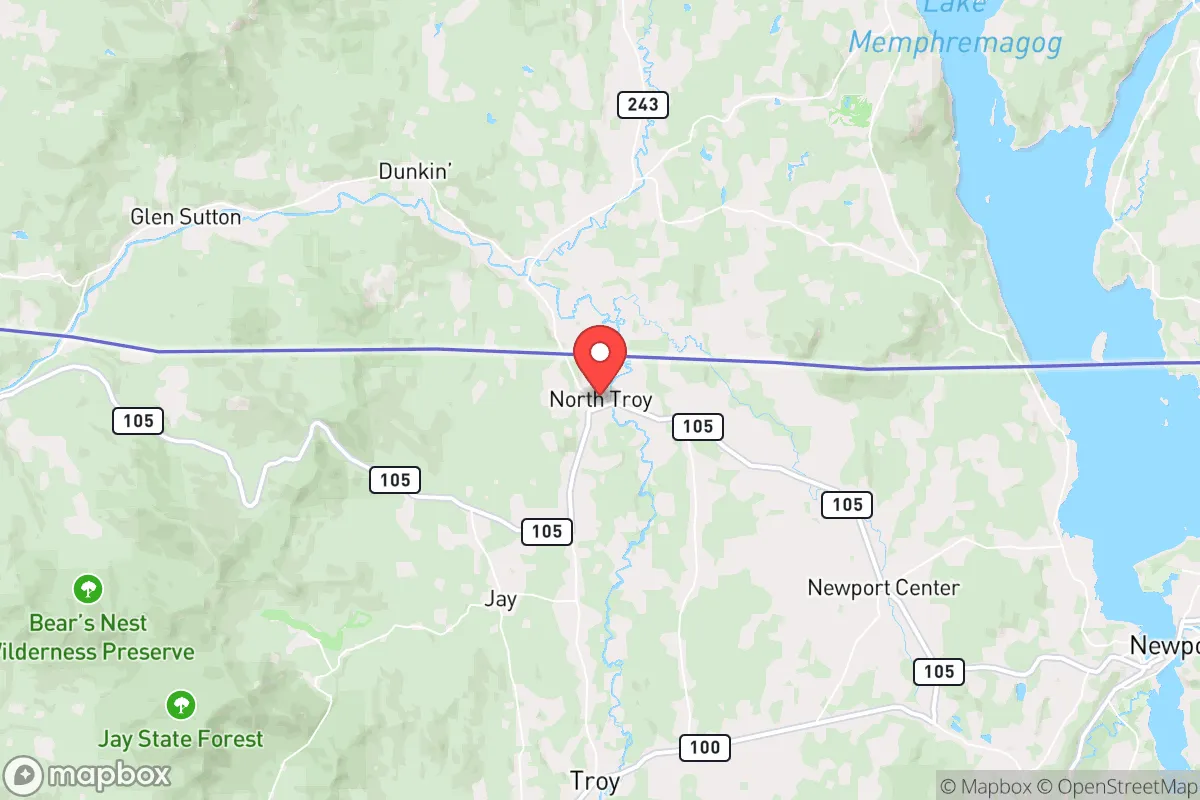
Daily life in North Troy revolves around simplicity and outdoor access. The village has a small grocery store, a post office, a library, and a handful of local businesses, but most shopping and dining require a drive to Newport (10 minutes) or Derby Line (15 minutes) for chains like Walmart and fast food. The Troy Elementary School serves grades K-6 with a student-teacher ratio of about 10:1, earning average ratings on GreatSchools; older children attend North Country Union High School in Newport, which has a graduation rate around 85%. Healthcare options are limited—the nearest hospital is North Country Hospital in Newport (12 miles), while specialized care requires a 90-minute drive to Burlington. The area’s defining amenity is the Missisquoi River, which runs through town and offers fishing, kayaking, and swimming in summer, plus proximity to Jay Peak for skiing and hiking. The rhythm is slow: residents describe a place where neighbors know each other, traffic is nonexistent, and the biggest weekly event is the farmers market in Newport. Cell service is spotty in parts of town, and high-speed internet is available but not universal, a consideration for remote workers.
North Troy is best suited for those who value extreme affordability, quiet rural living, and outdoor recreation over career opportunities, nightlife, or urban convenience. Retirees on fixed incomes, self-employed tradespeople, and families willing to commute for work will find the cost savings transformative. However, the lack of local jobs, limited healthcare access, and isolation from major cities mean it is not a fit for those seeking career growth or frequent cultural amenities. For the right person, North Troy offers a rare chance to own a home and live debt-free in one of the most scenic corners of New England.

Crime in North Troy, VT
Generally safer than 71% of comparable U.S. locations.
Violent CrimeViolent Crime Analysis
Property CrimeProperty Crime Analysis
Crime Analysis
North Troy, Vermont, presents a crime and safety profile that warrants careful consideration, particularly for those relocating from areas with lower crime rates. With a violent crime rate of 213.8 per 100,000 residents and a property crime rate of 1,415.9 per 100,000, the village sits above both state and national averages, a reality shaped in part by Vermont's broader progressive justice policies. These figures, while not extreme, indicate a community where property theft and vandalism are notably more common than in many rural New England towns.
Crime in context
To understand North Troy's safety landscape, it is essential to compare its rates to benchmarks. Vermont's statewide violent crime rate is approximately 200 per 100,000, meaning North Troy's 213.8 figure is slightly elevated. More starkly, the national violent crime rate hovers around 380 per 100,000, so North Troy is actually lower than the U.S. average in this category. However, the property crime rate of 1,415.9 per 100,000 is significantly higher than Vermont's statewide average of roughly 1,100 per 100,000 and well above the national average of about 1,950 per 100,000. This suggests that while violent confrontations are less frequent than in many urban areas, theft, burglary, and vehicle break-ins are persistent issues. The influence of Vermont's liberal judicial philosophy—which often prioritizes diversion programs and reduced incarceration for non-violent offenders—is a factor some residents cite as contributing to repeat property offenses and a sense that consequences are insufficient to deter crime.
What residents experience
Daily life in North Troy for most residents involves a heightened awareness of property security. Locking vehicles and outbuildings is a necessity, not an option. The village's small size means that many crimes are committed by individuals known to the community, often linked to substance abuse or economic hardship. Violent crime, while less common, does occur and typically involves domestic disputes or alcohol-fueled altercations. The local police department, part of the larger Orleans County Sheriff's Office coverage area, is responsive but limited in resources. Residents report that the progressive stance of local prosecutors—who may decline to pursue charges for low-level thefts or drug possession—can lead to frustration, as repeat offenders cycle through the system without meaningful accountability. This dynamic directly impacts the sense of public safety, as visible criminal activity, like trespassing or shoplifting at the village's few stores, can feel unchecked.
Neighborhood-level variation in North Troy is modest but noticeable. The area immediately surrounding the village center, near the intersection of VT-105 and VT-100, sees the highest concentration of property crime, likely due to foot traffic and commercial targets. Outlying residential streets and the more rural pockets toward the Canadian border experience fewer incidents, though no area is immune. Homes with visible security measures—cameras, lights, dogs—tend to be less targeted. For prospective residents, the safest approach is to choose a home on a dead-end road or a small cul-de-sac, where through-traffic is minimal. Overall, North Troy is not a high-crime area by national standards, but its property crime rate and the local justice system's leniency create a persistent undercurrent of concern that newcomers should factor into their decision.
* Values derived from national, state, county, city and local statistics and may differ in a specific area. Last updated: 2026-04-29T19:47:41.000Z
Narrative content on this page is AI-generated and may contain mistakes. Verify any details that matter before acting on them.
ReloMaps may earn a commission from affiliate links at no extra cost to you.

