 Popular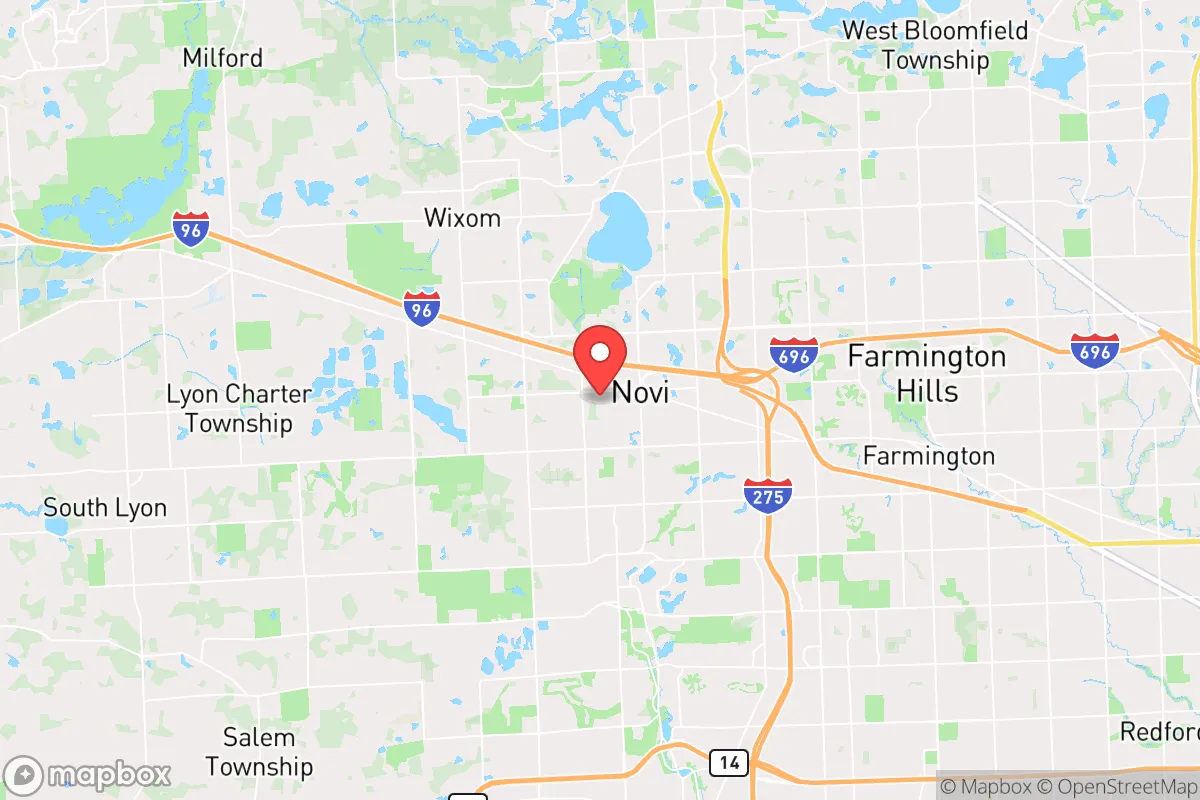
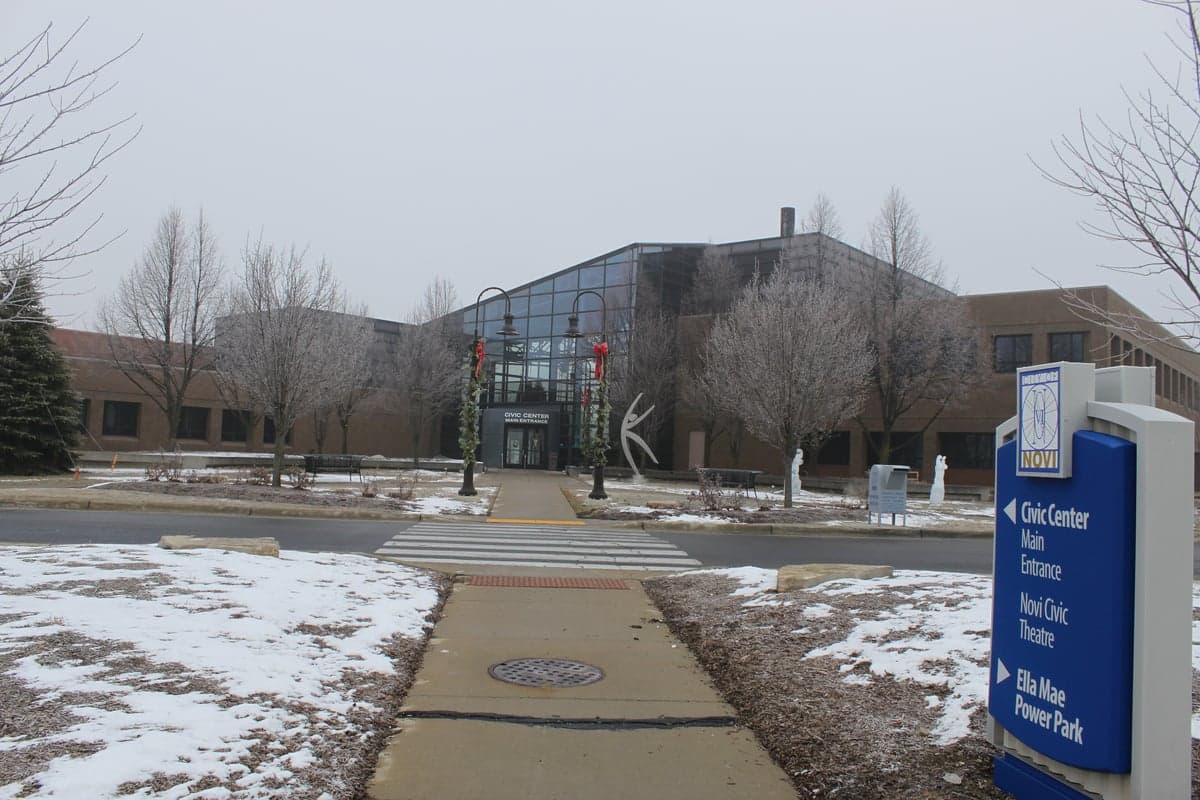
Photo: Wikipedia
Strategic Assessment of Novi, MI
Multiple tactical vulnerabilities. Population density, target proximity, or disaster risk are likely compounding. A retreat property and exit planning is required.
What does the Strategic Assessment tell us?
Our Strategic Assessment grades tactical survivability of an area. Major population centers, military targets, fallout zones, natural disasters, and border exposure all drive risk — lower exposure means a more defensible position in a crisis.
This is heavily inspired by Joel Skousen's Strategic Relocation book. Highly recommended you checkout the book ($)What does this tell us?
Our Strategic Assessment grades tactical survivability of an area. Major population centers, military targets, fallout zones, natural disasters, and border exposure all drive risk — lower exposure means a more defensible position in a crisis.
This is heavily inspired by Joel Skousen's Strategic Relocation book. Highly recommended you checkout the book ($)Strategic Pillars

Key Distances
Regional Safe Places
Below is our recommended "safe zones" in Michigan and the surrounding area based on our strategic heuristics. For most people, it's unrealistic to live in a “safe zone” full-time due to work, family or other personal reasons. They tend to be more rural. However, many of these areas are perfect for second homes and retreat properties that double as a vacation home or even a short-term rental.


Important Note: For informational purposes only. This does not mean nothing bad ever happens in the green zones. Please use common sense. This is based on public data and modeled with AI. We tried to take a conservative approach but mistakes happen. We update this regularly as new information becomes available.
Solar Generator Recommendations
Backup power matters more here than in safer locations. We've picked three solar generators across budgets and capacity tiers — start with the budget unit if you only need a few essentials, or step up if you want to run a fridge and HVAC for days at a time.

Jackery Portable Power Station Explorer 300
Budget OptionPower on the Go: Weighing only 11 lbs, it's convenient to set up and store with book-sized foldable solar panels

BLUETTI Portable Power Station AC180
Designed for both indoor and outdoor scenarios, AC180 is highly capable as it has a robost capacity and continuous output power.

EF ECOFLOW DELTA Pro Ultra Power Station
Upgraded PickEcoFlow DELTA Pro Ultra is a whole-home energy system designed to grow with your family. Integrated with the Smart Home Panel 2, it scales to meet your evolving energy needs — keeping your home powered, intelligent, and secure through every stage of life.
We earn a commission, at no additional cost to you.
Strategic Assessment Analysis
Novi, Michigan, sits in a precarious but potentially strategic pocket of Oakland County, roughly 25 miles northwest of Detroit. Its resilience profile is a mixed bag: the city benefits from strong local infrastructure and a relatively affluent tax base, but its proximity to a major urban center and key industrial corridors introduces significant vulnerabilities for anyone serious about long-term preparedness. For a conservative-leaning relocator thinking in terms of civic unrest, supply chain disruptions, or mass casualty events, Novi offers a suburban buffer that is neither deep rural sanctuary nor urban kill zone—it's a calculated middle ground that demands clear-eyed trade-offs.
Geographic position and natural advantages for long-term stability
Novi's location at the crossroads of I-96 and I-275 gives it excellent logistical access, which is a double-edged sword. On the plus side, this means rapid evacuation routes north toward less populated areas like the Thumb or west toward Lansing and beyond. The city sits on relatively flat, well-drained terrain typical of southeastern Michigan, with no floodplain issues in most residential areas—a plus for building or retrofitting a home. The Huron River watershed runs nearby, and the region's abundant freshwater supply from the Great Lakes is a genuine strategic asset. Novi's own water comes from the Detroit Water and Sewerage Department, which is a centralized vulnerability, but the presence of numerous small lakes and groundwater sources within a 15-minute drive offers redundancy for those who plan ahead. The area's natural advantages are modest but real: four distinct seasons mean a climate that supports subsistence gardening (zone 6a), and the lack of major seismic or hurricane risk removes two common disaster variables. However, the landscape offers little in the way of natural defensibility—no hills, no dense forests, just suburban sprawl and farmland remnants.
Risks, exposures, and proximity to fallout-relevant landmarks
The most glaring risk for Novi is its proximity to Detroit and the dense industrial corridor along I-94. Detroit is a prime candidate for civil unrest, mass casualty events, or infrastructure collapse, and Novi's status as a wealthy suburb makes it a likely target for looting or refugee flow during a breakdown. The city is also within 30 miles of the Detroit Metropolitan Wayne County Airport, a major international hub that could become a vector for disease or a target in a coordinated attack. Further out, the Fermi 2 nuclear plant in Monroe County sits about 45 miles south—well within the 50-mile emergency planning zone. A worst-case release would put Novi in the path of prevailing winds from the south-southwest, though the risk is moderate compared to closer populations. More immediate is the concentration of chemical facilities along the Rouge River and in Downriver communities; a major industrial accident or sabotage event could send toxic plumes across the region. Novi itself hosts a large retail and corporate base (including the Suburban Collection Showplace and numerous auto suppliers), which means a significant transient population and a high density of potential soft targets for coordinated attacks. The city's police force is well-funded but would be overwhelmed in a regional crisis, and the Oakland County Sheriff's Office is the primary backup—competent, but stretched thin across 900 square miles.
Practical resilience for a relocator: food, water, energy, and defensibility
For a relocator serious about self-sufficiency, Novi requires deliberate workarounds. The city's water supply is centralized and treated, so a long-term grid-down scenario means relying on stored water or nearby surface sources like Walled Lake or the Huron River—both of which require treatment and are accessible only with private land access or public parks that could become contested. Food resilience is moderate: Novi has several large grocery chains (Meijer, Kroger, Costco) that would be stripped within hours of a panic event, but the surrounding area has active farms and farmers' markets (e.g., the Novi Farmers Market runs June through October). A relocator should plan for a minimum of three months of stored food and a seed bank for cool-weather crops. Energy is a vulnerability—DTE Energy's grid is aging and prone to outages from storms or cyberattacks. Solar with battery backup is feasible given the region's average 160 sunny days per year, but winter cloud cover and snow accumulation reduce output significantly. Natural gas is widely available for heating, which is a plus, but the pipeline infrastructure is a single-point-of-failure risk. Defensibility is the weakest link: Novi's suburban layout—curvilinear streets, large lots, and a mix of single-family homes and subdivisions—offers no natural chokepoints. A determined group would find it hard to secure a perimeter, and the city's many entry points from major roads make it porous. The best strategy is to choose a home on a cul-de-sac with a single access point, ideally with a basement for shelter and storage, and to build relationships with like-minded neighbors for mutual aid. The local gun culture is present but not dominant; Oakland County has a mix of conservative and liberal enclaves, so a relocator should expect to keep a low profile on preparedness activities.
The overall strategic picture for Novi is one of calculated risk. It is not a survivalist's paradise—it lacks the remoteness, defensibility, and resource independence that a rural retreat offers. But for someone who needs to remain within commuting distance of employment or family obligations in the Detroit metro area, it provides a better baseline than most inner-ring suburbs. The key is to treat Novi as a base camp, not a fortress: invest in redundant water storage, off-grid power, and a well-stocked pantry, and have a clear bug-out plan for moving north or west if the situation deteriorates. The city's affluence and infrastructure mean it will be a target during unrest, but also that it will recover faster than poorer areas after a disaster. For the conservative prepper who values community stability and economic opportunity but refuses to be caught flat-footed, Novi is a workable compromise—provided you never mistake its suburban comfort for genuine security.

* Values derived from national, state, county, city and local statistics and may differ in a specific area. Last updated: 2026-04-30T14:12:37.000Z
Narrative content on this page is AI-generated and may contain mistakes. Verify any details that matter before acting on them.
ReloMaps may earn a commission from affiliate links at no extra cost to you.

