 Popular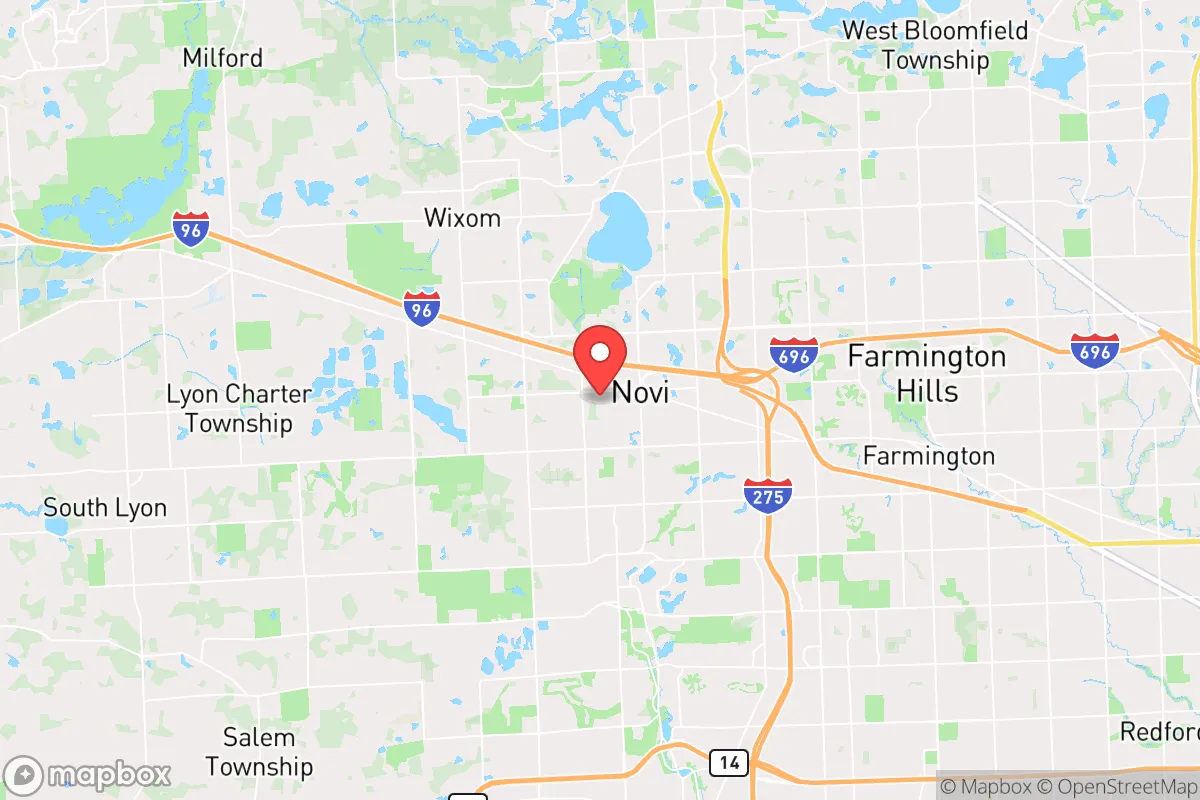
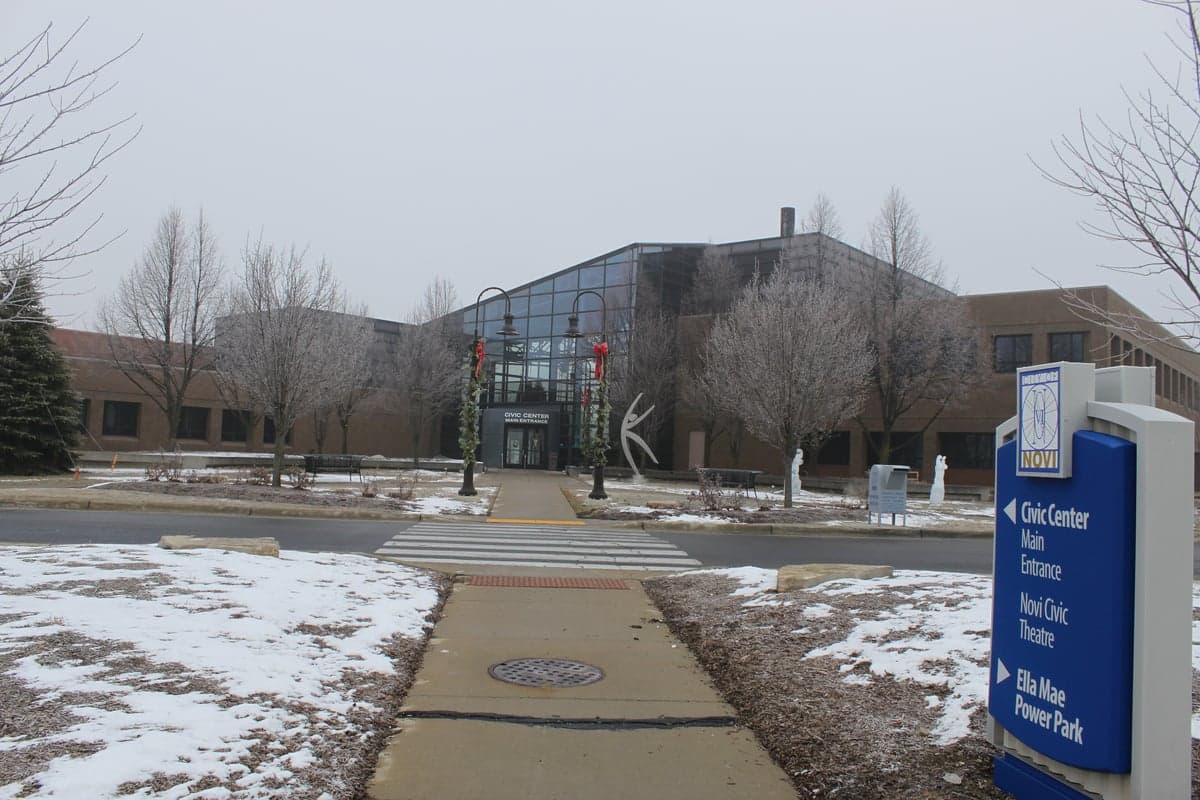
Photo: Wikipedia
Political ClimatePolitical Climate in Novi, MI
District shown is the primary district for this city’s centroid. Cities may span multiple districts.
Local Political AnalysisPolitical Analysis of Novi, MI
Novi, Michigan, sits in a politically interesting spot. While the city itself has historically been a moderate-to-conservative stronghold in Oakland County, the latest Cook PVI rating of D+12 reflects a significant leftward shift that has accelerated over the past decade. If you’ve lived here as long as I have, you remember when local races were genuinely competitive and the city council leaned center-right. Today, the political energy is decidedly progressive, driven largely by new residents from Detroit and Ann Arbor, and by a younger demographic that’s reshaped local elections. The trajectory is clear: Novi is moving away from its independent, small-government roots and toward a more activist, government-centric model.
How it compares
To understand Novi’s shift, you have to look at the surrounding towns. Head west to Northville or Milford, and you’ll find communities that still vote reliably Republican—places where property rights and local control are taken seriously. Drive east to Farmington Hills or Southfield, and you’re in deep-blue territory where progressive policies on zoning, taxes, and social issues are the norm. Novi used to be a buffer zone, a place where you could enjoy the economic benefits of Oakland County without the heavy-handed government overreach you see in Detroit or Ann Arbor. That buffer is shrinking. The city’s recent votes on school funding, housing density mandates, and even mask mandates during the pandemic show it’s aligning more with the eastern suburbs than with its western neighbors. If you value limited government, Novi is becoming an outlier in its own region.
What this means for residents
For longtime residents, the practical effects are already visible. Property taxes have crept up as the city adopts more state-mandated social programs and affordable housing quotas. The school board, once a bastion of parental input, now pushes curriculum changes that prioritize equity over academic rigor—often without much community debate. You’ll see more “slow down” traffic measures that feel like nanny-state overreach, and the city council has become less responsive to concerns about business regulations and property rights. The biggest red flag? Novi’s recent embrace of “complete streets” policies and transit-oriented development—which sounds nice on paper, but in practice means more government control over how you use your own land and how you get around. If you’re a small-business owner or a homeowner who values autonomy, you’re starting to feel like the city is working against you, not for you.
One cultural distinction worth noting: Novi still has a strong sense of community, especially among older residents who remember when the city was a quiet farming crossroads. But the new political energy is reshaping that identity. The annual Novi Expo and the local sports leagues remain popular, but the civic conversation has shifted from “how do we keep taxes low and schools excellent?” to “how do we make Novi more inclusive and sustainable?” Those aren’t bad goals on their own, but the way they’re being implemented—through top-down mandates and less local input—feels like a loss of the independent spirit that made this area great. If the trend continues, Novi in ten years will look a lot more like Farmington Hills than the Novi I moved to. That’s a future worth watching closely, especially if you value your freedoms.

State Political ClimatePolitical Climate in Michigan
State Political AnalysisPolitical Environment in the State
Michigan has shifted from a reliably purple battleground to a state where Democrats now hold all three levers of state government, winning the governorship, state House, and state Senate in 2022 for the first time in nearly 40 years. The state’s overall partisan lean is now a narrow Democratic tilt — about D+3 in presidential races — but that masks a deep and growing urban-rural chasm. Over the last 10-20 years, the collapse of union-aligned blue-collar Democrats in the industrial corridor has been replaced by a more progressive, college-educated coalition centered in Southeast Michigan, while the rest of the state has hardened into deep red territory.
Urban vs. rural divide
The political map of Michigan is essentially a tale of two peninsulas. Wayne County (Detroit) and Washtenaw County (Ann Arbor) alone delivered nearly 70% of Joe Biden’s 2020 margin in the state, with Detroit’s heavily African American and unionized base combining with Ann Arbor’s academic and tech-driven liberalism. Oakland County, once a Republican stronghold, has flipped decisively blue — it voted for Trump in 2016 by 0.2 points, then for Biden by 14 points in 2020, driven by suburban women and college-educated voters repelled by Trump’s style. Grand Rapids (Kent County) has also trended left, with the city itself now solidly Democratic, though the surrounding townships remain conservative. Meanwhile, rural northern Michigan and the Thumb region are among the most Republican areas in the Midwest — counties like Osceola, Missaukee, and Montmorency routinely vote 70%+ Republican. The key swing territory is Macomb County, a working-class suburban and exurban region north of Detroit, which went for Trump in 2016 and 2020 but also elected a Democratic county executive. This is where the old Reagan Democrat vote still lives, and it’s the most contested ground in the state.
Policy environment
Michigan’s policy environment has taken a sharp progressive turn since Democrats won full control in 2023. The state repealed its right-to-work law (which had been in place since 2012), reinstated prevailing wage requirements, and expanded union power across the private and public sectors. Taxes are a mixed bag: the state income tax was temporarily cut from 4.25% to 4.05% in 2023 due to a 2015 automatic trigger law, but Democrats have since suspended that trigger, meaning the rate will likely rise back to 4.25% or higher. Property taxes are relatively high, with an average effective rate of 1.5%, though the Proposal A cap (1984) limits annual increases to 5% or inflation, whichever is lower — a protection for long-term homeowners but a trap for new buyers who inherit a much higher taxable value. Education policy is a flashpoint: the state eliminated the “Read by Grade Three” retention law, expanded LGBTQ+ curriculum mandates, and passed a universal school breakfast program. School choice is limited — Michigan has no voucher program and only a small number of charter schools, mostly in Detroit. Election laws were dramatically loosened in 2022 via Proposal 2, a constitutional amendment that established nine days of early voting, automatic voter registration, and no-excuse absentee voting. This was paired with the elimination of the straight-ticket voting ban and the expansion of ballot drop boxes. Critics argue this makes fraud easier; supporters say it increases turnout. Healthcare policy is also shifting: the state expanded Medicaid under the Healthy Michigan Plan, and Democrats are now pushing a public option bill that would allow anyone to buy into Medicaid, effectively creating a state-run insurance plan.
Trajectory & freedom
On the freedom scale, Michigan is moving in a concerning direction for conservatives. Gun rights have been significantly curtailed: in 2023, Democrats passed universal background checks for all firearm purchases, a 15-round magazine limit, and a “red flag” law allowing courts to temporarily seize firearms from individuals deemed a risk. These laws were passed without a single Republican vote and are currently being challenged in court. Parental rights have taken a hit: the state’s new LGBTQ+ curriculum mandates require schools to teach about sexual orientation and gender identity in age-appropriate ways, and parents are not guaranteed the right to opt their children out of these lessons. The state also banned conversion therapy for minors. Medical autonomy is under pressure: while Michigan voters legalized recreational marijuana in 2018, the state has also imposed strict vaccine mandates for healthcare workers and is considering a statewide rent control law. Property rights are being tested: the state’s new “landlord-tenant” package includes just-cause eviction requirements and limits on security deposits, which small landlords argue will reduce housing supply. On the positive side for freedom, Michigan has no state-level income tax on Social Security benefits and no estate tax, which is a draw for retirees. But the overall trajectory is one of expanding government control over daily life.
Civil unrest & political movements
Michigan has been a national flashpoint for political activism on both sides. The 2020 “Operation Gridlock” protest in Lansing saw thousands of armed demonstrators, including members of the Wolverine Watchmen militia, storm the state capitol to protest COVID-19 lockdowns. This led to the foiled plot to kidnap Governor Gretchen Whitmer, which remains a deeply polarizing event — conservatives see it as a government entrapment operation, while liberals view it as proof of domestic terrorism. Immigration politics are relatively quiet because Michigan is not a border state)Skip, but the state does have a handful of “sanctuary” cities, including Ann Arbor and Detroit, which limit cooperation with ICE. Election integrity remains a hot-button issue: the 2020 election in Michigan was subject to numerous audits and lawsuits, with Trump’s team alleging irregularities in Detroit’s absentee ballot counting. The state’s new early voting and ballot drop box system has only intensified these concerns. Secession rhetoric is mostly confined to the Upper Peninsula, where some residents have floated the idea of leaving Michigan to form a 51st state, citing cultural and economic differences from the Lower Peninsula. You’ll see “Yooper” flags and bumper stickers, but it’s more a cultural identity than a serious political movement.
Projection
Over the next 5-10 years, Michigan is likely to become more solidly Democratic at the state level, but with a growing rural backlash. Demographic trends favor the left: the state’s population is aging and shrinking in rural areas, while the Detroit and Ann Arbor metros are attracting younger, college-educated migrants from other states. The 2020 census cost Michigan a congressional seat, and the next one will likely cost another. In-migration is a wild card: Michigan is seeing a modest influx from high-cost states like California and Illinois, but these newcomers tend to settle in the same blue metros, reinforcing the existing political geography. The Republican Party is in disarray, with internal fights between the establishment and the Trump-aligned wing, and it has not won a statewide election since 2014. Unless the GOP can rebuild in the suburbs, the state will continue to drift left. For a conservative moving in now, expect to live in a state where your vote for president is essentially irrelevant, but your local school board and county commission races matter more than ever.
Bottom line for a new resident: If you’re a conservative, Michigan is a state where you can still find strong communities — especially in the western part of the Lower Peninsula (Grand Rapids area), the Thumb, and the Upper Peninsula — but you’ll be swimming against a state-level tide that is increasingly progressive. Your property taxes will be high, your gun rights are being restricted, and your kids’ school curriculum may conflict with your values. The trade-off is a relatively low cost of living, beautiful natural resources, and a chance to be part of a political fight that is still winnable at the local level. Just don’t expect the state government to be on your side anytime soon.
* Values derived from national, state, county, city and local statistics and may differ in a specific area. Last updated: 2026-04-30T14:12:37.000Z
Narrative content on this page is AI-generated and may contain mistakes. Verify any details that matter before acting on them.
ReloMaps may earn a commission from affiliate links at no extra cost to you.

