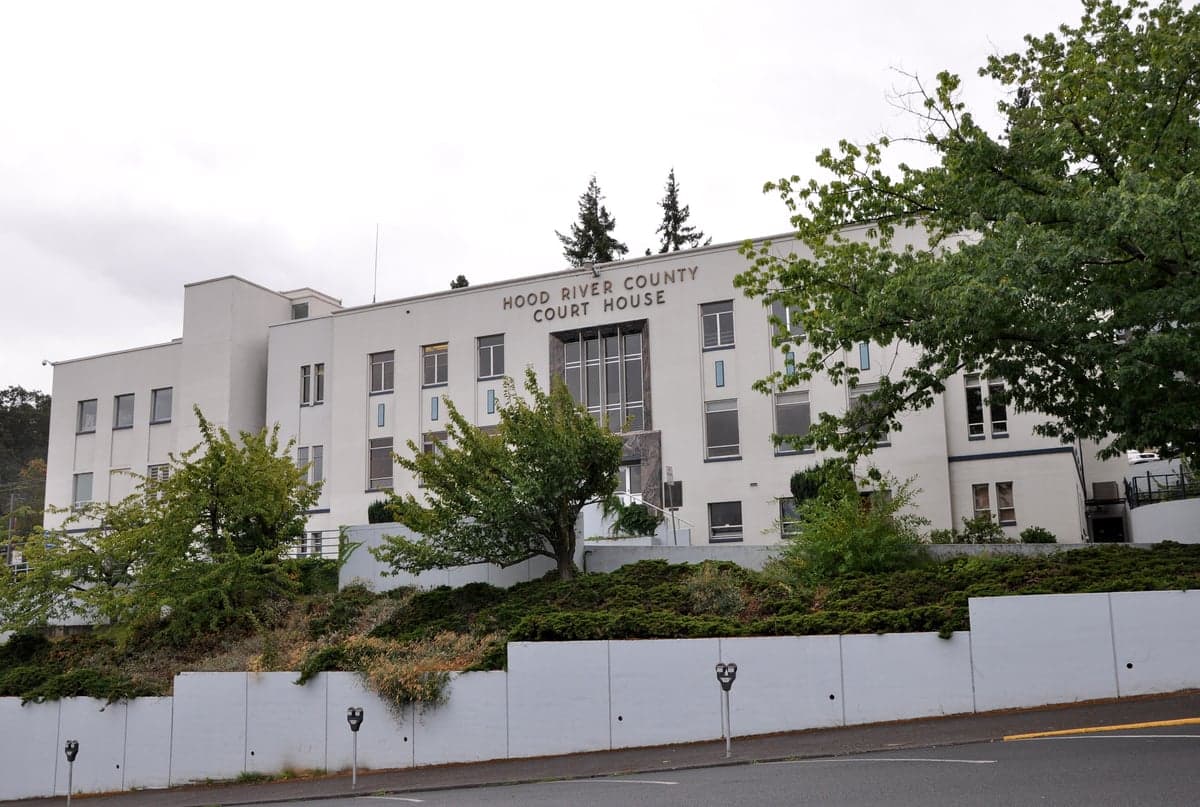
Photo: Wikipedia
Quality of Life in Hood River County
A livable area that tracks near national norms for affordability, walkability, and neighborhood health.
What does Quality of Life tell us?
Quality of Life measures an area by evaluating factors like cost of living, nearby amenities, country club access, airport proximity, socioeconomic signals and neighborhood character. For large states, this is a general average — quality of life can vary dramatically between metro areas, suburbs, and rural communities within the same state.
What does this tell us?
Quality of Life measures an area by evaluating factors like cost of living, nearby amenities, country club access, airport proximity, socioeconomic signals and neighborhood character. For large states, this is a general average — quality of life can vary dramatically between metro areas, suburbs, and rural communities within the same state.
Cost of Living
52% above national average
52%
The Real Cost of Living in Hood River County for 2026
| Tier | Individual | Family (4) |
|---|---|---|
| Survival | $22k | $41k |
| Comfortable | $108k | $159k |
| Luxury | $148k+ | $230k+ |
| Elite (Top 5%) | $187k+ | $290k+ |
Quality-of-Life Analysis
Hood River County, Oregon, offers a spectrum of living experiences that range from the bustling, tourist-driven waterfront of Hood River to the quiet, agricultural valleys and forested mountain communities inland. The county draws a diverse mix of residents: outdoor recreation enthusiasts and remote workers who cluster in the town of Hood River for its amenities and wind sports, while families, farmers, and those seeking more affordable land gravitate toward smaller communities like Odell, Parkdale, and the rural stretches of the Hood River Valley. The county's character is defined by this tension between a high-demand, amenity-rich urban core and a slower-paced, agricultural and rural hinterland.
Largest town(s) & population centers
The county's undisputed hub is the city of Hood River, home to roughly 8,000 residents and the epicenter of commerce, dining, and tourism. Daily life here is walkable and active, with the historic downtown, the Waterfront Park, and the Columbia River Gorge waterfront all within easy reach. The town is a magnet for windsurfers, kiteboarders, and mountain bikers, and its economy is heavily tied to tourism, craft beverage production (with numerous breweries and cideries), and a growing cohort of remote tech workers. Housing is extremely tight and expensive; the median home value of $571,200 is heavily skewed by Hood River proper, where a modest three-bedroom home often exceeds $700,000. The average commute of roughly 19 minutes is among the shortest in Oregon, reflecting the compact nature of the town and the fact that many residents live and work within the same few square miles. The next largest population center is Odell (unincorporated, pop. ~2,300), which functions as a bedroom community and agricultural service hub, with a more subdued, family-oriented feel than Hood River itself.
Smaller towns & rural pockets
Moving up the Hood River Valley, Parkdale (pop. ~300) sits at the base of Mount Hood and offers a distinctly rural, agricultural lifestyle centered on fruit orchards, u-pick farms, and a tight-knit community. It is the gateway to the Mount Hood National Forest and has a small commercial core with a grocery store, a brewery, and a few restaurants. Further east along the Columbia River, the unincorporated community of Mosier (pop. ~430) provides a quieter, more isolated riverfront alternative to Hood River, with a strong local arts scene and a slower pace. The Hood River Valley itself, stretching from Hood River south toward Parkdale, is dotted with farmsteads, fruit stands, and small clusters of homes on large lots. These rural pockets offer significantly more space and lower land prices than Hood River city limits, though they lack municipal services like public water and sewer in many areas. The Lost Lake area and the Upper Valley near the base of Mount Hood are almost entirely recreational and seasonal, with cabins and vacation rentals dominating the landscape.
Cost & lifestyle range
The cost of living index for Hood River County stands at 152 (100 = U.S. average), but this figure masks a wide internal spread. At the high end, Hood River city proper commands a significant premium: median rent is $1,381, but a one-bedroom apartment in a new downtown building can easily exceed $1,800, and single-family home prices routinely top $700,000. At the lower end, rural properties in Odell, Parkdale, or the unincorporated areas of the valley can be found for $400,000–$500,000, though inventory is scarce and properties often require well and septic systems. Lifestyle differences are stark: Hood River offers walkable access to dozens of restaurants, a full-service hospital, and a vibrant cultural calendar, while Parkdale residents may drive 25 minutes for a sit-down dinner or a doctor's appointment. The trade-off is space and quiet — a Parkdale home on an acre of orchard land versus a Hood River condo with a view of the river. The county's lack of a large employer outside of tourism and agriculture means that many residents commute to Hood River for work, keeping the average commute low but concentrating economic opportunity in the county seat.
Hood River County is best suited for those who can afford its premium housing costs or are willing to trade urban convenience for rural acreage. Outdoor enthusiasts, remote workers with stable incomes, and agricultural families each find a niche, but the county's tight housing market and high cost of living make it challenging for service workers and younger families without significant resources. The county thrives for those who prioritize access to world-class wind sports, mountain biking, and skiing over affordability, and who are comfortable with the trade-offs between the vibrant, crowded town of Hood River and the quiet, self-sufficient life of the valley.

Crime in Hood River County
Crime rates similar to the national median for U.S. locations.
Violent CrimeViolent Crime Analysis
Property CrimeProperty Crime Analysis
Crime Analysis
Hood River County, Oregon, reports a violent crime rate of 312.4 incidents per 100,000 residents and a property crime rate of 2,139.7 per 100,000, placing it in a middle tier for safety within the Columbia River Gorge region. While the county is not among Oregon's most dangerous, its crime statistics exceed those of many smaller, more rural communities in the state, and the overall safety picture varies significantly depending on whether you are in the city of Hood River itself or the surrounding unincorporated areas. The county's justice system, influenced by the progressive political leanings of the broader Columbia Gorge region, has adopted policies that prioritize rehabilitation and diversion programs, which can result in reduced incarceration rates for property and drug-related offenses.
Crime in context
Hood River County's violent crime rate of 312.4 per 100,000 is notably higher than the Oregon state average of roughly 280 per 100,000 and significantly exceeds the national median for non-metropolitan counties. The property crime rate of 2,139.7 per 100,000 is also elevated compared to the state average of approximately 1,900 per 100,000. These figures are heavily influenced by conditions in the city of Hood River, the county's only incorporated city and primary population center, where transient populations and drug-related activity concentrate. By contrast, the smaller communities of Odell, Pine Grove, and Mount Hood report far fewer incidents, though their unincorporated status means crime data is often aggregated into the county total. The progressive policies of the Hood River County District Attorney's office, which emphasize treatment courts and reduced sentences for non-violent offenders, have been cited by local law enforcement as a factor in repeat property crime offenses, as offenders cycle through the system without facing meaningful custodial consequences.
What residents experience
For residents, the most tangible safety concern is property crime, particularly vehicle break-ins, bicycle theft, and residential burglaries in the Hood River urban growth boundary. The downtown core and the waterfront area near the Columbia River are the most frequent targets for theft from vehicles, especially during tourist season when out-of-state plates attract attention. Violent crime is less common in daily life but does occur, with aggravated assaults and domestic violence incidents concentrated in specific rental-heavy neighborhoods near the Hood River city center. Residents in Cascade Locks, the county's second-largest community, report lower property crime rates than Hood River proper, though the small population means even a few incidents can skew perception. The county's reliance on the Hood River County Sheriff's Office for unincorporated areas means response times in Parkdale and the Upper Valley can exceed 20 minutes, a factor that influences how safe residents feel in more remote locations.
Neighborhood-level variation
Safety within Hood River County is not uniform. The Westside neighborhoods of Hood River, closer to the hospital and newer subdivisions, experience fewer property crimes than the Eastside industrial corridor and the Heights area near the historic downtown. The unincorporated community of Odell, located along Highway 35, has a reputation for being quieter than Hood River proper, though its proximity to the highway makes it a target for transient-related theft. Mount Hood and Parkdale, situated at higher elevations near the ski resort, have the lowest crime rates in the county, largely due to their isolation and the socioeconomic profile of residents. The progressive judicial philosophy in the county, which includes a strong emphasis on Measure 11 alternatives and drug decriminalization frameworks, means that offenders convicted of property crimes often receive probation or short jail terms rather than prison time, a reality that frustrates victims and contributes to a perception that the justice system prioritizes offender rehabilitation over public safety.
* Values derived from national, state, county, city and local statistics and may differ in a specific area. Last updated: 2026-08-18T17:19:45.000Z
Narrative content on this page is AI-generated and may contain mistakes. Verify any details that matter before acting on them.
ReloMaps may earn a commission from affiliate links at no extra cost to you.

