 Popular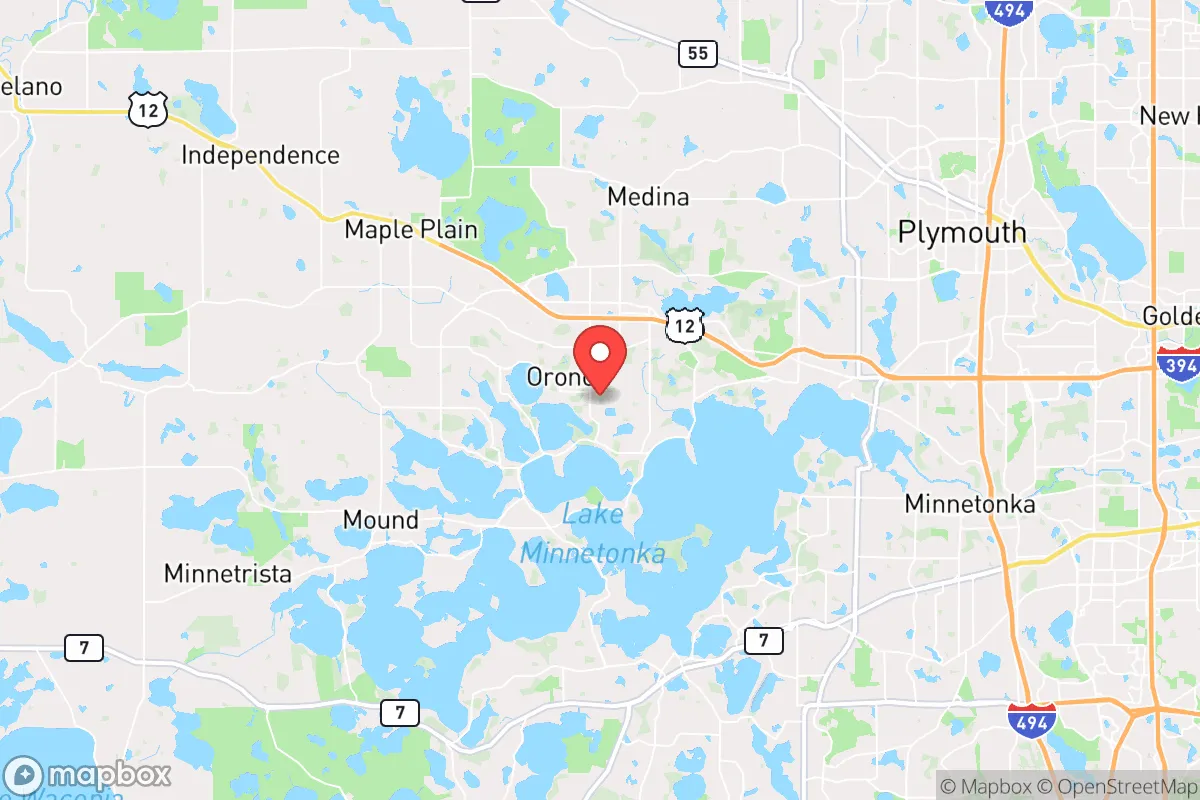
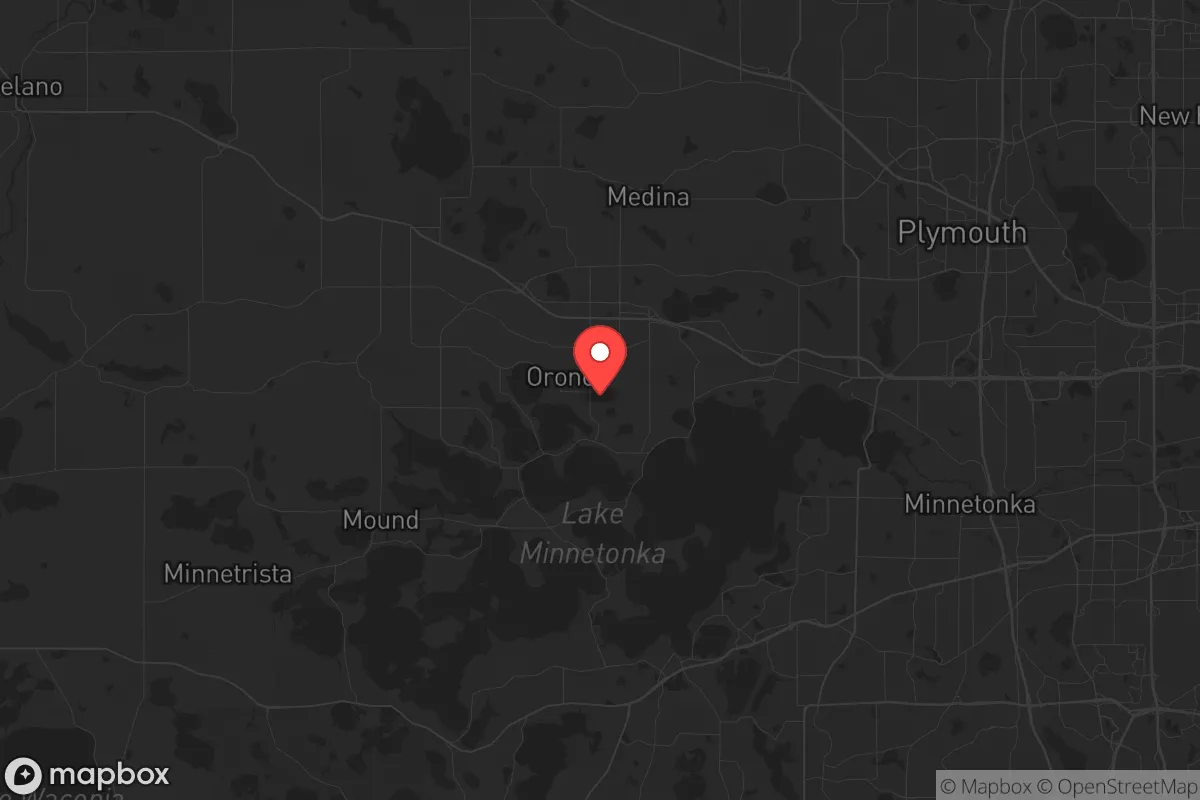
Quality of Life in Orono, MN
A high quality of life with strong walkability, manageable living costs, healthy neighborhood signals, and solid amenity access.
What does Quality of Life tell us?
Quality of Life blends cost of living, nearby amenities, socioeconomic signals, and neighborhood character. City-level scores represent the whole municipality; individual neighborhoods can differ.
What does this tell us?
Quality of Life blends cost of living, nearby amenities, socioeconomic signals, and neighborhood character. City-level scores represent the whole municipality; individual neighborhoods can differ.
Cost of Living
120% above national average
The Real Cost of Living in Orono, MN for 2026
| Tier | Individual | Family (4) |
|---|---|---|
| Survival | $41k | $77k |
| Comfortable | $185k | $272k |
| Luxury | $329k+ | $509k+ |
| Elite (Top 5%) | $619k+ | $959k+ |
67%
The Area Signal
A metric tracking the socioeconomic signals of the area.
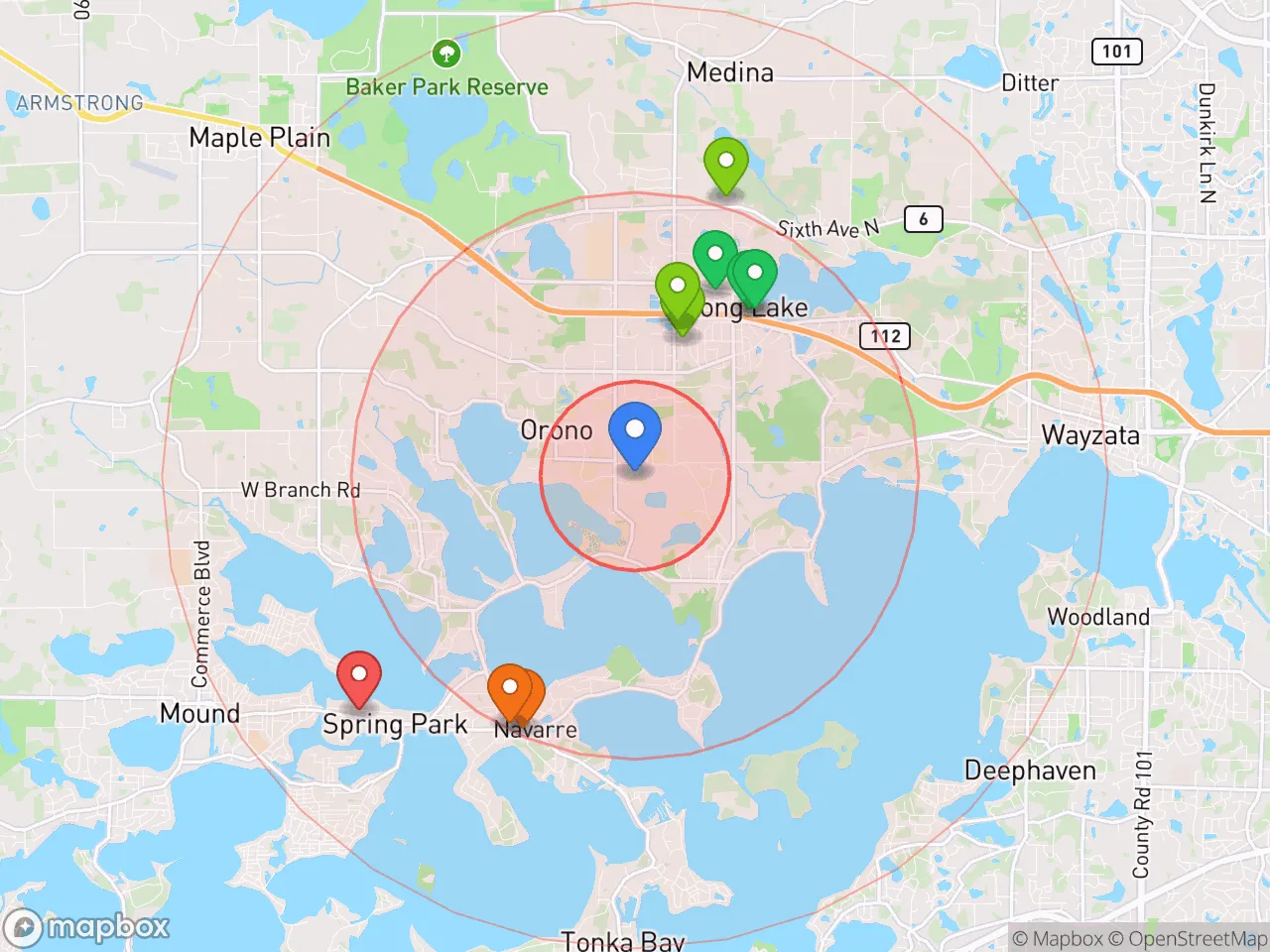
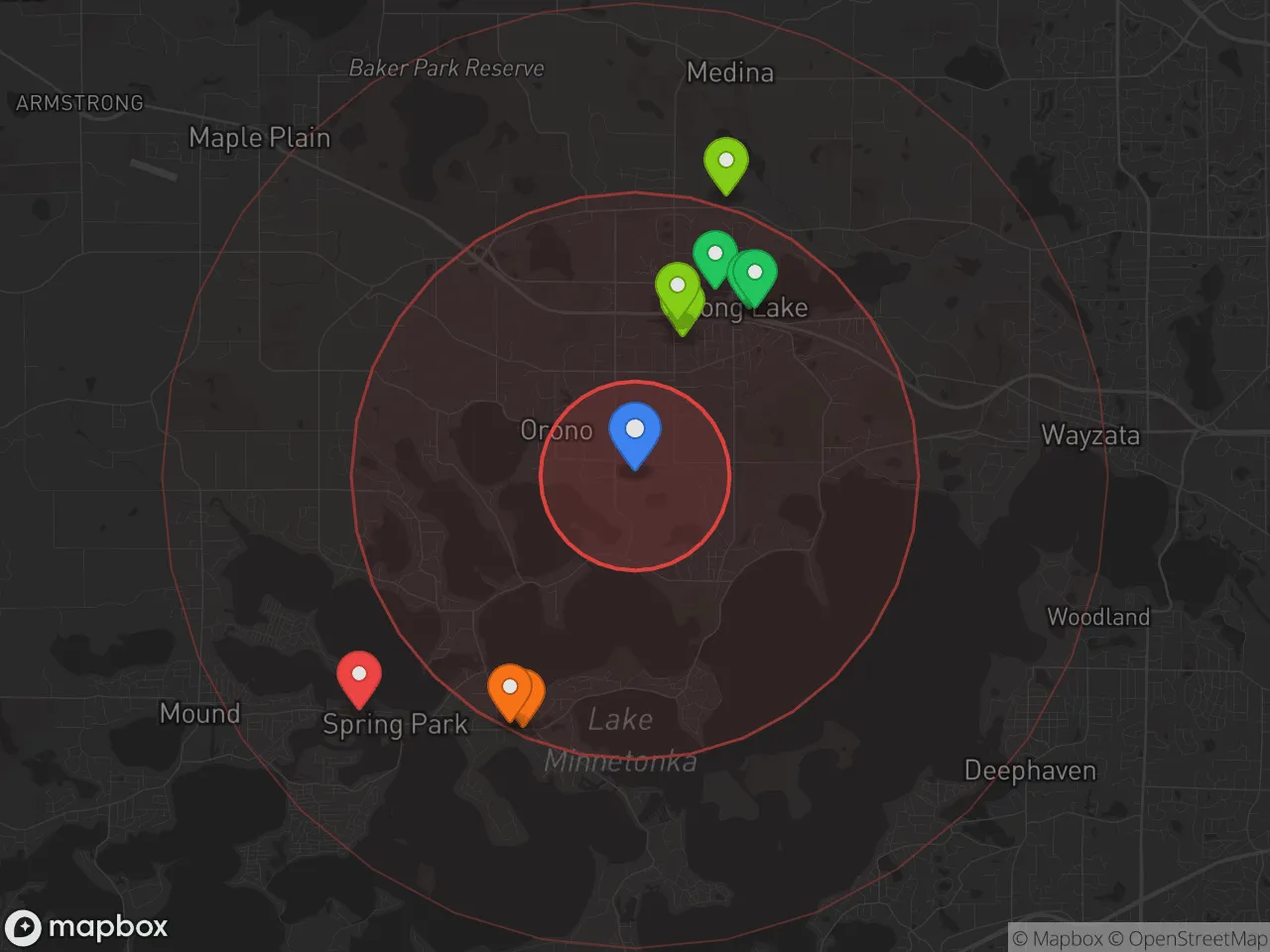
Hobbies
Explore the areaGroceries
5 within 10 miles
Gas
20 within 10 miles
Hospital
20 within 20 miles
Airport
JFK — John F. Kennedy Memorial
Post Office
USPS — Orono, MN
Critical Amenities
Quality-of-Life Analysis
Orono, Minnesota, is one of the wealthiest communities in the Twin Cities metro, with a cost-of-living index of 220 (more than double the U.S. average) and a median home value of $952,400. The city attracts established professionals, executives, and families seeking large lakefront properties, top-rated public schools, and a quiet, low-crime environment. Its population of roughly 8,000 residents is characterized by high educational attainment and household incomes well above state and national medians.
Cost of living, housing, and affordability compared to Wayzata and Minneapolis
Orono’s cost-of-living index of 220 is among the highest in Minnesota, driven almost entirely by housing. The median home value of $952,400 is roughly 2.5 times the Minneapolis metro median and significantly higher than neighboring Wayzata ($750,000) and Excelsior ($650,000). Renters face a more moderate market: the median rent of $1,653 is only slightly above the metro average, reflecting a smaller rental stock dominated by single-family homes and townhouses. For buyers, the premium is tied directly to Lake Minnetonka shoreline and proximity to the Wayzata School District. Property taxes in Orono average around 1.1% of assessed value, which is typical for the western suburbs but can mean annual bills exceeding $10,000 on a median-priced home. Compared to Minneapolis proper, Orono offers lower crime rates and larger lots but requires a car for nearly all errands; the average commute of 25.2 minutes is manageable and slightly below the metro average of 27 minutes, thanks to easy access to Highway 12 and I-494.
Schools, amenities, and what daily life is like in Orono
Daily life in Orono revolves around Lake Minnetonka, the Wayzata School District, and a handful of local commercial nodes. The city is served entirely by Wayzata Public Schools, consistently ranked among the top 5 districts in Minnesota for test scores and college readiness. Orono High School feeds into a district that sends over 90% of graduates to four-year colleges. For daily errands, residents drive to the small Orono Village center (a grocery store, pharmacy, and a few restaurants) or 5–10 minutes east to Wayzata’s Lake Street corridor, which offers boutique shopping, dining, and a public library. Recreation is dominated by the lake: Orono has 27 miles of Lake Minnetonka shoreline, multiple public boat launches, and the 200-acre Noerenberg Memorial Gardens. The city also maintains several parks, including the 80-acre Big Island Nature Park with hiking trails and a beach. There is no downtown or nightlife to speak of; social life centers on lake activities, school events, and country clubs like the Minnetonka Country Club. The rhythm is quiet and family-oriented, with most residents commuting to Minneapolis (25 minutes) or Eden Prairie (20 minutes) for work.
Orono is best suited for affluent families and retirees who prioritize lakefront living, top-tier schools, and low crime over urban convenience or housing affordability. The city offers little rental inventory, no public transit, and limited commercial amenities, making it impractical for young renters or those who value walkability. For buyers who can afford the entry price—and who want a safe, scenic, and academically excellent environment within a half-hour commute of downtown Minneapolis—Orono delivers a quality of life that few other Minnesota suburbs can match.

Crime in Orono, MN
Lower crime rates than 94% of comparable U.S. locations.
Violent CrimeViolent Crime Analysis
Property CrimeProperty Crime Analysis
Crime Analysis
Orono, Minnesota, is a safe community by any national benchmark, with violent crime rates roughly one-fifth the U.S. average and property crime rates about one-third lower. The city’s 2024 crime figures — 103.5 violent crimes per 100,000 residents and 279.6 property crimes per 100,000 — place it among the safest suburbs in the Twin Cities metro area. However, prospective residents should weigh these low numbers against the broader context of a metropolitan region where progressive criminal justice policies have raised concerns about recidivism and public safety.
Crime in context
Orono’s violent crime rate is roughly 72% lower than the national average of approximately 370 per 100,000 and well below the Minnesota state average of about 280 per 100,000. Property crime in Orono is similarly low, sitting about 35% below the U.S. rate of roughly 1,950 per 100,000. These figures reflect a community where serious offenses like homicide, robbery, and aggravated assault are rare events. The city benefits from its small population (roughly 8,000 residents) and its location in the western exurbs of the Twin Cities, which historically have lower crime densities than inner-ring suburbs.
What residents experience
For daily life in Orono, the most common safety concerns are property-related — primarily theft from vehicles, occasional burglaries, and vandalism. Violent encounters are uncommon, and most residents report feeling secure walking or biking in their neighborhoods. The Orono Police Department maintains a visible presence and emphasizes community policing. That said, Orono is part of Hennepin County, which includes Minneapolis and is governed by a county attorney’s office that has adopted progressive prosecution policies, including reduced charging for certain nonviolent offenses and diversion programs. Critics argue these policies contribute to a revolving-door justice system that can release repeat property offenders back into suburban communities. While Orono’s own crime numbers remain low, residents occasionally see spillover from nearby urban areas, particularly in the form of car break-ins and package thefts.
Neighborhood-level variation
Safety in Orono is relatively uniform across its neighborhoods, though areas closer to Highway 12 and the Lake Minnetonka shoreline see slightly higher foot traffic and associated petty crime. The city’s western sections, with larger lots and lower population density, report the fewest incidents. No specific Orono neighborhood has a crime rate that would be considered high by national standards. However, for those weighing relocation, the broader metro context matters: Hennepin County’s progressive district attorney has faced criticism for declining to prosecute some property crimes and for supporting early release programs, which can affect suburban communities like Orono indirectly. Buyers concerned about long-term safety trends may want to monitor county-level policy changes and their impact on recidivism rates.
* Values derived from national, state, county, city and local statistics and may differ in a specific area. Last updated: 2026-04-27T14:40:29.000Z
Narrative content on this page is AI-generated and may contain mistakes. Verify any details that matter before acting on them.
ReloMaps may earn a commission from affiliate links at no extra cost to you.

