 Popular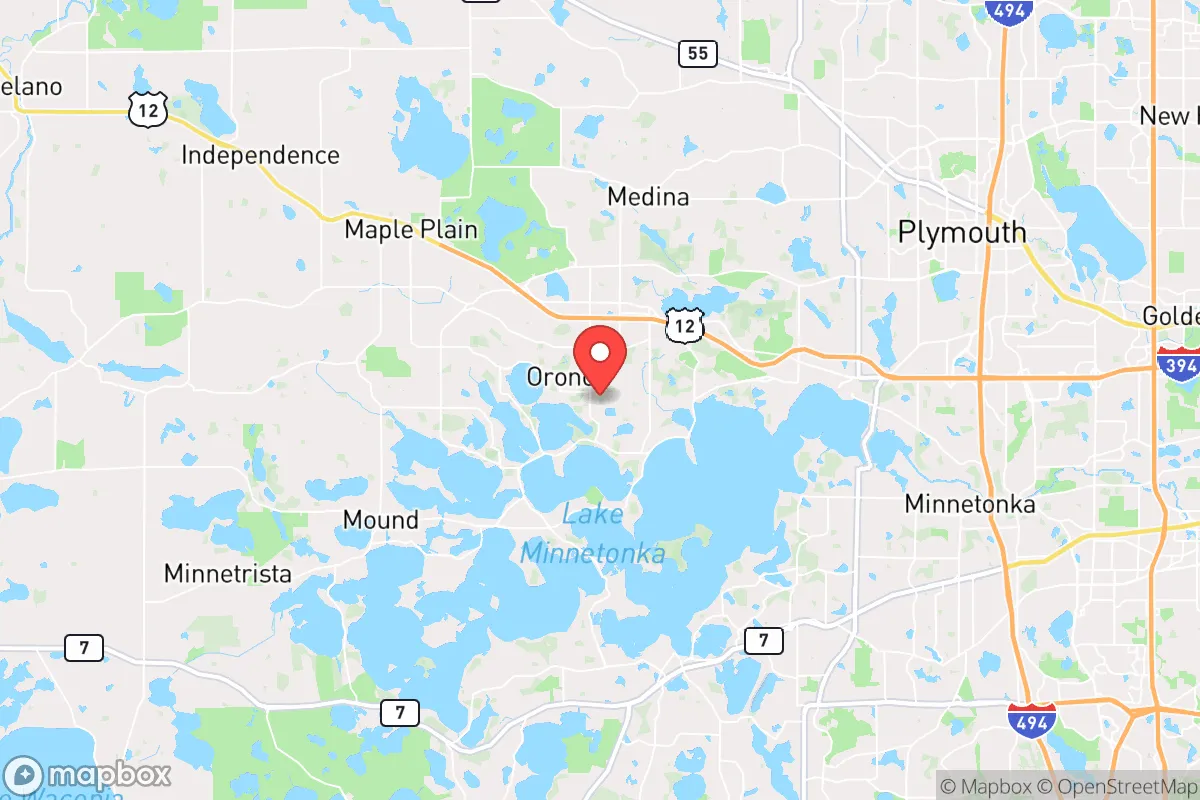
Political ClimatePolitical Climate in Orono, MN
District shown is the primary district for this city’s centroid. Cities may span multiple districts.
Local Political AnalysisPolitical Analysis of Orono, MN
Orono, Minnesota, leans heavily Democratic with a Cook PVI of D+11, meaning it votes about 11 points more Democratic than the national average. That’s a pretty stark shift from what many of us remember growing up here, when the area was a lot more balanced politically. The trajectory has been steadily leftward over the past decade, driven largely by new residents moving in from Minneapolis and other urban cores, bringing their politics with them. If you’re looking for a place where local government still respects personal freedoms and stays out of your business, Orono is becoming a tougher sell.
How it compares
To understand Orono’s political climate, you have to look at the towns around it. Head west to Maple Plain or Independence, and you’ll find a much more conservative vibe—folks who value limited government and aren’t shy about saying so. Drive north to Long Lake or east to Wayzata, and you’re back in deep-blue territory, where progressive policies on taxes, land use, and schools are the norm. Orono sits right in the middle of this corridor, but its D+11 rating puts it squarely in the Democratic camp. The contrast is especially sharp during local elections: school board and city council races here often hinge on issues like diversity initiatives or climate action plans, while neighboring towns are debating property rights and spending limits. It’s a reminder that where you live in the western suburbs can mean very different rules for your family.
What this means for residents
For those of us who’ve been here a while, the biggest concern is how this political tilt affects daily life. Property taxes have climbed steadily, partly to fund school programs and city projects that align with progressive priorities—things like equity training for staff or expanded public transit studies. There’s also been a push for stricter environmental regulations on lakefront properties, which sounds good on paper but can mean more red tape if you want to build a dock or update your septic system. Personal freedoms feel a little more squeezed each year, whether it’s new rules on short-term rentals or mandatory composting programs. If you value being left alone to run your home and business as you see fit, the trend here is worrying. The long-term outlook? Unless the political makeup shifts back toward the center, expect more of the same: higher costs, more mandates, and less local control.
Cultural and policy distinctions
One thing that sets Orono apart is its strong sense of community—people still wave on the lake and help neighbors during snowstorms. But that culture is being tested by policy decisions that feel out of step with many residents’ values. For example, the city has embraced “sanctuary city” policies in spirit, even if not officially, which raises questions about public safety and resource allocation. There’s also been a quiet but persistent push to remove historical markers and rename streets, which rubs a lot of us the wrong way. If you’re looking for a place where tradition and common sense still hold sway, you might want to look further west—places like Delano or Watertown still have that old-school Minnesota feel. Orono isn’t lost yet, but it’s heading in a direction that makes you wonder how much longer it’ll feel like home for those who value freedom over government overreach.

State Political ClimatePolitical Climate in Minnesota
State Political AnalysisPolitical Environment in the State
Minnesota has shifted from a classic purple battleground to a solidly blue state over the past two decades, with Democrats now controlling all levers of state government. The state hasn’t voted for a Republican presidential candidate since 1972, and the 2024 election saw Kamala Harris win by roughly 7 points. However, this blue veneer masks a deep internal divide: the Twin Cities metro area overwhelmingly drives Democratic victories, while much of Greater Minnesota has swung hard to the right. For a conservative considering relocation, the state offers a mixed bag — low crime in many rural areas but a policy environment that has aggressively expanded government control over personal freedoms.
Urban vs. rural divide
The political map of Minnesota is a tale of two states. The Twin Cities metro — Minneapolis, St. Paul, and their inner-ring suburbs like Edina and Bloomington — is a deep blue stronghold, producing massive Democratic margins that swamp the rest of the state. In 2024, Hennepin County alone gave Harris a 300,000-vote cushion. Meanwhile, outstate Minnesota has become reliably red. Counties like Stearns (St. Cloud), Olmsted (Rochester), and Wright (Buffalo) have trended Republican, with Wright County voting +30 points for Trump in 2024. The Iron Range, once a Democratic stronghold, has flipped dramatically — St. Louis County (Duluth) still leans blue, but surrounding mining counties like Itasca and Lake are now competitive or red. The suburban ring is the real battleground: Dakota and Washington counties, once reliably red, have moved left, while exurbs like Lakeville and Prior Lake remain conservative. A conservative moving to Minnesota should understand that living outside the I-494/I-694 loop means living in a red island surrounded by blue water.
Policy environment
Minnesota’s policy environment has shifted sharply left since Democrats took full control in 2023. The state now has a progressive income tax with a top rate of 9.85% on income over $200,000 (single), one of the highest in the nation. Property taxes vary wildly — rural counties like McLeod or Sibley are manageable, but the Twin Cities metro carries high levies. The 2023 session saw a flurry of legislation: a new paid family and medical leave program funded by payroll taxes, a 20% corporate tax rate increase, and a new 1% metro-area sales tax for transit. Education policy is a flashpoint: Minnesota has a statewide curriculum that emphasizes DEI and CRT concepts, and the state Department of Education has pushed gender identity policies that allow students to change names and pronouns without parental consent. School choice is limited — there are no charter schools in many rural areas, and the state’s open enrollment system is often blocked by district capacity caps. Election laws have been loosened: automatic voter registration, same-day registration, and no-excuse absentee voting are all in place. For a conservative, the policy environment is increasingly hostile to traditional values and fiscal restraint.
Trajectory & freedom
Minnesota’s trajectory on personal freedom is concerning. The 2023 legislative session was one of the most aggressive in state history. On gun rights, the state passed universal background checks and a “red flag” law (the Minnesota Extreme Risk Protection Order Act), allowing courts to temporarily seize firearms without a criminal conviction. Parental rights took a hit with the “Trans Refuge” law, which shields gender-affirming care for minors from out-of-state legal challenges and blocks parental notification requirements. Medical autonomy was further restricted by a law requiring insurance coverage for abortion and gender transition procedures, effectively mandating taxpayer funding. Property rights have been eroded by a new “climate” zoning law that allows local governments to block development based on carbon impact. On the positive side, Minnesota has no right-to-work law, but it also has no state-level occupational licensing reform — many trades require costly licenses. The state’s freedom index has dropped significantly; the Cato Institute now ranks Minnesota 40th in personal freedom. The trend is clear: more mandates, more taxes, and less individual liberty.
Civil unrest & political movements
Minnesota has been a flashpoint for civil unrest since the 2020 George Floyd riots, which caused over $500 million in damage in Minneapolis and St. Paul. The state’s response — a failed police reform ballot measure in 2021 and the ongoing trial of former officer Derek Chauvin — has left deep scars. Activist groups like the Minnesota Freedom Fund and the Twin Cities Coalition for Justice 4 Jamar have pushed for defunding police, while conservative movements like the Minnesota Gun Owners Caucus and the Minnesota Family Council have fought back. Immigration politics are volatile: Minnesota is a “sanctuary state” under a 2023 law that limits cooperation with ICE, and the state has seen a surge in Somali and Hmong populations, particularly in Minneapolis and St. Cloud. Election integrity remains a hot topic — the 2020 election saw a narrow 7,000-vote margin in the presidential race, and the state’s same-day registration system has been criticized for lack of verification. Visible flashpoints include the ongoing standoff over the Line 3 pipeline, where activists have clashed with law enforcement, and the rise of the “Walmart protests” in rural towns over COVID mandates. A new resident will notice the political tension is palpable, especially in the metro area.
Projection
Over the next 5-10 years, Minnesota is likely to become more blue, not less. Demographic trends favor Democrats: the Twin Cities metro is growing, while rural counties are shrinking. In-migration from blue states like California and Illinois is accelerating, particularly to the suburbs of Minneapolis and St. Paul. The state’s high taxes and regulatory burden are driving out businesses — companies like Polaris and 3M have expanded elsewhere — but the influx of remote workers from coastal cities is offsetting that loss. The Republican Party is increasingly confined to outstate areas and exurbs, and the state’s gerrymandered legislative districts make a GOP takeover difficult. However, a potential wild card is the growing Hispanic population in southern Minnesota (e.g., Worthington, Willmar), which could shift the balance if that community votes conservative. For a conservative moving in now, expect the policy environment to continue tightening: more gun control, higher taxes, and further erosion of parental rights. The state’s “Minnesota Miracle” school funding model is likely to be replaced by a more progressive, equity-based system. The bottom line: Minnesota is a beautiful state with great outdoor recreation and strong communities, but it is becoming a place where conservative values are increasingly marginalized.
Bottom line for a new resident: If you’re a conservative considering Minnesota, you’ll find a welcoming community in the exurbs and rural areas, but you’ll be fighting an uphill battle against a state government that is actively expanding its control over your life. The trade-off is a high quality of life in terms of nature, schools (in certain districts), and healthcare, but you’ll pay for it with high taxes and a loss of personal freedom. Choose your county carefully — Wright, Sherburne, or Stearns offer a red oasis, while the metro is a blue fortress. If you value low taxes, gun rights, and parental control, Minnesota may not be your best bet long-term.
* Values derived from national, state, county, city and local statistics and may differ in a specific area. Last updated: 2026-04-27T14:40:29.000Z
Narrative content on this page is AI-generated and may contain mistakes. Verify any details that matter before acting on them.
ReloMaps may earn a commission from affiliate links at no extra cost to you.

