Photo: Wikipedia
Personal Sovereignty in Paramus, NJ
Viable for self-reliance. Generally workable, though some barriers may limit total independence.
What does Personal Sovereignty tell us?
Personal Sovereignty measures your capacity for self-reliance and independence with minimal government friction. Higher scores mean fewer barriers between you and the way you want to live... but it assumes you have the space you need and good neighbors.
What does this tell us?
Personal Sovereignty measures your capacity for self-reliance and independence with minimal government friction. Higher scores mean fewer barriers between you and the way you want to live... but it assumes you have the space you need and good neighbors.
State Policy
Energy independence: Importer (8% of energy produced in-state)
Personal Liberty
Homesteading

Personal Liberty Analysis
For a relocation researcher evaluating personal sovereignty, Paramus, New Jersey presents a paradox: it offers high-end amenities and proximity to New York City, but operates within one of the most densely regulated and tax-burdened states in the union. The autonomy environment here is constrained by state-level mandates that touch nearly every aspect of daily life, from what you can own to how you can educate your children. A survivalist or prepper mindset will find the legal landscape hostile to self-reliance, with the state’s aggressive tax structure, restrictive gun laws, and heavy-handed zoning codes creating a system where individual freedom is secondary to collective compliance. While the town itself is safe and prosperous, the sovereignty you retain is largely what the state allows you to keep—and that list is shorter than in most of the country.
Tax burden and regulatory posture: How New Jersey’s policies affect your financial autonomy
New Jersey’s tax burden is the highest in the nation, and Paramus sits squarely in that crosshairs. The state’s income tax tops out at 10.75% on income over $1 million, but even middle-income earners face rates around 5-6%. Property taxes in Paramus are notoriously steep—averaging over $12,000 annually for a median home—driven by the state’s reliance on local property levies to fund schools and services. For a prepper focused on financial independence, this means a significant portion of your income is siphoned before you can allocate it to supplies, land, or emergency funds. The regulatory posture is equally aggressive: New Jersey has some of the strictest environmental and building codes in the country, which can complicate any off-grid or self-sufficient project. Permitting for solar panels, rainwater collection, or even a backyard chicken coop requires navigating layers of municipal and state bureaucracy. The state’s “Mount Laurel” doctrine mandates affordable housing quotas in every town, which can lead to zoning changes that reduce lot sizes and increase density—directly undermining the privacy and space a survivalist values. In short, your financial and operational autonomy is heavily taxed and regulated from the start.
Self-defense and gun law specifics: What you can and cannot do to protect yourself
New Jersey’s gun laws are among the most restrictive in the nation, and Paramus residents must comply with a system that treats firearm ownership as a privilege, not a right. The state requires a Firearms Purchaser Identification Card (FPID) for long guns and a separate permit for each handgun purchase, with a 30-day waiting period between handgun transactions. Concealed carry is theoretically possible after the 2024 Bruen-inspired reforms, but the process remains onerous: you must demonstrate a “justifiable need” to the local police chief, undergo a background check, complete a training course, and pay substantial fees. In practice, many applicants are denied or delayed. Magazine capacity is capped at 10 rounds, and “assault weapons” are banned by name—including many common AR-15 platforms. For a prepper, this means your home defense options are limited to pump-action shotguns, bolt-action rifles, or handguns with restricted magazines. Stand-your-ground laws do not exist; New Jersey imposes a duty to retreat in public spaces. The state also has a “red flag” law allowing authorities to seize firearms based on a complaint, without a criminal conviction. If self-defense is a priority, Paramus places you in a legal environment where proactive protection is heavily discouraged.
Self-reliance and homesteading viability: Lot sizes, zoning, and off-grid feasibility
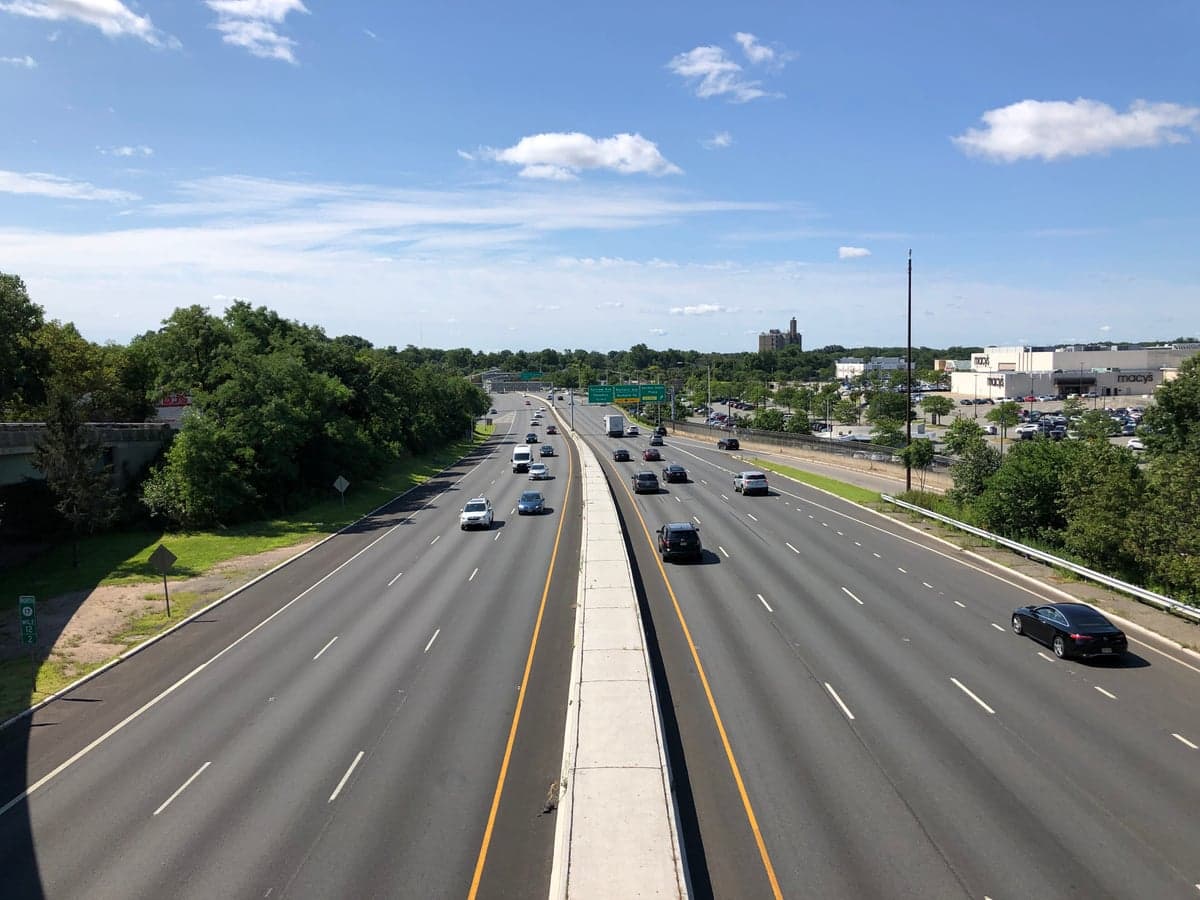
Paramus is a densely developed suburban borough with an average lot size of about 0.2 to 0.3 acres—far too small for any meaningful homesteading. Zoning ordinances restrict livestock, with chickens typically limited to a few hens and no roosters, and larger animals like goats or pigs are outright banned in most residential zones. The town’s master plan prioritizes commercial development along Route 17 and the Garden State Parkway, meaning residential areas are tightly packed with single-family homes on small lots. Off-grid feasibility is essentially zero: New Jersey requires connection to the municipal water and sewer system in most areas, and solar panels must be grid-tied to qualify for net metering. Rainwater collection for potable use is heavily regulated due to health codes, and composting toilets are not permitted as primary sanitation. For a survivalist seeking land to grow food, raise animals, or live independently, Paramus is a non-starter. You would need to look to rural areas of Sussex or Warren counties—an hour or more west—to find the acreage and looser zoning that support self-reliance. Within Paramus, your best bet is a community garden plot or a small vegetable patch in a backyard, but that’s a hobby, not a survival strategy.
Personal liberties: Parental rights, medical autonomy, speech, and property
New Jersey’s progressive governance extends into areas of personal liberty that matter deeply to conservative-leaning residents. Parental rights are under constant pressure: the state mandates comprehensive sex education in public schools, including LGBTQ+ content, and parents cannot opt their children out of these lessons—only request alternative materials. Medical autonomy is similarly constrained; New Jersey has some of the strictest vaccine mandates in the country, including for school attendance, and during the COVID-19 pandemic, the state imposed mask and vaccine mandates that were among the longest-lasting in the nation. For a prepper concerned about government overreach in health decisions, this pattern is troubling. Free speech is protected under the First Amendment, but local ordinances can limit political signage and public gatherings, and the state’s bias crime laws can be applied broadly to speech deemed hateful. Property rights are heavily curtailed by zoning and environmental regulations; you cannot build a shed, fence, or addition without multiple permits and inspections. The state’s “Eminent Domain” powers are also robust, used frequently for redevelopment projects. In Paramus, your ability to control what happens on your property, in your child’s classroom, or in your own body is significantly limited by state and local authority.
Overall, Paramus offers a high standard of living in a safe, well-managed community, but personal sovereignty is sacrificed to achieve that order. Compared to areas in the South or Midwest—where lower taxes, looser gun laws, and larger lots allow for genuine self-reliance—Paramus feels like a managed environment where the state sets the rules and you follow them. For a single individual or parent with a survivalist mindset, the trade-off is clear: you gain convenience and security but lose the autonomy to prepare, defend, and live as you see fit. If your priority is maximizing personal sovereignty, this is not the place. If you must be near New York City for work or family, consider it a temporary base while you scout land in a more freedom-friendly jurisdiction.

* Values derived from national, state, county, city and local statistics and may differ in a specific area. Last updated: 2026-05-01T09:31:25.000Z
Narrative content on this page is AI-generated and may contain mistakes. Verify any details that matter before acting on them.
ReloMaps may earn a commission from affiliate links at no extra cost to you.

