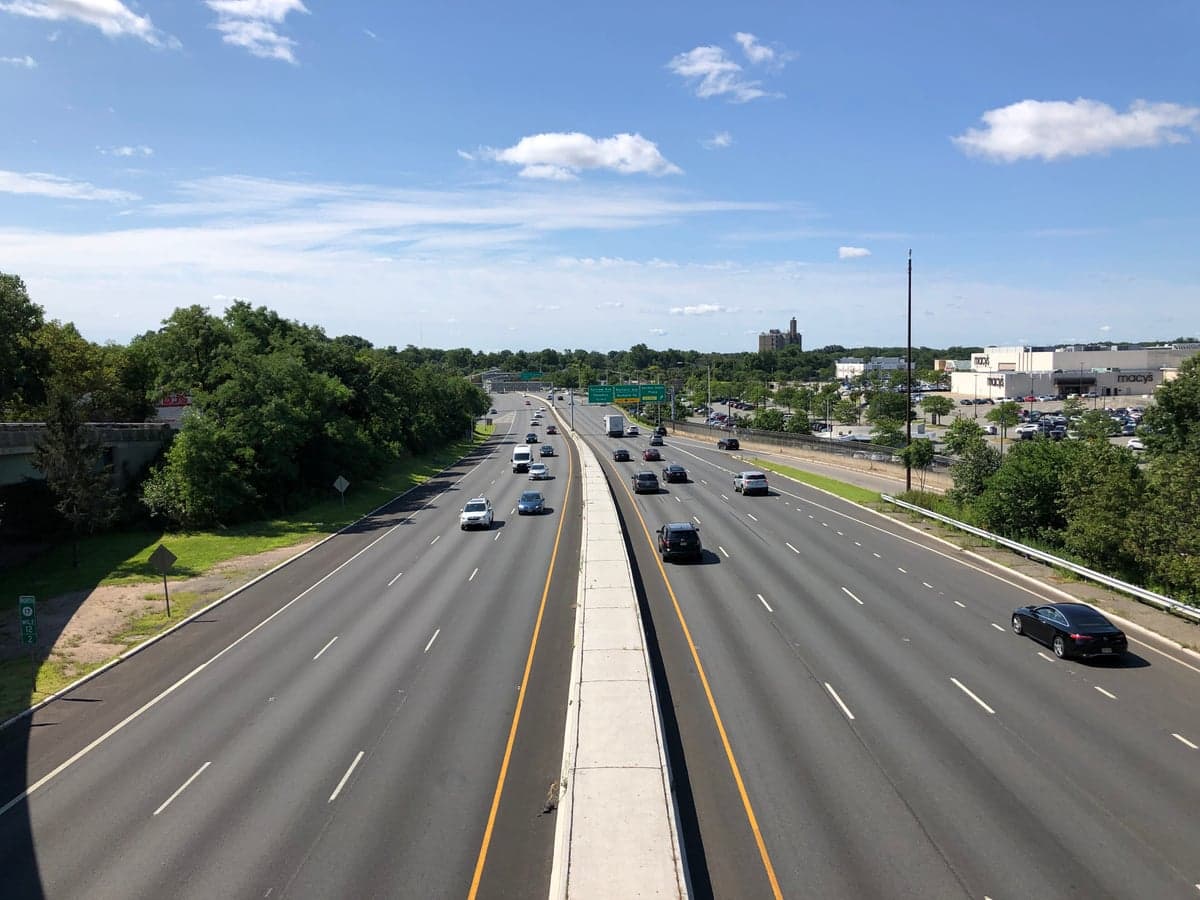
Photo: Wikipedia
Political ClimatePolitical Climate in Paramus, NJ
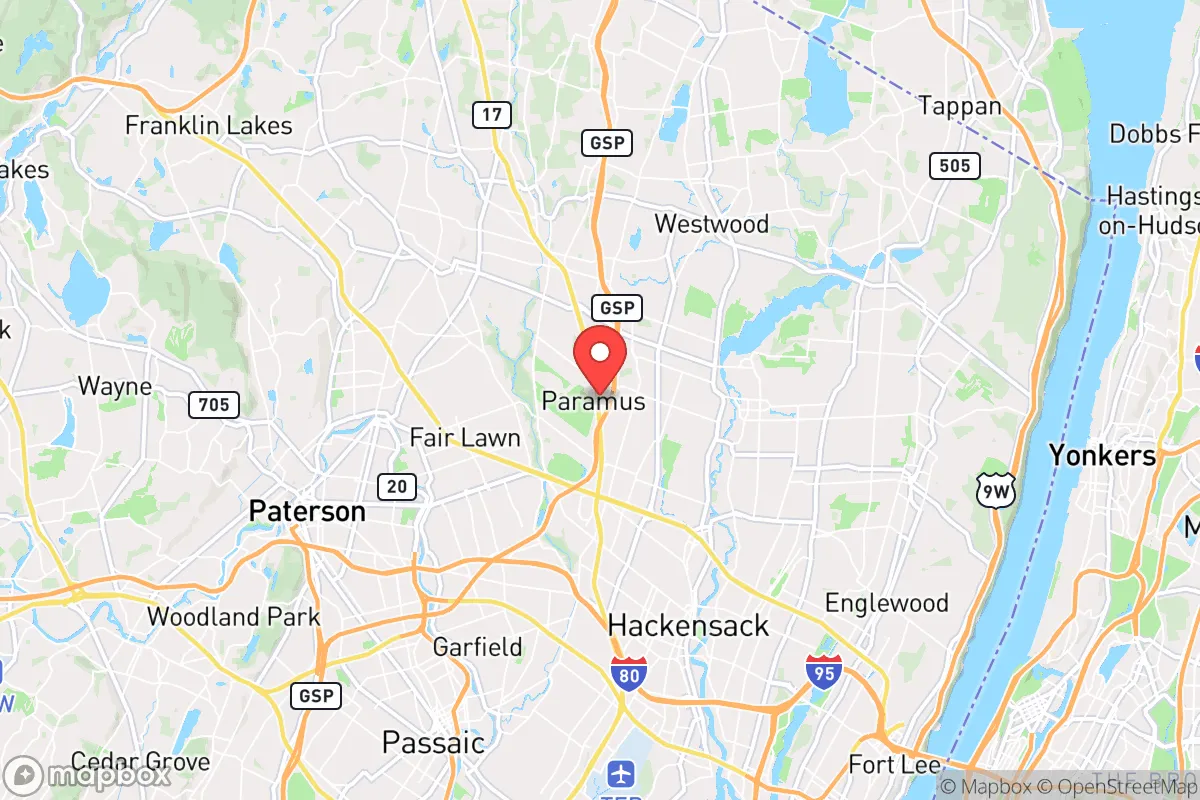
District shown is the primary district for this city’s centroid. Cities may span multiple districts.
Local Political AnalysisPolitical Analysis of Paramus, NJ
Paramus, New Jersey, sits in a political gray zone that’s been shifting leftward for years. The Cook PVI rating of D+2 tells you it’s a toss-up district on paper, but anyone who’s lived here since the 90s will tell you the old Reagan Democrat base has been fading fast. The town itself still leans more conservative than Bergen County as a whole, but the surrounding areas—like Hackensack and Teaneck—have gone deep blue, and that progressive tide is lapping at Paramus’s doorstep. The real story isn’t just about party registration; it’s about how local governance has started to mirror state-level overreach, especially on property rights and school policies.
How it compares
Drive ten minutes east to Hackensack, and you’re in a solidly Democratic stronghold where the city council has pushed rent control ordinances and sanctuary city resolutions that Paramus voters have so far rejected. Head west to Ridgewood, and you’ll find a town that’s become a battleground over school board politics, with progressive slates winning narrow victories in recent cycles. Paramus, by contrast, has held the line on most fiscal issues—property taxes are still high, but the town hasn’t gone full-bore into the kind of social engineering you see in Montclair or Maplewood. The real contrast is with nearby Mahwah, which has a more conservative council that’s fought state mandates on affordable housing quotas. Paramus tends to roll over on those mandates, which frustrates a lot of longtime residents who remember when local zoning actually meant something.
What this means for residents
For families and small business owners, the practical effect of Paramus’s D+2 lean is a slow creep of regulations that feel less like common sense and more like government overreach. The town has adopted stricter noise ordinances and sign restrictions that make it harder for mom-and-pop shops to advertise. School board meetings have gotten tense, with parents pushing back against curriculum changes that seem to prioritize ideology over academics. The biggest red flag is the way Paramus has embraced state-mandated affordable housing plans—forcing higher-density development into single-family neighborhoods, which changes the character of the town and strains infrastructure. If you value local control and don’t want Trenton telling you what you can build on your own property, that’s a trend worth watching closely.
Culturally, Paramus still has a strong sense of community—the Fourth of July parade and the local volunteer fire department are institutions that haven’t been politicized yet. But the long-term trajectory is concerning. The county Democratic machine is well-funded and organized, and they’ve been targeting Paramus for years. If the current trend holds, expect more zoning battles, more school board controversies, and a continued erosion of the kind of local autonomy that made this area a great place to raise a family. It’s not a lost cause yet, but it’s a town that needs residents to stay engaged—or watch the progressive playbook get implemented one ordinance at a time.

State Political ClimatePolitical Climate in New Jersey
State Political AnalysisPolitical Environment in the State
New Jersey has long been one of the most reliably Democratic states in the nation, but its political climate is far more nuanced than the blue label suggests. The state has voted for the Democratic presidential candidate in every election since 1992, and Democrats hold both U.S. Senate seats, a supermajority in the State Assembly, and the governorship. However, this dominance masks a deep and growing urban-rural divide, a powerful suburban swing vote, and a tax-and-regulatory environment that has many conservatives feeling squeezed. Over the last 10-20 years, the state has shifted leftward on social issues and immigration, while economic policies have remained aggressively progressive, making it a challenging environment for those who prioritize fiscal conservatism or individual liberty.
Urban vs. rural divide
The political map of New Jersey is a tale of two states. The northern and central urban corridor—Newark, Jersey City, Paterson, and Elizabeth—is a Democratic stronghold, driven by dense populations, strong union presence, and large minority communities. These cities reliably deliver 70-80% of their votes to Democrats, effectively deciding statewide elections. In contrast, the rural and exurban areas of Sussex County, Hunterdon County, and Salem County are deeply Republican, often voting 60-65% for GOP candidates. The real battleground is the suburbs—places like Morris County, Monmouth County, and Ocean County. Ocean County, in particular, is a GOP stronghold, with the Lakewood area's Orthodox Jewish community adding a unique conservative voting bloc. However, suburban voters in counties like Bergen and Essex have trended left in recent cycles, driven by college-educated professionals and an aversion to Trump-era politics. This suburban shift is what has kept the state solidly blue, even as rural areas grow more conservative.
Policy environment
New Jersey’s policy environment is a textbook case of progressive governance. The state has the highest property taxes in the nation, averaging over $9,500 per year, and a progressive income tax that tops out at 10.75% for earners over $1 million. The regulatory posture is heavy: strict environmental rules, a $15 minimum wage, and some of the nation’s toughest gun laws, including a 2018 "red flag" law and a 2022 law requiring liability insurance for gun owners. Education policy is dominated by the teachers’ union, with per-pupil spending exceeding $25,000—among the highest in the country—yet student outcomes remain middling. Healthcare is heavily regulated, with a state-run health insurance exchange and Medicaid expansion under the Affordable Care Act. Election laws are among the most accessible in the nation: no-excuse mail-in voting, automatic voter registration, and same-day registration were all codified in recent years. For a conservative, this environment feels like a constant tug-of-war between personal freedom and government intervention, with the government usually winning.
Trajectory & freedom
Over the past five years, New Jersey has moved decisively toward less personal freedom, particularly on issues of gun rights, parental rights, and economic liberty. The 2022 gun liability insurance law was a national first, effectively requiring gun owners to purchase a policy that could be used to sue them if their firearm is used in a crime—a clear infringement on the Second Amendment. In 2023, the state passed a law banning the sale of "assault weapons" and large-capacity magazines, further tightening restrictions. On parental rights, the state has been a battleground: Governor Phil Murphy signed a law in 2022 requiring school districts to adopt policies supporting LGBTQ+ students, including allowing students to use preferred names and pronouns without parental consent—a direct challenge to parental authority. The state also expanded abortion access in 2022, codifying the right to abortion and requiring insurance coverage. On the economic front, the 2020 "millionaires’ tax" hike and the 2023 expansion of paid family leave have increased the cost of living and doing business. The only bright spot for conservatives was the 2021 repeal of the "millionaires’ tax" surcharge, but it was quickly reinstated in 2023. The trajectory is clear: more regulation, higher taxes, and less individual autonomy.
Civil unrest & political movements
New Jersey has seen its share of political flashpoints. The Black Lives Matter protests in 2020 were large and sometimes violent in Newark and Jersey City, leading to property damage and clashes with police. The state’s sanctuary policies are a major point of contention: since 2018, New Jersey has been a "sanctuary state," with state law prohibiting local law enforcement from cooperating with federal immigration authorities unless a criminal warrant is issued. This has led to tensions in towns like Woodbridge and Perth Amboy, where immigrant populations are large. On the right, the New Jersey Second Amendment Society has been active in lawsuits against the state’s gun laws, and the New Jersey Family Policy Council has fought against the parental rights erosion. Election integrity has been a hot-button issue since 2020, with Republican activists questioning the state’s widespread use of mail-in ballots—New Jersey sent ballots to all active voters in 2020 and 2021, a move that was later codified into law. The 2021 gubernatorial race between Murphy and Republican Jack Ciattarelli was surprisingly close (Murphy won by 3 points), sparking GOP hopes of a comeback. However, the 2023 legislative elections saw Democrats maintain their supermajority, suggesting the state’s leftward drift is entrenched.
Projection
Looking ahead 5-10 years, New Jersey is likely to become even more progressive. Demographic trends favor Democrats: the state’s growing Hispanic and Asian populations, concentrated in urban and suburban areas, lean heavily Democratic. In-migration from New York City and other blue states is accelerating, particularly in Hoboken and Jersey City, bringing more left-leaning voters. The rural and exurban areas that vote Republican are shrinking in population, as young people leave for lower-cost states. The state’s fiscal situation is precarious—pension liabilities exceed $100 billion—which will likely lead to even higher taxes or service cuts, further driving out conservative-leaning residents. For a new resident, the expectation should be a state where progressive policies on taxes, guns, education, and immigration continue to expand, and where conservative voices are increasingly marginalized. The only wildcard is a potential national shift: if the GOP wins the White House in 2028, federal pressure could slow some state-level initiatives, but the local machinery will remain firmly in Democratic hands.
For a conservative considering a move to New Jersey, the bottom line is this: you will be living in a state where your tax dollars fund a government that actively works against many of your values. The property taxes alone are a dealbreaker for many, and the erosion of parental rights and Second Amendment protections is real and ongoing. If you’re a single individual or parent who values low taxes, school choice, and personal freedom, New Jersey is likely a poor fit. However, if you have a high-income job in New York City or Philadelphia and can afford the cost, the state offers excellent schools in certain suburbs, beautiful shore towns like Spring Lake and Cape May, and proximity to major cultural hubs. Just know that you’ll be paying a premium—in both dollars and liberty—for the privilege.
* Values derived from national, state, county, city and local statistics and may differ in a specific area. Last updated: 2026-05-01T09:31:25.000Z
Narrative content on this page is AI-generated and may contain mistakes. Verify any details that matter before acting on them.
ReloMaps may earn a commission from affiliate links at no extra cost to you.

