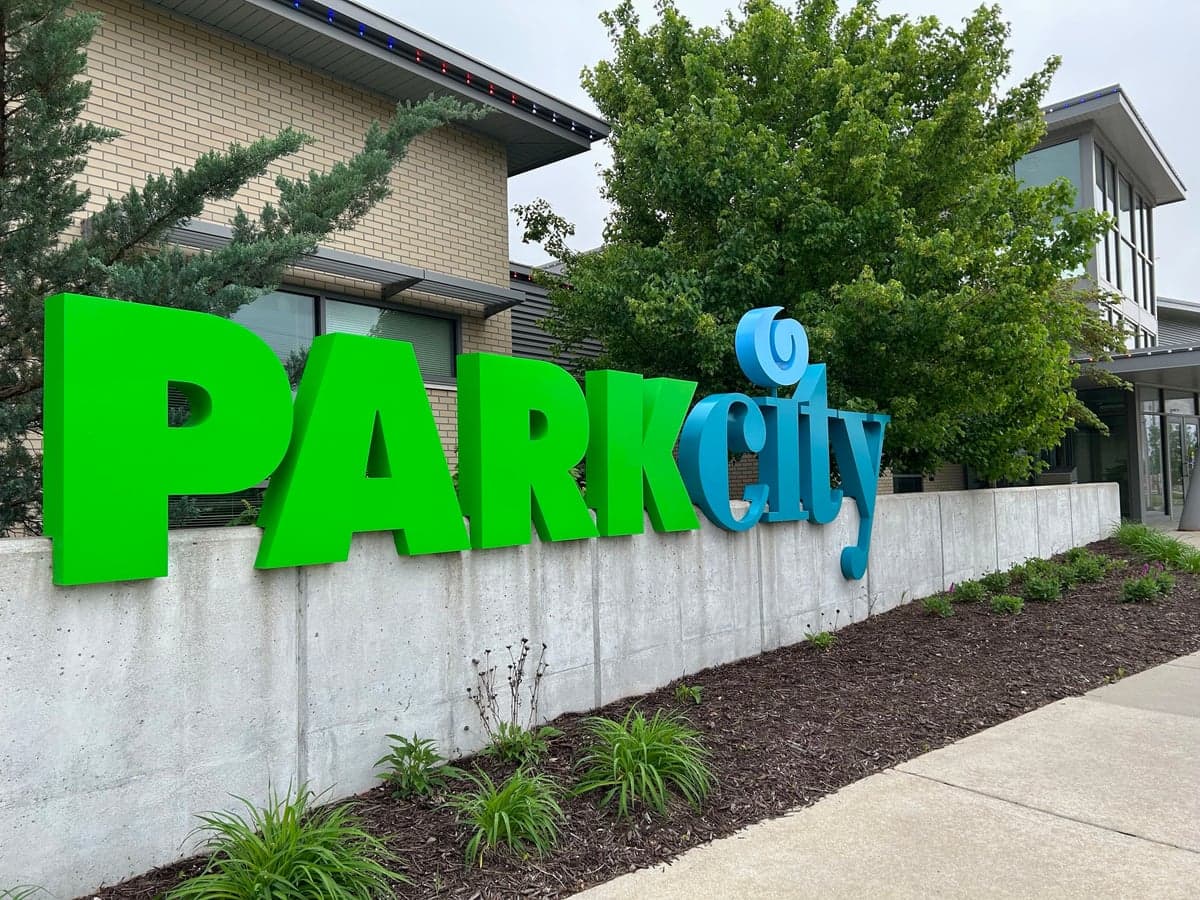
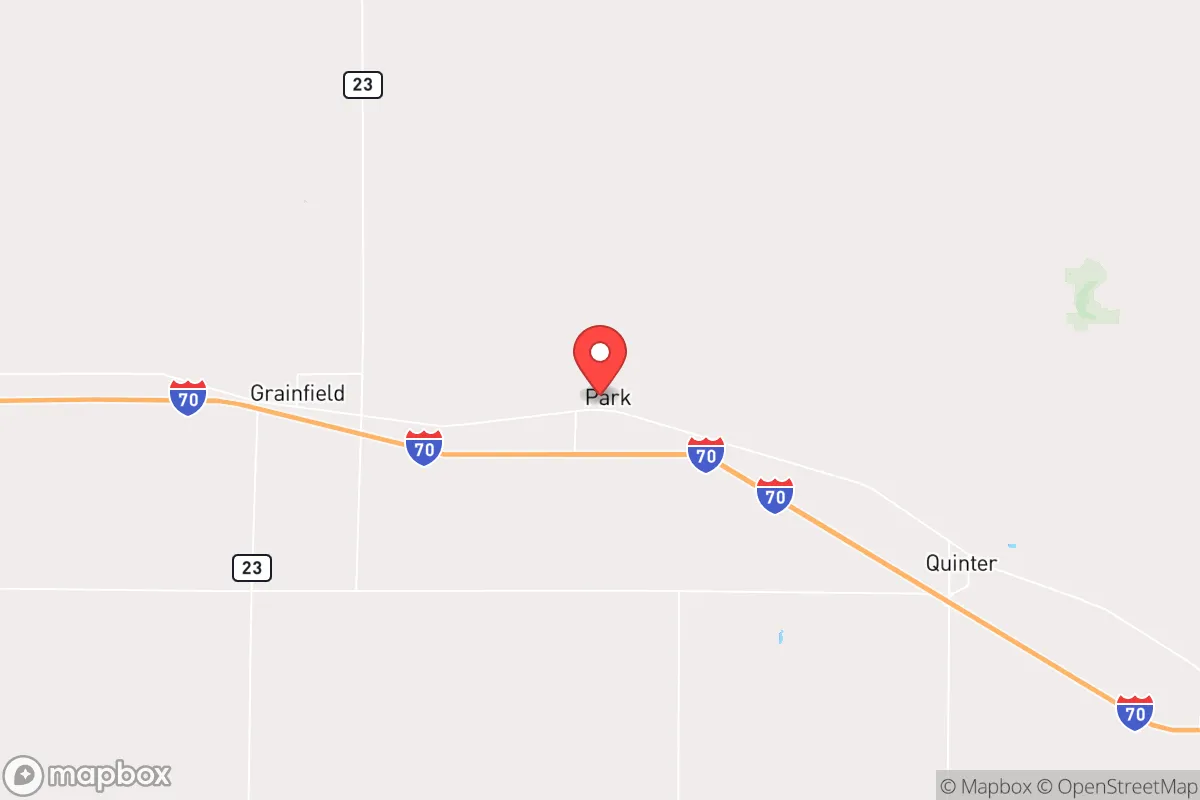
Photo: Wikipedia
Demographics of Park City, KS
Affluence Level in Park City, KS
A middle-class area roughly in line with national averages across income, home values, education, and employment.
People of Park City, KS
Park City, Kansas, is a tiny, tight-knit community of 79 residents, overwhelmingly White (94.9%) and entirely native-born, with a strong rural-suburban character rooted in its agricultural past. The city's population is older and working-class, with only 13.4% holding a college degree, reflecting its history as a farming settlement and later a bedroom suburb for Wichita's industrial workforce. There is no foreign-born population, and the small Hispanic minority (2.5%) represents the only non-White presence. Park City's identity is defined by its quiet, family-oriented atmosphere, low crime, and deep local ties among families who have lived here for generations.
How the city was settled and grew
Park City was platted in the 1880s as a farming community along the railroad line connecting Wichita to northern Kansas. The original settlers were predominantly of German and English descent, drawn by cheap land for wheat and corn farming. The first homes were built in the Park City Addition neighborhood, centered around what is now Main Street, where the town's school, church, and general store served a handful of families. By the early 1900s, the population hovered around 50, with residents working the surrounding fields and trading in nearby Wichita. The community remained small and homogeneous through the mid-20th century, with no significant industrial or immigrant waves. The South Park neighborhood, consisting of modest frame houses built in the 1920s and 1930s, housed the second generation of farming families and local tradesmen.
Modern era (post-1965)
After the 1965 Hart-Cellar Act, Park City saw no influx of foreign-born residents; its population remained entirely native-born and overwhelmingly White. The major demographic shift was domestic suburbanization as Wichita's aircraft and manufacturing industries expanded northward. In the 1970s and 1980s, new subdivisions such as Park City Heights and Park City Estates were developed, attracting white-collar workers and skilled tradespeople from Boeing, Cessna, and other Wichita employers. These neighborhoods feature larger ranch-style homes and attract families seeking lower property taxes and a quieter lifestyle than Wichita proper. The North Park area, near the city's industrial corridor, saw light commercial development but remained residentially sparse. The small Hispanic population (2.5%) likely arrived in the 1990s for agricultural or construction work, settling in older rental properties in the Park City Manor mobile home park, but their numbers have not grown. No Black, Asian, or Indian residents are recorded in the 2020 census data, and the city's racial composition has remained virtually unchanged for decades.
The future
Park City's population is projected to remain stable or decline slightly, as the city has little undeveloped land and no major economic drivers to attract new residents. The aging resident base—many original homeowners from the 1970s subdivisions are now retired—may lead to gradual turnover, but the city's homogeneity is unlikely to change significantly. The small Hispanic community is plateauing, with no signs of growth or assimilation into the broader White population. The next 10 to 20 years will likely see continued out-migration of younger adults to larger cities, reinforcing Park City's character as a quiet, conservative enclave. New development is limited to infill lots in Park City Estates and a few vacant parcels in Park City Addition, but no large-scale subdivisions are planned.
Park City is becoming a stable, aging bedroom community where long-term residents value privacy, tradition, and low taxes. For someone moving in now, it offers a low-crime, family-friendly environment with strong community bonds, but very limited diversity, amenities, or economic opportunity. It is best suited for those seeking a predominantly White, conservative small-town life within commuting distance of Wichita.

* Values derived from national, state, county, city and local statistics and may differ in a specific area. Last updated: 2026-05-14T18:57:16.000Z
Narrative content on this page is AI-generated and may contain mistakes. Verify any details that matter before acting on them.
ReloMaps may earn a commission from affiliate links at no extra cost to you.

