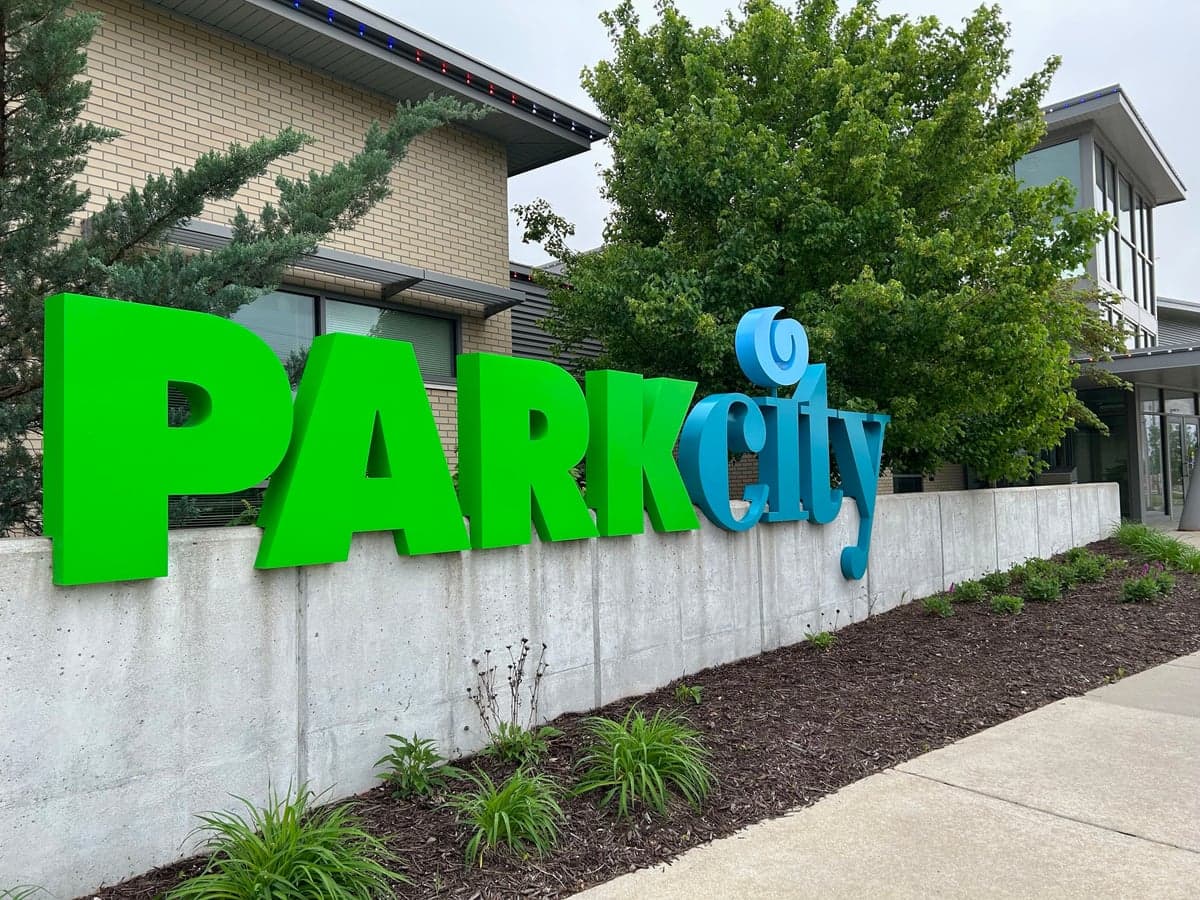
Photo: Wikipedia
Political ClimatePolitical Climate in Park City, KS
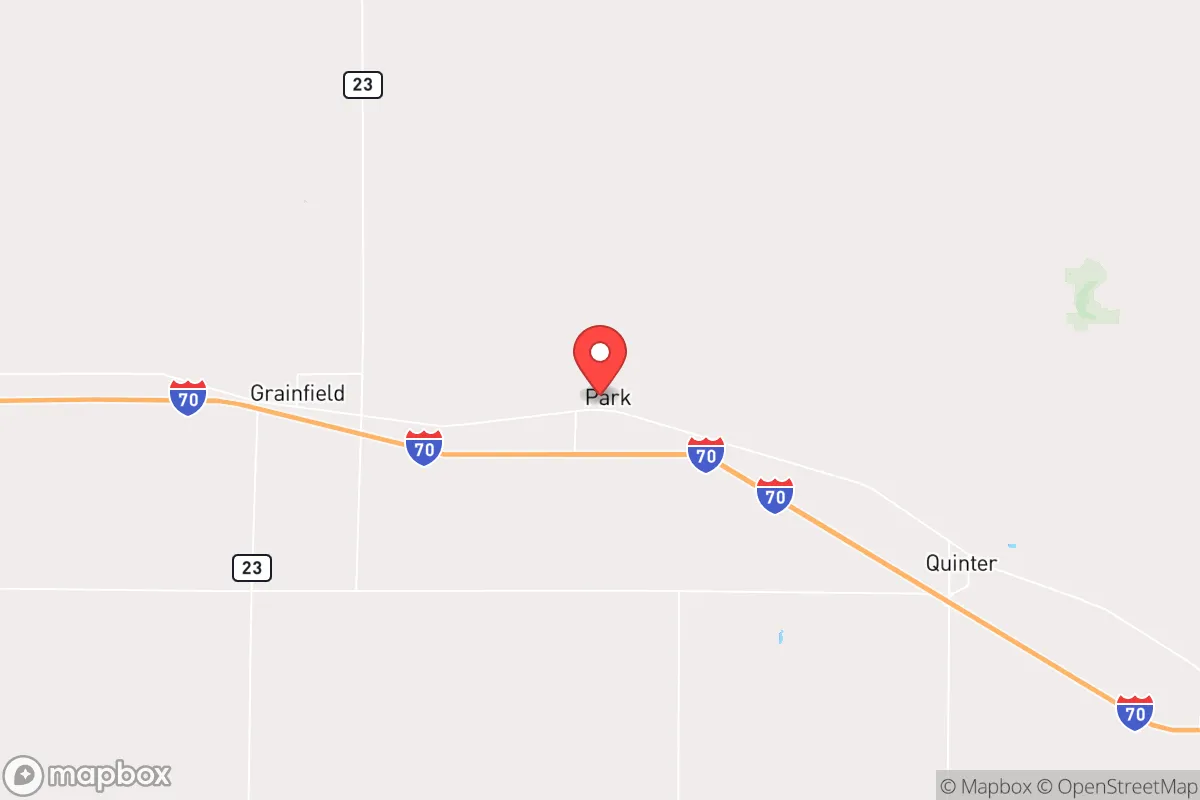
District shown is the primary district for this city’s centroid. Cities may span multiple districts.
Local Political AnalysisPolitical Analysis of Park City, KS
Park City, Kansas, sits solidly in the conservative column, with a Cook PVI of R+16 that makes it one of the more reliably Republican spots in the state. That's a full seven points redder than Kansas as a whole, which clocks in at R+9. Around here, that's not just a number—it's a way of life. We've seen the national trends creeping in elsewhere, but Park City has held the line, and if anything, the local sentiment has hardened over the past decade. The 2020 and 2024 elections only reinforced that, with precinct-level results showing consistent 65-70% Republican turnout. You don't see the same kind of flip-flopping you might in some of the suburbs closer to Wichita.
How it compares
Compared to the rest of Kansas, Park City is a distinct outlier in its intensity. The state's R+9 PVI already leans right, but that average gets pulled down by places like Lawrence and Wyandotte County. Even Wichita, just a few miles south, has pockets of blue that can make the overall county vote closer. Park City doesn't have that. We're surrounded by smaller communities like Valley Center and Kechi that share our values, but drive into the city proper and you'll start seeing the progressive push—higher taxes, more regulations, and a general attitude that government knows best. That's the contrast that gets under our skin. The state legislature has been a mixed bag lately, with some worrying moves on property tax relief and school choice that got watered down. Park City residents tend to vote for the candidates who promise to shrink government, not expand it.
What this means for residents
For folks living here, the political climate translates directly into daily life. Property taxes are lower than in Wichita, and you don't get the same kind of zoning overreach that can strangle small businesses. The city council has been pretty good about keeping permits simple and staying out of people's way. That said, we've had to stay vigilant. A few years back, there was a push to adopt some of the same "equity" policies that have bogged down other cities—things like diversity training requirements for contractors. The community pushed back hard, and it got tabled. Personal freedoms around gun rights and homeschooling are still respected here, but you can feel the pressure from state-level groups trying to chip away at them. The long-term concern is that if the state keeps drifting left, even a conservative town like Park City will have to fight harder to keep the government off our backs.
Culturally, Park City still feels like the Kansas I grew up in. The annual Labor Day parade and the local VFW post are the real community anchors, not some government program. We've got a strong sense of neighbor-helping-neighbor that doesn't need a bureaucracy to function. The biggest distinction from the rest of the state is that we haven't seen the same influx of out-of-state transplants that have changed places like Johnson County. That keeps the politics grounded. Looking ahead, I'd say we're holding steady, but it's going to take constant attention at the ballot box to make sure Park City stays Park City—a place where the government is a servant, not a master.

State Political ClimatePolitical Climate in Kansas
State Political AnalysisPolitical Environment in the State
Kansas is a solidly Republican state with a Cook PVI of R+9, but don’t let that number fool you into thinking it’s a monolith. Over the past two decades, the state has seen a tug-of-war between its deeply conservative rural base and a growing moderate-to-liberal corridor along the Kansas Turnpike, anchored by Kansas City, Lawrence, and Topeka. The overall partisan lean has held steady, but the internal dynamics have shifted: the rural vote has hardened, while the suburbs around Johnson County have become more competitive, and the state’s policy environment has swung between tax-cutting conservatism and periodic progressive overreach.
Urban vs. rural divide
The political map of Kansas is a classic tale of two Kansases. The eastern third, especially the Kansas City metro area, is the state’s blue island. Johnson County—places like Overland Park, Olathe, and Leawood—used to be reliably red, but since 2016 it’s become a battleground, with suburban women and younger voters drifting left. Lawrence, home to the University of Kansas, is the state’s most liberal city, often electing Democrats by wide margins. Topeka, the capital, leans Democratic but is more moderate. Meanwhile, the rest of the state is deeply Republican. Wichita, the largest city, is a mixed bag: its core is moderate, but the surrounding Sedgwick County suburbs and exurbs vote red. Western Kansas—Garden City, Dodge City, Hays—is solidly conservative, driven by agriculture, energy, and a strong sense of self-reliance. The rural-urban divide is stark: in 2020, Donald Trump won 97 of 105 counties, but lost Johnson, Wyandotte, and Douglas counties. That split defines Kansas politics today.
Policy environment
Kansas has a reputation for low taxes and limited government, but the reality is more nuanced. The state income tax is a flat 5.7% (down from a top rate of 6.45% a decade ago), and the sales tax is 6.5% with local add-ons. Property taxes are moderate but have been creeping up, especially in fast-growing Johnson County. The state’s regulatory posture is generally business-friendly, with right-to-work laws and limited occupational licensing compared to coastal states. Education policy has been a flashpoint: the state’s school funding formula has been litigated for years, with the Kansas Supreme Court repeatedly ordering more spending. That has frustrated conservatives who want local control and parental choice. On healthcare, Kansas did not expand Medicaid under the Affordable Care Act, a decision that remains controversial. Election laws are relatively secure: voter ID is required, and the state has a clean voter roll maintenance process. Overall, the policy environment is conservative but not libertarian—there’s still a lot of government involvement in schools and local land use.
Trajectory & freedom
Kansas has been on a rollercoaster regarding personal freedom. The good news: the state passed constitutional carry (permitless concealed carry) in 2015, and gun rights are strong. Parental rights got a boost with the 2023 Parental Bill of Rights, which requires schools to notify parents about curriculum and medical decisions. On the flip side, the state saw a major overreach during the COVID-19 pandemic when Governor Laura Kelly imposed lockdowns and mask mandates, though the legislature pushed back. More recently, the Kansas Supreme Court has been activist on abortion, ruling in 2019 that the state constitution protects abortion rights—a decision that led to a failed 2022 ballot measure to overturn it. That vote was a wake-up call: Kansans rejected the amendment, showing that even in a red state, many voters are wary of government intrusion into personal medical decisions. Property rights are generally respected, but local zoning in places like Lawrence and Johnson County can be restrictive. The trajectory is mixed: the legislature is moving right on cultural issues, but the courts and some local governments are pushing left.
Civil unrest & political movements
Kansas is not known for widespread civil unrest, but there have been flashpoints. In 2020, protests in Kansas City, Lawrence, and Wichita over George Floyd’s death turned into occasional clashes with police, but nothing like the destruction seen in Portland or Seattle. The state has a strong pro-life movement, with annual rallies at the Statehouse. Immigration politics are less heated than in border states, but Garden City and Dodge City have seen tensions over meatpacking plant workers, many of whom are immigrants. There is no sanctuary city policy—Kansas law prohibits it. Election integrity controversies flared after 2020, with some rural counties questioning Dominion voting machines, but no major fraud was found. The most visible political movement in recent years has been the rise of the “Moms for Liberty” chapter in Johnson County, pushing back on school board decisions. Overall, the political climate is stable but with a low hum of activism on both sides.
Projection
Over the next five to ten years, Kansas will likely remain Republican at the state level, but the margins will narrow. In-migration is modest, mostly from other Midwestern states, but the Kansas City suburbs are growing and diversifying. Johnson County will continue to trend purple, which could flip a few state legislative seats and maybe a congressional district. The rural population is aging and shrinking, which will amplify the urban-rural divide. On policy, expect continued fights over school funding, abortion, and tax cuts. The state’s fiscal health is good, thanks to a booming agricultural sector and a growing aerospace industry in Wichita. However, if the Kansas Supreme Court keeps overruling the legislature on education and abortion, there could be a push for judicial reform. For a conservative moving in, the next decade will feel like a holding action: the state will stay red, but the cultural battles will intensify, especially in the suburbs.
Bottom line: Kansas offers a relatively low-tax, family-friendly environment with strong gun rights and a conservative legislature, but you’ll need to pick your location carefully. If you want a reliably red community, look at rural towns like Hays or Garden City, or the Wichita suburbs like Andover. If you prefer a more moderate suburban setting with good schools, Johnson County is fine but expect more political diversity. The state is not trending toward the progressive extremes of the coasts, but the Kansas City metro is a blue island that will only grow. For a conservative family or individual, Kansas is a solid choice—just keep an eye on the courts and the suburbs.
* Values derived from national, state, county, city and local statistics and may differ in a specific area. Last updated: 2026-05-14T18:57:16.000Z
Narrative content on this page is AI-generated and may contain mistakes. Verify any details that matter before acting on them.
ReloMaps may earn a commission from affiliate links at no extra cost to you.

