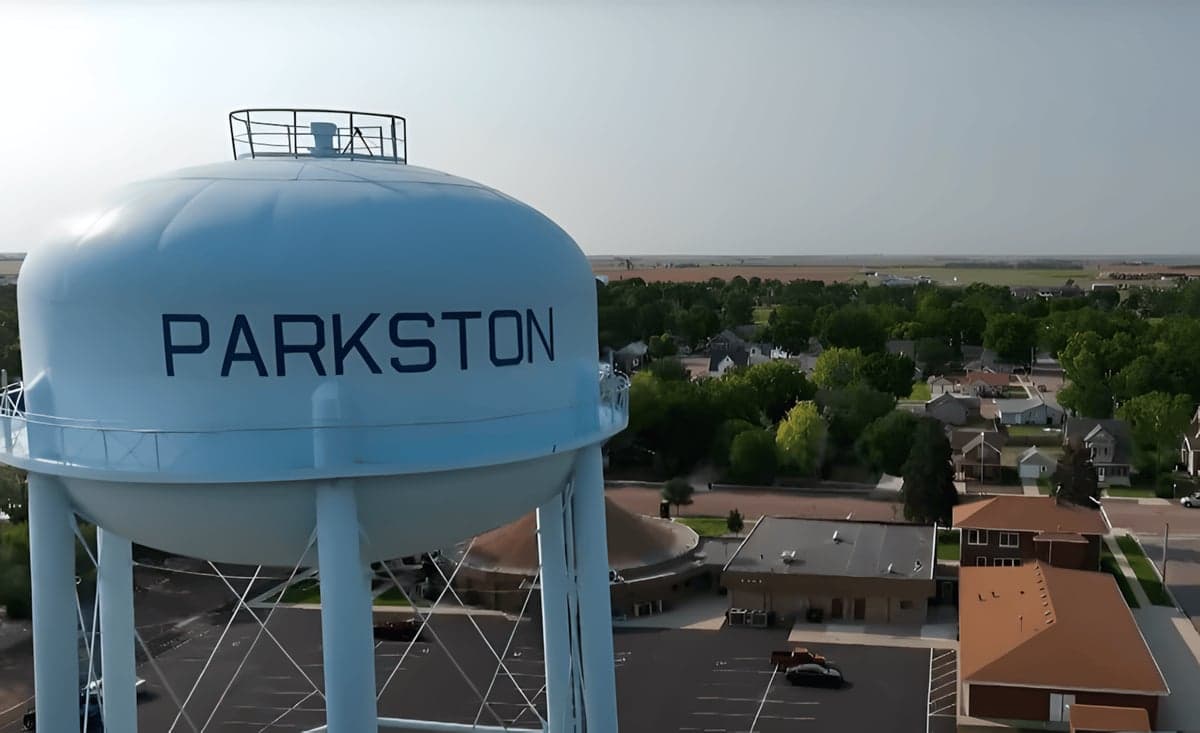
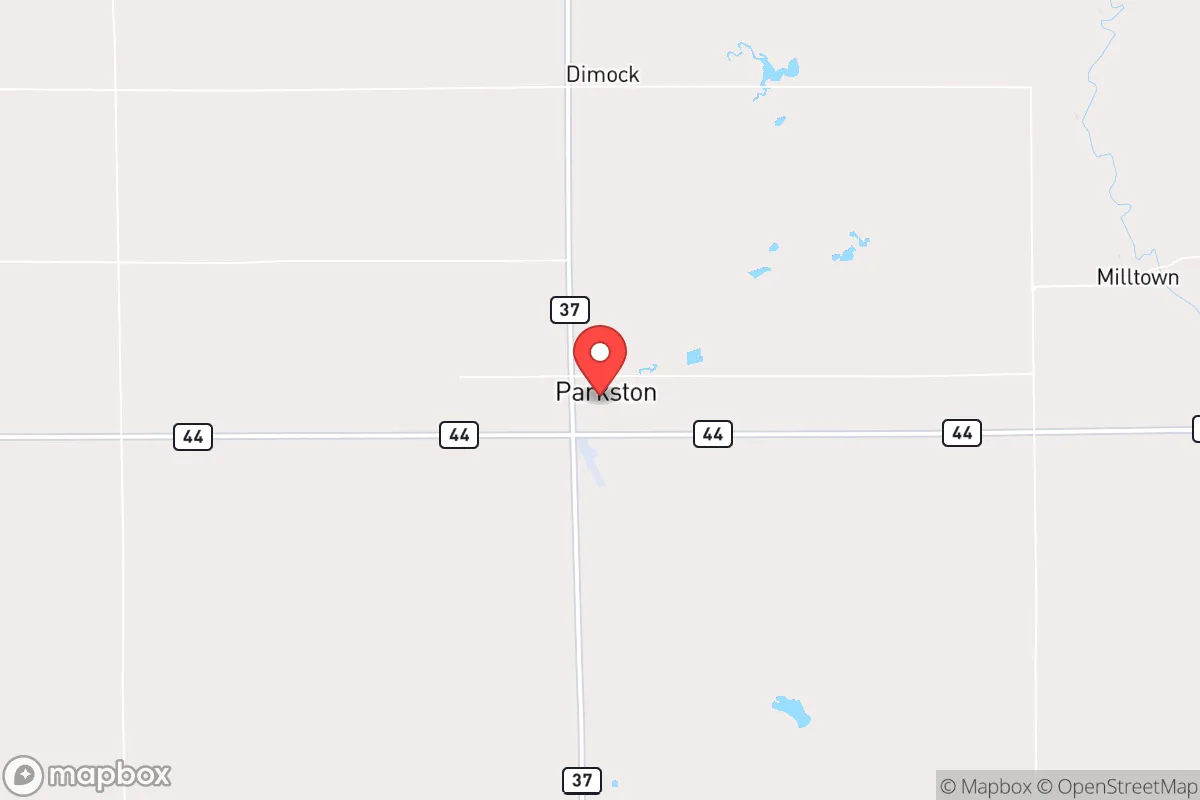
Quality of Life in Parkston, SD
Above-average quality of iife. The area offers a reasonable cost of living, decent mobility, and a mix of neighborhood amenities.
What does Quality of Life tell us?
Quality of Life blends cost of living, nearby amenities, socioeconomic signals, and neighborhood character. City-level scores represent the whole municipality; individual neighborhoods can differ.
What does this tell us?
Quality of Life blends cost of living, nearby amenities, socioeconomic signals, and neighborhood character. City-level scores represent the whole municipality; individual neighborhoods can differ.
Cost of Living
42% below national average
The Real Cost of Living in Parkston, SD for 2026
| Tier | Individual | Family (4) |
|---|---|---|
| Survival | $12k | $22k |
| Comfortable | $28k | $42k |
| Luxury | $78k+ | $121k+ |
| Elite (Top 5%) | $92k+ | $143k+ |
172%
The Area Signal
A metric tracking the socioeconomic signals of the area.

Hobbies
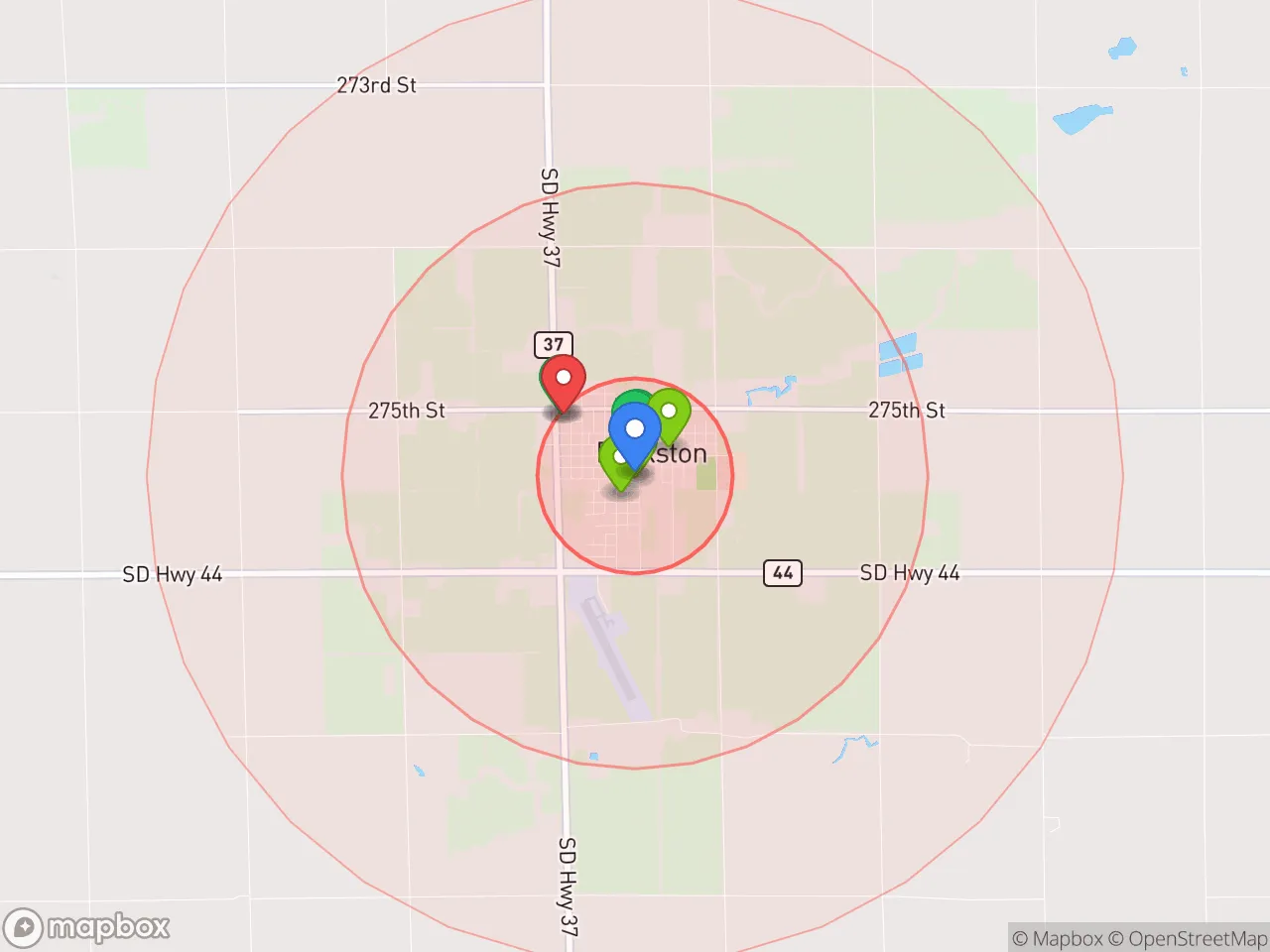
Explore the areaGroceries
0 within 10 miles
Gas
2 within 10 miles
Hospital
2 within 20 miles
Airport
MCI — Kansas City International
Post Office
USPS — Parkston, SD
Critical Amenities
Quality-of-Life Analysis
Parkston, South Dakota, presents a quality of life defined by exceptional affordability and a tight-knit, predominantly agricultural community. With a cost of living index of 58 (42% below the U.S. average), the town attracts families, retirees, and workers seeking financial breathing room and a slower pace of life, far removed from the pressures of metropolitan areas. The population of roughly 1,500 is largely composed of long-term residents, many employed in farming, local manufacturing, and the healthcare sector, creating a stable, self-reliant social fabric.
Cost of living, housing costs, and affordability compared to nearby areas
Parkston’s housing market is the primary driver of its low cost of living. The median home value sits at $145,500, and the median rent is just $725 per month—figures that are dramatically lower than the national medians and even undercut nearby regional hubs like Mitchell (median home value ~$200,000) and Yankton (~$190,000). For context, a household earning the area’s median income can typically afford a mortgage on a median-priced home with less than 25% of gross income, a ratio that is increasingly rare nationwide. The average commute of 12.96 minutes further reduces household transportation costs, as most residents work within the town or in surrounding Hutchinson County. While property taxes in South Dakota are moderate (no state income tax), the trade-off is a limited inventory of homes for sale, with few new subdivisions being built, meaning buyers often compete for older, well-maintained single-family homes.
Local amenities, schools, and what daily life is like for families
Daily life in Parkston revolves around a compact, walkable downtown and a strong sense of community participation. The Parkston School District serves roughly 500 students from pre-K through 12th grade, with a student-teacher ratio near 14:1 and a reputation for solid academic fundamentals in a safe environment—the town’s violent crime rate is negligible. For recreation, residents rely on the Parkston City Park, which includes baseball fields, a swimming pool, and a community center, while the nearby Lake Andes National Wildlife Refuge offers fishing and hiking within a 20-minute drive. Grocery shopping is handled by a local supermarket, but for major retail or entertainment, most residents drive 30 minutes north to Mitchell (home of the Corn Palace and a Walmart Supercenter) or 45 minutes east to Yankton. The town lacks a hospital, but the Parkston Clinic provides primary care, with emergency services available at Avera St. Benedict Health Center in Parkston itself or in Mitchell. The social calendar is anchored by the annual Parkston Threshing Bee and community church events, reinforcing a lifestyle where neighbors know each other by name.
Parkston is best suited for those who prioritize financial stability, safety, and community connection over urban amenities and career diversity. Retirees on fixed incomes will find their dollars stretch significantly further here than in most of the U.S., while young families can achieve homeownership quickly and raise children in a low-stress environment. Professionals seeking remote work will benefit from the low commute and affordable housing, though local job opportunities are concentrated in agriculture, education, and healthcare. Those who crave nightlife, cultural institutions, or a diverse dining scene will likely find Parkston too quiet. For the right person—someone who values neighborly trust, low overhead, and open skies—Parkston offers a quality of life that is both financially and emotionally sustainable.

Crime in Parkston, SD
Generally safer than 61% of comparable U.S. locations.
Violent CrimeViolent Crime Analysis
Property CrimeProperty Crime Analysis
Crime Analysis
Parkston, South Dakota, presents a mixed safety profile that residents and prospective movers should evaluate carefully. The city’s violent crime rate of 293.3 incidents per 100,000 people is notably higher than the national average, while its property crime rate of 1,280.6 per 100,000 also exceeds typical benchmarks for a community of its size. These figures place Parkston above the state average for both categories, making it a location where crime is a tangible concern rather than an abstract risk.
Crime in context
Compared to South Dakota’s statewide violent crime rate of roughly 220 per 100,000, Parkston’s rate is about one-third higher. The property crime rate similarly outpaces the state average of approximately 1,100 per 100,000. Nationally, the average violent crime rate hovers around 380 per 100,000, meaning Parkston sits below that mark but still well above the safest rural communities. The city’s crime index is elevated relative to many other small towns in the region, suggesting that local conditions—including economic factors and policing resources—play a meaningful role in these statistics. It is important to note that Parkston is not a large metro area with progressive prosecutors; South Dakota’s judicial system generally takes a more traditional, law-and-order approach. However, the raw numbers still warrant attention from anyone considering a move.
What residents experience
For those living in Parkston, the most common crime encounters involve property offenses such as theft, burglary, and vehicle break-ins. The property crime rate of 1,280.6 per 100,000 translates to roughly 1 in 78 residents experiencing a property crime annually. Violent crimes—including assault, robbery, and rare incidents of homicide—occur less frequently but are not negligible. Residents report that daytime safety in commercial areas is generally good, but after-dark vigilance is advised, particularly near less-trafficked streets and the outskirts of town. The local police department maintains a visible presence, though staffing levels are typical for a town of Parkston’s population (around 1,500). Community watch efforts exist but are informal.
Neighborhood-level variation within Parkston is modest but discernible. Older, established residential blocks near the downtown core tend to see fewer incidents, while areas closer to the highway corridors and rental-heavy pockets report slightly higher property crime activity. No single neighborhood is considered dangerous by small-town standards, but the overall crime rates are a clear signal that Parkston is not a crime-free enclave. Prospective residents should review the most recent annual crime reports from the Parkston Police Department and consider speaking with local real estate agents about block-by-block conditions before committing to a specific home.
* Values derived from national, state, county, city and local statistics and may differ in a specific area. Last updated: 2026-04-23T09:36:52.000Z
Narrative content on this page is AI-generated and may contain mistakes. Verify any details that matter before acting on them.
ReloMaps may earn a commission from affiliate links at no extra cost to you.

