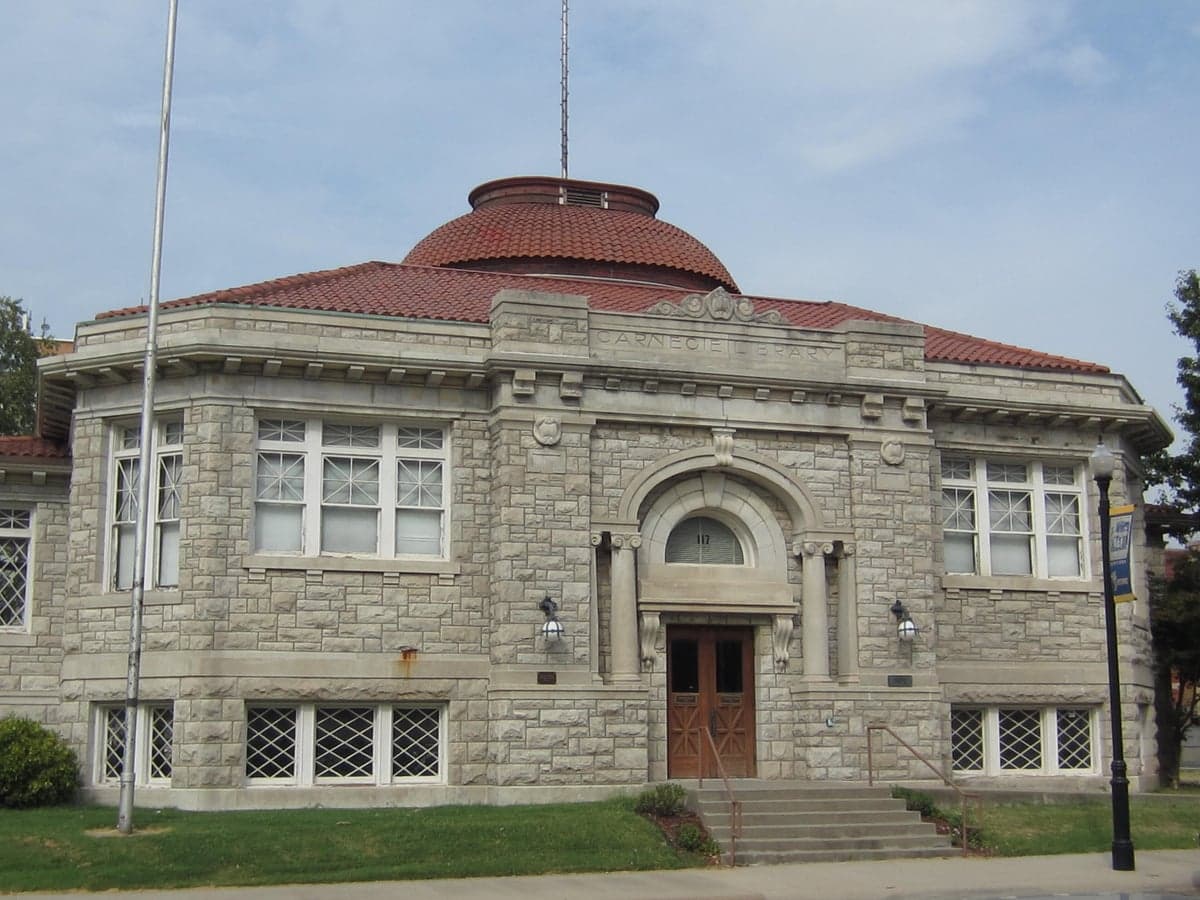
Photo: Wikipedia
Quality of Life in Parsons, KS
A high quality of life with strong walkability, manageable living costs, healthy neighborhood signals, and solid amenity access.
What does Quality of Life tell us?
Quality of Life blends cost of living, nearby amenities, socioeconomic signals, and neighborhood character. City-level scores represent the whole municipality; individual neighborhoods can differ.
What does this tell us?
Quality of Life blends cost of living, nearby amenities, socioeconomic signals, and neighborhood character. City-level scores represent the whole municipality; individual neighborhoods can differ.
Cost of Living
52% below national average
The Real Cost of Living in Parsons, KS for 2026
| Tier | Individual | Family (4) |
|---|---|---|
| Survival | $12k | $22k |
| Comfortable | $20k | $30k |
| Luxury | $83k+ | $128k+ |
| Elite (Top 5%) | $97k+ | $151k+ |
170%
The Area Signal
A metric tracking the socioeconomic signals of the area.
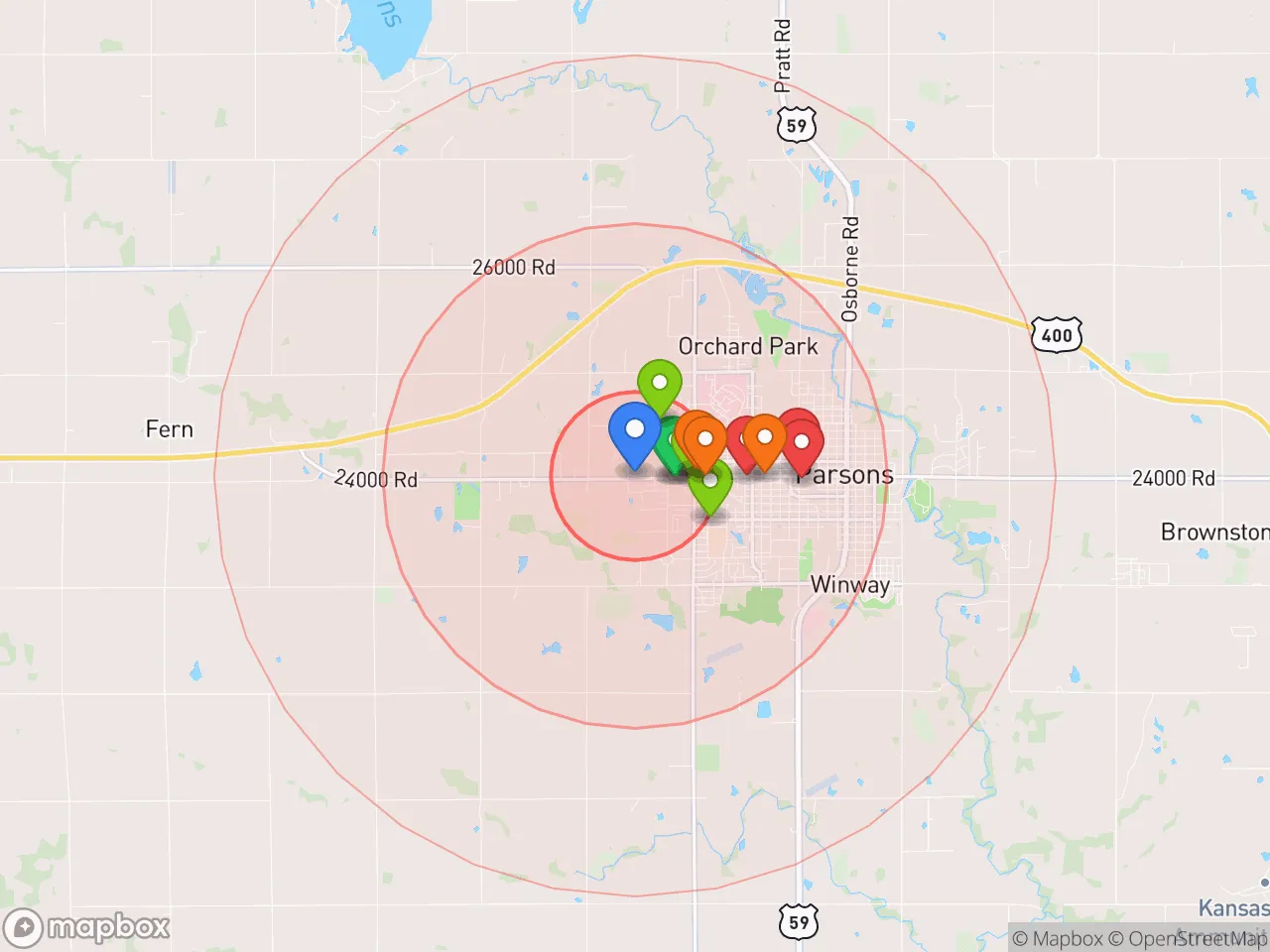
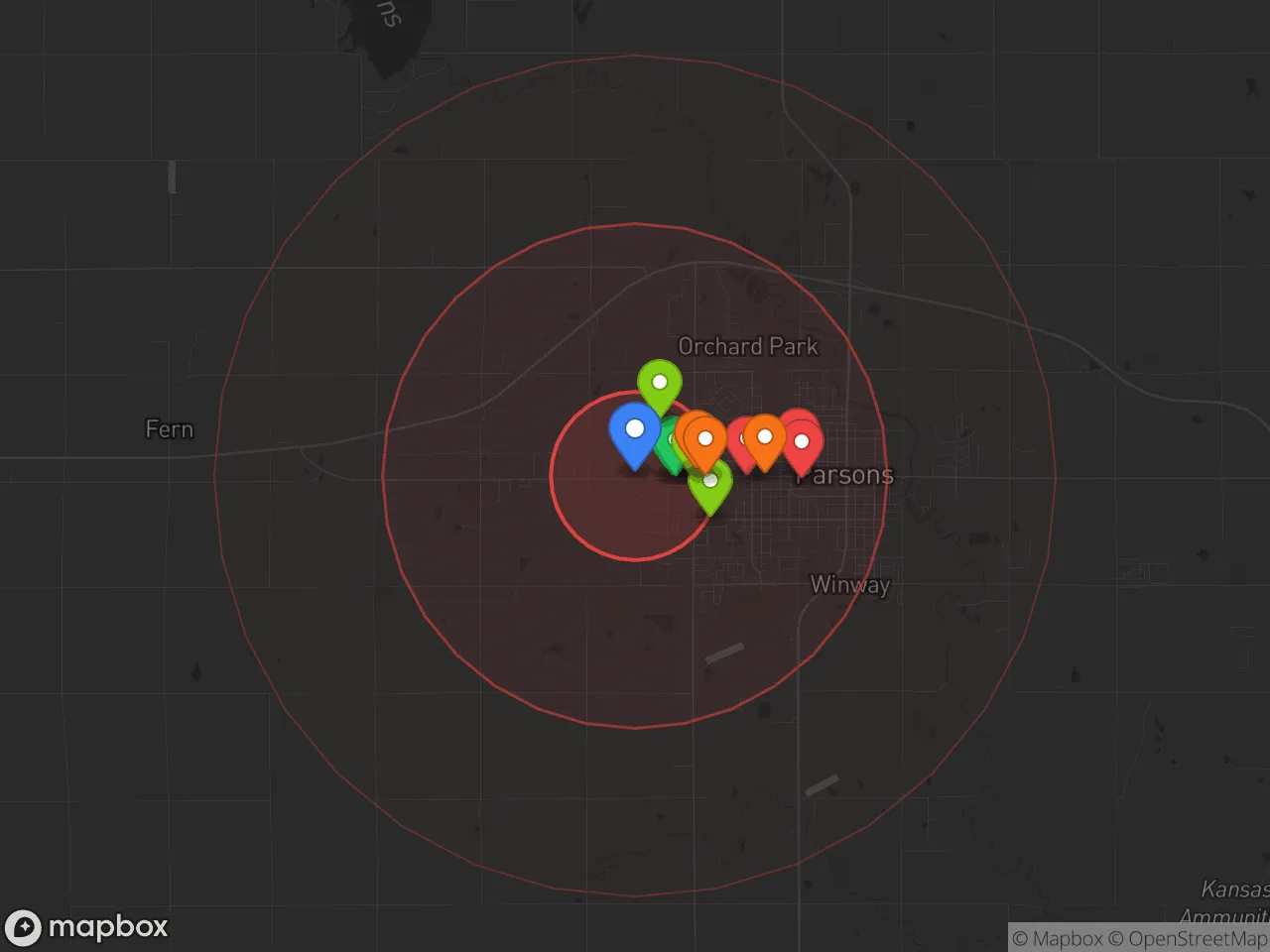
Hobbies
Explore the areaGroceries
1 within 10 miles
Gas
5 within 10 miles
Hospital
4 within 20 miles
Airport
MCI — Kansas City International
Post Office
USPS — Parsons, KS
Critical Amenities
Quality-of-Life Analysis
Parsons, Kansas, presents a quality of life defined by extreme affordability and a slower, community-oriented pace, attracting residents who prioritize financial stability and a low-stress environment over urban amenities. With a cost of living index of 48 (52% below the U.S. average), the city draws a mix of retirees, remote workers, and families seeking to stretch their income further than in larger regional hubs like Pittsburg or Joplin. The population is predominantly working-class and older, with a median age around 38, and the local economy is anchored by manufacturing, healthcare, and the nearby Kansas Army Ammunition Plant.
How housing costs and everyday expenses compare to nearby cities
Housing in Parsons is among the most affordable in southeast Kansas, with a median home value of $70,300 and a median rent of $743 per month. For context, the median home value in Pittsburg (roughly 25 miles north) is about $120,000, and in Joplin, Missouri (30 miles east), it exceeds $160,000. The average commute of 19.8 minutes is notably short, reflecting the town's compact layout and minimal traffic congestion. Utility costs and grocery prices also track well below national averages, meaning a household earning $40,000 annually can maintain a comfortable standard of living here that would require $80,000 or more in a coastal metro area. Property taxes in Labette County are moderate, with an effective rate around 1.1% of assessed value, keeping annual carrying costs low for homeowners.
What daily life is like for families and retirees in Parsons
Daily life in Parsons revolves around local parks, community events, and a handful of essential services. The city maintains eight public parks, including the 40-acre Forest Park with a lake, walking trails, and a swimming pool. The Parsons Public Library and the Parsons Arboretum provide low-cost recreation and educational programming. For families, the Parsons USD 503 school district includes three elementary schools, one middle school, and Parsons High School, which offers several vocational-technical tracks through a partnership with Labette Community College. Healthcare is accessible via Labette Health, a 99-bed hospital that also operates a network of clinics. Dining and shopping options are limited to national chains like Walmart and local diners, so residents typically drive to Pittsburg or Joplin for more variety. The city's annual events—such as the Neewollah festival in October and the Parsons Farmers Market from May to October—anchor the social calendar.
Parsons is best suited for individuals and families who value financial breathing room and a quiet, predictable routine over career diversity or nightlife. Retirees on fixed incomes, remote workers with stable internet (fiber is available in parts of town), and young families seeking a first home with a mortgage under $600 per month will find the math compelling. Those who require frequent access to specialty medical care, upscale retail, or a vibrant arts scene may find the 30- to 45-minute drives to larger cities a limitation. For the right resident, however, the combination of sub-$750 rent, a 20-minute commute, and a cost of living half the national average creates a quality of life that is both sustainable and genuinely low-stress.

Crime in Parsons, KS
Higher crime rates than 74% of comparable U.S. locations.
Violent CrimeViolent Crime Analysis
Property CrimeProperty Crime Analysis
Crime Analysis
Parsons, Kansas, reports a violent crime rate of 885.1 per 100,000 residents and a property crime rate of 2,838.6 per 100,000, both significantly exceeding national averages. These figures place the city in a higher-risk category for a community of its size, with the violent crime rate more than double the U.S. median. The overall safety picture is one that demands careful consideration from potential residents, particularly when compared to safer rural enclaves in southeast Kansas.
Crime in context
Parsons' violent crime rate of 885.1 per 100,000 is roughly 2.4 times the national average of approximately 370 per 100,000. Property crime, at 2,838.6 per 100,000, also runs well above the national benchmark of roughly 1,950 per 100,000. These rates place Parsons among the higher-crime municipalities in Labette County and the broader region. For context, the state of Kansas as a whole reports a violent crime rate near 400 per 100,000, meaning Parsons' rate is more than double the state figure. While not as extreme as some distressed urban cores, these numbers indicate a persistent public safety challenge that is not typical for a city of roughly 10,000 people.
What residents experience
Residents report that property crimes—including burglary, theft, and vehicle break-ins—are the most common safety concerns in daily life. The elevated property crime rate suggests that opportunistic theft is a routine risk, particularly in less-trafficked residential areas and near commercial corridors. Violent incidents, while less frequent, occur at a rate that makes them a tangible worry: roughly 2.4 violent crimes per day per 100,000 residents. This translates to an environment where residents often take extra precautions, such as securing vehicles, installing home surveillance systems, and avoiding certain areas after dark. The local justice system's approach, influenced by broader progressive trends in some Kansas counties, has been a point of contention. Critics argue that lenient sentencing and diversion programs, while intended to reduce recidivism, can result in repeat offenders cycling back onto the streets quickly, undermining deterrence and victim confidence.
Neighborhood-level variation is notable in Parsons. Older, established residential areas near the downtown core and along the U.S. 400 corridor tend to see higher concentrations of both property and violent crime. In contrast, newer subdivisions on the city's outer edges, particularly south of Main Street and near the Katy Golf Course, report lower incident rates. Prospective residents are advised to examine block-level crime maps and speak with local law enforcement about specific streets. Overall, while Parsons offers affordable housing and a small-town feel, its crime statistics demand a cautious, informed approach to choosing a neighborhood.
* Values derived from national, state, county, city and local statistics and may differ in a specific area. Last updated: 2026-04-30T03:12:16.000Z
Narrative content on this page is AI-generated and may contain mistakes. Verify any details that matter before acting on them.
ReloMaps may earn a commission from affiliate links at no extra cost to you.

