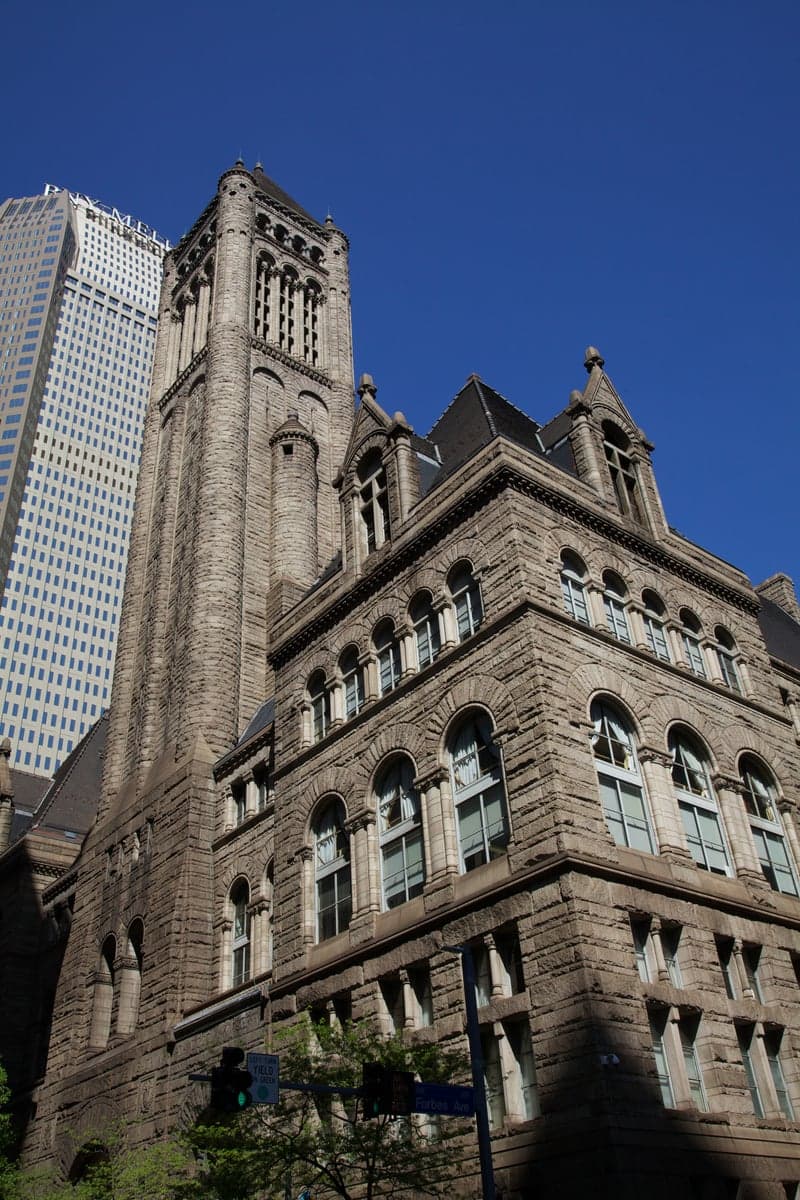
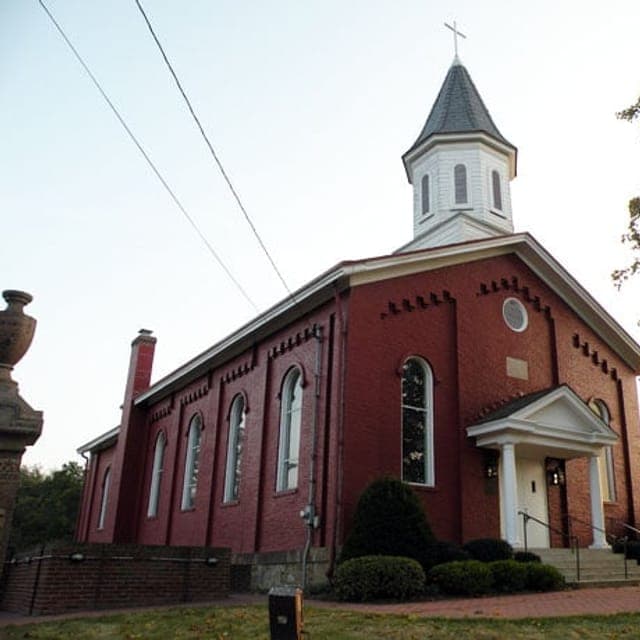
Photo: Wikipedia
Find The Best Places To Live in Allegheny County
PRO TIP! You can paste a Zillow or Redfin link to get info on that property.
Best Places to Live in Allegheny County
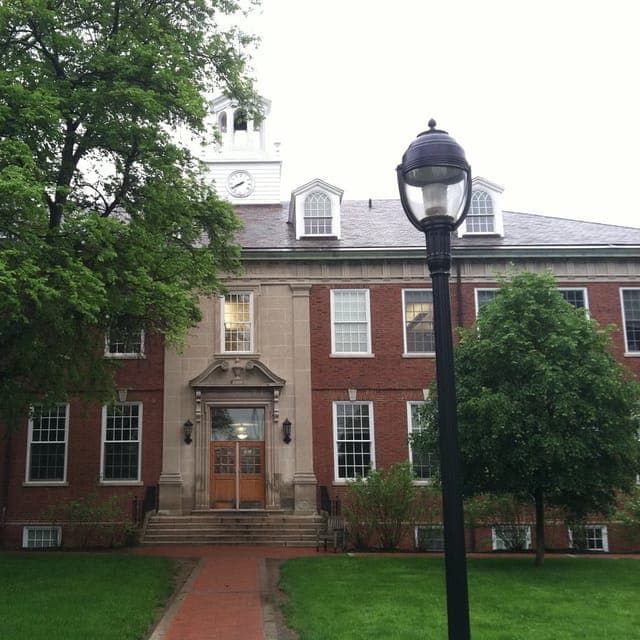
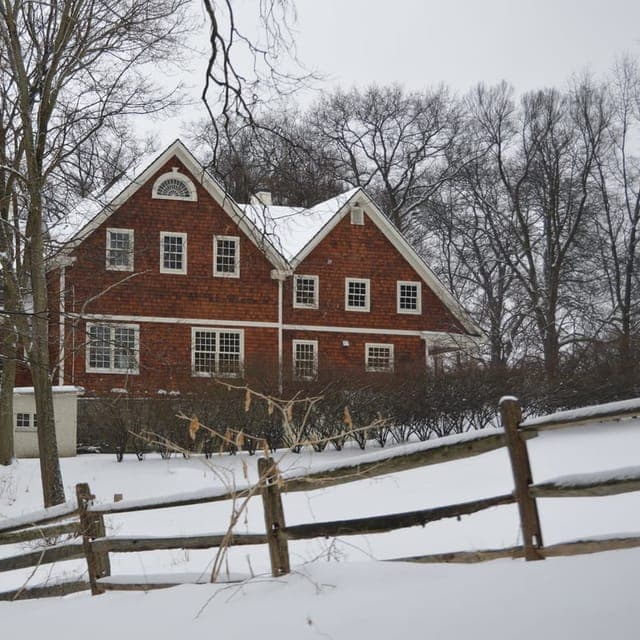
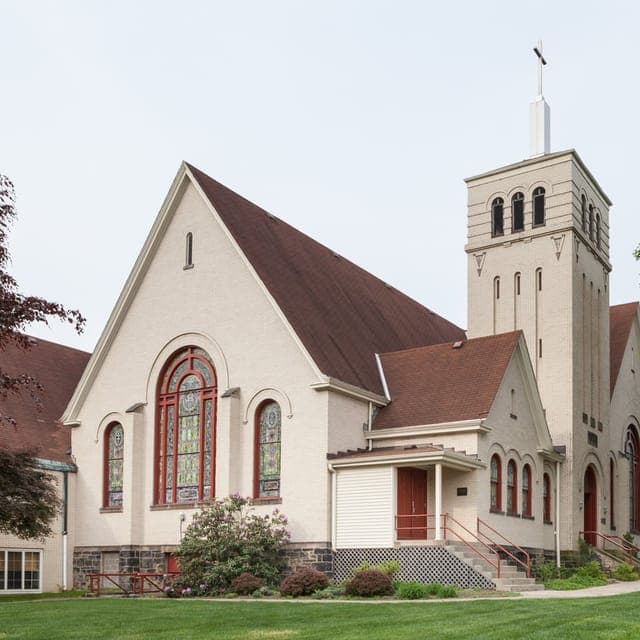
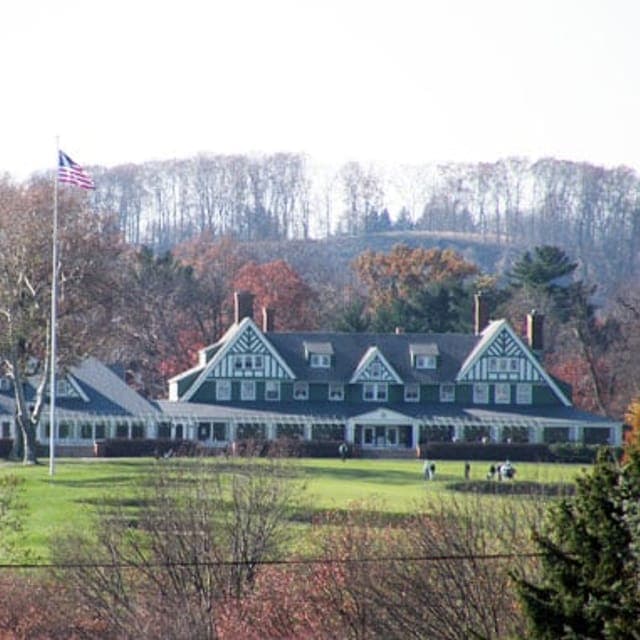
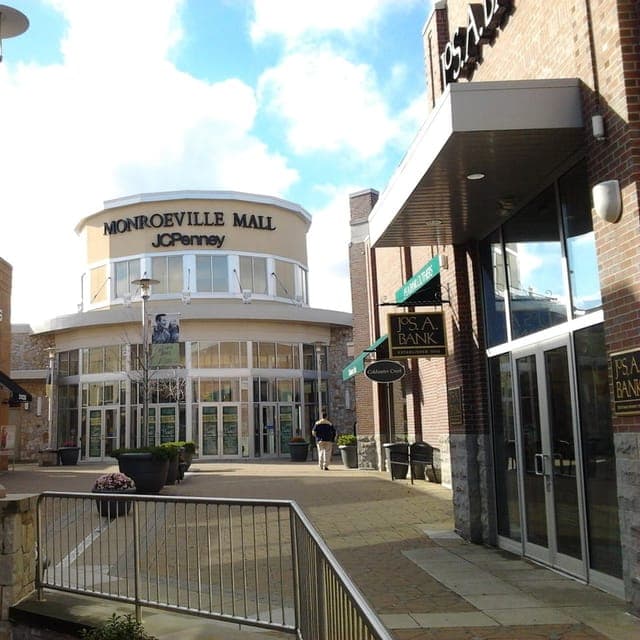
Cities & Towns in Allegheny County
Cities in Allegheny County
What It's Like Living in Allegheny County, PA
Living in Allegheny County means settling into a place that feels both older and more grounded than much of the Sun Belt—a region where rust belt grit meets a surprisingly vibrant cultural scene, and where you can find a quiet farmhouse in Elizabeth Township or a walkable rowhouse in Pittsburgh’s Shadyside within a 20-minute drive. The county’s 1.24 million residents are spread across everything from the dense urban core of Pittsburgh to the wooded hills of Fox Chapel and the working-class river towns of McKeesport and Clairton. It’s not a place for people who need constant sunshine or flat terrain, but for those who value deep community roots, affordable housing, and four distinct seasons, it’s hard to beat.
Daily Rhythm: Bridges, Strip Malls, and the Three Rivers
Most mornings here start with a commute that averages just under 26 minutes—long enough to finish a podcast, short enough to not feel like a grind. The county’s 446 bridges mean you’ll cross at least one on your way to work, whether you’re heading from Bethel Park into downtown Pittsburgh or from Penn Hills to the tech offices in the Strip District. Traffic is real but manageable; the Parkway East (I-376) backs up near the Squirrel Hill Tunnel, but locals learn the surface-street shortcuts through Swissvale or Wilkinsburg quickly. After work, people do their shopping at the massive Waterfront complex in Homestead (a former steel mill turned into a retail hub) or hit the independent bakeries and butcher shops in Lawrenceville. Weekends often involve a trip to the Allegheny County Airport for a flight lesson, a hike in Frick Park, or a drive out to Oakmont for a round of golf at the famous Oakmont Country Club.
Sports & Community: From Friday Night Lights to the Stanley Cup
Sports are the connective tissue of Allegheny County. On a Friday night in October, the stands at Gateway High School in Monroeville are packed for a football game, while across the county, Pine-Richland and North Allegheny draw crowds that rival small colleges. On the pro side, the Pittsburgh Steelers are a religion—you’ll see Terrible Towels waving from car antennas in Brentwood and Castle Shannon year-round. The Penguins and Pirates fill PPG Paints Arena and PNC Park respectively, but the real local flavor is in the high school rivalries and the youth hockey leagues that churn out future college players. The county’s median age of 40.6 means many families are in the thick of school sports and band programs, which anchor social life in suburbs like Upper St. Clair and Mt. Lebanon.
What’s There to Do: Festivals, Parks, and the Unexpected
Allegheny County punches above its weight for entertainment. The Three Rivers Arts Festival in June turns downtown Pittsburgh into a giant outdoor gallery, while the Allegheny County Fair in South Park brings carnival rides and 4-H livestock shows every August. Music venues range from the intimate Mr. Smalls Theatre in Millvale to the massive Stage AE on the North Shore. Outdoorsy types have 124 county parks, including the sprawling Boyce Park in Monroeville with its ski slopes and mountain bike trails, and Hartwood Acres in Indiana Township where summer concerts draw picnicking crowds. The food scene is underrated: you can get a pierogi platter at Kop’s Noodles in Bloomfield or a steak at Del’s in West Mifflin, and the county’s Polish, Italian, and German heritage shows up in church festivals and fire hall dinners from Carnegie to Verona.
Pros and Cons of Living Here
The biggest draw is affordability: the cost of living index sits at 88 (12% below the national average), and the median home value of $216,700 means a family earning the median income of $76,393 can buy a solid three-bedroom in Baldwin or Whitehall without stretching. The violent crime rate of 225.9 per 100,000 is below the national average, though property crime is more of a concern in older urban neighborhoods. The downsides? Winters are gray and damp—expect 40 inches of snow and many overcast days from December through March. The county’s 44.8% college-educated population creates a knowledge-economy bubble in Pittsburgh’s East End, but rural towns like Springdale and Elizabeth struggle with stagnant wages and aging infrastructure. Locals complain about the PennDOT potholes and the bridge inspections that cause sudden lane closures, but they’ll also tell you that the sense of community—neighbors who know your name, volunteer fire departments, and decades-old family businesses—makes up for it. If you want a place where your kids can walk to a good public school (like those in Hampton Township or Franklin Park) and you can afford a home with a yard, Allegheny County delivers—just bring a raincoat and a tolerance for local sports fanaticism.

* Values derived from national, state, county, city and local statistics and may differ in a specific area. Last updated: 2026-06-12T09:29:08.000Z
Narrative content on this page is AI-generated and may contain mistakes. Verify any details that matter before acting on them.
ReloMaps may earn a commission from affiliate links at no extra cost to you.

