Photo: Wikipedia
Find The Best Places To Live
in Picayune
PRO TIP! You can paste a Zillow or Redfin link to get info on that property.
What It's Like Living in Picayune, MS
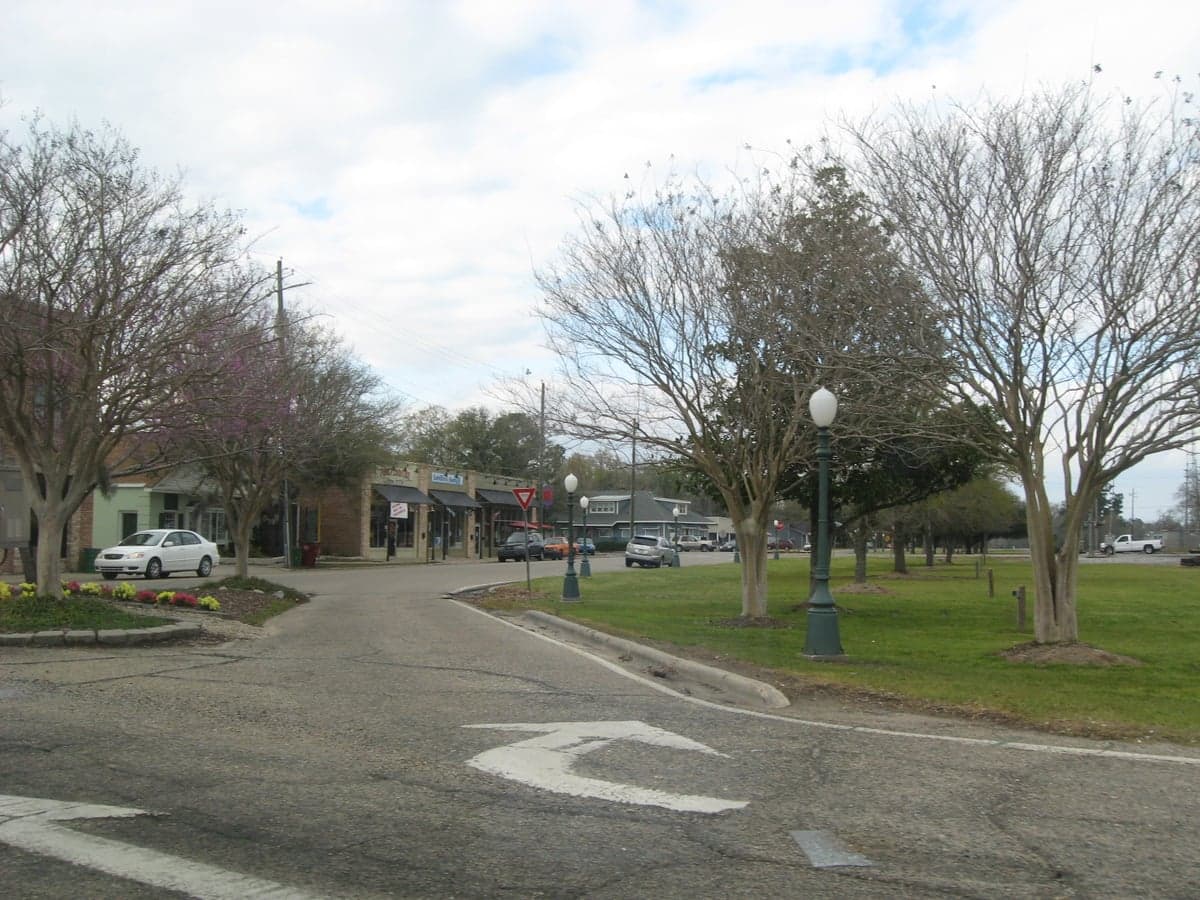
Living in Picayune feels a lot like stepping into a slower, more deliberate version of the South—one where the main drag still has a family-owned hardware store, where Friday night lights are a genuine social event, and where the biggest traffic jam is the school pickup line. It’s a small city of about 11,800 people that sits just north of the Louisiana line, close enough to New Orleans for a weekend trip but far enough that nobody mistakes it for a suburb. The vibe here is practical, unpretentious, and deeply rooted in community routines rather than big-city amenities.
Daily Rhythm and the Kind of Person Who Fits In
Most mornings in Picayune start early. People head to work at places like the Stennis Space Center (a major employer just south in Hancock County), local schools, or the medical centers that anchor the area’s economy. The average commute clocks in at about 34 minutes—longer than you’d expect for a town this size—because many residents drive to jobs in Slidell, Gulfport, or even New Orleans. That commute is one of the trade-offs for living somewhere with a cost of living index of 68, well below the national average. The median home value sits at $146,500, which means a solid three-bedroom brick house is within reach for a family earning the median income of $37,270. The person who fits here is typically someone who values affordability and space over nightlife and career density—a tradesperson, a nurse, a remote worker, or a young family looking for a safe place to raise kids without a six-figure mortgage.
Weekends are unhurried. You’ll see folks at the Picayune Farmers Market on a Saturday morning, or fishing off the banks of the Pearl River. The local Walmart and a handful of chain restaurants handle most everyday shopping and dining, but the real character comes from spots like Bud’s Supermarket (a local grocery institution) and the small diners along Highway 11. There’s no mall, no major music venue, no downtown nightclub scene—and most residents don’t seem to miss it. What they do have is space, quiet, and a calendar built around school events and church.
Sports, Schools, and Community Identity
High school sports are the closest thing Picayune has to a professional franchise. Picayune Memorial High School’s football team draws huge crowds on Friday nights, and the rivalry games against Pearl River Central or Hancock are the kind of events that shut down conversation at the local Sonic. The town rallies around the Maroon Tide, and if you move here, you’ll quickly learn the fight song. Baseball and softball also have strong followings, but football is the anchor. For college sports, most locals lean toward LSU or Mississippi State, depending on which side of the state line they grew up on. There’s no pro team within an hour, but that’s fine—the community energy is concentrated on the local kids, not distant millionaires.
The schools themselves are a central part of daily life. Picayune School District serves most of the city, and while test scores are middling compared to state averages, the schools function as social hubs. PTA meetings, booster club fundraisers, and band concerts fill the calendar. For parents, the schools are often the main reason they know their neighbors. The median age here is 39.3, which aligns with a community heavy on families and empty-nesters rather than young singles.
What’s There to Do—and What Frustrates Locals
Entertainment is low-key but not nonexistent. The annual Picayune Street Fair in the fall brings live music, craft vendors, and a carnival atmosphere to downtown. The Crosby Arboretum, just a few miles away in Pearl River County, offers walking trails through native pine savannas—a genuine gem for anyone who likes quiet nature. For a night out, locals drive to Slidell’s bars and restaurants (about 20 minutes south) or make the hour trip into New Orleans for concerts, Saints games, or a proper dinner. Within Picayune itself, the options are limited: a few sports bars, a Mexican restaurant that’s been there for decades, and a bowling alley. That’s about it.
The honest downsides are real. The violent crime rate is 315.3 per 100,000—higher than the national average, and it’s concentrated in certain pockets. Longtime residents will tell you to keep your car locked and avoid certain areas after dark. The weather is another challenge: humid summers that feel like a wet blanket from May through September, and the constant threat of hurricanes (Hurricane Katrina did serious damage here in 2005). Only 14.2% of adults hold a college degree, which limits the professional job market and contributes to the lower median income. If you’re looking for a vibrant downtown, walkable neighborhoods, or cultural diversity in dining and entertainment, Picayune will disappoint.
But for the people who stay, the trade-offs are worth it. The cost of living means a single-income family can own a home. The commute is long, but the drive home goes past pine forests and open sky. The schools aren’t perfect, but your kid’s teacher probably lives two streets over. Picayune isn’t trying to be the next hot relocation spot—it’s just a place where people live their lives, quietly and affordably, with a deep sense of belonging that’s hard to find in bigger cities.

Similar towns to Picayune
* Values derived from national, state, county, city and local statistics and may differ in a specific area. Last updated: 2026-04-19T05:36:22.000Z
Narrative content on this page is AI-generated and may contain mistakes. Verify any details that matter before acting on them.
ReloMaps may earn a commission from affiliate links at no extra cost to you.

