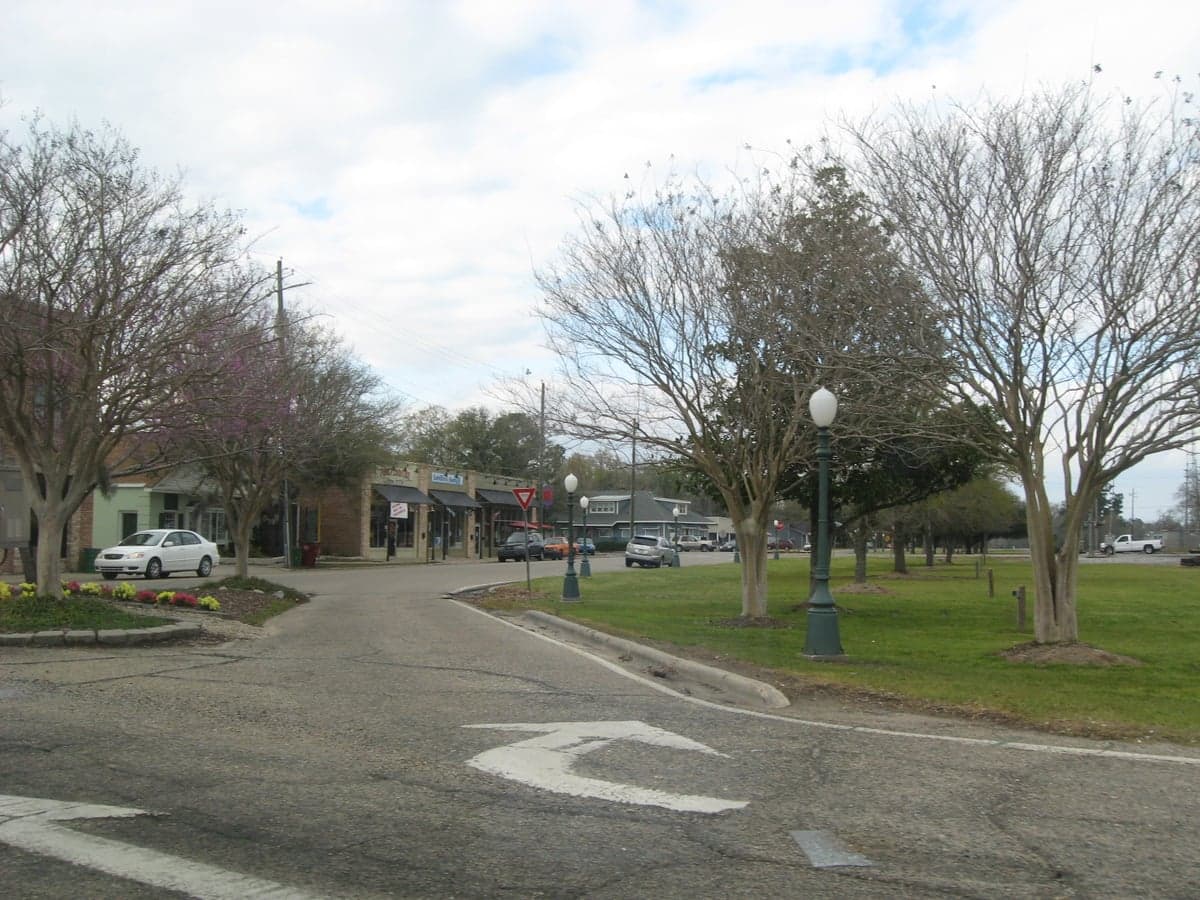
Photo: Wikipedia
Quality of Life in Picayune, MS
A high quality of life with strong walkability, manageable living costs, healthy neighborhood signals, and solid amenity access.
What does Quality of Life tell us?
Quality of Life blends cost of living, nearby amenities, socioeconomic signals, and neighborhood character. City-level scores represent the whole municipality; individual neighborhoods can differ.
What does this tell us?
Quality of Life blends cost of living, nearby amenities, socioeconomic signals, and neighborhood character. City-level scores represent the whole municipality; individual neighborhoods can differ.
Cost of Living
32% below national average
The Real Cost of Living in Picayune, MS for 2026
| Tier | Individual | Family (4) |
|---|---|---|
| Survival | $14k | $27k |
| Comfortable | $28k | $42k |
| Luxury | $67k+ | $104k+ |
| Elite (Top 5%) | $88k+ | $136k+ |
89%
The Area Signal
A metric tracking the socioeconomic signals of the area.


Hobbies
Explore the areaGroceries
1 within 10 miles
Gas
0 within 10 miles
Hospital
3 within 20 miles
Airport
IAH — George Bush Intercontinental
Post Office
USPS — Slidell, LA
Critical Amenities
Quality-of-Life Analysis
Picayune, Mississippi, offers a distinctly affordable quality of life that attracts a mix of longtime residents, young families, and commuters working in the New Orleans metro area. With a cost of living index of 68 (well below the U.S. average of 100), the city provides a slower, more budget-friendly pace of life than its coastal neighbor, yet remains close enough for regular access to big-city jobs and culture. The population skews toward middle-income households and retirees who value space, lower taxes, and a tight-knit community feel over urban amenities.
How housing costs and everyday expenses compare to nearby areas
Picayune’s affordability is its strongest draw. The median home value sits at $146,500, a fraction of the median in nearby Slidell, Louisiana (roughly $230,000) and a tiny slice of New Orleans’ median above $300,000. Median rent is $907, making it one of the most accessible rental markets in the Pearl River County region. Everyday expenses—groceries, utilities, and transportation—also run below national averages, though the trade-off is a longer average commute of 33.6 minutes. Many residents drive south to jobs in St. Tammany Parish or Orleans Parish, a route that can be congested on I-59 but is offset by the savings on housing. Property taxes in Mississippi are notably lower than in Louisiana, adding to the long-term financial appeal for homeowners.
What daily life is like for families, shoppers, and commuters
Picayune’s daily rhythm centers on local schools, outdoor recreation, and practical shopping. The Picayune School District and several private options serve families, while the nearby Crosby Arboretum and Bogue Chitto River provide hiking, kayaking, and camping without leaving Pearl River County. For retail and dining, residents rely on the U.S. 11 corridor and the Walmart-anchored shopping center; for major entertainment or specialized healthcare, most drive 30–45 minutes to Slidell or an hour to New Orleans. The city’s small downtown has seen modest revitalization, with a handful of local cafes and antique shops, but it lacks the walkable density of a larger suburb. Commuters should plan for the daily grind: the 33-minute average trip is typical for the area, and those working in New Orleans should budget extra time for bridge and tunnel traffic.
Picayune is best suited for people who prioritize low housing costs and a quiet, family-oriented environment over urban convenience. Remote workers, retirees on fixed incomes, and commuters with jobs in the New Orleans metro will find the trade-off of a longer drive for dramatically cheaper living worthwhile. Those seeking nightlife, high-end dining, or walkable neighborhoods will likely feel limited, but for anyone looking to stretch a dollar in a safe, small-town setting with easy access to the Gulf Coast, Picayune delivers a practical and comfortable base.

Crime in Picayune, MS
Crime rates similar to the national median for U.S. locations.
Violent CrimeViolent Crime Analysis
Property CrimeProperty Crime Analysis
Crime Analysis
Picayune, Mississippi, reports a violent crime rate of 315.3 per 100,000 residents and a property crime rate of 1,825.3 per 100,000, placing it above national averages for both categories. While not among the most dangerous cities in the state, these figures indicate that safety is a genuine concern for residents and prospective movers. The city’s proximity to the New Orleans metropolitan area introduces additional dynamics, as larger metro regions with progressive justice policies can sometimes contribute to regional crime patterns that spill into smaller communities.
Crime in context
Picayune’s violent crime rate of 315.3 per 100,000 is roughly 1.9 times higher than the national average of approximately 165 per 100,000. Property crime, at 1,825.3 per 100,000, exceeds the U.S. average of about 1,195 per 100,000 by more than 50%. Compared to Mississippi’s statewide violent crime rate of roughly 240 per 100,000, Picayune is elevated, though property crime is closer to the state average. The city’s location near the Louisiana border and within commuting distance of New Orleans means it can be affected by crime trends originating in that larger metro area, where progressive district attorneys and lenient sentencing policies have been linked to higher recidivism and reduced public safety outcomes.
What residents experience
Property crime is the more common concern for daily life in Picayune, with theft, burglary, and vehicle break-ins being the most frequently reported incidents. Violent crime, while less common, includes aggravated assault as the leading category, with robbery and homicide occurring at lower rates. Residents often report that property crime feels more visible in commercial corridors and near major highways like Interstate 59 and U.S. Route 11, which provide easy access for transient offenders. The presence of a progressive justice philosophy in nearby larger jurisdictions can mean that repeat property offenders cycle through the system quickly, potentially increasing local crime pressure in smaller towns like Picayune.
Neighborhood-level variation
Safety in Picayune varies noticeably by area. The historic downtown district and newer subdivisions on the city’s west side tend to report lower crime incidents, while areas closer to the interstate exits and older rental-heavy neighborhoods east of Memorial Boulevard see higher concentrations of property crime. Neighborhoods with active homeowners’ associations and neighborhood watch programs generally report fewer incidents. Prospective residents are advised to examine block-level crime maps and speak with local law enforcement about specific areas, as the city’s overall rates mask significant differences between quiet residential streets and higher-traffic zones near commercial hubs.
* Values derived from national, state, county, city and local statistics and may differ in a specific area. Last updated: 2026-04-19T05:36:22.000Z
Narrative content on this page is AI-generated and may contain mistakes. Verify any details that matter before acting on them.
ReloMaps may earn a commission from affiliate links at no extra cost to you.

