
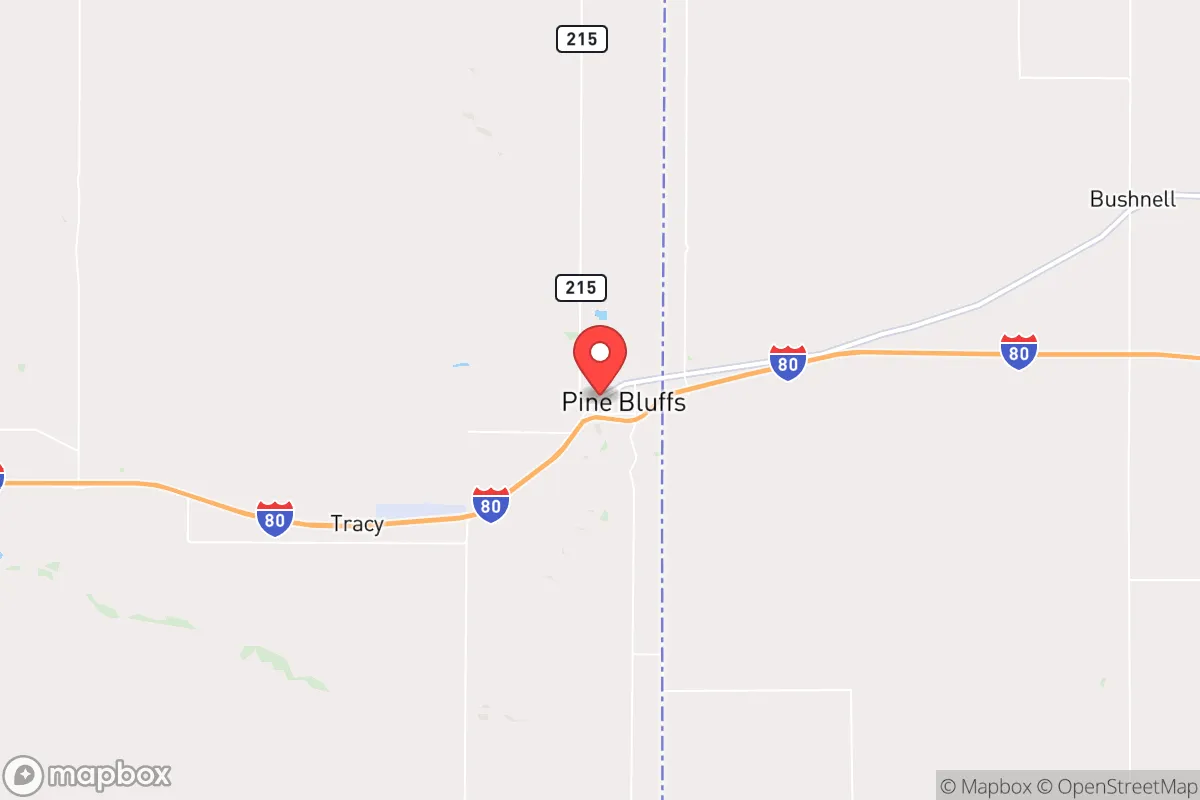
Photo: Wikipedia
Quality of Life in Pine Bluffs, WY
Above-average quality of iife. The area offers a reasonable cost of living, decent mobility, and a mix of neighborhood amenities.
What does Quality of Life tell us?
Quality of Life blends cost of living, nearby amenities, socioeconomic signals, and neighborhood character. City-level scores represent the whole municipality; individual neighborhoods can differ.
What does this tell us?
Quality of Life blends cost of living, nearby amenities, socioeconomic signals, and neighborhood character. City-level scores represent the whole municipality; individual neighborhoods can differ.
Cost of Living
21% below national average
The Real Cost of Living in Pine Bluffs, WY for 2026
| Tier | Individual | Family (4) |
|---|---|---|
| Survival | $11k | $21k |
| Comfortable | $47k | $69k |
| Luxury | $68k+ | $106k+ |
| Elite (Top 5%) | $80k+ | $125k+ |
95%
The Area Signal
A metric tracking the socioeconomic signals of the area.
Hobbies
Explore the areaGroceries
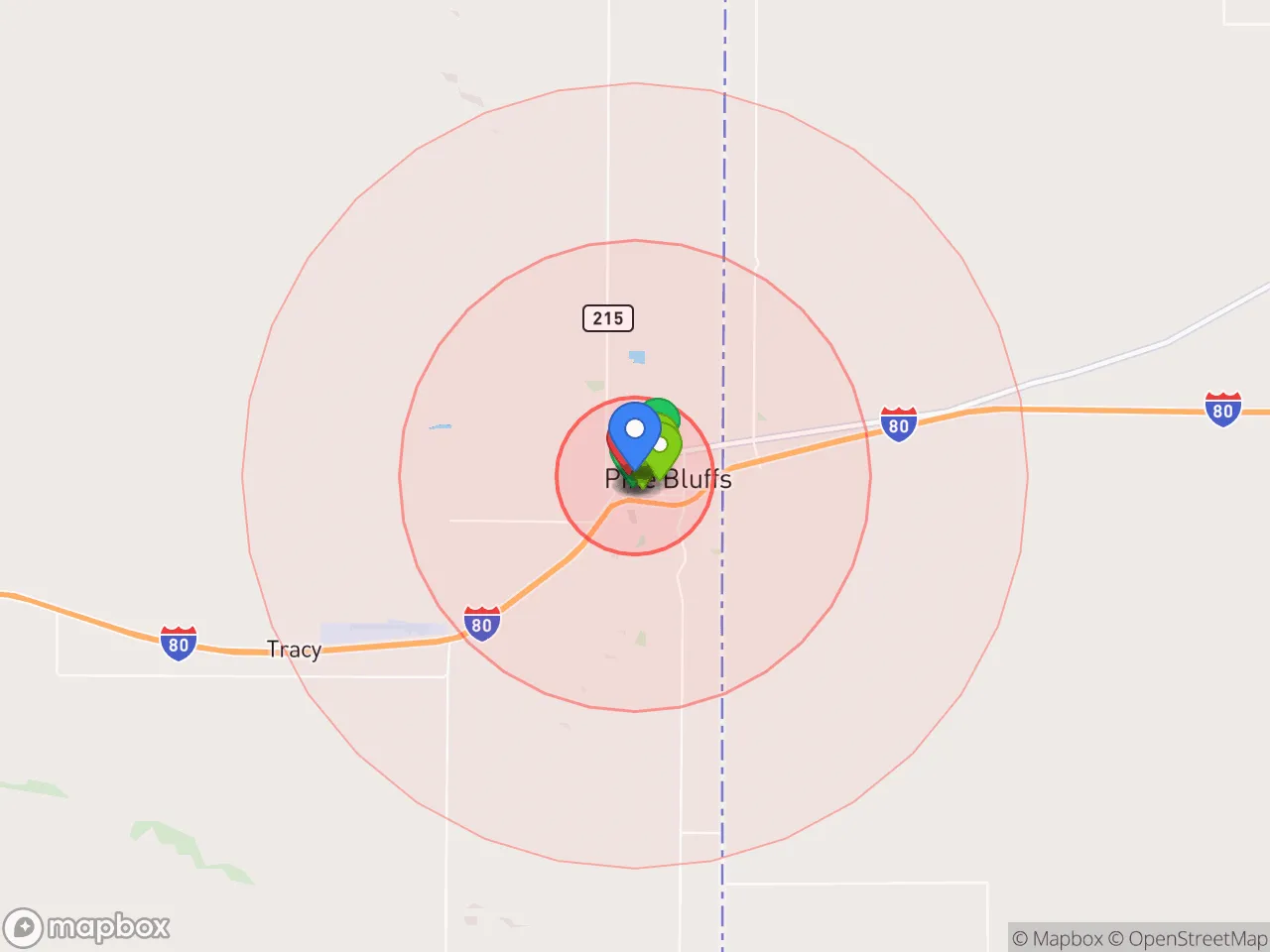
0 within 10 miles
Gas
2 within 10 miles
Hospital
0 within 20 miles
Airport
DEN — Denver International
Post Office
USPS — Pine Bluffs, WY
Critical Amenities
Quality-of-Life Analysis
Pine Bluffs, Wyoming, is a small, affordable agricultural community where the cost of living sits well below national averages, attracting a mix of families, retirees, and workers in the energy and transportation sectors. With a cost-of-living index of 79 (100 = U.S. average), the town offers significant financial breathing room compared to nearby Cheyenne (index ~92) or the Front Range cities of Colorado. The population is predominantly white, with a median age around 40, and the local economy is anchored by farming, oil-and-gas support services, and the Union Pacific rail yard.
How housing costs and affordability compare to Cheyenne and Colorado
Pine Bluffs stands out for its exceptionally low housing costs. The median home value is $306,200, which is roughly 15% lower than Cheyenne’s median and less than half the typical price in Fort Collins, Colorado, just 40 miles south. Renters benefit even more: the median rent of $697 is about 30% below Cheyenne’s average and far below Colorado’s mountain-town rates. The average commute of 18.5 minutes is short by regional standards—many residents work locally or commute to Cheyenne (20 minutes east) or to jobs along Interstate 80. Property taxes in Laramie County are moderate, and Wyoming has no state income tax, which further stretches household budgets. However, the trade-off is limited housing inventory; most homes are single-family houses on larger lots, with few apartments or new subdivisions.
What daily life is like for families and retirees in Pine Bluffs
Daily life in Pine Bluffs revolves around a quiet, rural pace. The town’s K-12 school system, part of Laramie County School District #2, serves about 400 students and is known for small class sizes and strong community involvement. Amenities are basic: a grocery store, a few restaurants, a public library, and a small medical clinic. For shopping, dining, or specialized healthcare, residents drive 20 minutes to Cheyenne or 45 minutes to Fort Collins. Outdoor recreation is centered on nearby Curt Gowdy State Park (fishing, hiking, mountain biking) and the High Plains grasslands. The town hosts an annual Pine Bluffs Festival and a popular Fourth of July celebration. Internet access is improving but can be slower than in urban areas; Starlink satellite service is a common workaround. The rhythm of life is slow, with most businesses closing by early evening and limited nightlife.
Pine Bluffs is best suited for people who prioritize affordability, space, and a tight-knit community over urban amenities. Families seeking low housing costs and short commutes will find it practical, especially if they work in Cheyenne or the I-80 corridor. Retirees on fixed incomes benefit from the low cost of living and Wyoming’s tax-friendly environment. Remote workers may struggle with internet reliability but can manage with satellite or cellular hotspots. Those who need frequent access to big-city healthcare, diverse dining, or cultural events should look to Cheyenne or Fort Collins instead. For the right resident, Pine Bluffs offers a financially sustainable, quiet life on the High Plains.

Crime in Pine Bluffs, WY
Lower crime rates than 88% of comparable U.S. locations.
Violent CrimeViolent Crime Analysis
Property CrimeProperty Crime Analysis
Crime Analysis
Pine Bluffs, Wyoming, presents a mixed safety profile for prospective residents. The town's violent crime rate of 364 incidents per 100,000 residents is notably higher than the national average, while its property crime rate of 546 per 100,000 falls below the U.S. median. These figures place Pine Bluffs in a middle ground—safer than many urban centers but with pockets of concern that warrant attention, particularly for families and retirees considering relocation.
Crime in context
Compared to Wyoming's statewide violent crime rate of roughly 240 per 100,000, Pine Bluffs' rate of 364 per 100,000 is about 50% higher. The property crime rate of 546 per 100,000, however, sits well below the state average of approximately 1,800 per 100,000. This disparity suggests that while violent incidents are more common here than in the typical Wyoming community, theft and burglary are less frequent. The town's proximity to Cheyenne and the Colorado border means it shares some crime patterns with larger metro areas, though it lacks the systemic issues seen in major cities. Residents should note that the local justice system, operating under Wyoming's generally conservative judicial philosophy, tends to emphasize accountability over progressive leniency, which can reduce recidivism compared to jurisdictions with more offender-focused policies.
What residents experience
Daily life in Pine Bluffs is shaped by its small-town character—most crime is non-violent and involves theft from vehicles or minor property damage. Violent crime, while statistically elevated, often occurs between acquaintances rather than as random acts against strangers. The town's police department maintains a visible presence, and community watch programs are active. Neighborhoods near the town center and along the I-80 corridor report slightly higher property crime rates, likely due to transient traffic. In contrast, residential areas on the town's outskirts, such as those near the Pine Bluffs High School or the eastern edge along the Nebraska line, experience fewer incidents. The absence of a large, progressive urban justice system means that offenders face more consistent consequences, which can deter repeat offenses and provide greater peace of mind for law-abiding residents.
Neighborhood-level data for Pine Bluffs is limited, but anecdotal reports indicate that the area around the historic downtown and the industrial zone near the railroad tracks sees more police activity. Families moving to Pine Bluffs should prioritize homes in established subdivisions like those off Highway 30, where community cohesion is stronger and crime is less frequent. Overall, the town's safety profile is acceptable for those accustomed to rural living, but newcomers should remain vigilant about securing property and engaging with neighbors to maintain the low property crime advantage the area enjoys.
* Values derived from national, state, county, city and local statistics and may differ in a specific area. Last updated: 2026-04-21T11:39:31.000Z
Narrative content on this page is AI-generated and may contain mistakes. Verify any details that matter before acting on them.
ReloMaps may earn a commission from affiliate links at no extra cost to you.

