Quality of Life in Pine Ridge, FL
A high quality of life with strong walkability, manageable living costs, healthy neighborhood signals, and solid amenity access.
What does Quality of Life tell us?
Quality of Life blends cost of living, nearby amenities, socioeconomic signals, and neighborhood character. City-level scores represent the whole municipality; individual neighborhoods can differ.
What does this tell us?
Quality of Life blends cost of living, nearby amenities, socioeconomic signals, and neighborhood character. City-level scores represent the whole municipality; individual neighborhoods can differ.
Cost of Living
The Real Cost of Living in Pine Ridge, FL for 2026
| Tier | Individual | Family (4) |
|---|---|---|
| Survival | $17k | $32k |
| Comfortable | $69k | $101k |
| Luxury | $119k+ | $185k+ |
| Elite (Top 5%) | $161k+ | $249k+ |
65%
The Area Signal
A metric tracking the socioeconomic signals of the area.
Hobbies
Explore the areaGroceries
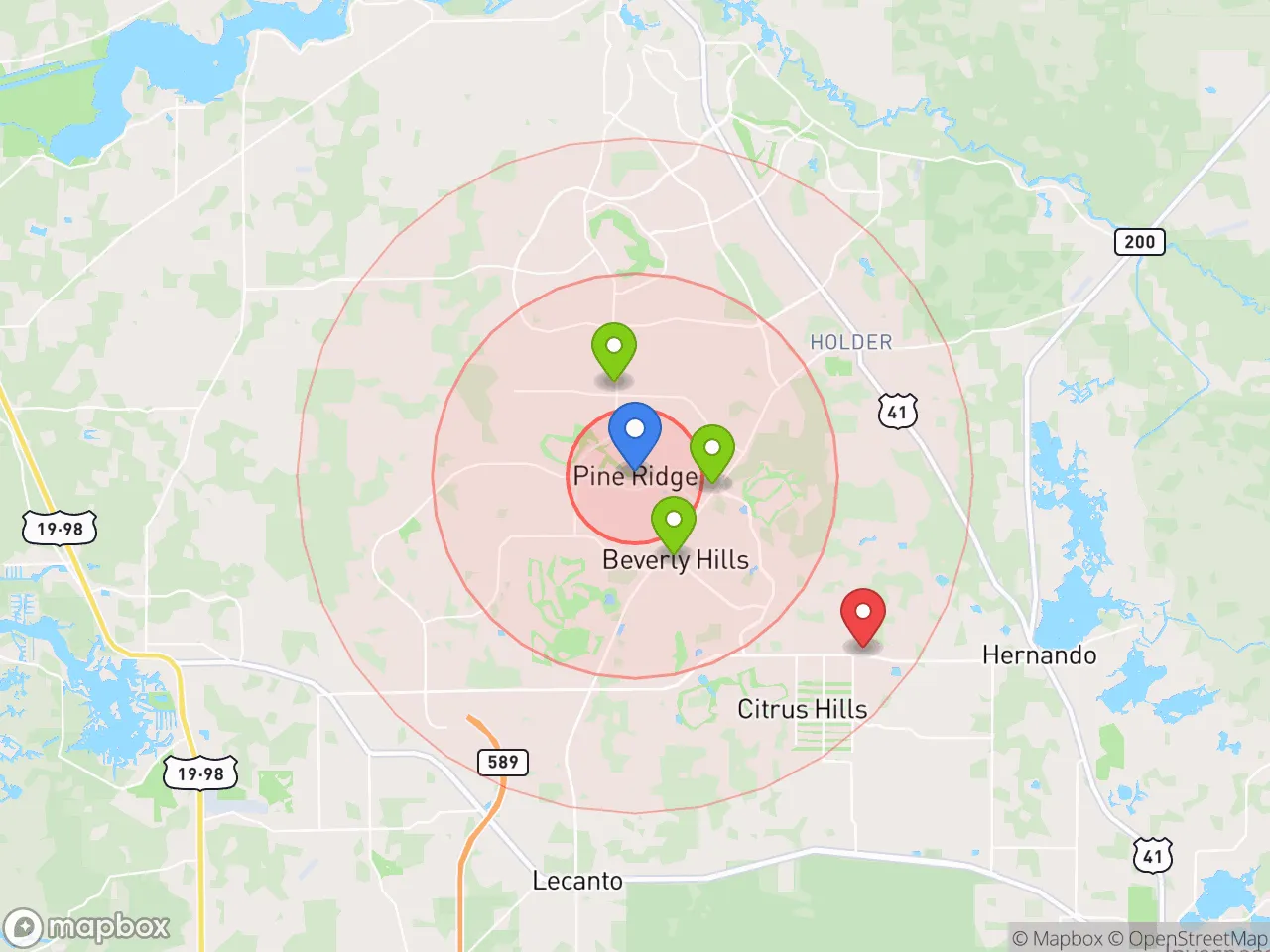
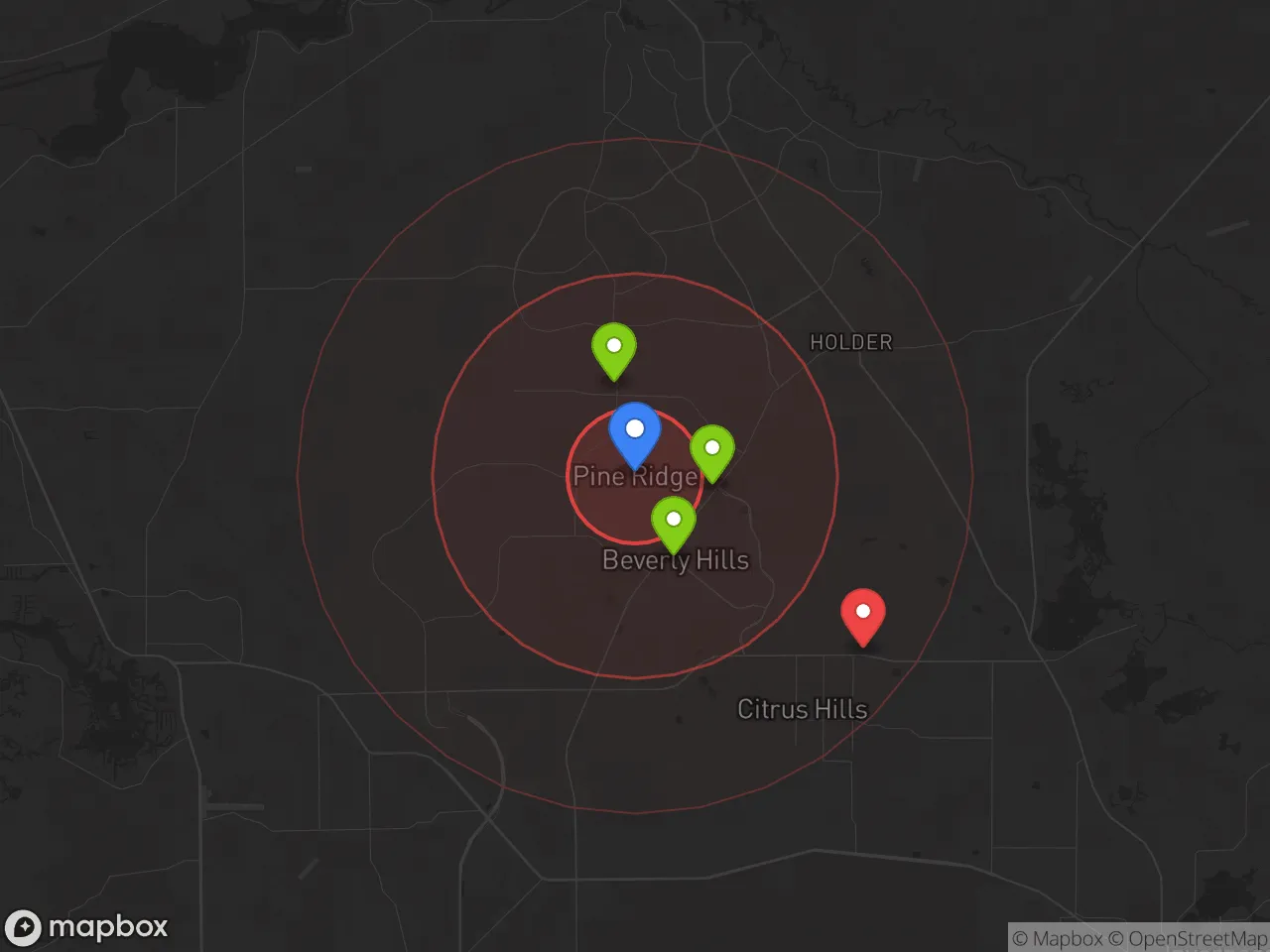
4 within 10 miles
Gas
14 within 10 miles
Hospital
3 within 20 miles
Airport
TPA — Tampa International
Post Office
USPS — Pine Ridge, FL
Critical Amenities
Quality-of-Life Analysis
Pine Ridge, Florida, is a modestly affluent unincorporated community in Citrus County, where the cost of living sits at 105 on the index (100 being the U.S. average), reflecting a slight premium over the national baseline. The area attracts a mix of retirees seeking a quieter Gulf Coast lifestyle, remote workers drawn to its relative affordability compared to coastal metros like Tampa or Sarasota, and families looking for good schools and lower crime rates than nearby urban centers. With a median home value of $354,600 and a median rent of just $1,053, Pine Ridge offers a middle-ground housing market that is notably cheaper than Florida’s major cities but slightly above the state’s rural average.
Cost of living, housing affordability, and how Pine Ridge compares to nearby areas
Pine Ridge’s cost-of-living index of 105 means everyday expenses—groceries, utilities, and healthcare—run about 5% higher than the national average, but this is still a bargain relative to Tampa (index ~98) or Sarasota (index ~105). The median home value of $354,600 places Pine Ridge well below the Florida median of roughly $400,000, making it one of the more attainable markets in Citrus County. Renters benefit significantly: the median rent of $1,053 is roughly 30% lower than the Tampa metro average and about 15% below the statewide median, a gap that has widened since 2022 as rents in nearby Crystal River and Homosassa have climbed faster. However, the average commute of 27.98 minutes—slightly above the national average of 26 minutes—reflects that many residents drive to jobs in Ocala (30 minutes north) or along the U.S. 19 corridor, where wages are higher but housing is not. Property taxes in Citrus County average about 0.85% of assessed value, which is lower than the Florida average of 0.98%, helping offset the higher COL index for homeowners.
Schools, amenities, and what daily life is like for families and retirees
Daily life in Pine Ridge revolves around its proximity to the Withlacoochee State Forest and the Gulf of Mexico, with residents frequently accessing the Pine Ridge Trail for hiking and the nearby Crystal River National Wildlife Refuge for kayaking and manatee viewing. The area is served by Citrus County Schools, with Pine Ridge Elementary earning a B rating from the Florida Department of Education in 2024, while Crystal River High School (about 10 minutes south) offers an A-rated Cambridge AICE program. Grocery shopping is concentrated along U.S. 19, with a Publix and a Walmart Supercenter within a 5-minute drive, but dining options are limited to a handful of local seafood spots and fast-food chains—residents often drive 20 minutes to Inverness for more variety. Healthcare is anchored by HCA Florida Citrus Hospital in Inverness (15 minutes away), which provides emergency and surgical services, though specialists require a 40-minute drive to Ocala. The rhythm is slow and outdoors-oriented: weekend farmers’ markets at Fort Island Gulf Beach, community events at the Citrus County Auditorium, and a strong presence of church-based social groups define the social fabric.
Pine Ridge is best suited for retirees and remote workers who value low housing costs, outdoor recreation, and a slower pace over urban amenities or career density. Families will find solid schools and safe neighborhoods, but the limited job market—dominated by healthcare, retail, and tourism—means most working-age adults commute to Ocala or Tampa for higher-paying roles. The area’s affordability and natural beauty make it a strong candidate for those seeking a Florida lifestyle without the premium price tag of the coast, though the trade-off is a quieter social scene and fewer entertainment options than larger cities.

Crime in Pine Ridge, FL
Generally safer than 74% of comparable U.S. locations.
Violent CrimeViolent Crime Analysis
Property CrimeProperty Crime Analysis
Crime Analysis
Pine Ridge, Florida, presents a mixed safety profile that demands careful consideration from potential residents. With a violent crime rate of 166.8 incidents per 100,000 residents and a property crime rate of 735.6 per 100,000, the community sits below the national average for violent offenses but above it for property crimes. However, the broader context of being situated near a large metropolitan area with progressive judicial leadership introduces significant concerns about recidivism and public safety that cannot be overlooked.
Crime in context
Pine Ridge's violent crime rate is roughly 43% lower than the national average of approximately 380 per 100,000, making it statistically safer than many comparable Florida communities. The property crime rate, however, runs about 15% higher than the national average of roughly 640 per 100,000. These figures place Pine Ridge in a challenging middle ground: residents face a lower risk of violent victimization but a notably elevated risk of burglary, theft, and vehicle break-ins. The surrounding metro area's justice system, influenced by progressive district attorneys who prioritize diversion programs and reduced sentencing, contributes to higher recidivism rates—meaning repeat property offenders are more likely to return to neighborhoods like Pine Ridge. This dynamic directly undermines the deterrent effect that traditional prosecution provides.
What residents experience
Daily life in Pine Ridge involves navigating a community where property crime is the primary concern. Residents report that unlocked vehicles and unattached garage items are common targets, with thefts from cars representing a significant portion of the property crime total. The progressive judicial philosophy in the region, which emphasizes rehabilitation over incarceration for non-violent offenders, has led to a revolving-door effect for property criminals. This means that even when arrests are made, offenders often face minimal consequences and quickly return to the same neighborhoods. For victims, this creates a frustrating cycle of crime without meaningful justice. Violent crime, while less frequent, is not absent—incidents tend to cluster in specific areas and often involve individuals known to one another rather than random attacks on the general public.
Neighborhood-level variation
Safety in Pine Ridge varies significantly by location. Gated communities and newer subdivisions with active homeowners' associations report substantially lower property crime rates, often approaching the national average. In contrast, areas with higher rental density and those closer to major thoroughfares experience more frequent thefts and burglaries. The most vulnerable neighborhoods are those with limited street lighting, fewer security cameras, and less cohesive community watch programs. Prospective residents should prioritize properties with secure parking, good lighting, and active neighborhood associations. The progressive metro-area justice system amplifies these disparities—offenders released without meaningful supervision tend to target the same vulnerable areas repeatedly, making neighborhood choice a critical factor in personal safety outcomes.
* Values derived from national, state, county, city and local statistics and may differ in a specific area. Last updated: 2026-05-14T02:26:57.000Z
Narrative content on this page is AI-generated and may contain mistakes. Verify any details that matter before acting on them.
ReloMaps may earn a commission from affiliate links at no extra cost to you.

