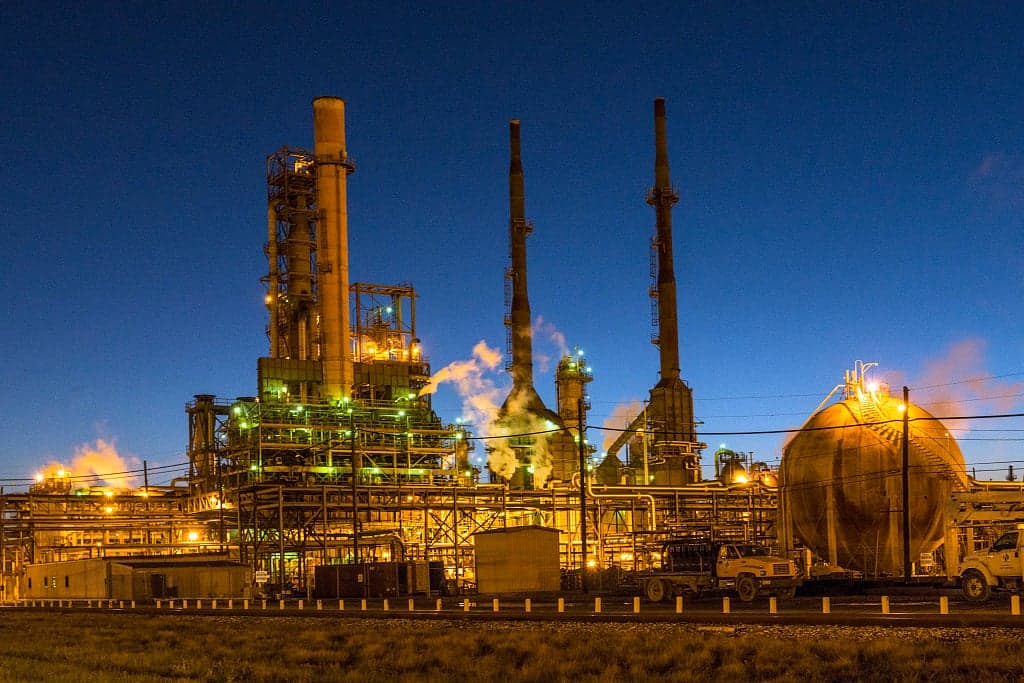
Photo: Wikipedia
Quality of Life in Port Arthur, TX
A high quality of life with strong walkability, manageable living costs, healthy neighborhood signals, and solid amenity access.
What does Quality of Life tell us?
Quality of Life blends cost of living, nearby amenities, socioeconomic signals, and neighborhood character. City-level scores represent the whole municipality; individual neighborhoods can differ.
What does this tell us?
Quality of Life blends cost of living, nearby amenities, socioeconomic signals, and neighborhood character. City-level scores represent the whole municipality; individual neighborhoods can differ.
Cost of Living
35% below national average
The Real Cost of Living in Port Arthur, TX for 2026
| Tier | Individual | Family (4) |
|---|---|---|
| Survival | $16k | $30k |
| Comfortable | $26k | $39k |
| Luxury | $83k+ | $128k+ |
| Elite (Top 5%) | $114k+ | $177k+ |
118%
The Area Signal
A metric tracking the socioeconomic signals of the area.
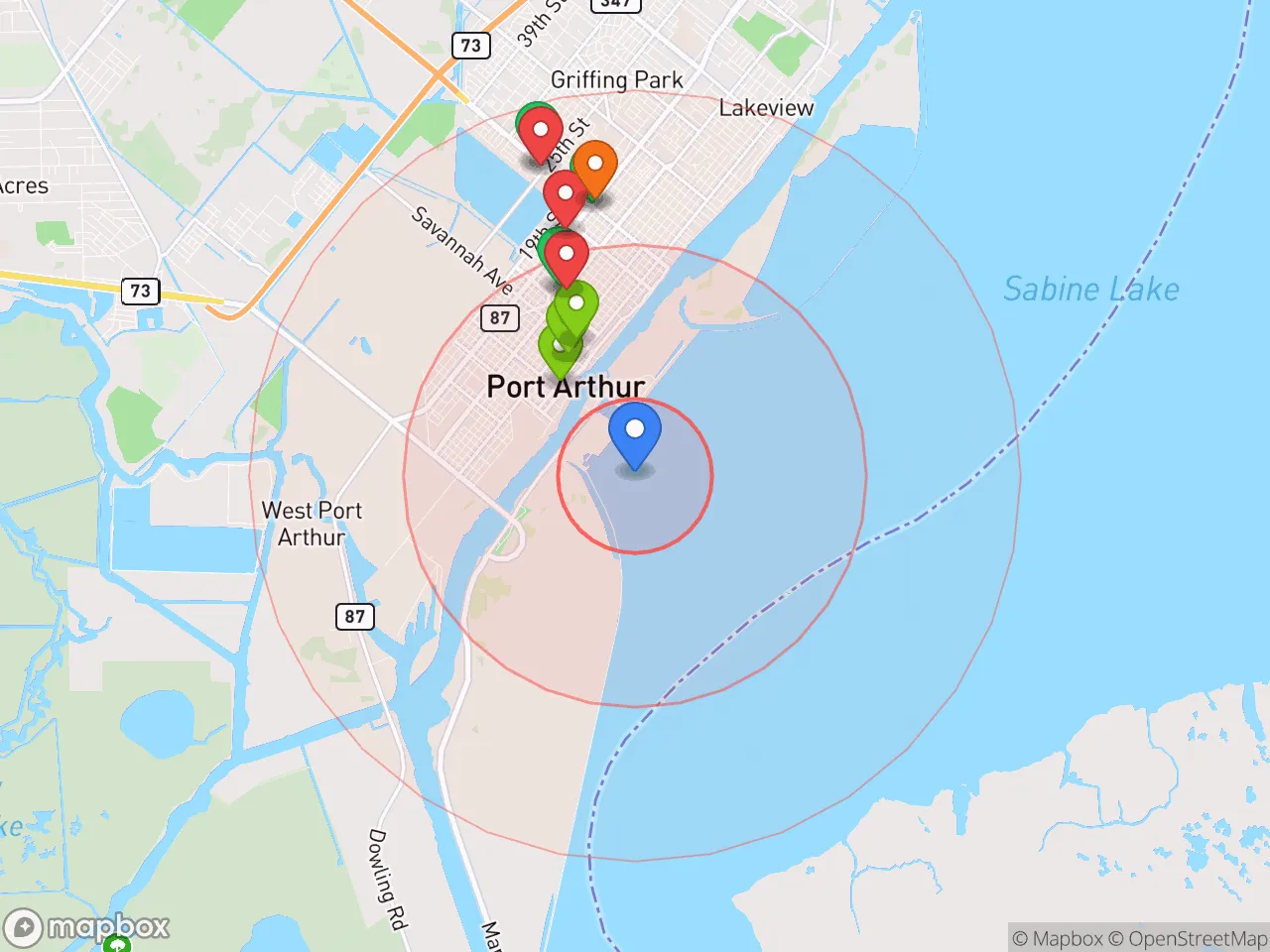
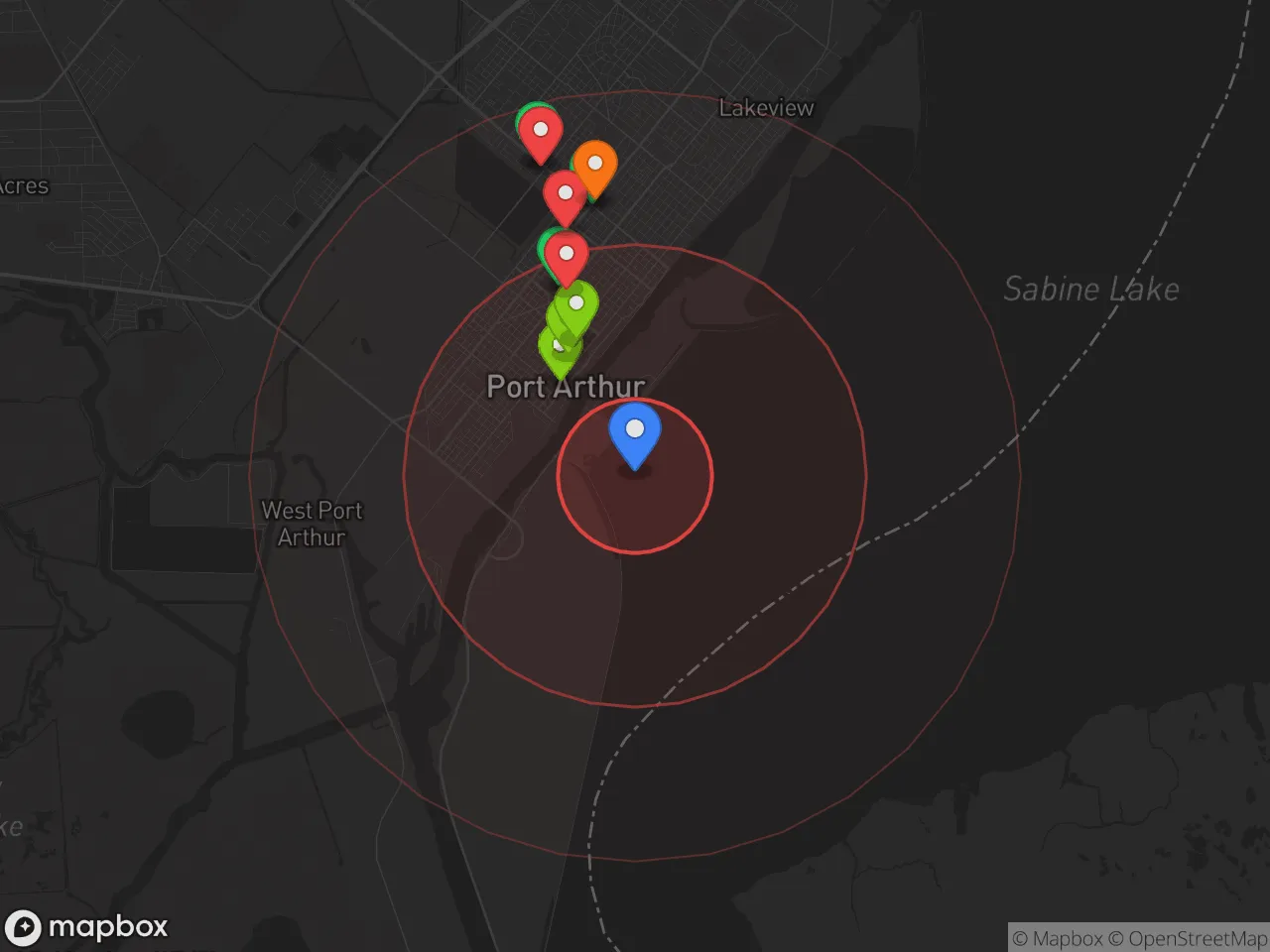
Hobbies
Explore the areaGroceries
3 within 10 miles
Gas
20 within 10 miles
Hospital
10 within 20 miles
Airport
IAH — George Bush Intercontinental
Post Office
USPS — Port Arthur, TX
Critical Amenities
Quality-of-Life Analysis
Port Arthur, Texas, presents a quality of life defined by deep affordability and a working-class, industrial character, standing in stark contrast to the state's booming metropolitan hubs. With a cost of living index of 65 (35% below the U.S. average), the city attracts residents who prioritize financial breathing room over high-end amenities, including refinery workers, notably, a significant population of Vietnamese-American community whose presence shapes the local culture. The median household income hovers around $40,000, reflecting a blue-collar economy anchored by the petrochemical and refining industries along the Sabine-Neches Waterway, where many residents find stable employment.
.
How affordable is Port Arthur compared to Beaumont and Houston?
Port Arthur is one of the most affordable housing markets in Texas, with a median home value of $96,900 — roughly one-third the national median and less than half the median in nearby Beaumont (around $180,000). For renters, the median rent of $996 is attainable on a single income, a rarity in 2026. This affordability comes with trade-offs: property tax rates in Jefferson County are relatively high (often above 2.5% of assessed value), and the city's older housing stock means many homes require renovation or maintenance. The average commute of 23.4 minutes is slightly below the national average, a practical advantage for workers commuting to plants in Port Arthur, Nederland, or Groves, though those working in Beaumont (20 miles north) or Houston (90 miles west) face longer drives. While groceries and utilities also run below national averages, reinforcing the area's appeal for cost-conscious households.
What daily life is like for families and retirees
Daily life in Port Arthur is slow-paced and community-oriented, with a strong sense of local identity. The public school system, Port Arthur Independent School District, faces challenges: several campuses are rated below state averages in math and reading, and the district has struggled with enrollment declines. Families often explore charter options or commute to private schools in Beaumont. Amenities are modest but functional: the city maintains several parks, including the 50-acre Port Arthur Central Park, and the Sabine Lake fishing pier, which is popular with retirees and anglers. The local food scene is a standout, driven by the Vietnamese community — restaurants like Bánh Mì Saigon and seafood spots along Gulfway Drive offer distinctive cuisine rarely found in comparably sized Texas towns. Shopping and entertainment are limited; residents typically drive to Beaumont for malls, movie theaters, and the Christus St. Elizabeth Hospital system for healthcare. The rhythm of life is quiet and residential, with community events like the annual Port Arthur Mardi Gras and the Riverfest providing seasonal highlights.
Port Arthur is best suited for individuals and families who prioritize low housing costs and a tight-knit, unpretentious community over urban excitement or top-tier schools. It works well for petrochemical workers, retirees on fixed incomes, and first-time homebuyers who cannot afford coastal Texas markets like Corpus Christi or Galveston. Those seeking vibrant nightlife, elite public education, or rapid career growth outside the industrial Gulf Coast corridor will likely find the city stifling may find the city limiting. For cost-driven movers who value cultural diversity and a slower pace, Port Arthur offers a rare combination of affordability and authenticity that is increasingly rare in modern Texas.

Crime in Port Arthur, TX
Higher crime rates than 59% of comparable U.S. locations.
Violent CrimeViolent Crime Analysis
Property CrimeProperty Crime Analysis
Crime Analysis
Port Arthur, Texas, reports a violent and property crime rates significantly above national averages, with a violent crime rate of 599.1 per 100,000 residents and a property crime of 1325.6 per 100,000. These figures place the city in a higher-risk category compared to both Texas state averages and the U.S. as a whole, driven largely by socioeconomic challenges and proximity to the larger Beaumont-Port Arthur metropolitan area. While property crime rates are elevated, the violent crime index is the primary concern for those evaluating safety in this Southeast Texas Gulf Coast city.
Crime in context
Port Arthur's violent crime rate of 599.1 per 100,000 is roughly 1.5 times higher than the national average and well above the Texas state average of approximately 447 per 100,000. Property crime, at 1325.6 per 100,000, is slightly below the national average but still elevated relative to safer suburban communities in Jefferson County. The city's crime profile is typical of older industrial centers that have experienced economic shifts, with higher poverty, and population decline. As part of a larger metro area, Port Arthur is subject to the policies of Jefferson County's district attorney and judges. Readers should note that progressive prosecutorial and judicial philosophies—which prioritize leniency, diversion programs, and reduced incarceration—can result in more repeat offenders on the streets, undermining public safety and victim justice. This ideological approach is a negative factor for residents and prospective movers, as it correlates with higher recidivism and diminished deterrence.
What residents experience
Residents commonly report concerns about aggravated assault, robbery, and burglary, with property crimes like theft and vehicle break-ins being the most frequent daily annoyances. The city's violent crime rate is driven disproportionately by incidents in lower-income neighborhoods and areas near the downtown core. Many locals avoid walking alone after dark and rely on home security systems and neighborhood watch programs. The Port Arthur Police Department has implemented community policing initiatives, but response times and clearance rates remain inconsistent. For families, the perception of safety varies sharply by block, with some subdivisions near Sabine Lake or the Texas 73 corridor feeling markedly safer than areas closer to high-crime zones near the refineries and older housing stock.
Neighborhood-level variation is not uniform across Port Arthur. The western and northern edges—closer to the Sabine Neches and the more affluent Groves and Nederland—tend to have lower crime rates. In contrast, the central and eastern sections, particularly around the historic African American and Hispanic neighborhoods, experience the highest violent crime concentrations. Prospective residents should research specific zip codes (e.g., 77640 vs. 77642) and consult local crime mapping tools. While the city has seen some investment in waterfront redevelopment and new housing, the overall safety picture remains a significant drawback, particularly for those accustomed to suburban or rural low-crime environments.
* Values derived from national, state, county, city and local statistics and may differ in a specific area. Last updated: 2026-05-14T18:47:59.000Z
Narrative content on this page is AI-generated and may contain mistakes. Verify any details that matter before acting on them.
ReloMaps may earn a commission from affiliate links at no extra cost to you.

