 Popular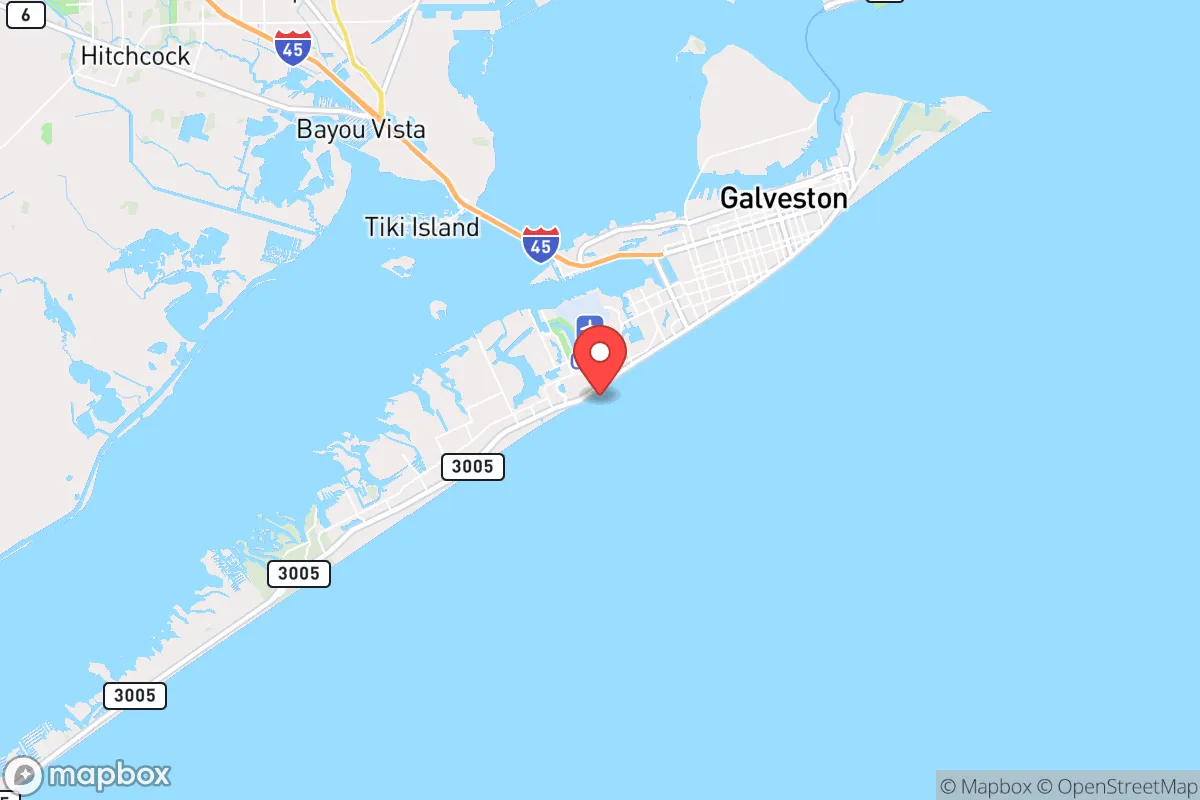
Photo: Wikipedia
Find The Best Places To Live
in Galveston
PRO TIP! You can paste a Zillow or Redfin link to get info on that property.
What It's Like Living in Galveston, TX
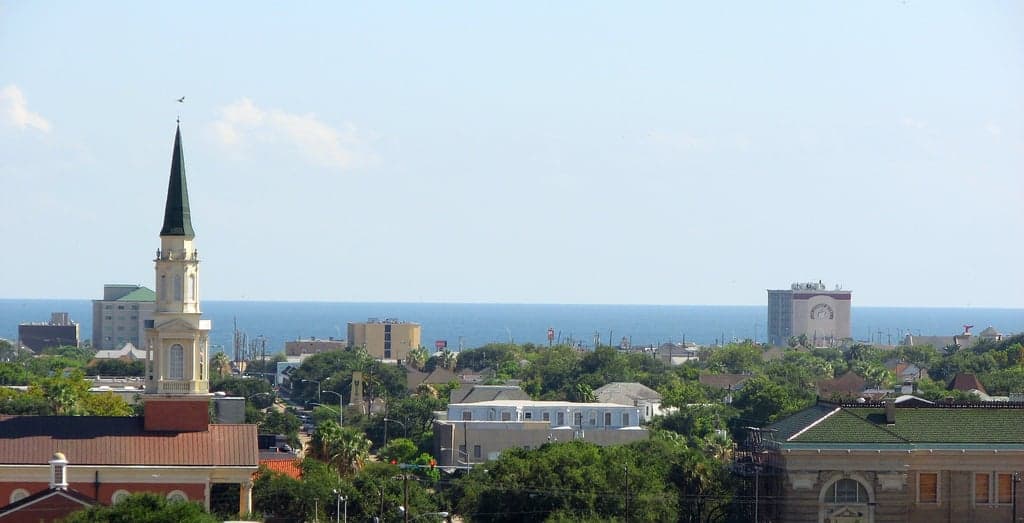
Galveston has a split personality, and that’s exactly what makes it interesting. On one side, you’ve got a working-class island town with a deep maritime history, a place where people actually live year-round, not just vacation. On the other, it’s a tourist magnet, with the Strand, the beachfront, and a constant hum of visitors. If you’re thinking about moving here, you need to know which Galveston you’re signing up for—because the daily reality is very different from a weekend trip.
The Island’s Daily Rhythm: More Than Just a Beach Town
Life here moves slower than on the mainland, but it’s not sleepy. With a population just over 53,000, Galveston feels like a small city that happens to be surrounded by water. The median age is 40, which means you’ve got a mix of young families, empty nesters, and a solid core of retirees who’ve been here for decades. The median household income sits around $57,000, so this isn’t a wealthy enclave—it’s a place where people work hard, often in healthcare, tourism, or the shipping industry at the Port of Galveston. About a third of adults hold a college degree, which tracks with the professional jobs at UTMB Health and the island’s growing number of remote workers.
Weekends are defined by the water. Locals don’t spend much time on the crowded Seawall beaches—they head to the quieter spots like East Beach or Stewart Beach, or they launch a kayak in the bay. The Strand is for visitors; locals know to hit the smaller bars and restaurants on the island’s west end or in the historic district after the cruise crowds thin out. Grocery shopping is mostly H-E-B and Kroger, and you’ll see the same faces at the post office or the hardware store. It’s a place where you wave at neighbors, and the school system—while not the strongest in the state—is a central part of community life, especially around Ball High School football games.
Sports, Festivals, and the Things That Bring People Together
High school football is the big deal here. Ball High School’s Golden Tornadoes are the local team, and Friday nights in the fall are a genuine community event. There’s no pro sports team on the island, but you’re only 45 minutes from Houston, so Astros and Texans fans are common. The real sports culture, though, is about the water: fishing tournaments, sailing regattas, and the annual Lone Star Rally in November, which brings 300,000 motorcycles to the island for a weekend. That event is a love-it-or-hate-it thing for locals—great for business, terrible for traffic.
Festivals are a big part of the identity. Mardi Gras! Galveston is the second-largest celebration in Texas, and it’s a genuine family affair, not just a Bourbon Street-style party. The Feast of the Seven Fishes in December is a local food tradition that’s grown into a multi-weekend event. For music, you’ve got the Old Quarter Acoustic Cafe for folk and blues, and the Grand 1894 Opera House for bigger acts. The island’s cultural quirk is that it’s fiercely proud of its history—the 1900 Storm, the Victorian architecture, the fact that it was once the “Wall Street of the Southwest.” You’ll hear locals talk about “the island” like it’s a separate country, because in many ways, it feels like one.
The Honest Trade-Offs: What Locals Love and What Wears Them Down
What people love: The sense of community is real. You know your neighbors, your bartender knows your name, and there’s a shared identity that comes from living on a barrier island. The cost of living is higher than the mainland—about 8% above the national average—but the median home value of $294,000 is still affordable compared to coastal cities in California or Florida. The commute is a dream: the average is just under 21 minutes, and most people can get anywhere on the island in 15. You’re never more than a few blocks from the water, and the sunsets over the Gulf are genuinely stunning.
What frustrates people: The weather is the biggest practical reality. Hurricane season runs June through November, and even a tropical storm can shut the island down for days. Flooding is a fact of life—you learn which streets turn into canals after a heavy rain. The violent crime rate is higher than the national average, at 495 per 100,000, and while it’s concentrated in certain areas, it’s something to be aware of, especially if you’re raising kids. Traffic on the Seawall during spring break or summer weekends is a nightmare, and the only way off the island is the I-45 causeway, which backs up for miles after a big event. Schools are a mixed bag—some are solid, but many families with means opt for private or homeschool options.
The kind of person who fits in here is someone who values character over convenience. You’re not moving to Galveston for a perfect school district or a low crime rate. You’re moving here because you want to live in a place with history, with salt in the air, and with a community that looks out for each other. It’s a trade-off, and the people who stay are the ones who made peace with it.

Similar small cities to Galveston
* Values derived from national, state, county, city and local statistics and may differ in a specific area. Last updated: 2026-05-12T00:16:58.000Z
Narrative content on this page is AI-generated and may contain mistakes. Verify any details that matter before acting on them.
ReloMaps may earn a commission from affiliate links at no extra cost to you.

