Photo: Wikipedia
Political ClimatePolitical Climate in Port Arthur, TX
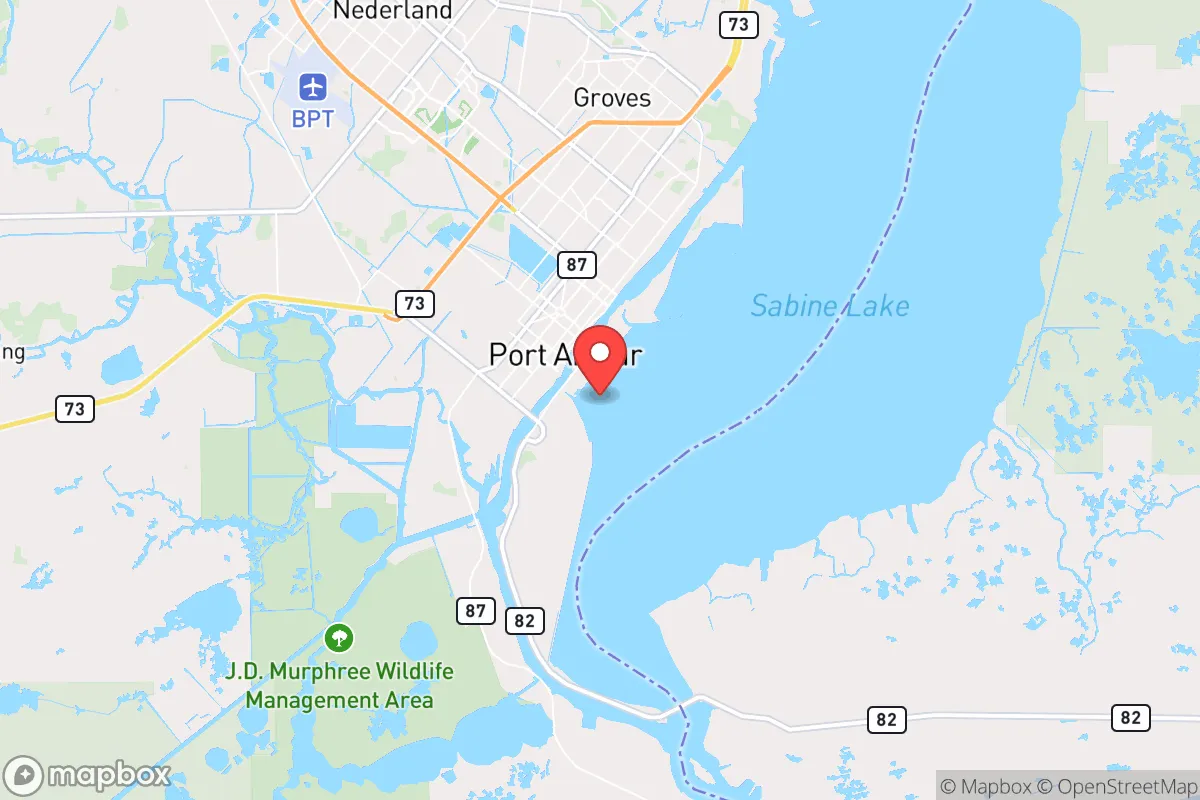
District shown is the primary district for this city’s centroid. Cities may span multiple districts.
Local Political AnalysisPolitical Analysis of Port Arthur, TX
Port Arthur, Texas, has long been a deep blue outlier in a sea of red, but the ground is shifting under our feet. The Cook PVI of R+17 for the surrounding area tells you the real story of Southeast Texas, but inside the city limits, things have been different for decades. I’ve watched this town go from a solid union Democrat stronghold to a place where folks are starting to wake up, especially after the last few years of progressive overreach in Washington and Austin. The trajectory is slow, but there’s a real conservative undercurrent growing, especially among younger families and the energy sector workers who are tired of being told how to live their lives.
How it compares
When you stack Port Arthur against the rest of Texas, the contrast is stark. The state as a whole sits at R+4, meaning it leans Republican but still has plenty of competitive races. Port Arthur, however, has historically voted blue by wide margins, often 60-70% for Democrats in presidential elections. But look at the surrounding towns—Nederland, Groves, and even Beaumont to the north—and you see a completely different picture. Those communities are reliably conservative, voting red by 20-30 points in most elections. The difference comes down to culture and economics. Port Arthur’s old industrial base, tied to the refineries and unions, kept the Democrat machine running for generations. But as those unions lose influence and the national Democrat party moves further left on energy, guns, and parental rights, you’re seeing cracks. The R+17 PVI for the congressional district (TX-36) is a better reflection of where the region is heading than the city’s own voting history. It’s a slow bleed for the old guard.
What this means for residents
For the average person living here, the political climate means you have to pick your battles. If you’re a conservative, you’re used to feeling like your voice is drowned out at the city council level, where progressive policies on spending and zoning can feel like government overreach into your property rights and wallet. The real concern is watching how Austin and Washington try to impose one-size-fits-all mandates on a community that has its own way of doing things. Property taxes are already a burden, and when local leaders chase grant money tied to progressive social agendas, it’s the homeowner who pays the price. On the flip side, the state government in Texas has been a bulwark against the worst of it—keeping the Second Amendment strong, protecting parental rights in schools, and pushing back on federal overreach. That tension between local blue politics and state red policy creates a weird dynamic where you have to stay vigilant. The long-term trend, if I’m being honest, is cautiously optimistic. More people are moving here from blue states, but they’re often looking for lower taxes and more freedom, not more government control.
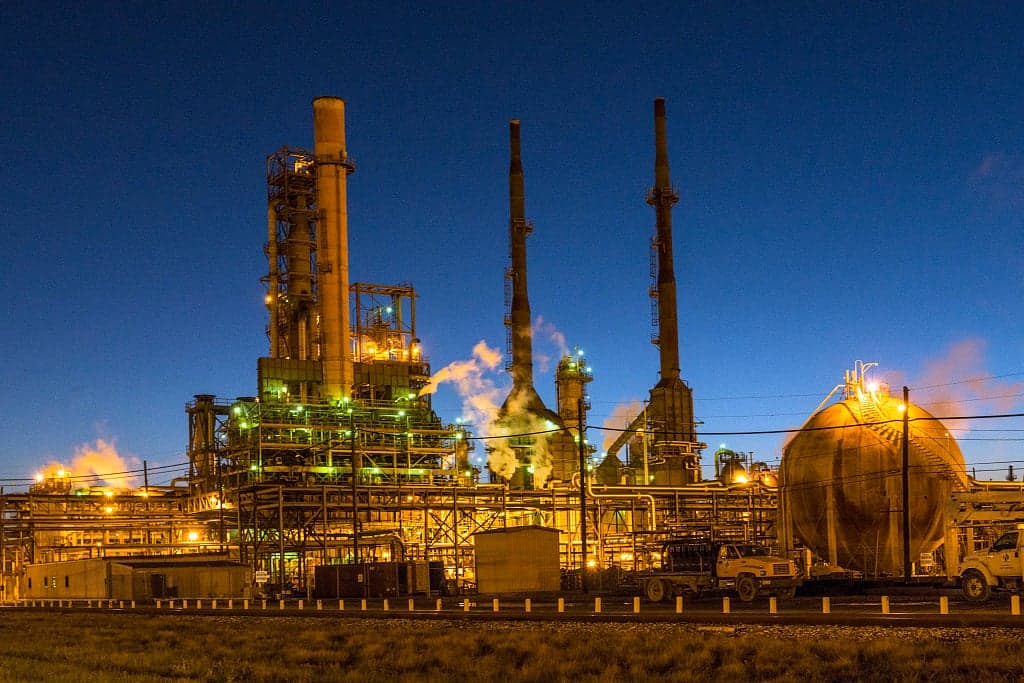
One thing that sets Port Arthur apart culturally is its deep connection to the energy industry. This is a refinery town through and through, and that means a practical, working-class mindset that doesn’t have much patience for abstract progressive ideology. The push for a “green transition” is seen here as a direct threat to livelihoods, not a noble cause. You’ll also notice a strong sense of community self-reliance—people help their neighbors without waiting for a government program. The local churches and civic clubs are the real safety net. If the progressive wave ever fully crashes here, it will be because the people who actually work the refineries and run the small businesses decide they’ve had enough. For now, it’s a place where you can still live your life without too much hassle, but you keep one eye on the ballot box and another on Austin.

State Political ClimatePolitical Climate in Texas
State Political AnalysisPolitical Environment in the State
Texas leans right overall with a Cook PVI of R+4, but it's not the deep red monolith it was 20 years ago. The dominant coalition is still conservative — suburban families, rural voters, and suburbanites who want low taxes and limited government, but the state has seen a steady blueward shift in-migration into its major metros. Over the last decade, the GOP has held the governorship and legislature, but margins have tightened in places like Dallas and Harris counties, while rural areas and exurbs have doubled down. If you're moving here, you're stepping into a state that's fighting to stay red while progressive cities try to pull the other way.
Urban vs. rural divide
The political map of Texas is a tale of two worlds. The big blue metros — Austin, Dallas, Houston, San Antonio, and El Paso — vote reliably Democratic, with Austin's Travis County going +40 points blue in 2024. Meanwhile, the rural Panhandle, East Texas piney woods, and the Permian Basin (think Lubbock and Midland) are deep red, often +50 to +70 GOP. The real battleground is the suburbs: Frisco in Collin County used to be ruby red but is now purple, while Fort Worth in Tarrant County remains a conservative. The divide isn't just geography — it's culture. Rural Texans resent urban progressivism, while city dwells in the cities, and they vote accordingly.
Policy environment
3>
Texas's policy environment is a mixed bag for conservatives. On the plus side: no state income tax, a business-friendly regulatory climate, and a strong right-to-work law. The state has passed permitless carry (HB 1927), a near-total abortion ban (trigger law plus SB 8), and parental rights in education (HB 3 on curriculum transparency). Property taxes are high, but the legislature has been chipping away with compression and appraisal caps. Election integrity got a boost with SB 1, which tightened ID requirements and limited drive-through voting. On the downside, local governments in blue cities often try to impose their own rules — like Houston's paid sick leave, sanctuary policies — only to be preempted by the state. The tension between state preemption and local control is a constant fight.
Trajectory & freedom
Is Texas becoming more or less free? It depends on the issue. On gun rights, medical freedom, and parental control, the state has expanded liberty: no-consent carry, banned COVID vaccine mandates for private employers, and passed the "Save Women's Sports" Act. Property rights got a boost with limits on eminent domain for private projects. But freedom is under threat from property tax creep — your house value goes up, your tax bill follows, and the state's relief never quite catches up. Also, the blue cities are imposing their own restrictions on housing and energy, which the state fights back. The trajectory is toward more state-level preemption of local progressive ordinances, which is good for conservatives who want uniform freedom. But watch out for the growing influence of big tech and corporate interests that sometimes align with the left.
Civil unrest & political movements
Texas has seen its share of flashpoints. The 2020 BLM protests in Dallas and Austin were large and sometimes violent, leading to calls for defunding the police — which the state legislature countered with a law banning cities from cities from cutting police budgets. The border crisis has turned El Paso and Eagle Pass into national symbols of the immigration debate, with Governor Abbott's Operation Lone Star busing migrants to the north. Secession rhetoric — "Texit" — flares up among some conservatives, but it's more a protest vote than a serious movement. Election integrity remains a hot button: Harris County's 2022 voting issues (paper ballot shortages, long lines) led to state takeover of elections there. A new resident will see these fights play out in news and local politics, but daily life is generally calm — unless you're in a protest zone.
Projection
Over the next 5-10 years, the next 5-10 years will see Texas become more competitive but still GOP-controlled at the state level. Demographic shifts are key: Hispanic voters, especially in the Rio Grande Valley, are trending right, while white suburbanites in Frisco and Fort Worth are splitting tickets. In-migration from California and New York brings progressive voters to Austin and Dallas, but many of those newcomers are actually moderate or conservative who left for economic reasons. The rural vote will remain rock-ribbed Republican. Expect continued culture war battles over school curriculum, transgender rights, and abortion access to abortion pills. Property taxes will remain a pain point, but the legislature will likely keep passing relief. For a conservative moving in, Texas will still feel like a freedom-friendly state in 2035, but the fights will be louder and the margins thinner.
Bottom line: If you're moving to Texas, you're getting a state that respects your gun rights, your wallet (no income tax), and your say in your kids' education. But you're also getting high property taxes, blue city politics that can affect your commute and local services, and a constant tug-of-war between state and local control. Pick your county wisely — Collin or Denton if you want conservative suburbs, Travis if you're okay with progressive urban life. Texas is still a place where you can build a life on your own terms, but you'll have to stay engaged to keep it that way.
* Values derived from national, state, county, city and local statistics and may differ in a specific area. Last updated: 2026-05-14T18:47:59.000Z
Narrative content on this page is AI-generated and may contain mistakes. Verify any details that matter before acting on them.
ReloMaps may earn a commission from affiliate links at no extra cost to you.

