Photo: Wikipedia
Quality of Life in Racine, WI
Above-average quality of iife. The area offers a reasonable cost of living, decent mobility, and a mix of neighborhood amenities.
What does Quality of Life tell us?
Quality of Life blends cost of living, nearby amenities, socioeconomic signals, and neighborhood character. City-level scores represent the whole municipality; individual neighborhoods can differ.
What does this tell us?
Quality of Life blends cost of living, nearby amenities, socioeconomic signals, and neighborhood character. City-level scores represent the whole municipality; individual neighborhoods can differ.
Cost of Living
27% below national average
The Real Cost of Living in Racine, WI for 2026
| Tier | Individual | Family (4) |
|---|---|---|
| Survival | $16k | $29k |
| Comfortable | $31k | $45k |
| Luxury | $88k+ | $137k+ |
| Elite (Top 5%) | $104k+ | $161k+ |
123%
The Area Signal
A metric tracking the socioeconomic signals of the area.
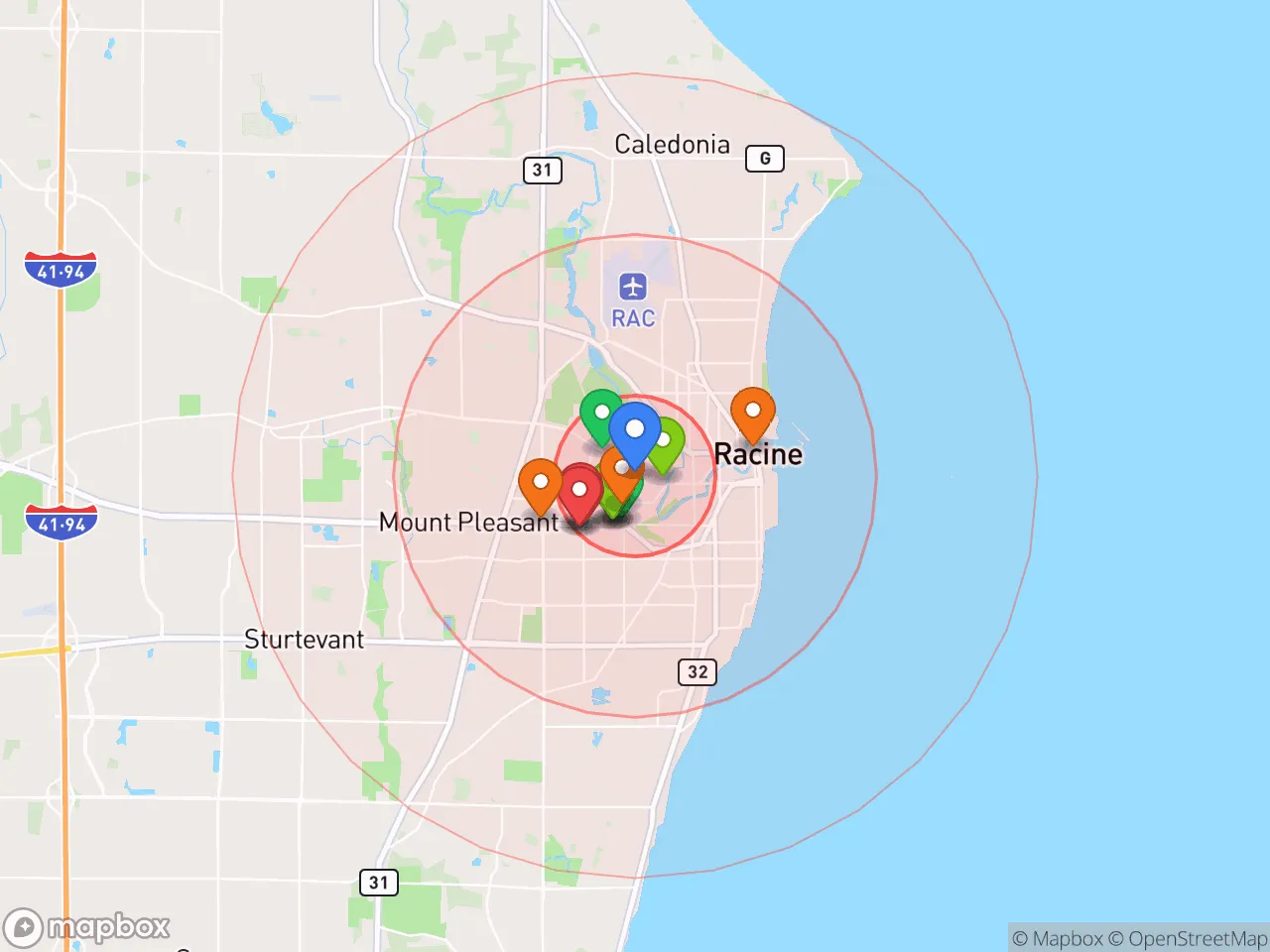
Hobbies
Explore the areaGroceries
5 within 10 miles
Gas
20 within 10 miles
Hospital
20 within 20 miles
Airport
ORD — O'Hare International
Post Office
USPS — Racine, WI
Critical Amenities
Quality-of-Life Analysis
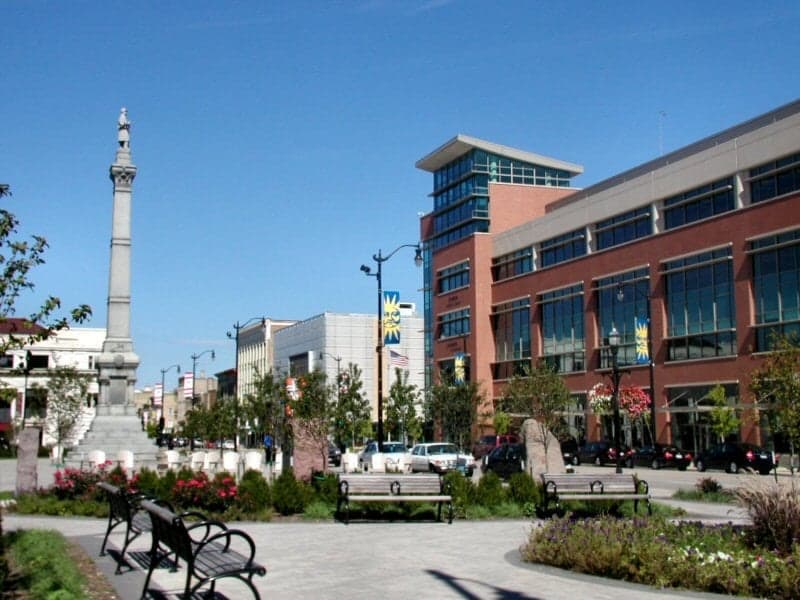
Racine, Wisconsin, offers a notably affordable quality of life that attracts a mix of working-class families, first-time homebuyers, and retirees seeking a lower cost of living within commuting distance of Milwaukee and Chicago. With a cost of living index of 73 (27% below the U.S. average), the city provides a financial cushion that is increasingly rare in the Great Lakes region. The population skews toward long-term residents and younger adults drawn by entry-level housing prices, though the city also sees steady interest from remote workers and tradespeople who value proximity to Lake Michigan without the premium of nearby suburbs.
Cost of living, housing, and affordability compared to Milwaukee and Kenosha
Racine’s housing market is the primary driver of its affordability. The median home value sits at $158,100, roughly half the national median and significantly below the Milwaukee metro average of about $240,000. Median rent is $983, making it one of the most budget-friendly rental markets in southeastern Wisconsin—lower than Kenosha ($1,100) and far below Chicago’s North Shore suburbs. The average commute of 22.4 minutes is shorter than the national average (26 minutes), which keeps transportation costs manageable. However, property taxes in Racine County are relatively high (around 2.1% of assessed value), partially offsetting the low purchase price. For renters and buyers alike, the trade-off is clear: lower upfront costs in exchange for higher tax burdens and a slower pace of home value appreciation compared to nearby Lake Geneva or Oak Creek.
What daily life is like for families: schools, amenities, and local rhythm
Daily life in Racine centers on a compact downtown anchored by the Racine Zoo and the Lake Michigan shoreline, with the 2.5-mile Lakefront Pathway providing a popular walking and biking route. The Racine Unified School District serves most families, though many households with school-age children explore nearby private or charter options, such as the Racine Montessori School or the REAL School. Groceries and essentials are well-covered by chains like Festival Foods and Woodman’s, while the Racine Farmers Market (May–October) adds seasonal variety. Dining leans toward classic Wisconsin supper clubs and family-run taquerias, with fewer high-end options than in Milwaukee. The city’s industrial heritage—home to SC Johnson’s global headquarters—gives it a blue-collar, no-frills character, and weekend traffic is light compared to suburban corridors. For entertainment, residents typically drive 30 minutes north to Milwaukee for major concerts, professional sports, or Mitchell International Airport.
Racine is best suited for budget-conscious buyers and renters who prioritize low housing costs and a short commute over high-end retail, nightlife, or top-tier public schools. It works well for tradespeople, manufacturing workers, and remote employees who need easy access to I-94 and the Amtrak Hiawatha line to Chicago. Families willing to research school options or pay for private education will find a safe, walkable lakefront community, while young professionals may find the social scene limited. Retirees on fixed incomes often appreciate the low rent and proximity to medical facilities like Ascension All Saints Hospital. For anyone seeking a slower, more affordable alternative to the Milwaukee or Chicago metro areas, Racine delivers a solid, no-surprises quality of life—provided expectations align with its modest, working-class reality.

Crime in Racine, WI
Generally safer than 56% of comparable U.S. locations.
Violent CrimeViolent Crime Analysis
Property CrimeProperty Crime Analysis
Crime Analysis
Racine, Wisconsin, presents a crime picture that demands careful consideration, particularly for those relocating from safer suburban or rural environments. With a violent crime rate of 356.3 incidents per 100,000 residents and a property crime rate of 1,208.5 per 100,000, the city's overall safety profile is significantly worse than both the state and national averages. These figures place Racine among the higher-crime communities in the Milwaukee metropolitan area, a region where progressive prosecutorial policies in surrounding jurisdictions have been linked to reduced accountability for repeat offenders.
Crime in context
Racine's violent crime rate is roughly 1.5 times the national average and nearly double the Wisconsin state average. Property crime is similarly elevated, running about 20% above the national benchmark. For context, the city's violent crime rate of 356.3 per 100,000 is comparable to larger Midwestern cities like Dayton, Ohio, or Flint, Michigan, while its property crime rate exceeds that of Milwaukee proper. These statistics reflect a systemic challenge: Racine County's justice system, like many in southeastern Wisconsin, has adopted progressive reforms—including cash bail reform and diversion programs—that critics argue prioritize offender rehabilitation over public safety, resulting in higher recidivism and more crimes against property and persons.
What residents experience
For daily life in Racine, the elevated crime rates translate into tangible risks. Residents report that theft, burglary, and motor vehicle theft are the most common property crimes, with car break-ins and package thefts occurring frequently even in middle-class neighborhoods. Violent incidents, while less common, are concentrated in specific areas and often involve individuals known to one another, though random assaults and robberies do occur. The presence of a progressive district attorney's office has been cited by local law enforcement as a factor in lighter sentencing for repeat property offenders, creating a cycle where criminals are quickly back on the street. This dynamic erodes community trust and forces residents to invest heavily in security measures—alarms, cameras, and reinforced doors—that would be unnecessary in safer jurisdictions.
Neighborhood-level variation
Safety in Racine is not uniform. The downtown core and areas near the lakefront, particularly around the Racine Zoo and Horlick Park, tend to see lower violent crime but persistent property crime tied to car break-ins and shoplifting. In contrast, neighborhoods west of I-94 and south of Washington Avenue, including the Douglas Avenue corridor, report the highest concentrations of both violent and property offenses. The West Racine and Northside neighborhoods are considered moderate-risk, with crime rates closer to the city average. Prospective residents should prioritize blocks with strong neighborhood watch programs and avoid properties near known problem intersections. Given the county's lenient judicial climate, even "good" neighborhoods require vigilance that would be excessive in a community with a tougher-on-crime approach.
* Values derived from national, state, county, city and local statistics and may differ in a specific area. Last updated: 2026-05-03T20:39:03.000Z
Narrative content on this page is AI-generated and may contain mistakes. Verify any details that matter before acting on them.
ReloMaps may earn a commission from affiliate links at no extra cost to you.

