Photo: Wikipedia
Find The Best Places To Live
in Milwaukee
PRO TIP! You can paste a Zillow or Redfin link to get info on that property.
What It's Like Living in Milwaukee, WI
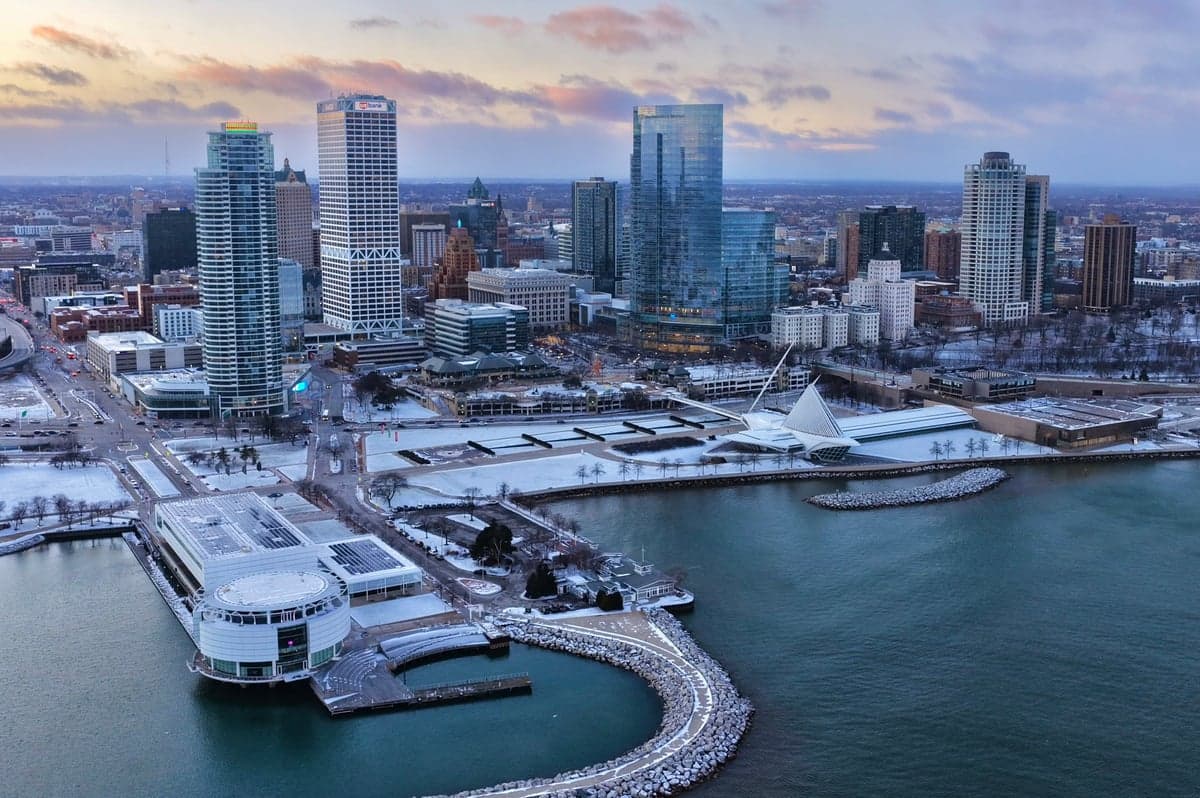
Milwaukee has a scrappy, blue-collar soul that’s impossible to fake. It’s a city of beer brats, lakefront sunsets, and people who will genuinely help you shovel out your car after a snowstorm — then invite you in for a brandy old-fashioned. Living here means embracing a place that’s big enough to have a major-league skyline but small enough that you’ll run into someone you know at the grocery store. It’s not trying to be Chicago or Minneapolis; it’s proudly, stubbornly itself.
The Daily Rhythm: Work, Weather, and Weekend Rituals
Most weekdays start early, especially for the roughly 26.6% of adults with a college degree who commute to jobs in healthcare, manufacturing, or finance. The average commute clocks in at just over 22 minutes — short enough that you can actually enjoy a morning coffee at home before heading out. By 5 p.m., the freeways (especially I-94 and I-43) get congested, but nothing like the parking lots of larger metros. Weekend mornings are for the Milwaukee Public Market in the Historic Third Ward, where you’ll grab a Bloody Mary and a bag of cheese curds, or for a walk along the Oak Leaf Trail that hugs Lake Michigan. Summer Saturdays are dominated by the East Side’s farmers markets and the Brady Street Festival, while winter weekends mean ice fishing on Lake Michigan or catching a Milwaukee Admirals hockey game at the UW-Milwaukee Panther Arena.
Sports & Community: Where Loyalty Runs Deep
Sports are a civic religion here, and the Brewers at American Family Field are the high priests. A summer evening game is a rite of passage — the tailgating starts hours before first pitch, with brats and beer flowing from parking lot grills. The Milwaukee Bucks brought home an NBA championship in 2021, and the Fiserv Forum downtown is electric on game nights. High school football is a big deal in the suburbs (think Brookfield East and Marquette University High School), but the real glue is Marquette University’s basketball program — the Golden Eagles pack the Fiserv Forum for Big East matchups. If you’re not a sports fan, you’ll still find yourself swept up in the energy during playoff runs, because the whole city stops to watch.
What’s There to Do: Festivals, Food, and the Lakefront
Milwaukee calls itself the “City of Festivals,” and it’s not exaggerating. Summer brings Summerfest, the world’s largest music festival, stretching 11 days along the lakefront with headliners from country to hip-hop. Then there’s the Wisconsin State Fair in West Allis, German Fest, Irish Fest, and the ethnic festival series at Henry Maier Festival Park. For quieter weekends, the Milwaukee Art Museum — with its stunning Quadracci Pavilion designed by Santiago Calatrava — offers world-class exhibits and a lakefront view that’s free on the first Thursday of each month. The city’s food scene is underrated: Kopp’s Frozen Custard is a must for butter burgers and custard, Lakefront Brewery serves up a legendary Friday fish fry, and Sanford is the fine-dining gem for a special night out. Outdoor lovers hit the Milwaukee County Zoo, the Mitchell Park Horticultural Conservatory (the Domes), or kayak the Milwaukee River through the downtown.
Pros and Cons of Living Here
What locals love: The cost of living is a genuine relief — the index sits at 78 (well below the national average of 100), and the median home value is just $172,000, meaning a starter home is actually attainable on a median household income of $51,888. The lakefront is a free, world-class amenity, and the sense of community is real — people show up for each other. The beer and cheese culture is a bonus, not a gimmick.
What frustrates them: The violent crime rate is 1,063.8 per 100,000 residents, which is high and concentrated in certain neighborhoods — it’s a reality that requires street smarts and awareness, especially at night. The median age is 32.2, so it’s a young city, but the public school system (Milwaukee Public Schools) has struggled with funding and performance, pushing many families toward suburban districts or private schools. Winters are long and gray — expect snow from November through March, with stretches of single-digit temps that test your resolve. And while the job market is stable, it’s not booming; the largest employers are Aurora Health Care, Froedtert Hospital, and Northwestern Mutual, so career growth can feel limited for specialized fields.
Cultural Quirks and Local Identity
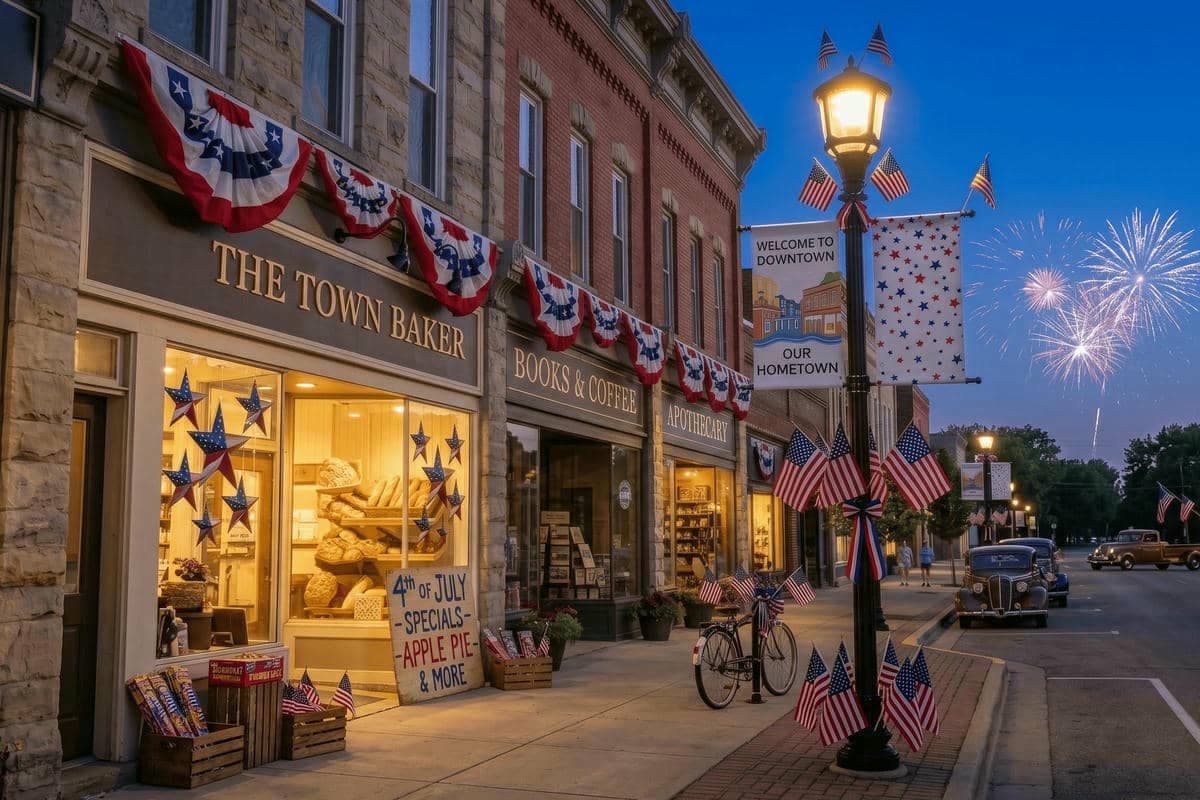
Milwaukeeans have a few quirks that outsiders find charming or baffling. They drink brandy old-fashioneds, not whiskey ones — it’s a Wisconsin thing. They call drinking fountains “bubblers.” They take Friday fish fry so seriously that nearly every bar and supper club has its own version, and debating which is best is a legitimate pastime. The city’s German and Polish roots are visible everywhere, from the Polish Moon statues on the South Side to the German Christmas Market in Cathedral Square. There’s also a deep, almost stubborn pride in the city’s industrial past — the Milwaukee Riverwalk is lined with repurposed factories turned into breweries and lofts, a nod to the city’s manufacturing backbone. If you’re the kind of person who values authenticity over polish, who doesn’t mind a little grit, and who can handle a real winter, Milwaukee will feel like home. If you need sunshine year-round and a 24-hour nightlife scene, you’ll probably find it frustrating. But for those who stay, the trade-off is a city that feels like a genuine community, not a curated experience.

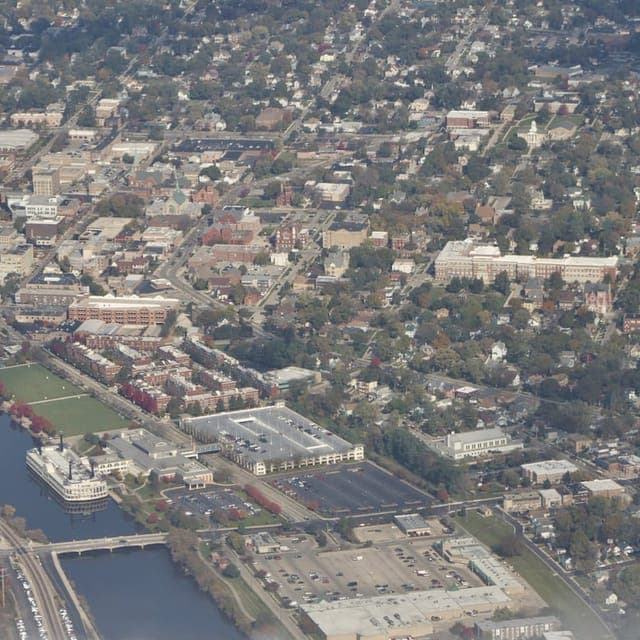
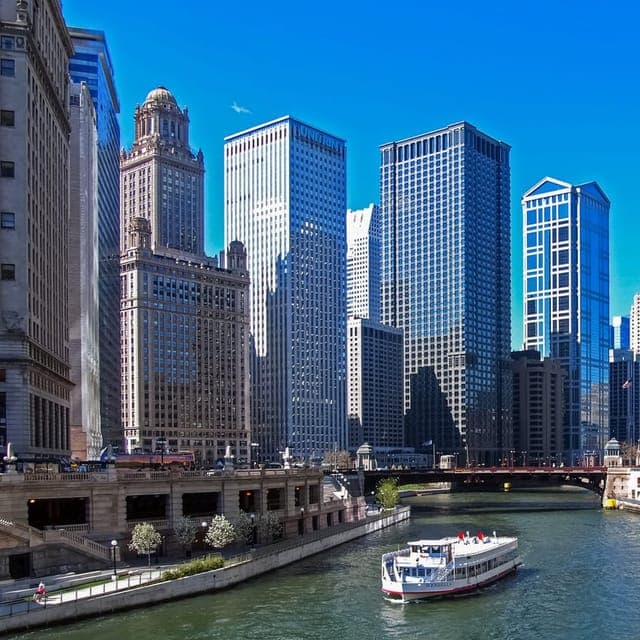
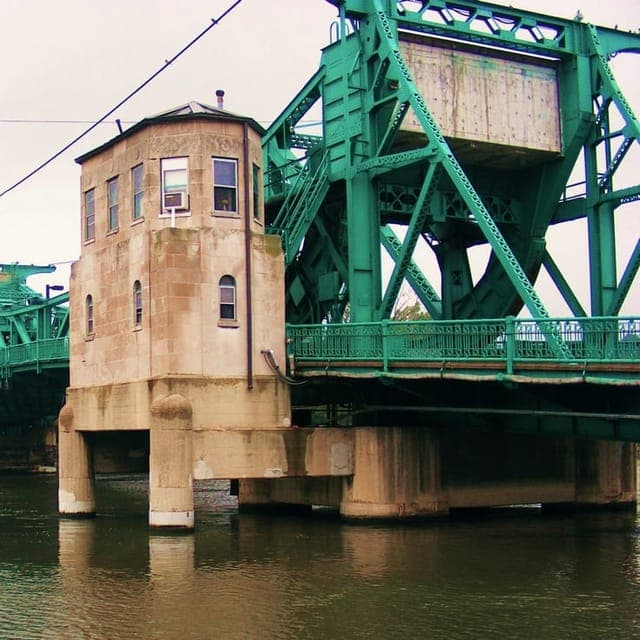
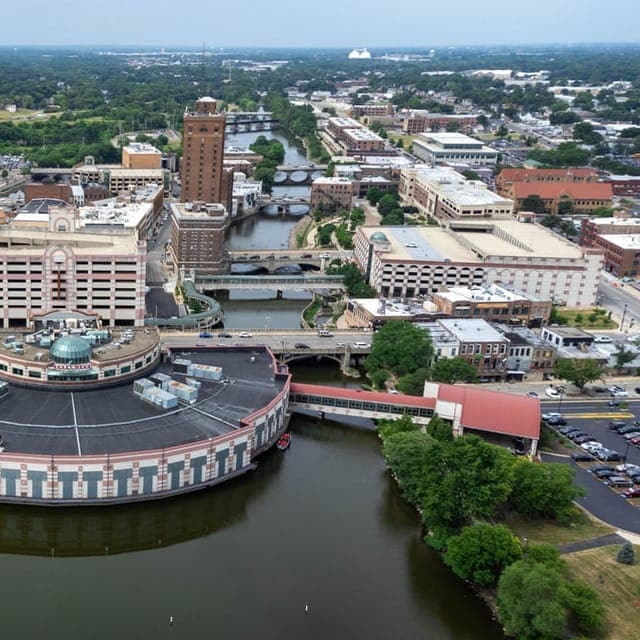
Similar mid-size cities to Milwaukee
* Values derived from national, state, county, city and local statistics and may differ in a specific area. Last updated: 2026-04-29T23:26:13.000Z
Narrative content on this page is AI-generated and may contain mistakes. Verify any details that matter before acting on them.
ReloMaps may earn a commission from affiliate links at no extra cost to you.

