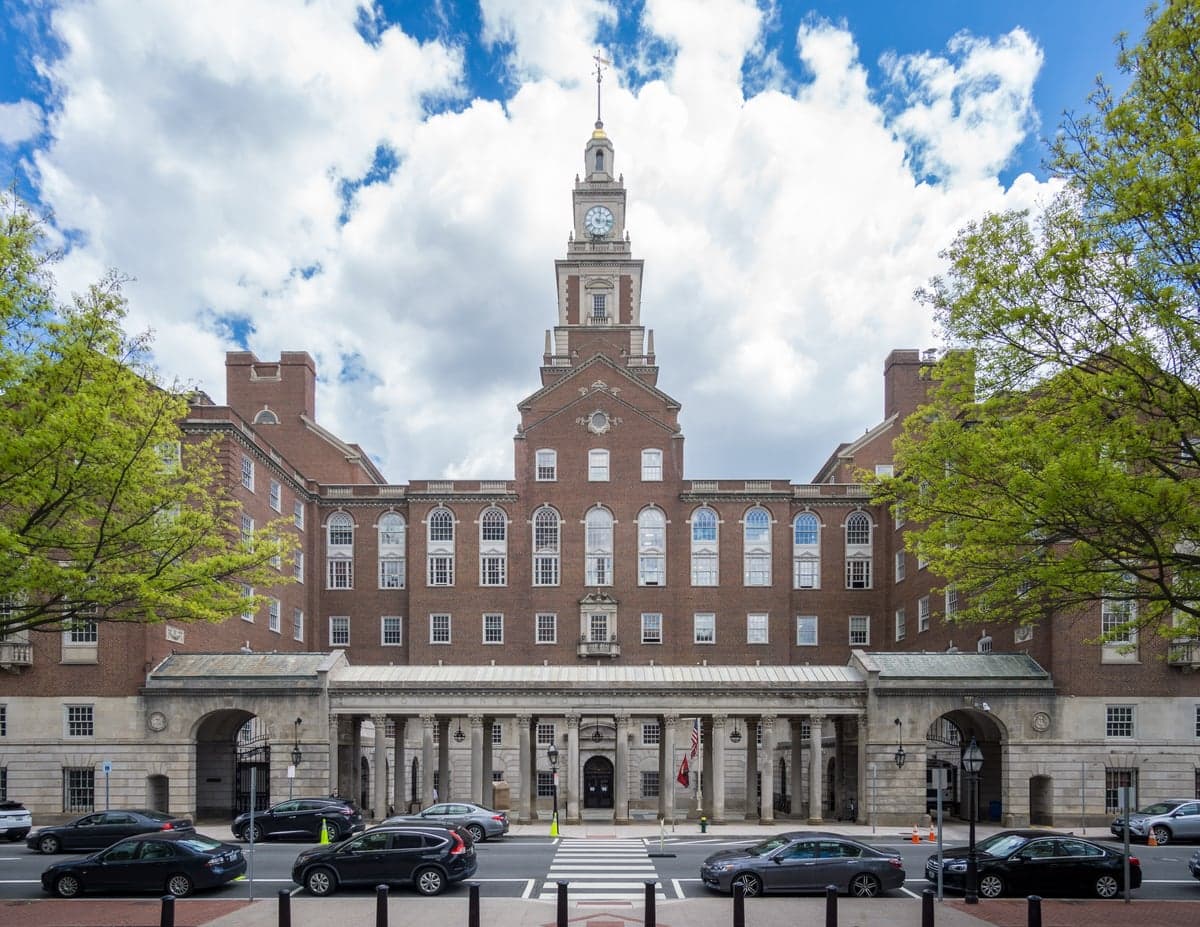
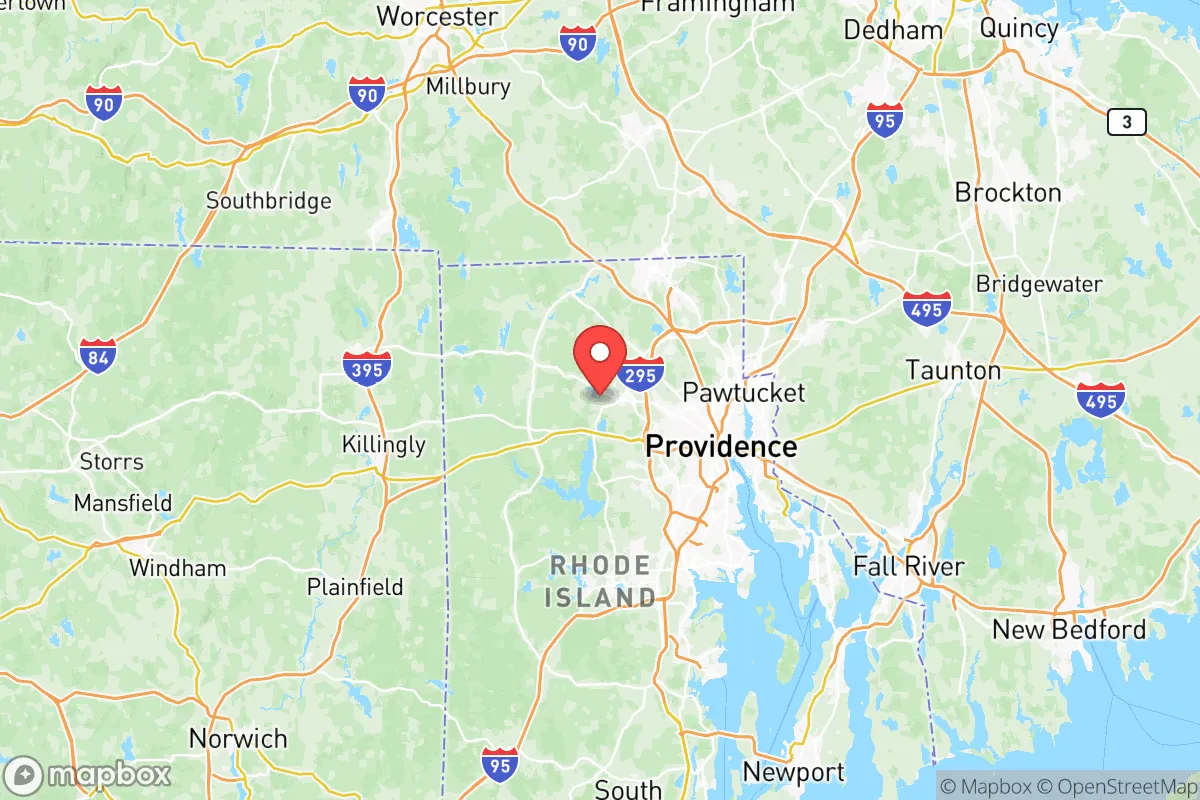
Photo: Wikipedia
Find The Best Places To Live in Providence County
PRO TIP! You can paste a Zillow or Redfin link to get info on that property.
Best Places to Live in Providence County
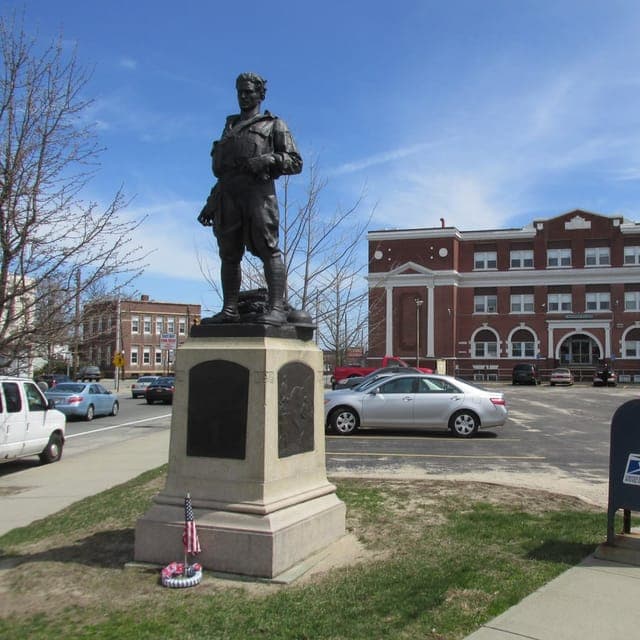
Cities & Towns in Providence County
Cities in Providence County
What It's Like Living in Providence County, RI
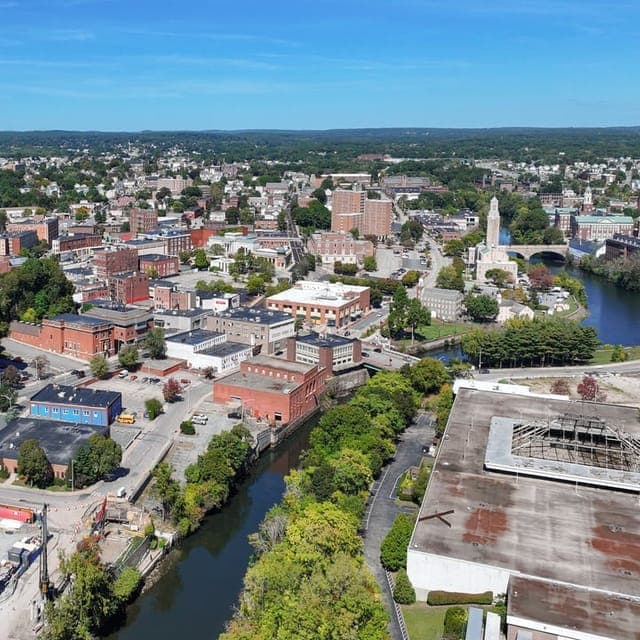
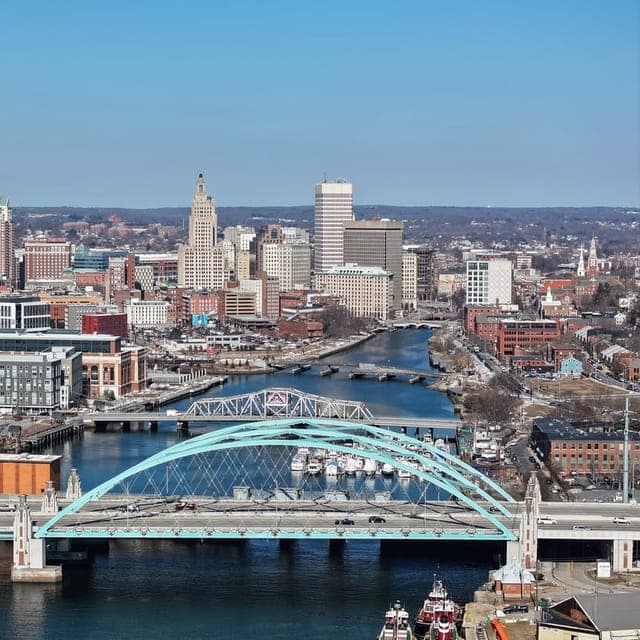
Living in Providence County means you’re never far from a city pulse or a quiet country road, all within a 45-minute drive of Boston. This is Rhode Island’s most populous county, home to roughly 659,000 people, and it stretches from the dense, historic streets of Providence itself to the farm stands and hiking trails of rural Glocester and Foster. It’s a place where your neighbors might be third-generation Italian-Americans from Johnston, recent college grads renting in Pawtucket, or families who moved from Massachusetts for more affordable space in Cumberland.
Daily Rhythm: From Coffee Shops to Commuter Trains
A typical weekday in Providence County starts with a line at Dave’s Coffee in downtown Providence or a quick breakfast sandwich at a bakery in East Providence. The average commute clocks in at about 25 minutes, which is manageable—most people drive, though the MBTA commuter rail from Pawtucket/Central Falls to Boston is a popular option for those who work in Massachusetts. By evening, you’ll find people grabbing a beer at The Guild in Pawtucket or catching a show at the Providence Performing Arts Center. Weekends often mean a trip to Roger Williams Park Zoo or a hike in Lincoln Woods State Park. The county’s median age of 37.9 reflects a mix of young professionals and established families, and the cost of living index sits at 112, slightly above the national average, largely driven by housing. With a median home value of $339,100, single individuals often rent in Providence or Central Falls, while parents look to North Smithfield or Scituate for more yard space and better-rated schools.
Sports & Community: High School Rivalries and College Hoops
Sports are a genuine thread in the county’s social fabric, but not in the way you might expect from a larger metro. There are no major pro teams here—Boston’s are an hour away—but college basketball is king. The Providence Friars at the Dunkin’ Donuts Center draw passionate crowds, especially during Big East play. High school football is a big deal in towns like Cumberland and Burrillville, where Friday-night games are community events. The Pawtucket Red Sox left for Worcester in 2021, but the Pawtucket Slaterettes (youth softball) and local little leagues keep the sports culture alive. For a more unique local tradition, the St. Mary’s Feast in Cranston every August brings the whole neighborhood out for Italian food, games, and a procession—a genuine slice of the county’s working-class heritage.
What’s There to Do: Festivals, Food, and the Outdoors
Entertainment here punches above its weight for a small state. WaterFire Providence is the signature event—bonfires lit on the rivers downtown, with music and food vendors, drawing tens of thousands from spring through fall. For music, The Strand Ballroom in Providence and Fete Music Hall in Pawtucket host national acts. Food is a serious matter: you’ll find legendary Italian bakeries in Johnston, Portuguese chowder houses in East Providence, and the Olneyville New York System for a classic Rhode Island hot wiener. Outdoor lovers head to Pulaski State Park in Glocester for hiking and fishing, or the Blackstone River Bikeway, which runs through Cumberland and Lincoln. The county’s violent crime rate of 140.1 per 100,000 is below the national average, though property crime is more of a concern in dense urban pockets like downtown Providence and Central Falls.
Pros and Cons of Living Here
Longtime residents love the convenience—everything is close, from the coast to the mountains of New Hampshire. The sense of local identity is strong: people know their neighbors, and community events like the Scituate Art Festival or the Burrillville Farmers Market are well-attended. The median household income of $78,204 is decent, and 32.2% of adults hold a college degree, so there’s a solid professional base in healthcare, education, and tech. But frustrations are real. Traffic on I-95 through Providence can be a slog during rush hour, and the state’s car tax is a perennial complaint. Winters are gray and damp—expect 30 inches of snow a year and a lot of overcast days from December through March. Schools vary wildly: Barrington (in Bristol County) is top-tier, but within Providence County, districts like Cumberland and North Smithfield are strong, while Providence and Central Falls face chronic funding challenges. For single people, the dating scene is decent in Providence but can feel small in the suburbs. For parents, the mix of good public schools in the northern towns and access to children’s museums and parks makes it a practical choice—just be ready for higher taxes than in neighboring Massachusetts.

* Values derived from national, state, county, city and local statistics and may differ in a specific area. Last updated: 2026-05-12T04:33:20.000Z
Narrative content on this page is AI-generated and may contain mistakes. Verify any details that matter before acting on them.
ReloMaps may earn a commission from affiliate links at no extra cost to you.

