Photo: Wikipedia
Find The Best Places To Live
in Providence
PRO TIP! You can paste a Zillow or Redfin link to get info on that property.
What It's Like Living in Providence, RI
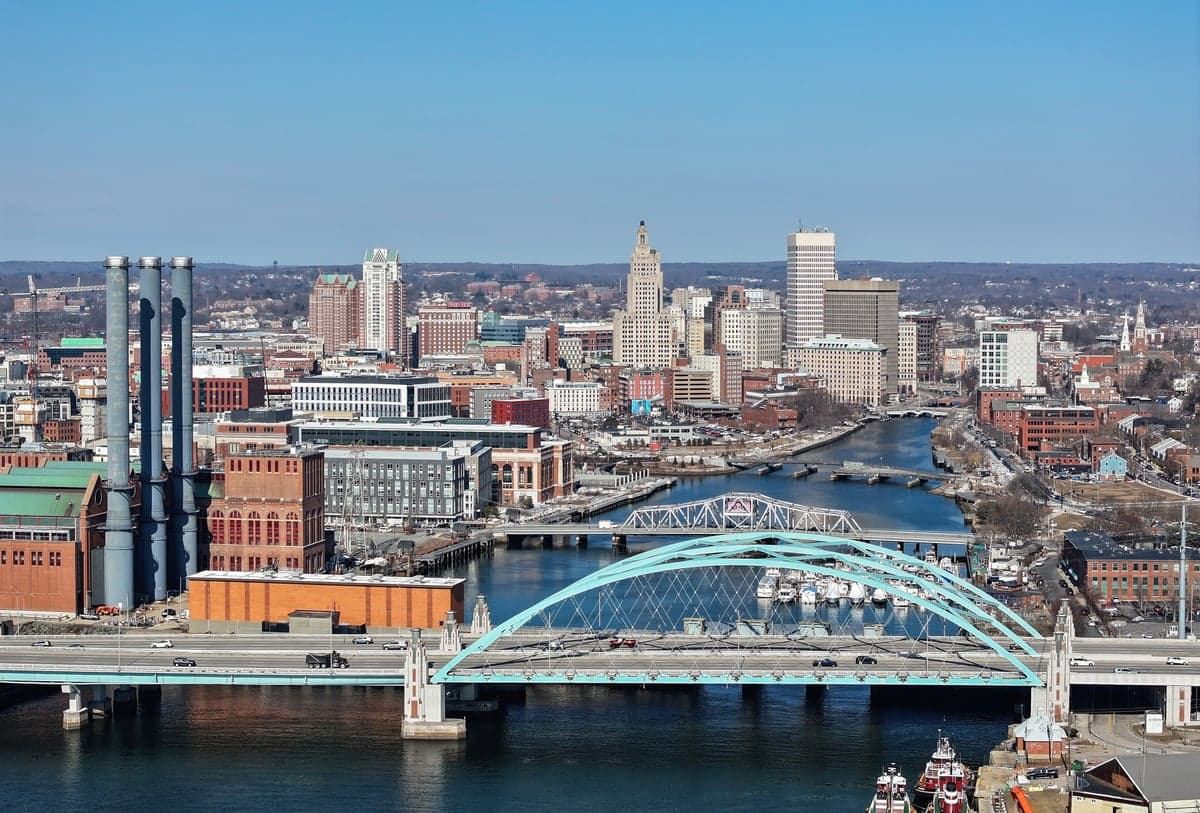
Providence has a scrappy, creative energy that feels more like a small city than a state capital. It’s the kind of place where you’ll find a world-class restaurant next to a dive bar, and where the local college kids and old-school Italian families share the same sidewalks. Living here means trading sprawling suburbs for walkable neighborhoods, and accepting that the city’s charm comes with a fair share of quirks and frustrations.
The Daily Rhythm: What People Actually Do
Most days in Providence start with a coffee run—maybe at Borealis Coffee in Fox Point or Dave’s Coffee downtown, where the cold brew is a local obsession. The average commute is about 25 minutes, which feels manageable even if you’re driving across the city during rush hour. Many residents work in healthcare (Brown University’s medical campus and Lifespan hospitals are major employers), education (Brown, RISD, Johnson & Wales), or the growing tech and design scene. The median household income sits at $66,772, which is below the national average, but the cost of living index of 115 means housing and groceries eat up more of that paycheck than they would in, say, Texas.
Weekends often revolve around the city’s neighborhoods. Federal Hill is the go-to for Italian groceries and red-sauce dinners at places like Al Forno or Caserta Pizzeria. Downcity has a younger, trendier vibe with cocktail bars like The Eddy and the always-packed Trinity Brewhouse. Families tend to gravitate toward the East Side (near Brown) or the quieter parts of Elmhurst, where you’ll find playgrounds and tree-lined streets. The median home value is $322,800, which is steep for the region but still cheaper than Boston or New York—a trade-off that attracts remote workers and young professionals priced out of those bigger cities.
Sports, Festivals, and the Things That Bring People Together
Providence isn’t a big sports town in the pro sense—the Providence Bruins (AHL hockey) and Rhode Island FC (USL soccer) draw loyal but modest crowds. The real sports passion is reserved for college athletics. Brown University and Providence College (PC) are the anchors, and PC Friars basketball games at the Amica Mutual Pavilion are a genuine event—tickets sell out for Big East matchups, and the energy is electric. High school sports are big in the suburbs, but within the city limits, they don’t dominate the conversation the way they do in smaller towns.
Festivals are where Providence really shines. WaterFire, the iconic installation of bonfires on the three rivers, runs from spring through fall and draws tens of thousands of people downtown. It’s free, weird, and beautiful—a perfect example of the city’s artsy soul. The Providence PrideFest in June and the Federal Hill St. Joseph’s Day Festival in March are other highlights. For outdoor recreation, Roger Williams Park offers 435 acres of walking trails, a zoo, and a botanical center, while India Point Park on the waterfront is a favorite for sunset picnics.
Who Fits In—and Who Might Struggle
Providence works best for people who value walkability, culture, and a slower pace than Boston but still want city amenities. The median age is 32.9, and about 34.7% of adults hold a college degree, so you’ll find a mix of students, recent grads, and creative professionals. It’s not a place for anyone looking for sprawling backyards or top-tier public schools—the city’s school system has struggled with funding and performance, which is why many parents either go private or move to suburbs like Barrington or East Greenwich by the time kids hit middle school.
The violent crime rate is 140.1 per 100,000, which is higher than the national average but concentrated in specific areas (Olneyville, parts of South Providence). Most residents feel safe in their own neighborhoods, but car break-ins and property crime are common annoyances. Parking is a constant headache—expect to circle blocks in Federal Hill on a Friday night. Traffic is manageable by big-city standards, but the constant construction on I-95 and the 6/10 connector can turn a 20-minute drive into 45 minutes during peak hours.
Pros and Cons of Living Here
- Pro: Incredible food scene for a city of 190,000—from Michelin-level tasting menus at Gracie’s to cheap tacos at Tallulah’s Taqueria.
- Con: Winter is long and gray. November through March can feel relentless, with nor’easters and slushy streets.
- Pro: Walkable neighborhoods with distinct identities—you can live without a car if you’re near the East Side or Downcity.
- Con: The cost of living index of 115 means your dollar doesn’t stretch as far as in most of the South or Midwest.
- Pro: Easy access to Boston (45 minutes by train), Cape Cod, and the Rhode Island coast (Newport is 30 minutes away).
- Con: The job market is tight outside of healthcare and education; many residents commute to Massachusetts for higher salaries.
Providence has a stubborn, proud identity—locals call it “the Creative Capital” and mean it. It’s not polished or easy, but it rewards people who lean into its quirks: the weird art galleries, the late-night diners, the way the whole city shows up for WaterFire. If you’re looking for a place with character and don’t mind a few rough edges, it might be the right fit.

Similar small cities to Providence
* Values derived from national, state, county, city and local statistics and may differ in a specific area. Last updated: 2026-04-30T04:53:38.000Z
Narrative content on this page is AI-generated and may contain mistakes. Verify any details that matter before acting on them.
ReloMaps may earn a commission from affiliate links at no extra cost to you.

